

Antique Dining Seats
These antique dining seats bring solid craft and enduring form to the table, spanning walnut, mahogany, and oak across Georgian, Victorian, and Edwardian eras.
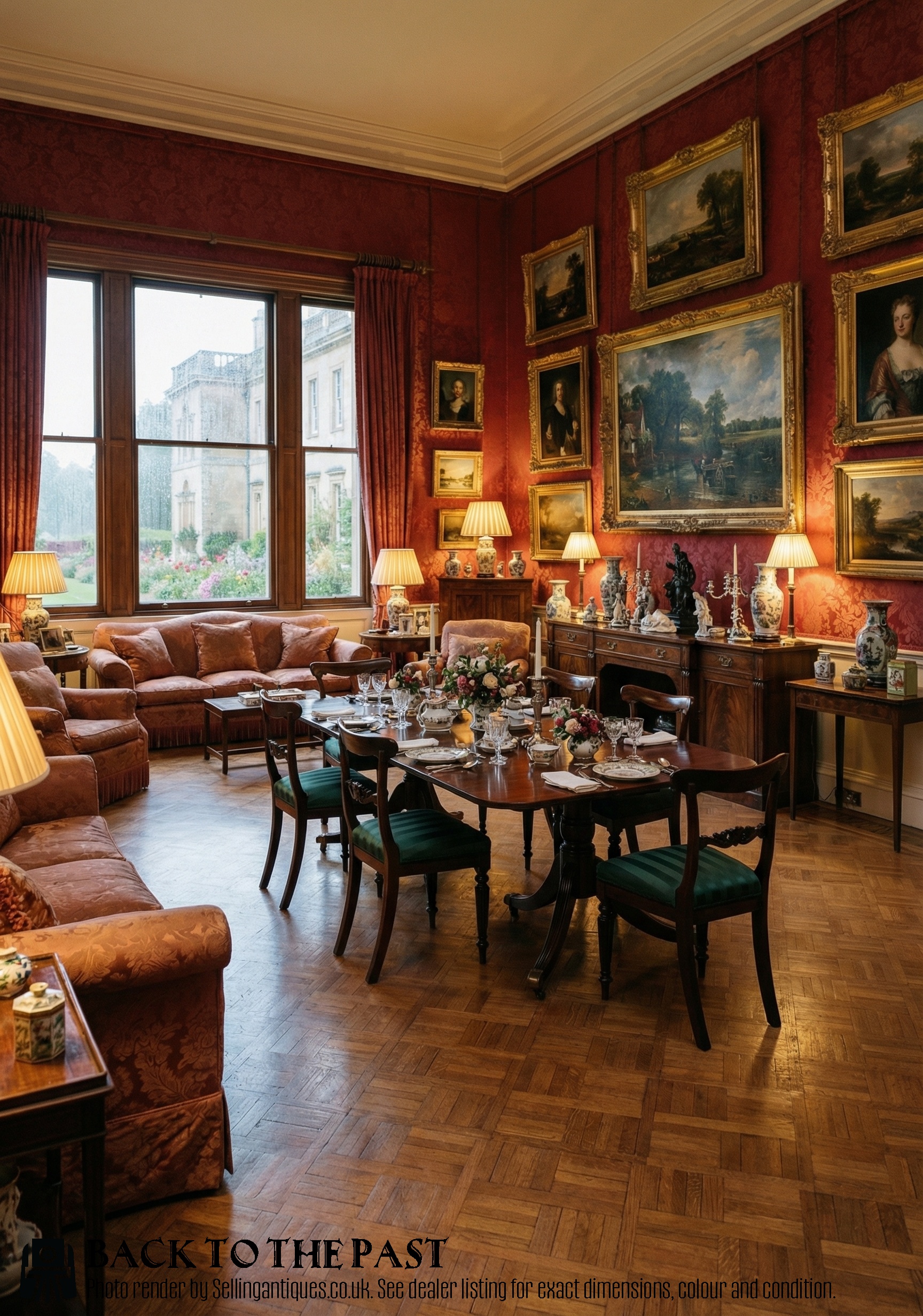
Antique Dining Seats
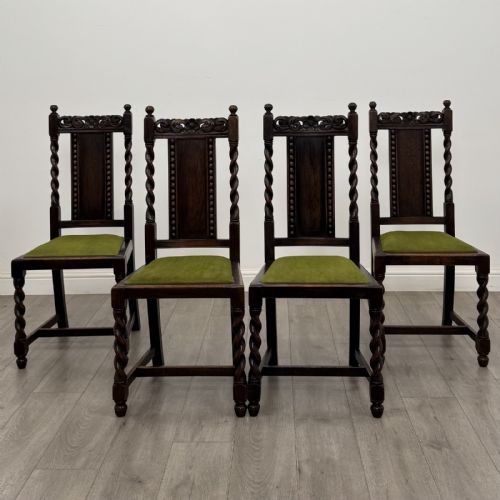
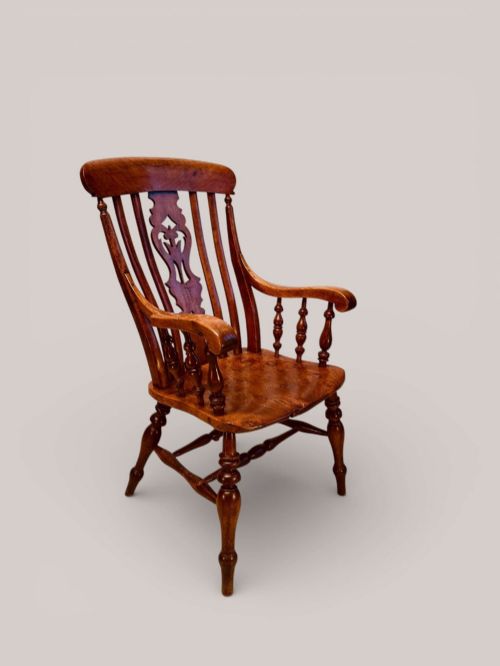
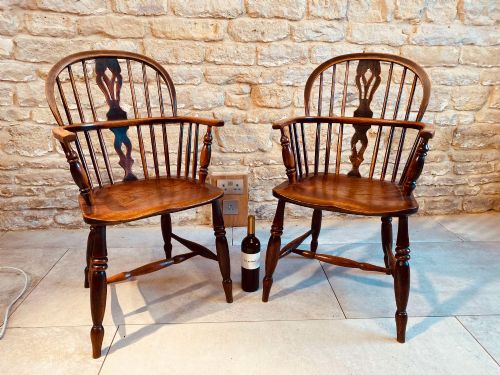
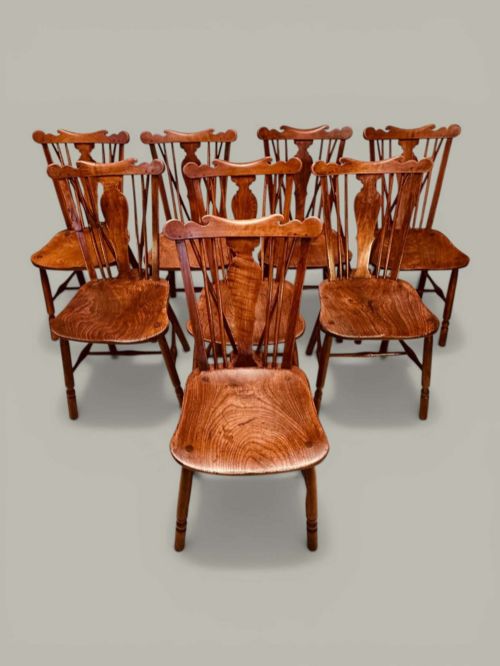
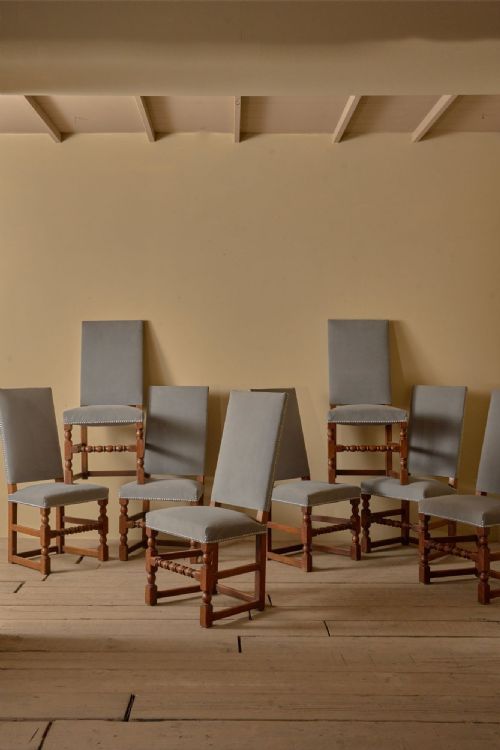
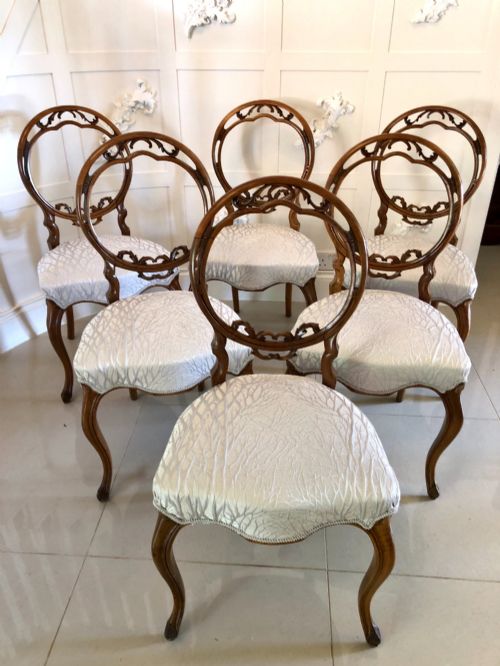
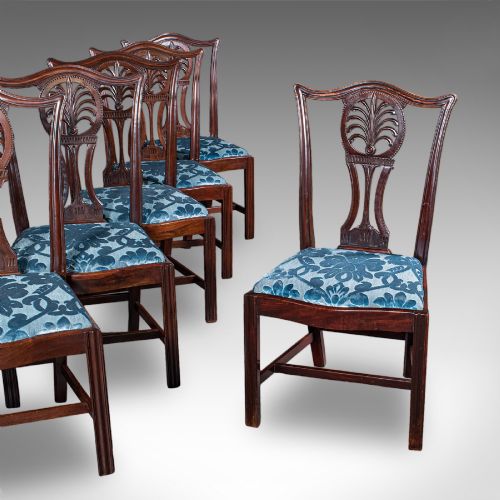
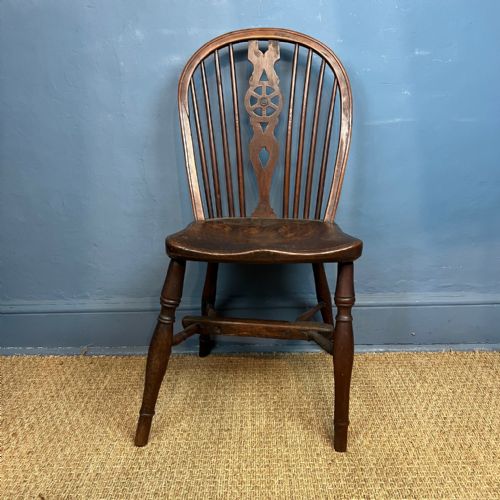
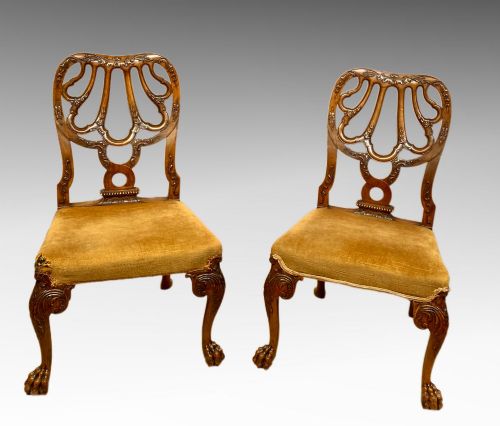
Antique dining seats encompass a wide variety of chairs, benches, and stools designed for the dining room or kitchen, spanning the eighteenth, nineteenth, and early twentieth centuries. When browsing this selection, buyers frequently encounter sets of mahogany chairs from the Georgian and Victorian periods, alongside country farmhouse Windsor chairs in elm, ash, and pine.
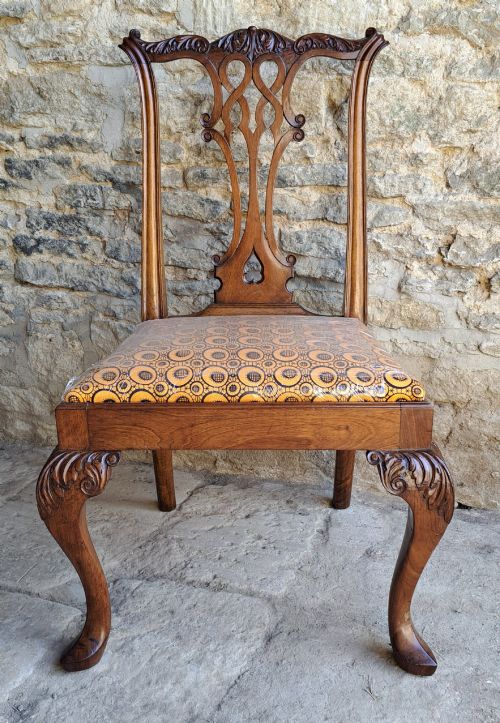
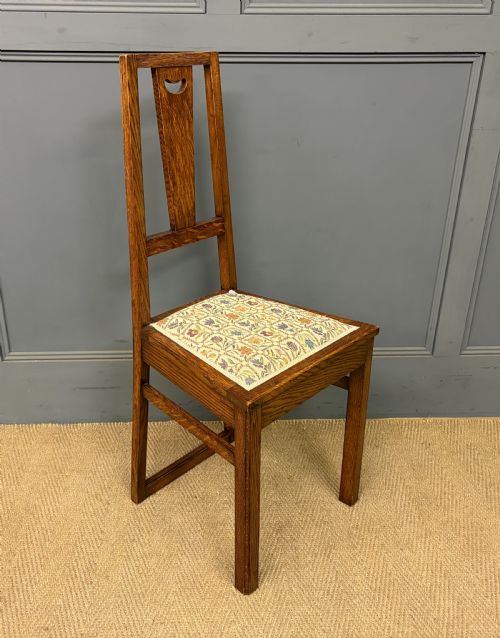
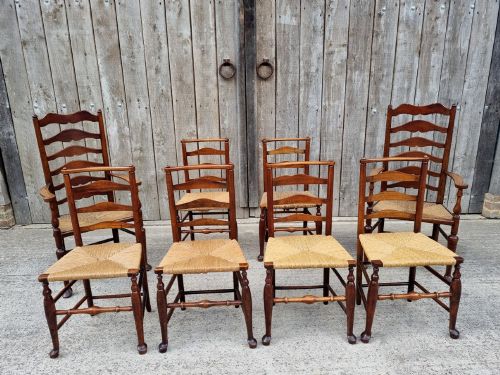
The category extends beyond standard side chairs to include carvers with armrests, long tavern benches, chapel pews, and occasional dining stools. Styles range from formal Chippendale, Hepplewhite, and Regency designs to Arts and Crafts oak models and rustic regional country seating.
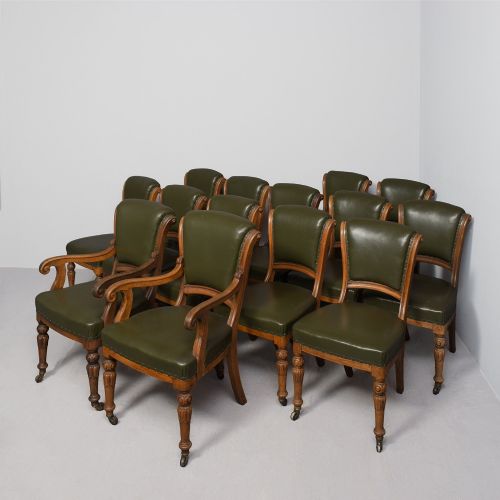
Origins vary from English workshops to Scottish and Dutch examples, capturing formal dining room seating as well as simpler domestic forms. Sets range from small pairs up to larger matched groups of six, eight, or twelve.
How They Were Made
Cabinetmakers and joiners constructed these seats primarily using dense hardwoods such as mahogany, walnut, and oak, alongside regional timbers like elm, beech, ash, and pine. Frames were joined using traditional mortise and tenon construction, occasionally reinforced with turned spindles and brass inlay.
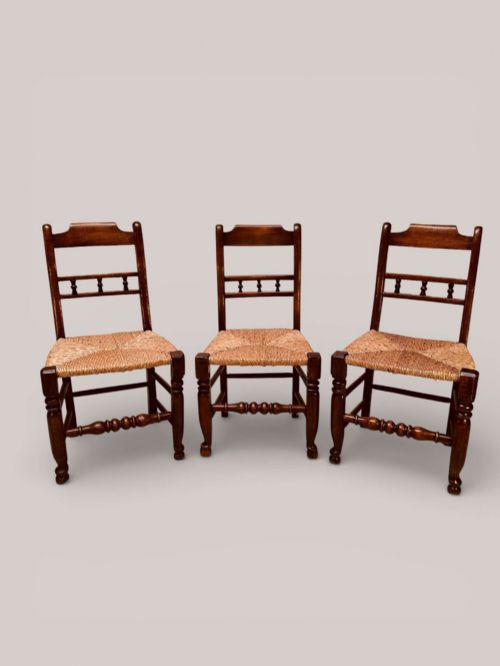
Upholstery methods involved horsehair and textile stuffing secured over webbing or drop-in frames, utilising fabrics, leather, and woven rush. Surface finishes relied on hand-applied polish, wax, and paint, preserving the natural grain of the wood over decades of daily use.
Antique Dining Seats Retail Price Guide 2026
Typical asking prices for dining seats among the pieces listed under this phrase on Sellingantiques today, from the lower quarter to the upper quarter. They describe what is for sale here now, not the wider market.
Listings feature woods including mahogany, oak, walnut, elm, ash, and pine across Georgian, Victorian, and Edwardian periods.
What Varies in Quality
Quality in these seating pieces is determined by the selection of timber, the crispness of hand-carving on elements like shield backs or splats, and the structural integrity of the frame. Superior examples display tightly fitted joinery, well-figured timber grain, and original upholstery support without excessive replacement of core components.
Larger matched sets command attention due to the difficulty of keeping numerous chairs together over generations. The distinction between standard domestic seating and exhibition quality items lies in refined proportions, specialised brass work, and detailed decorative carving.
William Morris·Rossetti·Charles Tozer
The Antique Dining Seats Glossary
- Carver
- An armchair designed with elbow rests, traditionally placed at the head of a dining table to match a set of single side chairs.
- Windsor
- A traditional chair construction featuring a solid wooden seat into which the legs and spindles of the back are individually tenoned.
- Refectory
- A long, narrow dining table style historically used in communal dining halls, often paired with benches or ladder-back chairs.
- Splat
- The vertical wooden strip down the centre of a chair back, frequently carved or shaped in styles such as fiddle, vase, or ladder back.
- Drop-in seat
- A removable wooden frame upholstered separately and dropped into a ledge rebated into the seat rails of a chair.
Antique Dining Seats: Frequently Asked Questions
How do I match antique chairs with a modern table?
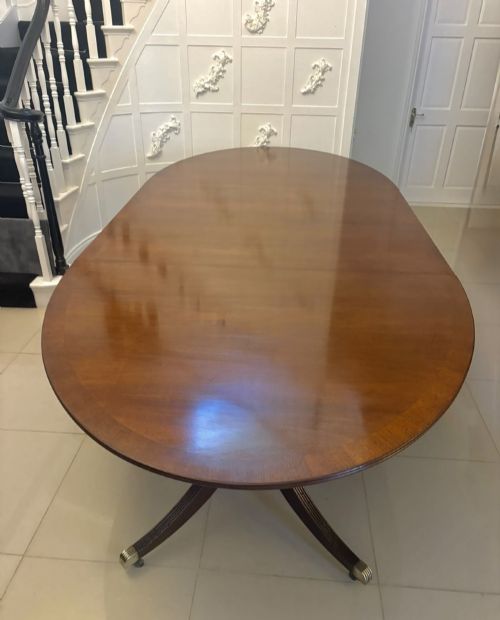
Mixing period seating with a contemporary table relies on balancing wood tones and proportions to create a deliberate contrast. Pairing upholstered carvers or simple side chairs with a clean-lined surface grounds the dining space in mixed textures.
Matching heights and leg clearances ensures that guests remain comfortable during meals while preserving the distinct character of the older seating.
What is the difference between single chairs and carvers?
Single chairs are armless side chairs built to maximise seating capacity along the sides of a dining table. Carvers feature integrated armrests and were traditionally reserved for the host and hostess.
Most large antique dining sets include a combination of both types to maintain a balanced layout.
Can I use benches instead of chairs for dining?
Benches and pews offer a practical seating solution that accommodates variable numbers of diners along longer tables. They reflect historical domestic and institutional traditions, particularly in country and rustic settings.
Selecting a bench with appropriate seat height and back support ensures comfort during extended dining sessions.
How do I care for antique wood and upholstery?
Maintaining antique timber involves applying appropriate wax polish sparingly and keeping pieces away from direct heat sources and strong sunlight. Leather and fabric elements benefit from gentle dusting and careful cleaning suited to their specific textile type.
Regularly checking frame joints prevents minor looseness from developing into structural damage.