

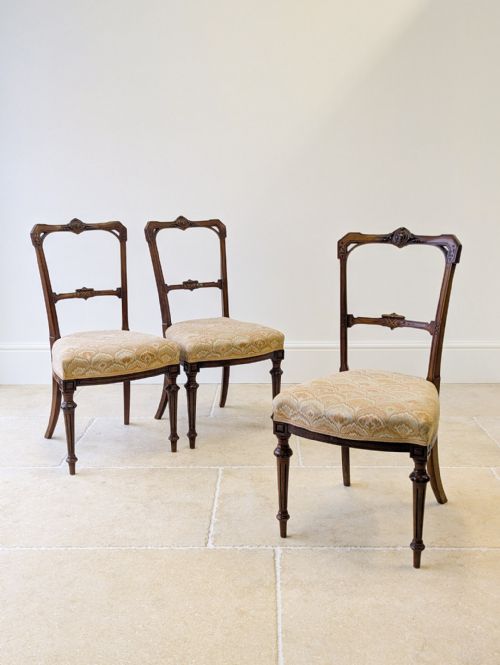
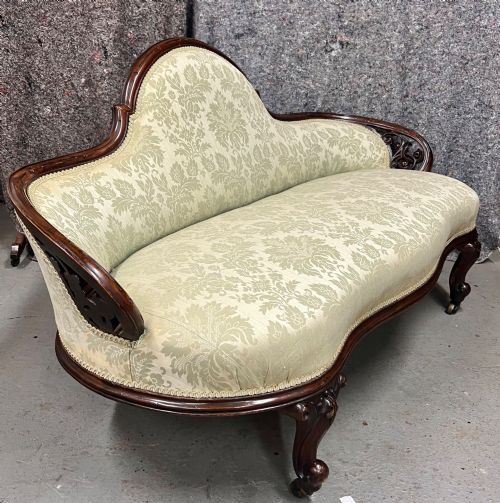
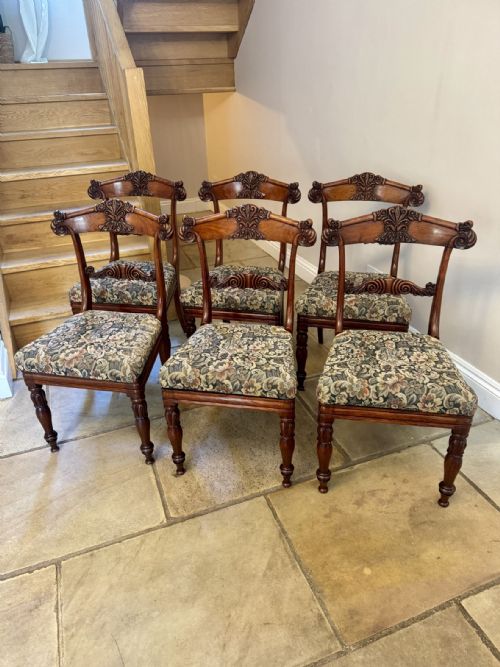
Antique Parlor Chairs
Antique parlor chairs are formal Victorian and Edwardian seats designed for entertaining, combining rich timbers like walnut and mahogany with tactile upholstery.
Antique Parlor Chairs
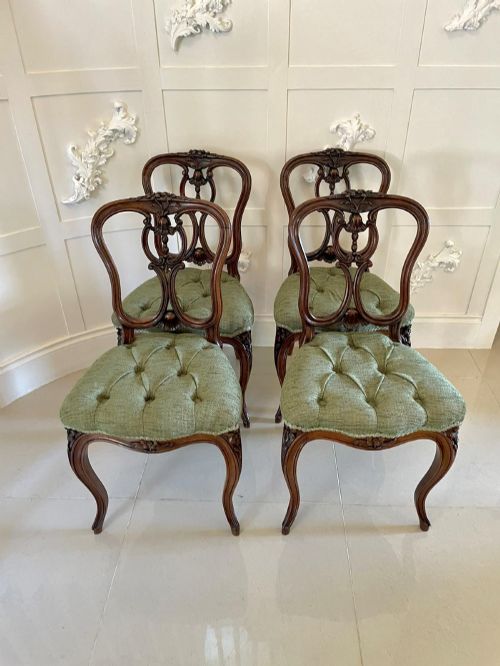
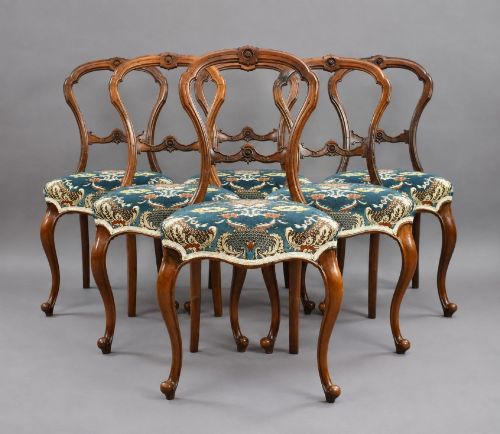
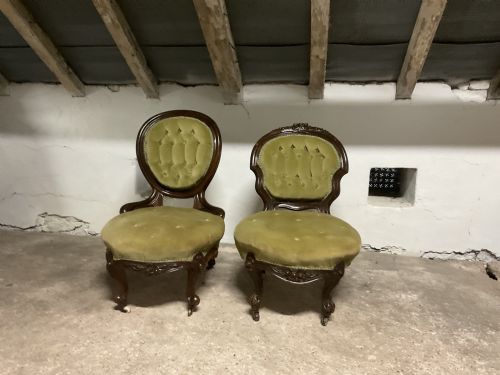
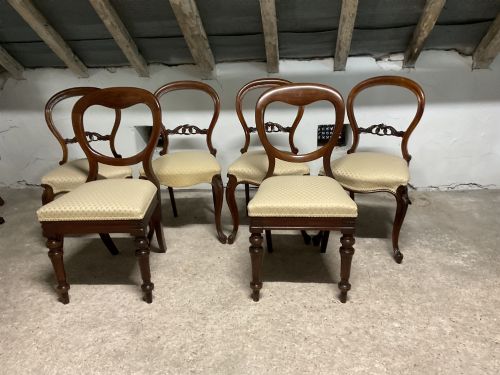
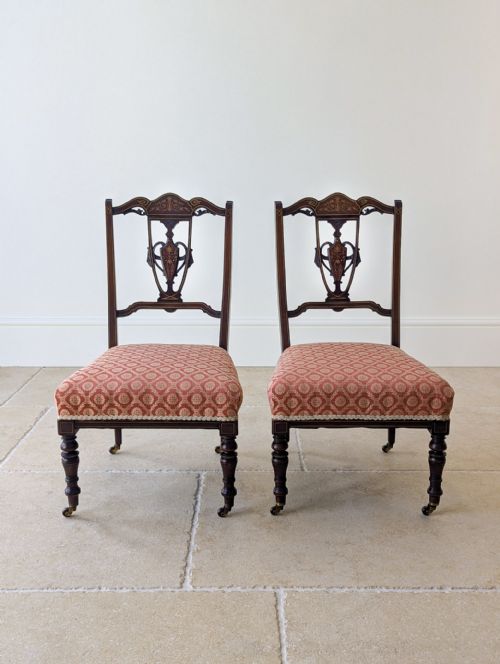
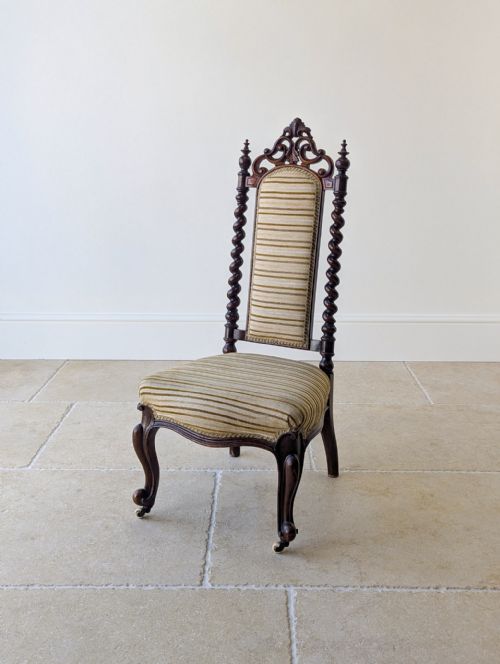
Antique parlor chairs encompass a variety of formal seating developed primarily during the Victorian and Edwardian periods for drawing rooms and reception spaces. Buyers searching for antique parlor chairs will encounter specific forms including nursing chairs, balloon back chairs, library chairs, and occasional armchairs.
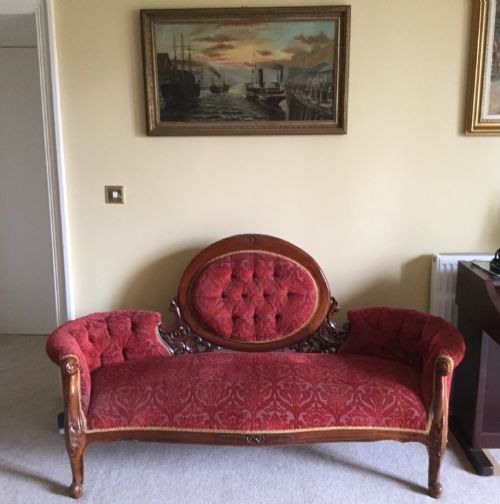
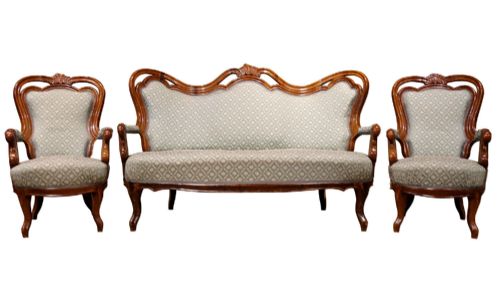
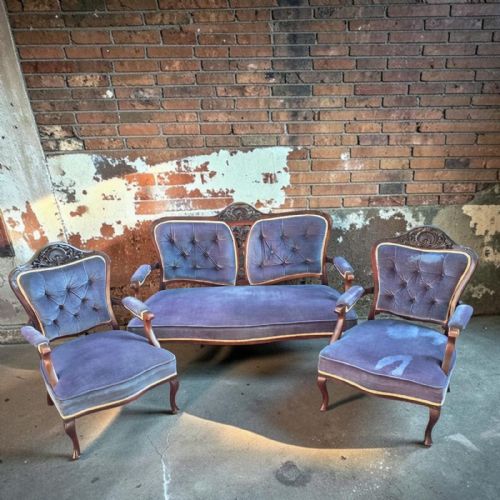
The selection ranges from individual side chairs to large matching salon suites consisting of sofas, armchairs, and footstools. Woods such as walnut, mahogany, rosewood, and oak form the structural foundations of these pieces, often paired with elaborate revival styles.
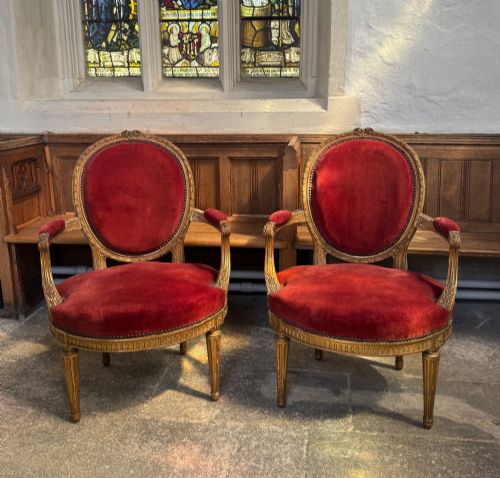
Origins span British workshops alongside Continental and French ateliers, occasionally extending to Chinese carved hardwood productions. Pieces date broadly from the nineteenth century into the early twentieth century, reflecting shifting domestic fashions for reception room seating.
How they were made
Carpenters and cabinet makers utilised dense hardwoods including mahogany, walnut, and rosewood, shaping frames through steam-bending and hand-carving. Details such as cabriole legs and balloon backs required skilled joinery to support the structural weight of the seat.
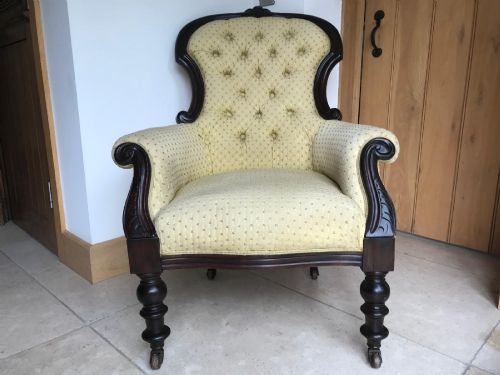
Upholstery techniques involved sprung bases, horsehair stuffing, and deep buttoning secured with durable textile covers. Fabrics recorded across the evidence include velvet, brocade, brass accents, and traditional upholstery cloth.
Antique Parlor Chairs Retail Price Guide 2026
Typical asking prices for parlor chairs among the pieces listed under this phrase on Sellingantiques today, from the lower quarter to the upper quarter. They describe what is for sale here now, not the wider market.
Low Victorian nursing chairs were built specifically to let women tend to infants in comfort while wearing voluminous crinoline skirts.
What varies in quality
The distinction between standard domestic seating and high-end parlour pieces lies in the crispness of the timber carving and the integrity of the show wood. Superior examples display deeply articulated Rococo or Neoclassical motifs carved directly from solid walnut or rosewood rather than applied composition ornament.
Harmony across suites and sets dictates overall merit, particularly when multiple armchairs and side chairs must match in grain and proportion. The complexity of the upholstery work, such as structured deep buttoning and high-grade silk or wool brocades, further separates standard production from exhibition pieces.
The Antique Parlor Chairs Glossary
- Balloon back
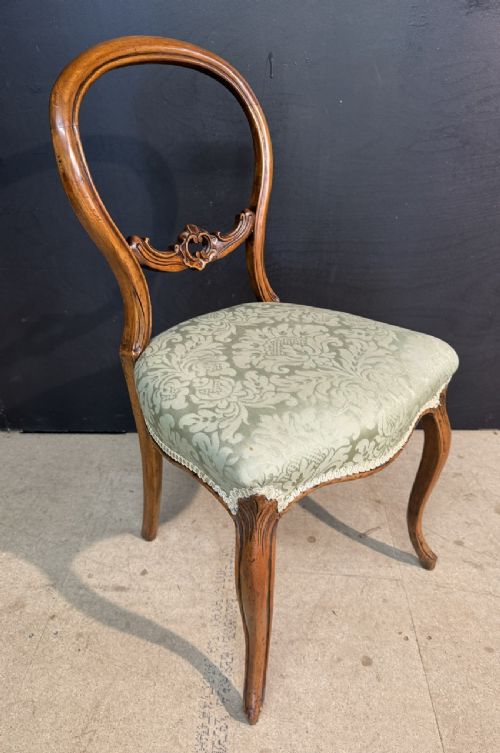
- A chair back shaped in a continuous oval curve resembling an inflated balloon. This design gained immense popularity during the Victorian era for dining and parlour seating.
- Cabriole leg
- A furniture leg that curves outward at the knee and tapers inward toward the foot, often ending in a scroll or pad. It is frequently seen on Victorian walnut and mahogany chairs.
- Salon suite
- A coordinated set of seating furniture comprising a settee, armchairs, and matching side chairs. These suites were designed to furnish formal nineteenth-century drawing rooms.
- Deep buttoning
- An upholstery technique where twine is pulled through padding and secured with buttons to create a geometric pattern of deep recesses. This method provides firm support and decorative texture.
- Sheraton Revival
- A late nineteenth and early twentieth-century design movement inspired by eighteenth-century neoclassical maker Thomas Sheraton. Pieces in this style utilise inlaid mahogany and delicate proportions.
Antique Parlor Chairs: Frequently Asked Questions
How do I identify a parlor chair?
Parlor chairs are typically smaller than standard armchairs and feature decorative wood frames designed to be viewed from all angles in a formal reception room. They often incorporate carved walnut or mahogany backs and upholstered seats intended for social gatherings rather than heavy daily lounging.
Look for styling cues such as balloon backs, cabriole legs, and upholstery materials like velvet or brocade. These chairs were made to complement matching salon suites or act as occasional seating in nineteenth-century homes.
Were these chairs used for dining?
While some side chairs share similarities with dining chairs, parlor chairs were primarily designated for drawing rooms, parlors, and dressing rooms. Dining chairs were constructed for functional use around a dining table, whereas parlor chairs focused on decorative appeal and lighter social seating.
Pieces designated as salon or parlor chairs often include low seats, nursing chairs, or upholstered armchairs. They formed part of coordinated suites meant for entertaining guests rather than routine family meals.
Can I mix these chairs with modern furniture?
Antique parlor chairs work well in contemporary interiors when used as accent pieces or occasional seating. Their rich timbers and tactile fabrics add texture and historical contrast to neutral modern rooms.
Pairing a single walnut balloon back or a carved armchair with minimalist furniture highlights the craftsmanship of the piece. Ensure the scale of the chair complements surrounding modern items for a balanced room layout.
How should I care for the upholstery?
Maintenance depends on the fabric and filling materials used in the specific chair. Regular gentle vacuuming with a soft brush attachment removes surface dust without stressing delicate textiles like velvet or brocade.
Avoid placing antique seating in direct sunlight to prevent fading of the original or replacement fabrics. Professional cleaning is recommended for antique textiles to protect fragile historic fibres.