

Country Oak Dining Chairs
Country oak dining chairs bring substantial timber frames and vernacular charm to the dining table, offering robust seating built for daily use.
Country Oak Dining Chairs
Country oak dining chairs appear in diverse formats across this marketplace, ranging from larger sets of eight or ten to smaller groups of four. These provincial seats emerge across multiple eras, spanning eighteenth-century workshops, nineteenth-century farmhouses, and early twentieth-century revivals.
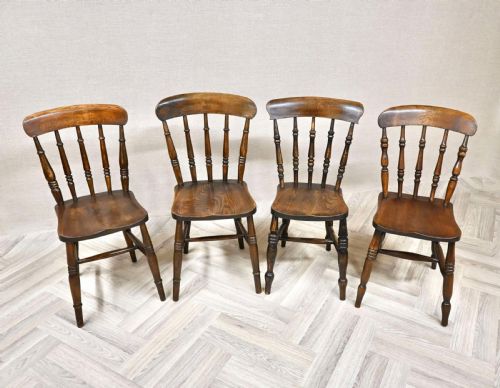
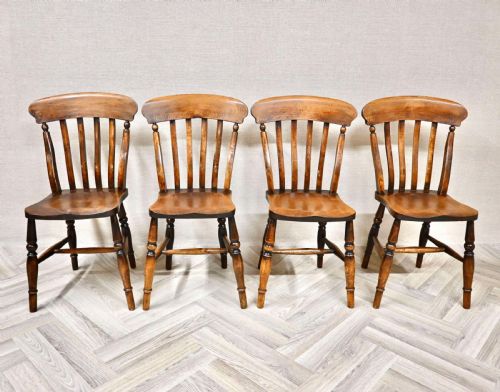
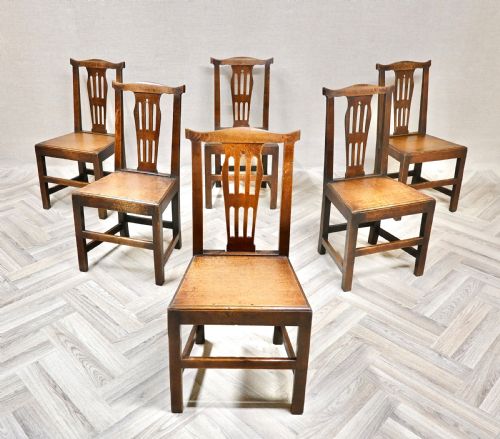
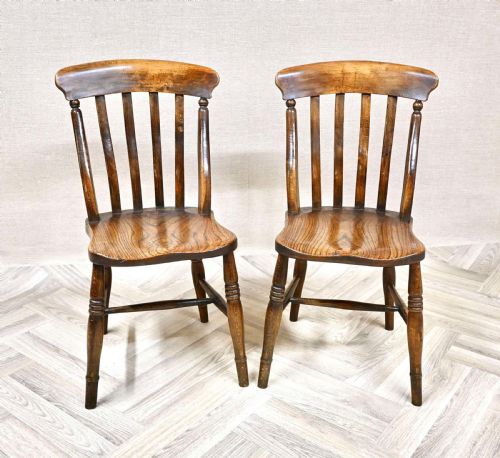
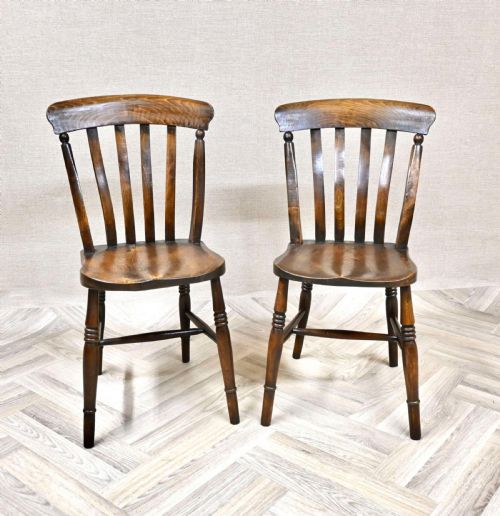
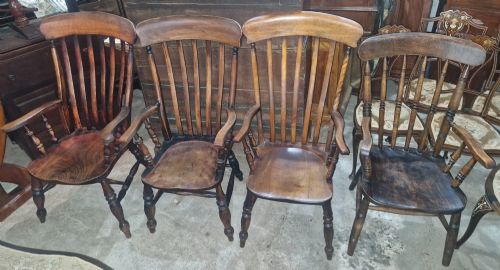
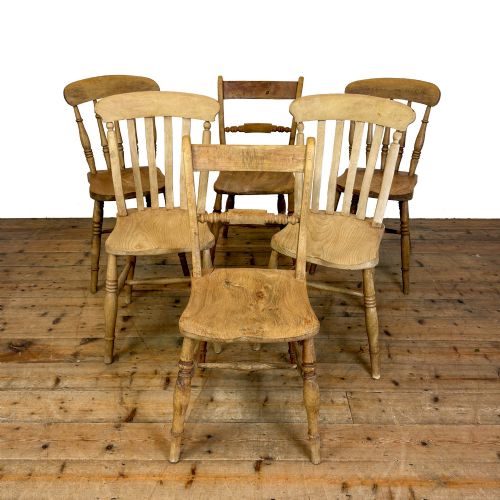
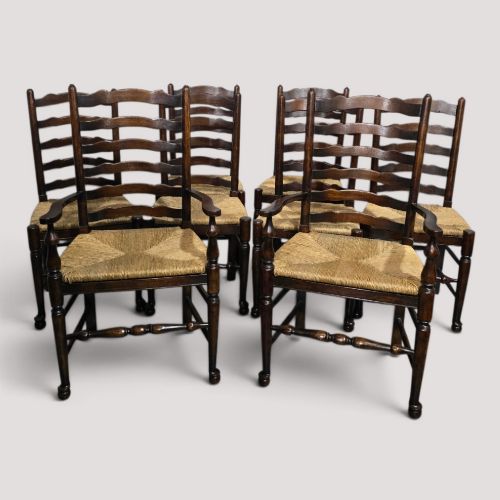
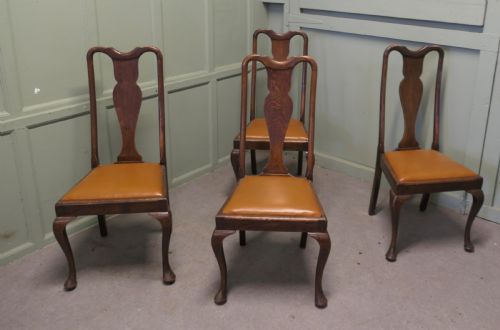
Makers working in regional idioms build these dining chairs using sturdy timbers suited for communal meals. Common configurations include tall ladder backs, spindle backs, and solid shaped splats designed for everyday utility.
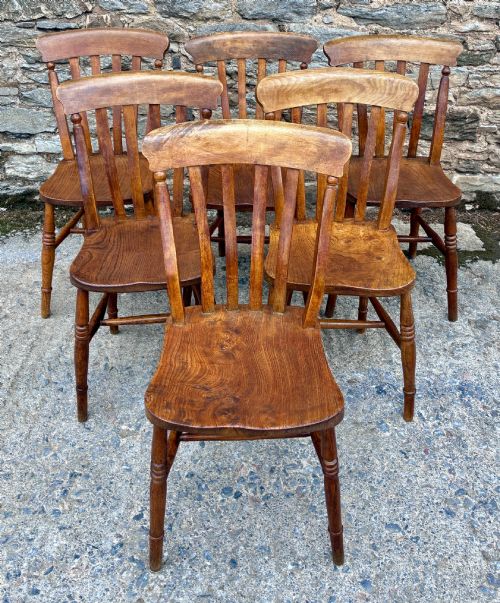
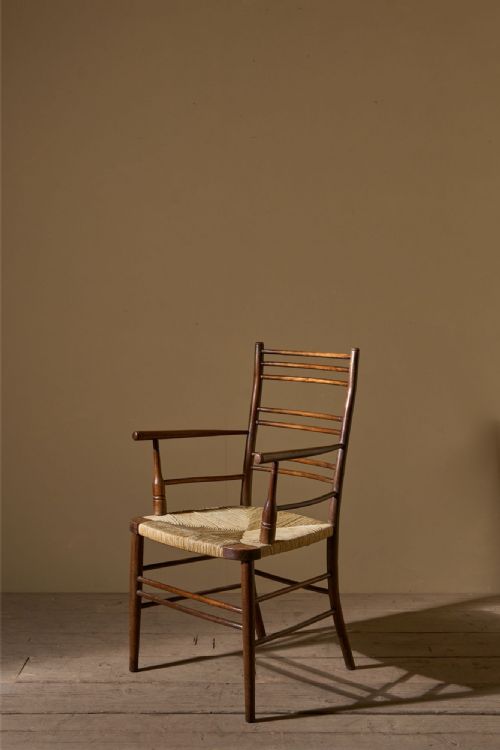
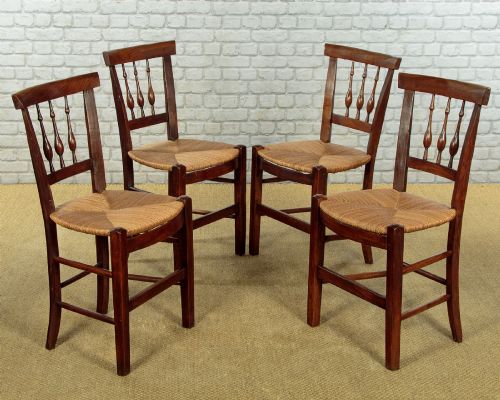
Buyers encounter regional variations including Lancashire ladderbacks, Welsh farmhouse designs, and French provincial styles. Many examples incorporate rush seating or drop-in upholstered pads alongside timber frameworks.
Materials and Construction
Craftsmen construct these dining chairs primarily from solid oak, frequently combining it with secondary timbers such as elm, ash, and fruitwood for seats and structural components. Natural materials like woven rush feature prominently in traditional seat pads alongside leather and fabric upholstery.
Joinery methods rely on pegged mortise and tenon joints to secure the heavy frames under regular stress. Turning lathes shape upright spindles and legs, while hand planes form the contours of ladder backs and crest rails.
Retail Price Guide 2026
Typical UK retail prices for country oak dining chairs, calculated from the Sellingantiques database of over a million retail prices indexed since 2003. This retail price guide relies exclusively on Sellingantiques data; no external sources or auction records are used, so the figures do not describe the wider market.
Listings incorporate regional oak and elm pieces spanning from the eighteenth century through early twentieth-century Arts and Crafts revivals.
Proportion and Material Integrity
Quality rests upon the structural integrity of the timber frame and the retention of matching elements within larger sets. Original rush seating or period upholstery retain more integrity than later replacements that alter the profile of the chair.
Refinement shows in the hand-shaping of back splats, the taper of turned legs, and the balance of carvers relative to side chairs in a matched group. Heavier grain patterns and rich patination acquired through decades of use separate superior examples from plain utility grade seating.
Edward Gardener·Heals·James Winter and Sons
The Country Oak Dining Chairs Glossary
- Ladderback
- A chair back featuring horizontal arched slats resembling the rungs of a ladder between two upright posts. This design appears frequently in regional vernacular seating.
- Spindle back
- A chair back composed of multiple thin vertical turned wooden rods supporting the top rail. These components provide lightweight strength to provincial seating.
- Rush seat
- A seating surface woven from dried marsh grasses twisted into cords around a wooden frame. This traditional technique yields a resilient and textured pad.
- Carver
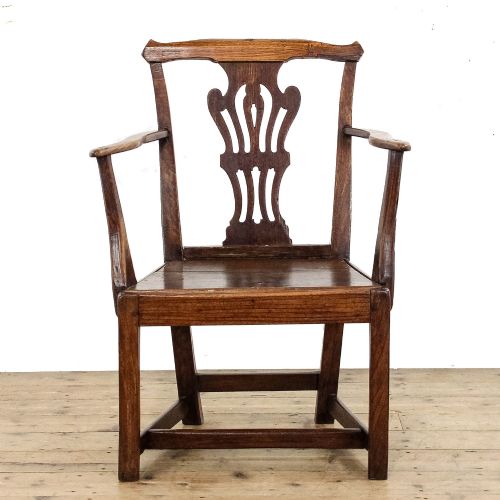
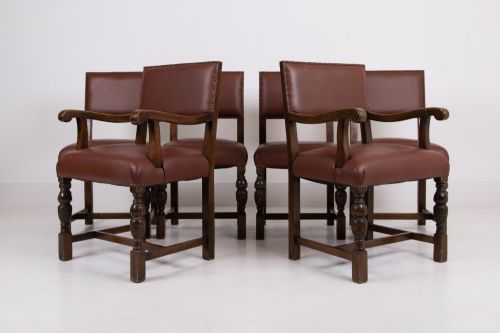
- An armchair designed to sit at the head of a dining table, typically matching the smaller side chairs in a set. These pieces include supportive armrests.
- Drop-in seat
- An upholstered wooden frame that drops into a rebate within the chair rails without permanent fixings. This construction allows straightforward removal for reupholstering.
Frequently Asked Questions
How do I care for rush seats on old chairs?
Keep woven rush surfaces clean using a dry brush to remove dust from the natural fibres. Avoid excessive moisture, which weakens dried marsh grass over time.
Apply occasional light cleaning with barely damp cloths if stains occur, followed by thorough air drying. Placing protective pads beneath heavy users helps preserve fragile weaving.
Are these chairs suitable for daily family meals?
Provincial dining seating originally supported rigorous daily use in farmhouses and country kitchens. Their solid timber construction handles regular sitting when joints remain secure.
Inspect peg joints periodically to ensure frames stay rigid during active dining service. Adding subtle floor glides protects both chair legs and domestic flooring.
How do I distinguish eighteenth-century chairs from later revivals?
Early pieces display hand-cut tool marks, pegged joinery showing irregular shrinkage, and distinct surface patination built up over centuries. Construction details reflect regional tool usage rather than mass production standards.
Nineteenth and twentieth-century revivals often utilise cleaner machine-sawn components and standardised turning patterns. Comparing timber density and wear patterns helps clarify the true age of the frame.
What does a harlequin set mean for dining chairs?
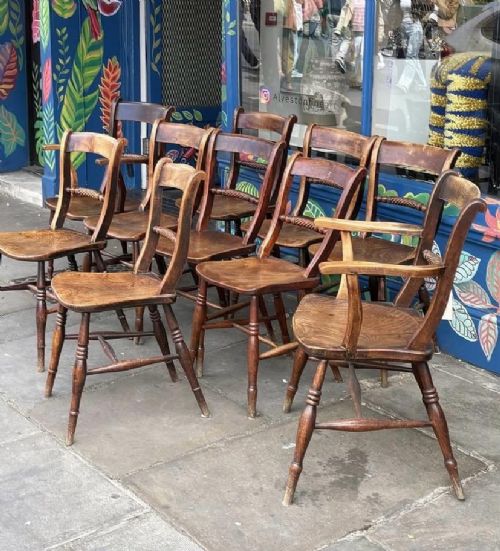
A harlequin set brings together individual chairs sharing similar periods, materials, or stylistic traits rather than originating from a single workshop batch. This assemblage method reflects historical practice in large country houses.
Matching heights and back styles maintain visual harmony around the dining table while incorporating subtle variations. These groups offer flexibility when sourcing larger seating arrangements.