


Light Oak Dining Chairs
Light oak dining chairs bring warmth and sturdy utility to a room, offering both everyday practicality and historic character.
Identifying light oak dining chairs
Light oak dining chairs are seating pieces designed for the dining table, constructed primarily from pale timber and appearing across several distinct periods. When buyers search for light oak dining chairs, they encounter items ranging from Victorian and Edwardian examples to 1930s sets.
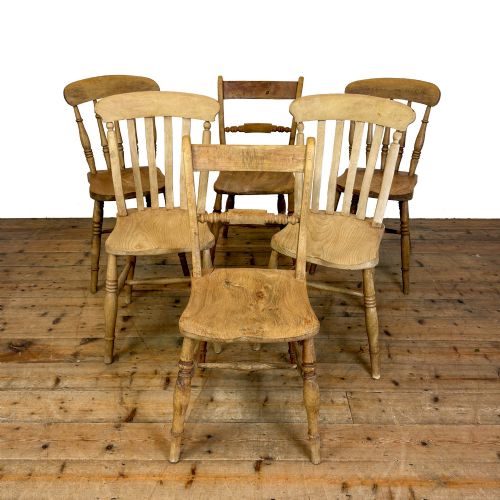
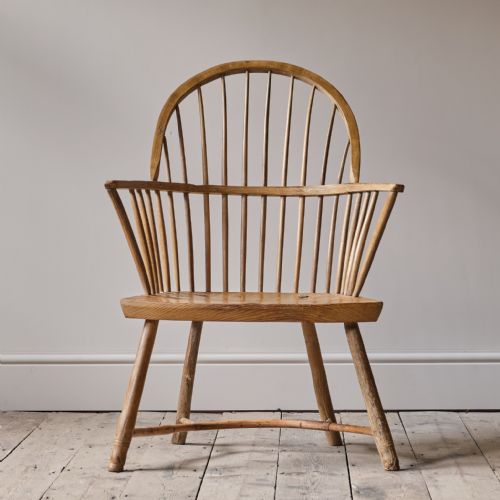
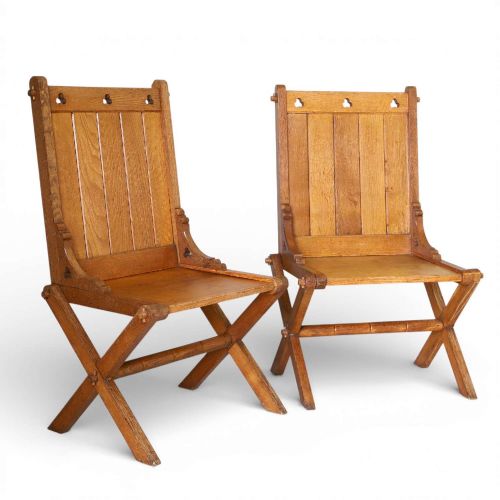
The selections on this page include dining sets, harlequin sets, and pairs of side chairs. Forms encompass rustic farmhouse styles, Gothic Revival, Arts and Crafts, Art Deco, and Victorian Renaissance Revival.
Makers such as Edward Gardener appear in the records alongside various uncredited workshops. Pieces frequently feature drop-in upholstered seats, rush seating, or fabric trim, reflecting the diverse domestic needs of their original owners.
Materials and construction
Construction relies heavily on solid oak, often paired with secondary or complementary timbers such as elm, pine, beech, and fabric. Workshops employed traditional joinery techniques to ensure durability across heavy daily use in dining rooms.
Surface decoration involves carved details, well-shaped and decorated backs, and high back configurations. Upholstery materials include traditional fabric and velvet, secured with fabric trim or integrated into rush-seated frames.
Retail Price Guide 2026
Typical UK retail prices for light oak dining chairs, calculated from the Sellingantiques database of over a million retail prices indexed since 2003. This retail price guide relies exclusively on Sellingantiques data; no external sources or auction records are used, so the figures do not describe the wider market.
Listings feature oak combined with fabric, elm, pine, beech, velvet, and rush across diverse styles from rustic farmhouse to Art Deco.
Judging quality in light oak dining chairs
Quality varies according to the depth of carving, the integrity of the timber framing, and the matching consistency within larger sets. Sets of six, seven, nine, or ten matching chairs demonstrate greater coordination than assembled harlequin groups.
The refinement of shaped backs and the original condition of rush or upholstered drop-in seats distinguish standard utilitarian seating from finer Arts and Crafts or Gothic Revival commissions.
Edward Gardener
The Light Oak Dining Chairs Glossary
- Harlequin set
- A collection of chairs that match in general style and material but were not originally manufactured together as a single suite. They offer a collected, historic appearance around a dining table.
- Rush seated
- Chairs woven with natural dried marsh grasses across the seat frame. This technique provides a resilient and traditional textured surface.
- Drop-in seat
- A removable upholstered frame that fits into a recess within the chair rails. It allows for easier reupholstery without altering the wooden structure.
- Gothic Revival
- A nineteenth-century style drawing inspiration from medieval architecture. Pieces feature pointed arches, tracery, and formal vertical emphasis.
Frequently Asked Questions
What periods do these chairs come from?
The available pieces and historical archive span several distinct eras, notably the Victorian period, 1870, 1920, and 1930. Edwardian examples from around 1900 also feature in the broader record.
These dates influence the stylistic details, ranging from heavily carved Victorian Renaissance Revival pieces to clean-lined Arts and Crafts and Art Deco designs.
How do I choose between sets and pairs?
Sets ranging from four to ten chairs suit larger dining tables and offer visual uniformity. Pairs and harlequin sets work well for smaller spaces or mixed seating arrangements.
Consider the scale of your dining table and the number of regular guests when deciding between a matched set and smaller configurations.
What wood types are used besides oak?
While oak forms the primary structural timber, makers frequently incorporated elm, pine, beech, and various fabrics or velvet for upholstery. Rush is also utilised for traditional woven seating.
These supplementary materials support the frame or provide contrasting textures in the finished seating.
How should I care for light oak furniture?
Light oak benefits from regular dusting with a dry cloth and occasional treatment with appropriate natural waxes to nourish the grain. Avoid placing wooden furniture in direct sunlight or near sudden heat sources.
Maintaining stable room humidity preserves both the solid timber frame and any historic upholstery or rush work.