
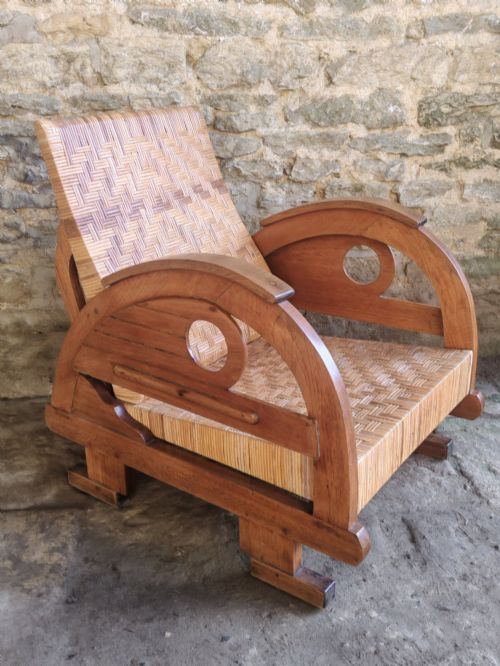


Art Deco Oak Chairs
These art deco oak chairs combine robust twentieth-century framing with distinct geometric lines, offering both durability and period style for daily use.
Art Deco Oak Chairs
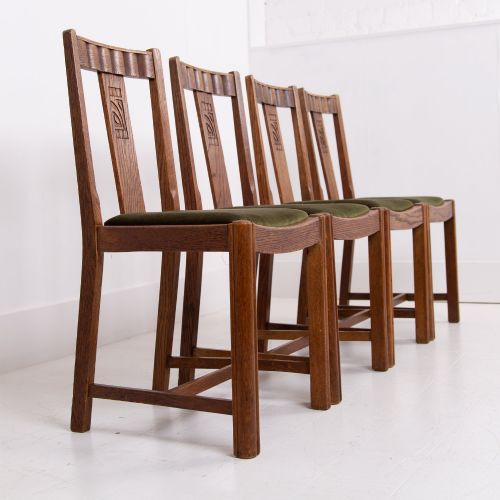
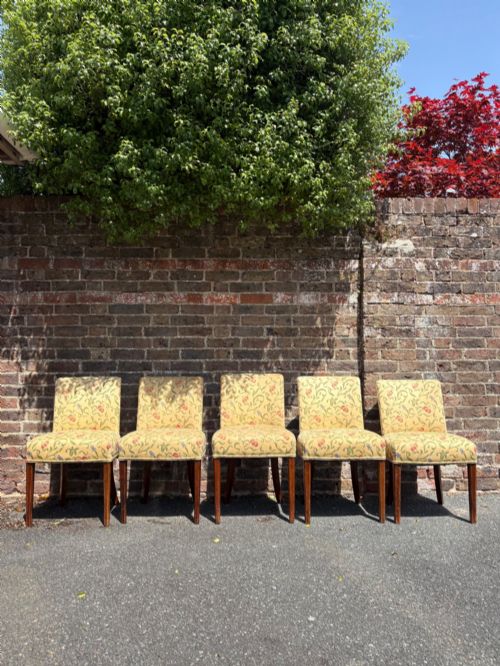
Art deco oak chairs appear primarily as sets of dining chairs or matched pairs of armchairs from the early twentieth century. Buyers seeking these pieces encounter substantial timber frames built during the nineteen-thirties, alongside occasional examples originating from earlier periods.
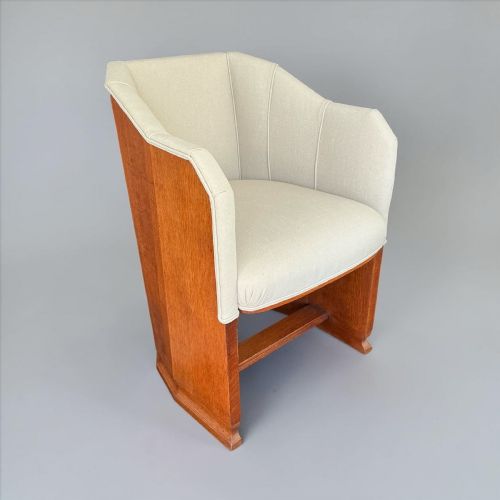
The selection ranges from simple side chairs to larger club armchairs, desk chairs, and reclining models. Dining sets and pairs dominate the form, reflecting how makers configured domestic seating during the nineteen-thirties.
Origin points span English, French, and Danish workshops, displaying regional variations in timber tone and upholstery choices. English oak frames predominate, often paired with traditional seating materials.
Materials and Construction
Makers utilised solid oak for the structural frames, selecting timber for its visible grain and natural strength. This hardwood underpins both sleek dining sets and heavy lounge armchairs.
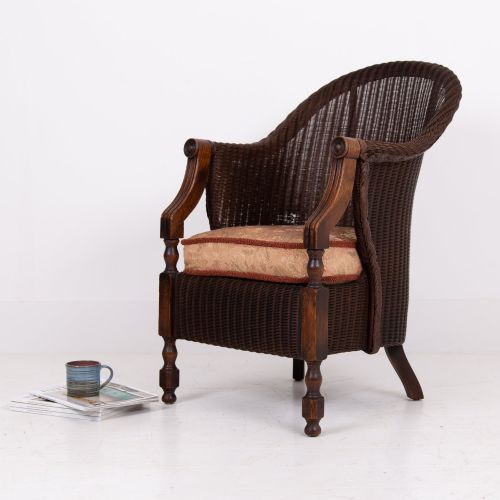
Upholstery materials include leather, velvet, fabric, and wool, often secured to the frame with traditional methods. Natural weave elements like rattan, cane, and Lloyd Loom appear across lighter armchairs and garden room pieces.
Metal components such as brass provide functional accents or adjustment mechanisms on reclining armchairs and desk chairs.
The inventory includes specialised seating forms such as monks benches, bridge chairs, and reclining desk models.
Distinctions in Quality
The calibre of an oak frame depends on the stability of the joinery and the selection of the timber grain. Pieces exhibiting tighter joint construction and superior timber selection endure heavy use more successfully.
Upholstery execution separates standard seating from finer examples, particularly where makers integrated specialised textiles like Italian wool or hand-finished leather. The retention of original hardware, such as brass adjustments, influences the overall integrity of the piece.
Ebenezer Gomme·G.Norman·Foot and Sons·Rene Gabriel
The Art Deco Oak Chairs Glossary
- Bergere
- A wooden-framed armchair with woven cane or rattan back and panels. This technique adds texture and lightness to heavy oak structures.
- Club chair
- A deep, low-slung armchair designed for comfort, usually upholstered in leather or heavy fabric. These pieces offer generous proportions for domestic lounges.
- Monks bench
- A multifunctional piece of furniture that converts from a bench with a solid back into a table. The back tilts forward to form a surface.
- Lloyd Loom
- A twisted paper fibre woven over a wire core, invented in the early twentieth century. It provides a durable, smooth alternative to traditional wicker.
- Bridge chair
- A compact, lightweight armchair originally designed for card games. These chairs feature modest proportions to allow easy movement around a table.
Art Deco Oak Chairs: Frequently Asked Questions
What rooms suit art deco oak chairs?
Dining sets fit well around central dining tables, while pairs of armchairs anchor living spaces and studies. Their robust frames handle daily domestic environments comfortably.
The neutral tones of oak integrate smoothly into both period interiors and contemporary spaces without dominating the room.
How do I identify nineteen-thirties oak chairs?
Look for geometric lines, simplified structural forms, and the characteristic grain of English or continental oak. Upholstery materials and construction techniques align with the manufacturing standards of the period.
Makers often combined solid timber frames with durable textiles such as leather, wool, or woven cane panels.
Are these chairs comfortable for daily use?
Armchairs featuring deep cushioning, leather, or upholstered seats offer substantial support for relaxation. Dining variants provide upright support suited for prolonged seating at a table.
Reclining models and desk chairs include adjustable elements designed for ergonomic utility during extended periods.
How do dining chairs and armchairs differ?
Dining chairs are built with straight, upright backs and compact footprints to slide neatly beneath tables. Armchairs feature wider proportions, supportive side rests, and deeper seats intended for lounging.
Both types utilise oak frames, but armchairs frequently incorporate secondary materials like rattan, cane, or brass.