


1930s Oak Dining Chairs
These 1930s oak dining chairs combine robust vernacular traditions with modernist restraint, offering tactile warmth and enduring structural honesty for any interior.
1930s Oak Dining Chairs
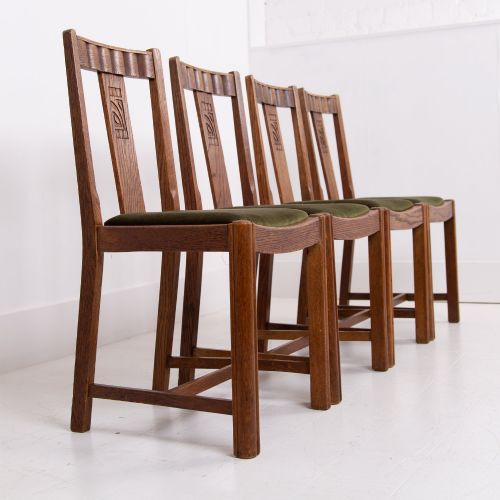
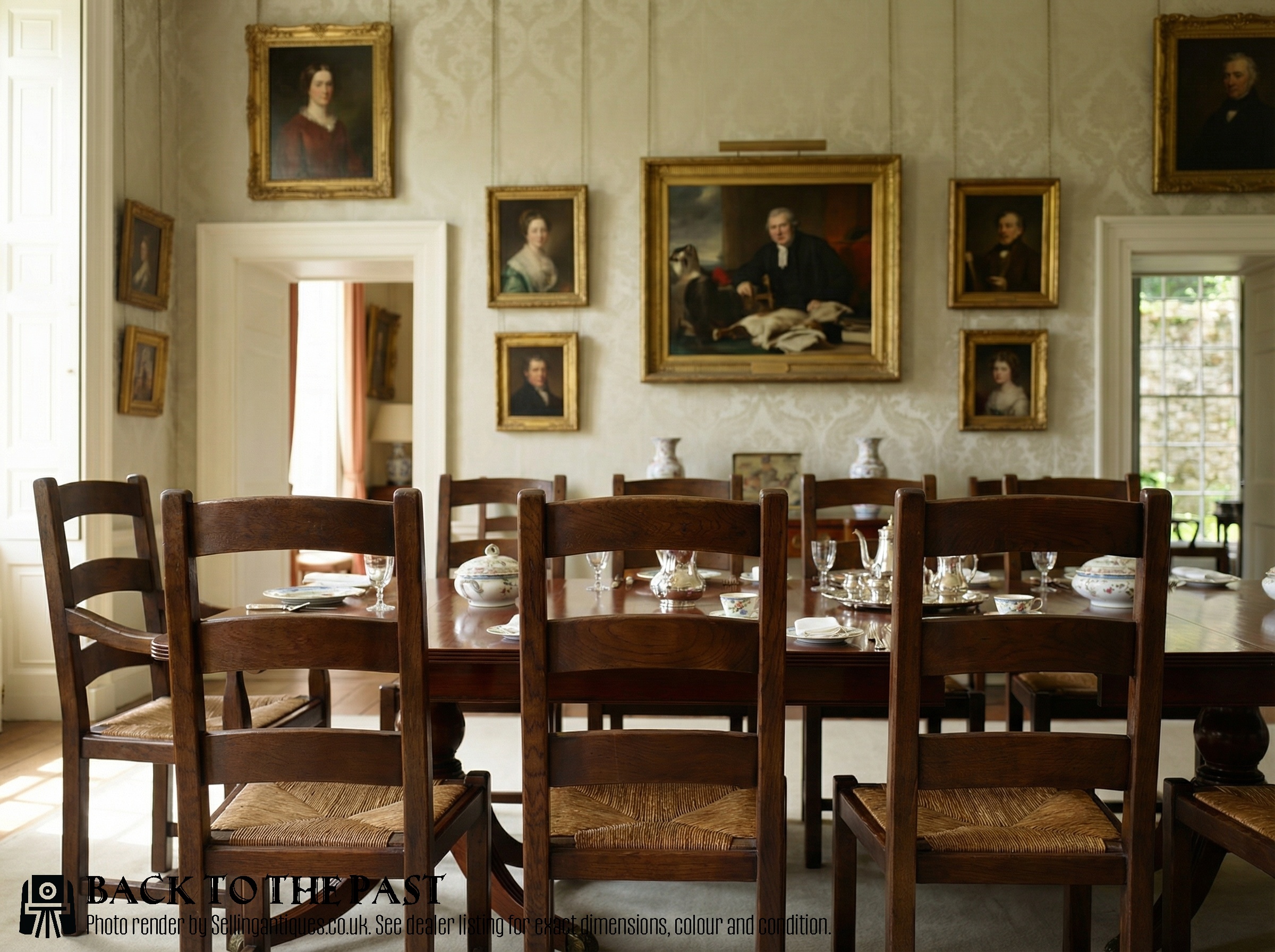
When you search for 1930s oak dining chairs, you encounter a period defined by a transition between honest handcrafted traditions and streamlined modernism. The selection spans straightforward ladderback forms alongside geometric Art Deco framing.
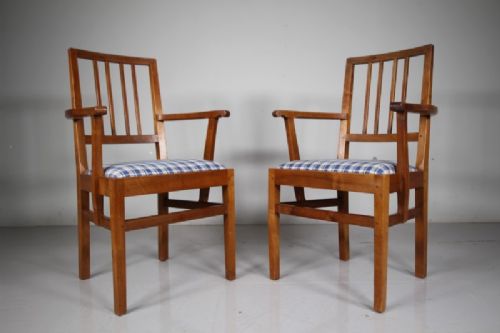
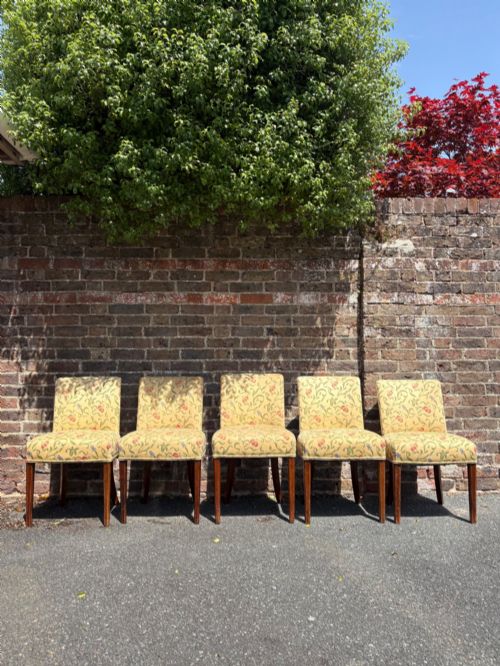
You find substantial sets suitable for larger tables as well as pairs of open armchairs. English oak predominates throughout these pieces, often paired with traditional seating materials.
The objects reflect both rural workshop practices and progressive urban design movements of the interwar decades. This range allows you to seat guests in chairs that carry genuine period character without sacrificing stability.
How they were made
The primary material across these pieces is solid oak, selected for its grain and durability, sometimes complemented by applied veneer on decorative surfaces. Workshops utilised traditional joinery alongside contemporary machining methods to build frames capable of withstanding daily dining use.
Seating areas rely on tactile organic materials including rush and leather, or are upholstered in fabrics such as velvet. These surfaces are integrated directly into the wooden framework, whether woven around rails or fixed over padded seat pads.
Listings feature oak, rush, leather, and velvet across Arts and Crafts and Art Deco styles.
What varies in quality
Quality in these chairs rests upon the integrity of the timber selection and the precision of the construction. Solid English oak frames exhibit greater weight and longevity than veneered alternatives, while maker attribution elevates individual pieces through documented provenance.
The standard of the original upholstery work and the survival of secondary materials like rush or leather further distinguish the pieces. Sets that retain their matching composition without mismatched replacements command greater appreciation among collectors.
Edward Barnsley·Dicon Nance·Heals
The 1930s Oak Dining Chairs Glossary
- Ladderback
- A chair back featuring multiple horizontal wooden slats between the upright posts. This traditional form was favored by rural makers well into the twentieth century.
- Rush
- A natural seating material woven from dried marsh plants. It provides a durable, slightly springy surface often found on vernacular chairs.
- Veneer
- A thin layer of superior wood applied over a secondary timber base. It allows for decorative grain patterns on flat structural panels.
- Open armchair
- A seat featuring wooden armrests left unpadded and open beneath. This form offers comfort while maintaining a lighter visual profile at the dining table.
1930s Oak Dining Chairs: Frequently Asked Questions
How do I identify a genuine 1930s oak dining chair?
Examine the timber species, joinery methods, and overall stylistic markers that align with interwar design. Solid English oak construction and period-appropriate upholstery styles provide key indicators of authenticity.
Look for workshop stamps or signatures where makers marked their output. Comparing the framing techniques against documented examples from the era confirms the manufacturing period.
Are 1930s oak dining chairs comfortable for daily use?
Most designs from this decade were built for functional dining rooms and feature supportive upright backs. Models with upholstered pads or woven rush seats offer adequate cushioning for extended meals.
Armchairs provide additional support if you prefer a wider seat. Ensure the wooden framework remains rigid before putting them into regular service.
How do Arts and Crafts chairs differ from Art Deco examples?
Arts and Crafts pieces emphasise visible hand-craftsmanship, traditional joinery, and natural materials like rush or ladderback slats. They celebrate the texture and grain of solid English oak.
Art Deco variants lean towards geometric symmetry, streamlined curves, and polished veneered surfaces. These sets often incorporate upholstered velvet or fabric pads within the wooden frame.
Can I mix these chairs with a modern dining table?
The warm tones of English oak allow these chairs to complement various contemporary wooden tables. Their clean lines bridge the gap between historical vernacular and modern minimalist interiors.
Ensure the seat heights match your table clearance before arranging them. A cohesive wood finish helps unify disparate periods within a single room.