



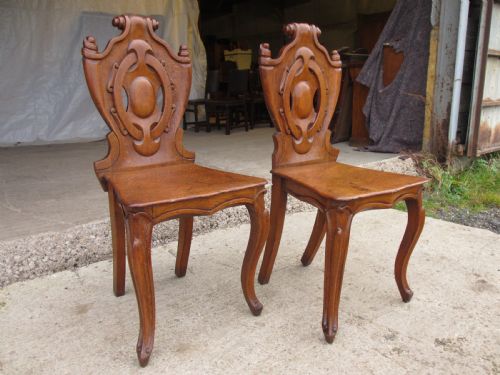


Golden Oak Side Chairs
Golden oak side chairs bring warmth and sturdy craftsmanship to a room, offering practical seating built from rich timber.
Golden Oak Side Chairs
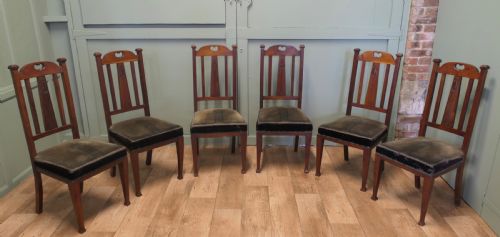
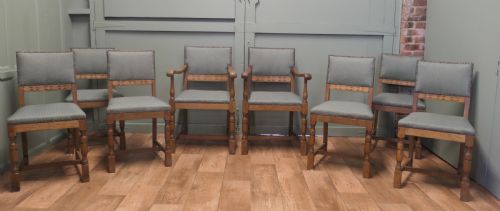
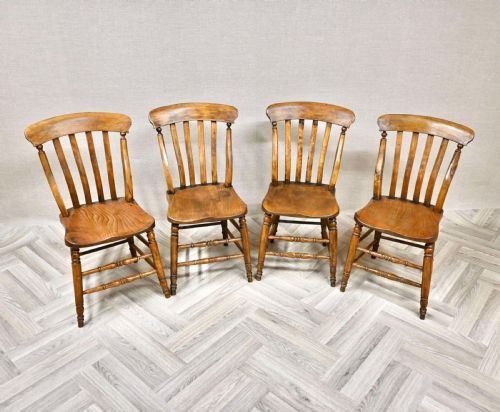
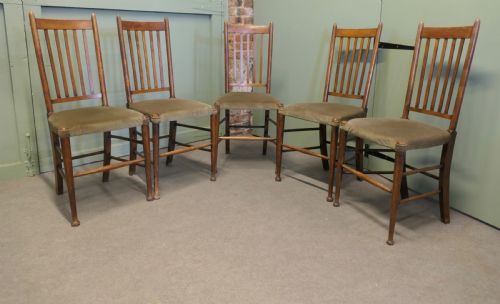
Golden oak side chairs appear across multiple historical periods, ranging from Victorian and Regency pieces to Arts and Crafts designs. Buyers seeking golden oak side chairs will encounter dining chairs and hall chairs fashioned primarily from oak.
The selections span different centuries, including 18th Century, 19th Century, and early 20th Century examples. Sets of chairs appear alongside pairs and individual hall seats.
Various styles define these items, featuring Arts and Crafts, Victorian Gothic, English Country, and Queen Anne style interpretations. Many examples utilise golden oak timber to highlight the natural grain of the wood.
How they were made
Makers utilised solid oak alongside elm and beech for framing and structural stability. Timber surfaces often display carved details, shield backs, or lathback and lyreback configurations.
Upholstered versions incorporate velvet and fabric inserts on the seats. Metal and brass elements occasionally appear in structural fastenings or decorative fittings.
The inventory includes dining chairs and hall chairs arranged in pairs, small groups, and large sets.
What varies in quality
The distinction between standard examples and finer items rests upon the depth of the carving and the cohesion of larger sets. Matching sets spanning four, five, six, or eight chairs demonstrate greater consistency in design.
The choice of timber and the prominence of the golden oak grain influence the visual weight of each piece. Maker attribution also separates standard country furniture from documented workshop production.
John Taylor & Son·Shapland and Petter
The Golden Oak Side Chairs Glossary
- Side chair
- A chair without arms, traditionally used for dining or occasional hall seating. These pieces fit neatly against a wall or around a dining table.
- Arts and Crafts
- A design movement focusing on traditional craftsmanship and simple forms. Pieces from this style often feature exposed construction and honest use of materials.
- Hall chair
- An upright seat designed for an entrance hallway rather than prolonged dining. They frequently incorporate solid wooden seats and carved backrests.
- Golden oak
- A bright, warm finish or natural timber tone favoured in late Victorian and Edwardian furniture. It accentuates the natural medullary rays in quarter-sawn oak.
Golden Oak Side Chairs: Frequently Asked Questions
Are these chairs suitable for daily dining?
Many of these pieces function well for everyday dining, especially sturdy oak sets built for regular use. Their robust wooden construction handles daily sitting comfortably.
Buyers should consider seat heights and upholstery comfort when selecting dining chairs for modern tables. Sets offer uniform seating across a dining room setup.
How do I identify an Arts and Crafts chair?
Arts and Crafts models typically feature straightforward joinery, vertical slats, and honest timber grain without excessive ornamentation. Their design prioritises structural clarity and traditional handcrafting methods.
These pieces often date from the late nineteenth or early twentieth century. They pair well with both contemporary and traditional interiors.
What is the difference between a hall chair and a dining chair?
Hall chairs usually feature solid wooden seats and high, decorative backs intended for occasional seating in an entryway. They were designed to impress visitors rather than provide lounging comfort.
Dining chairs prioritise ergonomic seating heights and often include padded velvet or fabric inserts. Hall chairs stand firmer as sculptural accents in narrow spaces.
How do I care for golden oak furniture?
Maintain golden oak surfaces by dusting regularly with a soft, dry cloth and avoiding excessive moisture. Natural wax can nourish the timber and preserve the warm finish.
Keep wooden chairs away from direct heat sources and strong sunlight to prevent the timber from drying out. Proper placement ensures the joints remain stable over time.