


Country Oak Carver Chair
A country oak carver chair brings immediate warmth to a room with its sturdy timber frame and generous proportions.
Country Oak Carver Chair
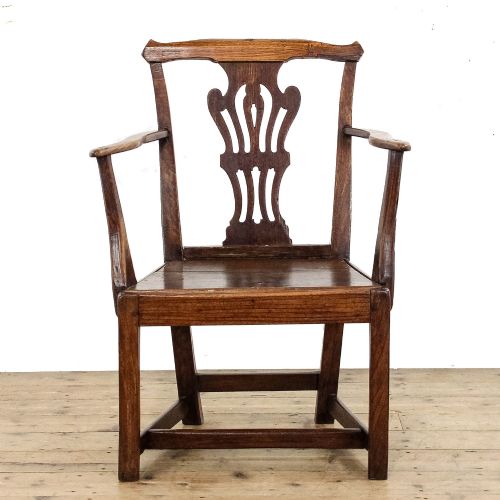
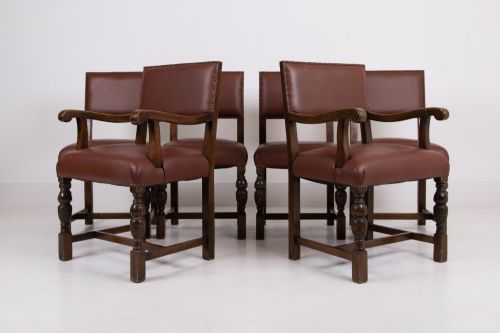
A country oak carver chair is a substantial timber armchair designed for use at the head of a table or by a hearth. These seats emerge from periods spanning the eighteenth century through the twentieth century, reflecting regional vernacular traditions.
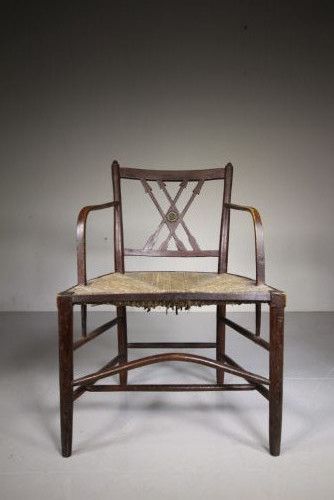
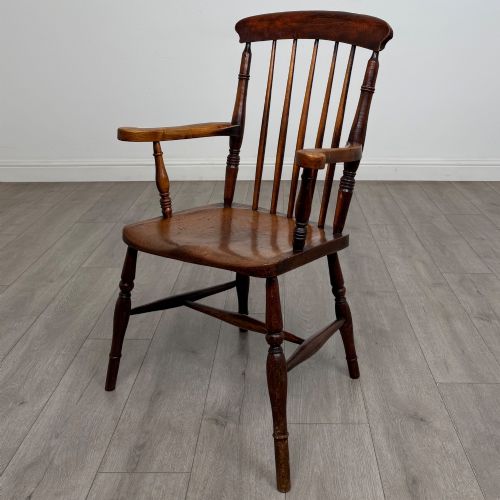
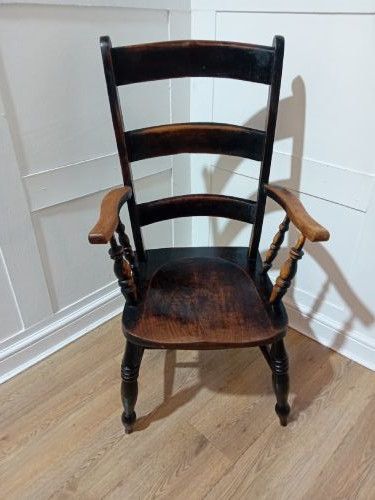
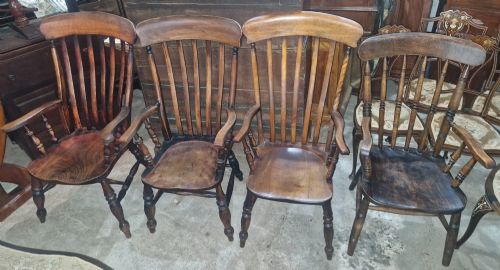
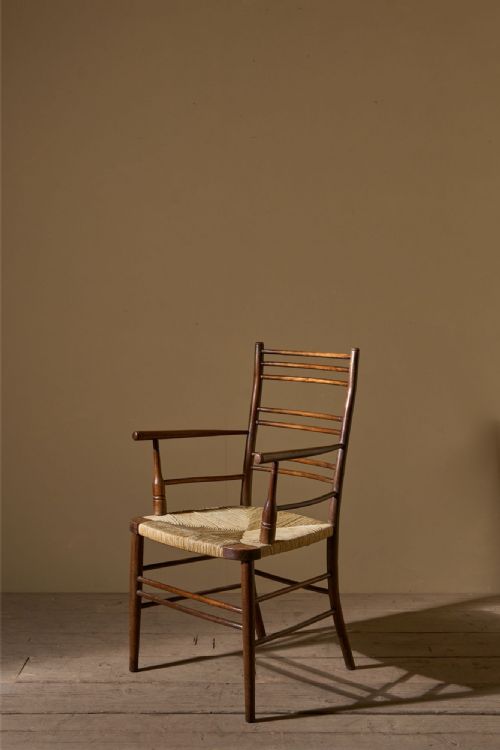
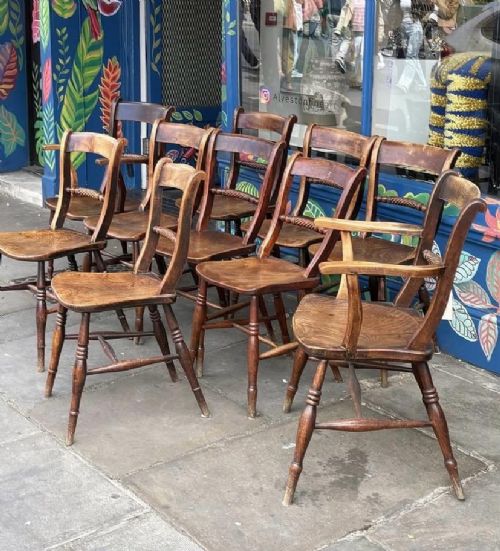
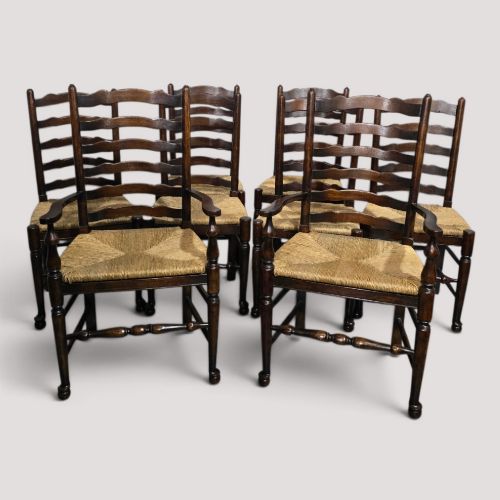
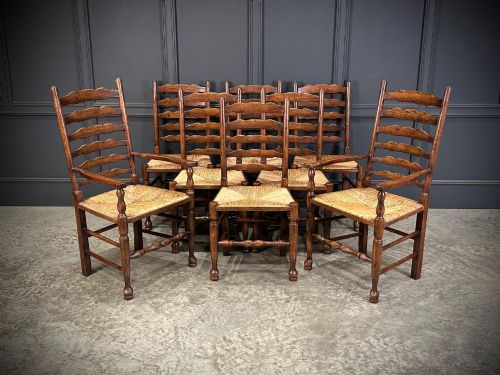
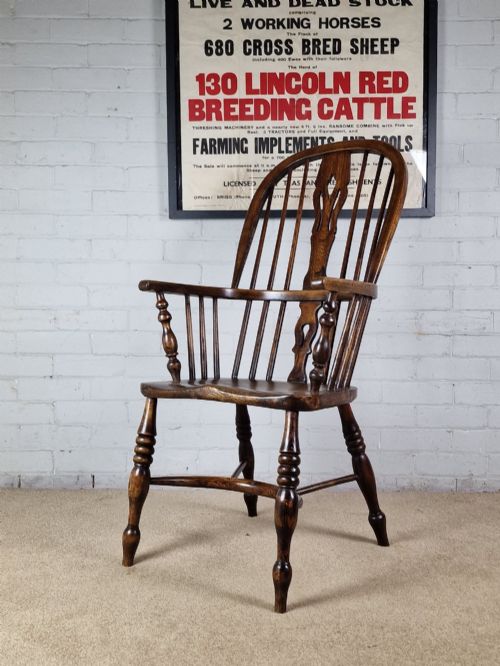
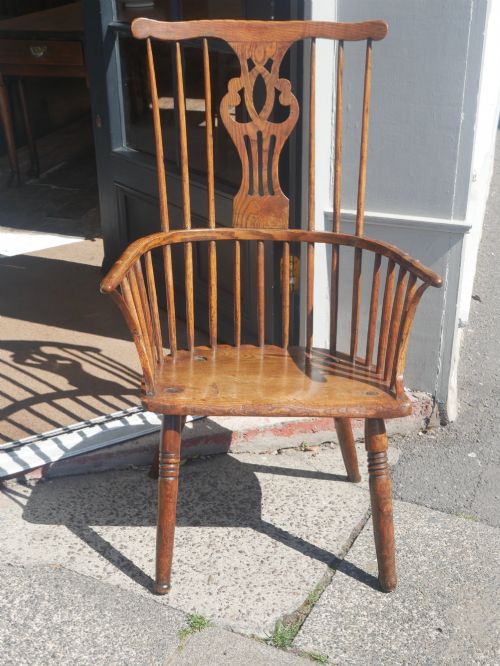
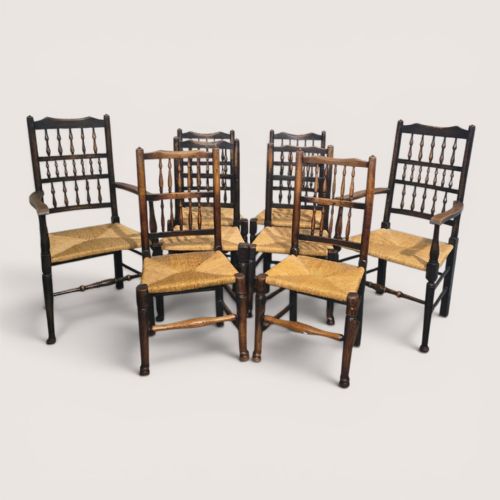
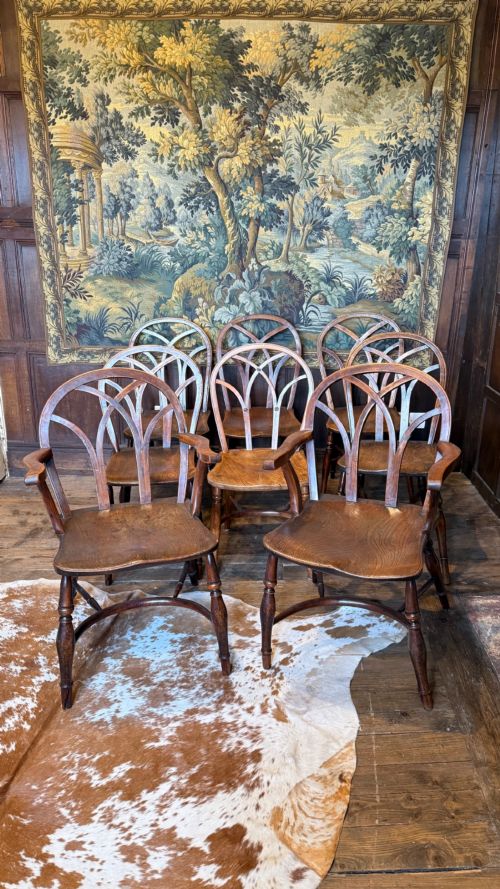
The versions most commonly met on this page include Windsor armchairs, ladder back dining chairs, and spindleback or stick back forms. Makers built them for everyday use in farmhouses and country houses, employing local woods suited to each part of the frame.
How they were made
Craftsmen built these chairs using solid timber, predominantly pairing oak for the heavy framework with elm for comfortable, resilient seats. Ash, beech, and yew also appear in spindle and steam-bent components, selected for their flexibility and tensile strength.
Joinery relied on traditional methods such as mortise and tenon joints, as well as turned spindles fitted into bored holes in saddle seats. Workshops often integrated rush or cane for woven seating surfaces, while others utilised plain wood boards.
Country Oak Carver Chair Retail Price Guide 2026
Typical asking prices for country oak carver chair among the pieces listed under this phrase on Sellingantiques today, from the lower quarter to the upper quarter. They describe what is for sale here now, not the wider market.
Some nineteenth-century Windsor chairs carry deep bottom impressions shaped by generations of sitters.
What varies in quality
Quality rests in the integrity of the timber selection and the retention of original surface finishes, whether polished oak or historic paint. Chairs that retain their original wedges, turned stretchers, and uncompromised joinery stand at the upper end of the scale.
Proportion and comfort also dictate value, as well as balanced regional characteristics such as comb backs or carved splats. Examples that form part of a matched set or retain distinct regional markers carry greater distinction.
The Country Oak Carver Chair Glossary
- Carver chair
- An armchair designed to match a set of dining chairs, typically featuring open arms and a wider seat. These pieces usually stood at the head and foot of a dining table.
- Windsor chair
- A chair built with a solid wooden seat into which the legs, back sticks, and bow are separately inserted. They often feature sculpted seats and bentwood backs.
- Ladder back
- A chair back constructed with horizontal arched slats between two upright posts. This traditional form was widely produced across rural British workshops.
- Rush seat
- A seating surface woven from dried marsh rushes around a wooden frame. It provides a flexible and durable platform for daily sitting.
- Spindle back
- A chair back composed of numerous thin, turned wooden rods arranged vertically. These slender members offer lighter support while maintaining frame strength.
Country Oak Carver Chair: Frequently Asked Questions
What is a country oak carver chair?
A country oak carver chair is a sturdy wooden armchair featuring open arms, built for practical use in domestic interiors. They combine structural durability with regional woodworking styles.
These pieces typically served as head chairs at dining tables or as comfortable seating beside fireplaces. Their design prioritised everyday utility over formal ornamentation.
How do I date a country oak chair?
Dating involves examining the timber grain, tool marks, joinery techniques, and overall wear patterns on the seat and legs. Earlier eighteenth-century examples often show hand-pit sawing and pegged joints.
Later Victorian and revival pieces manufactured around nineteen hundred incorporate machine-turned components and standardised dimensions. Comparing the style to known regional vernaculars helps narrow the period further.
Are these chairs comfortable for daily use?
Most country oak carvers provide surprisingly comfortable seating due to their ergonomically dished wooden saddle seats and raked backs. Their generous armrests offer proper support for dining or reading.
Adding a loose squab cushion can further enhance comfort for prolonged sitting. Their solid timber construction ensures they easily withstand regular daily use.
How should I care for antique oak?
Antique oak benefits from occasional applications of traditional beeswax to nourish the wood and maintain its natural lustre. Avoid placing chairs near direct heat sources or in fluctuating humidity.
Keep them out of direct sunlight to prevent the timber from drying out or fading. Gentle dusting with a dry cloth is sufficient for routine maintenance.