

Antique Oak Elbow Chair
An antique oak elbow chair brings substance and character to a room, offering a sturdy seat with armrests shaped by centuries of use.
What they are
An antique oak elbow chair is a seating form featuring integrated armrests, historically designed for the head of a household or for specific study and office tasks. These pieces range from early seventeenth-century vernacular wainscot forms to later Georgian country designs and Victorian office chairs.
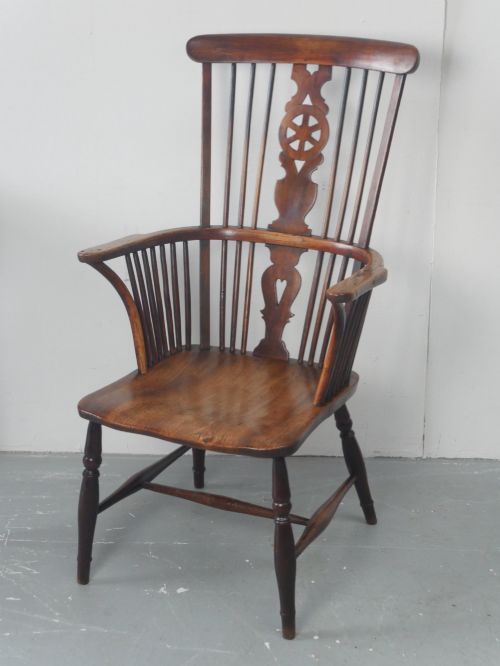
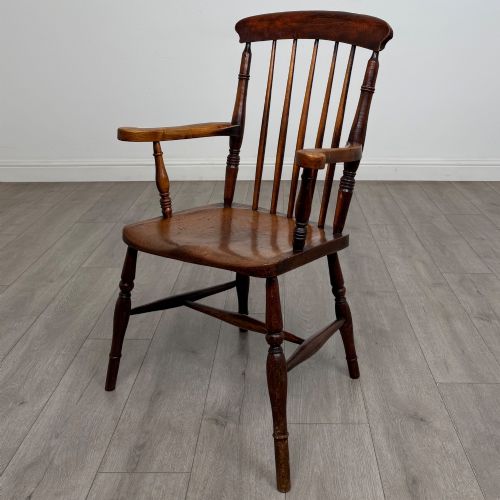
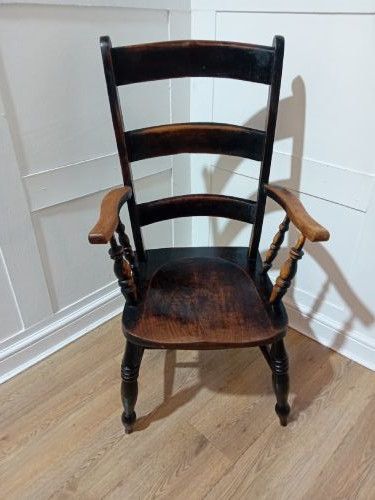
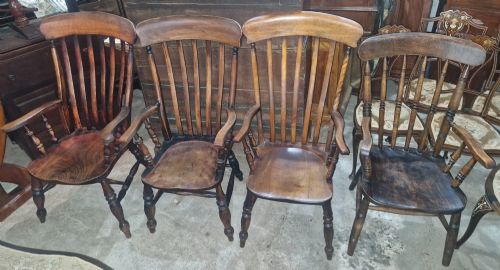
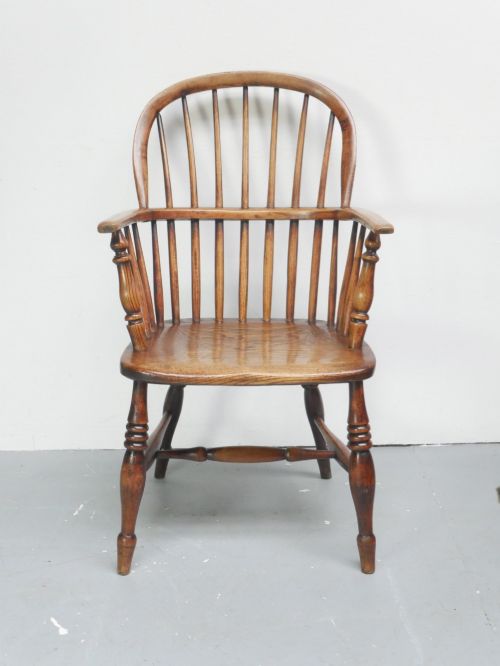
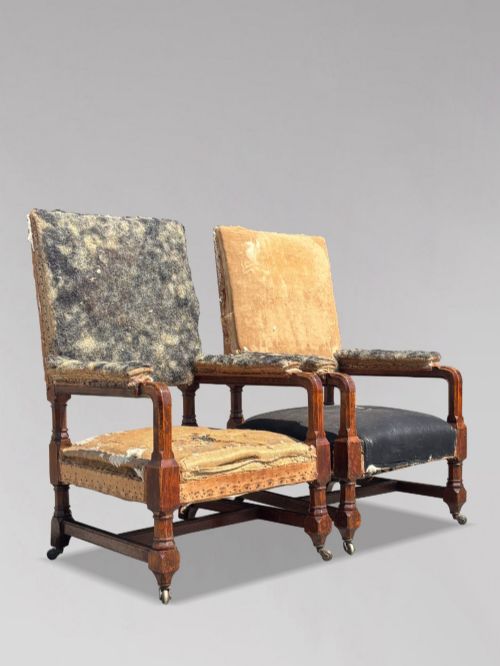
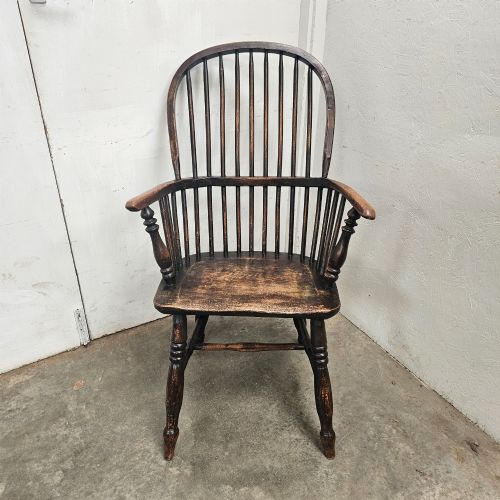
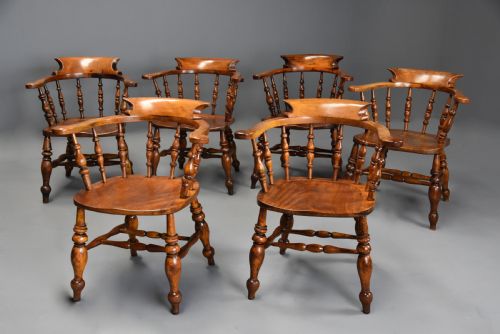
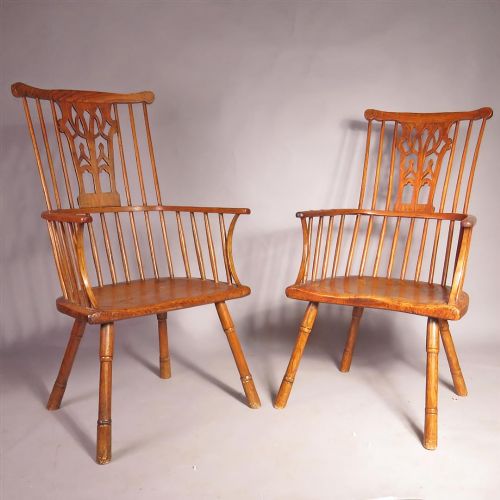
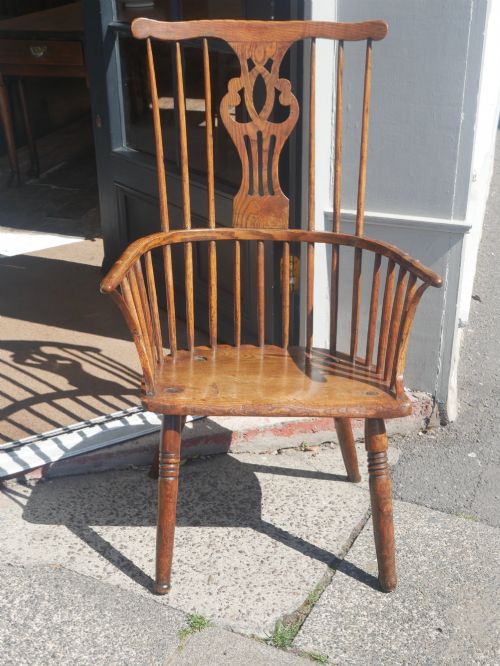
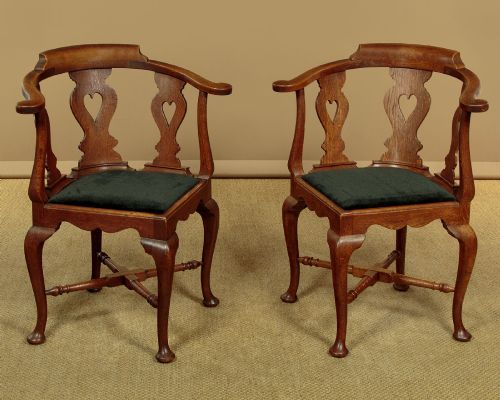
The versions most commonly met on this page include robust country armchairs, spindle-backed carvers, and later Edwardian or Victorian desk seats. They appear in regional variants such as Welsh and French provincial styles, utilising local woods alongside primary timbers.
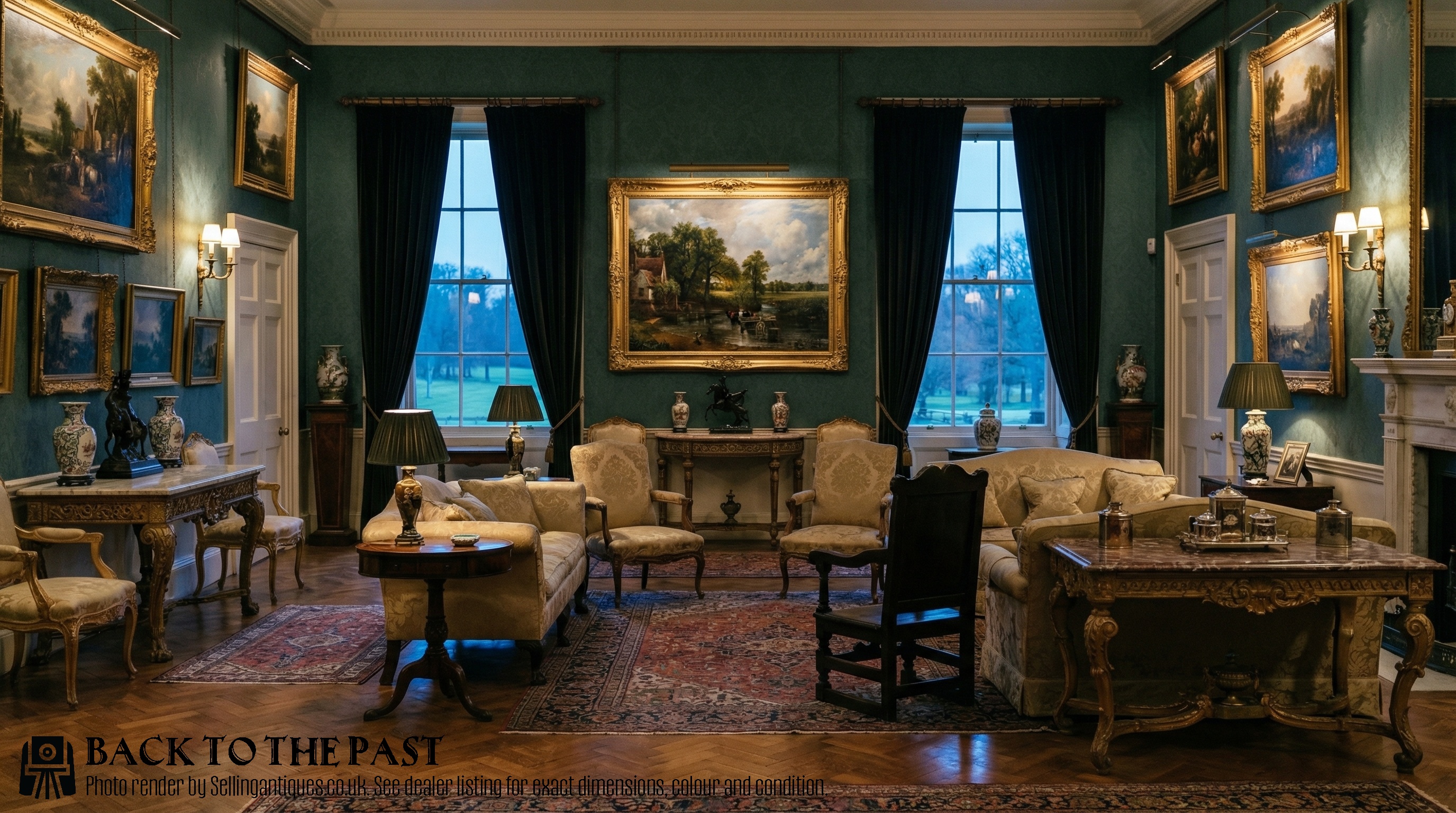
Buyers look for these armchairs to anchor a room with architectural timber and practical seating. Their versatility allows them to function as fireside seats, desk chairs, or hall carvers.
How they were made
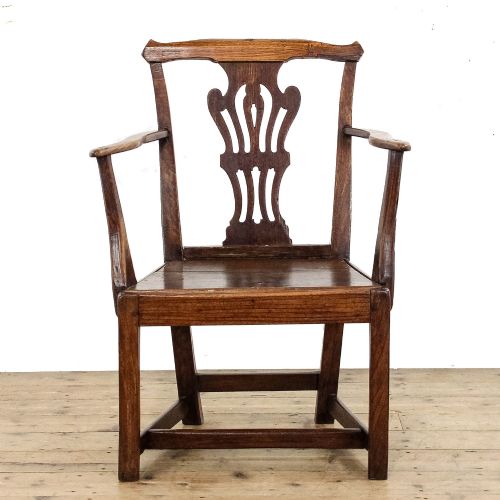
Joinery and turning form the foundation of these chairs, utilising durable hardwoods such as oak augmented by secondary timbers like ash, elm, fruitwood, and yew. Early examples rely on heavy joined frames, panelled backs, and pegged mortise-and-tenon construction.
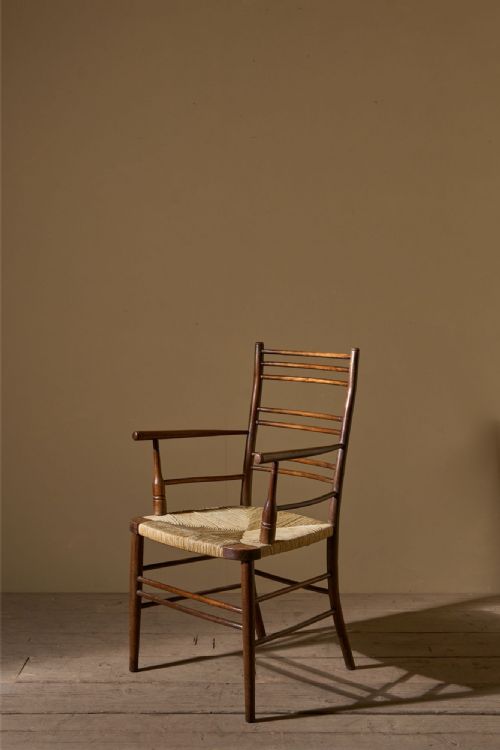
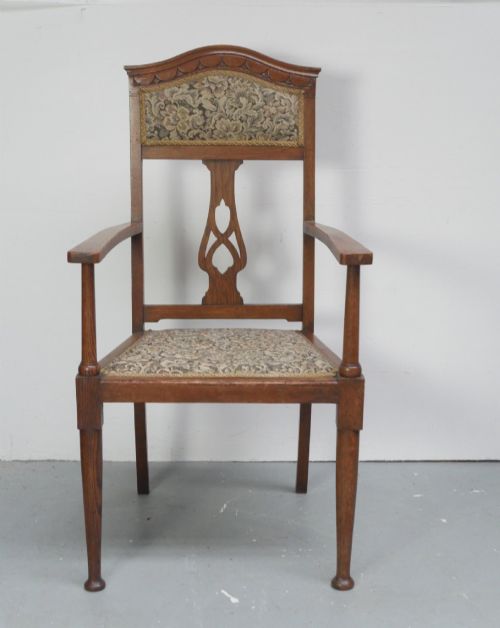
Later pieces incorporate bentwood techniques, spindle turning, and carved ornamentation reflecting Jacobean revival or Arts and Crafts movements. Upholstered variants integrate fabric, leather, needlepoint, or tapestry over webbing and stuffing.
Retail Price Guide 2026
Typical UK retail prices for oak elbow chair, calculated from the Sellingantiques database of over a million retail prices indexed since 2003. This retail price guide relies exclusively on Sellingantiques data; no external sources or auction records are used, so the figures do not describe the wider market.
Some seventeenth-century chairs feature secret under-seat compartments once used by prudent owners to hide small valuables from unexpected visitors.
What varies in quality
The distinction between ordinary and exceptional chairs rests in the integrity of the timber selection and the ambition of the original design. Master examples display dense grain patination, substantial proportions, and crisp hand-carving executed by skilled regional joiners.
Structural honesty and the preservation of original components separate superior pieces from heavily altered survivors. Better chairs maintain their original joined stability, untouched surface patination, and harmonious integration of secondary woods like yew or ash panels.
The Antique Oak Elbow Chair Glossary
- Elbow chair
- A seating piece equipped with armrests, historically used interchangeably with terms like carver, armchair, or desk chair. This designation covers both formal parlour seats and robust vernacular forms.
- Wainscot
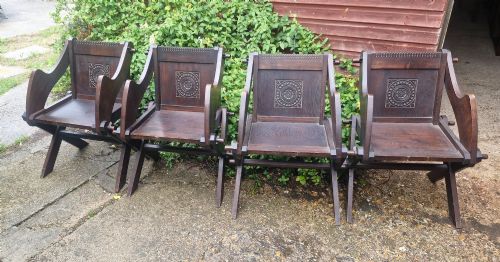
- A heavy wooden armchair constructed with panelled backs and solid wooden seats, typical of seventeenth-century domestic interiors. These form the architectural ancestors of later elbow seating.
- Carver
- A traditional term for an armchair designed to match a set of dining side chairs, usually placed at the head of the table. They share stylistic motifs with their smaller companion chairs.
- Spindle back
- A chair construction method utilising numerous thin turned wooden rods to form an open backrest. This technique provides lighter visual weight while maintaining structural strength.
- Comb back
- A Windsor chair variation where the vertical spindles of the seat back extend up to a horizontal top rail resembling a hair comb. This regional design offers ergonomic support through steam-bent components.
Frequently Asked Questions
Where were antique oak elbow chairs used?
These armchairs served primarily in studies, libraries, dining rooms, and main halls of period houses. Their sturdy construction made them suitable for everyday domestic tasks.
Heavier wainscot and panelled examples occupied positions of authority near the hearth, while later nineteenth-century variations adapted the form specifically for office desks and drawing rooms.
How do I date an oak elbow chair?
Dating relies on examining construction methods, timber patination, and stylistic vernacular markers. Seventeenth-century examples typically display hand-pegged joints, heavy panelled backs, and solid board seats.
Eighteenth and nineteenth-century pieces introduce refined turning, regional variations like Welsh yew panels, and later industrial or revival influences such as bentwood or leather upholstery.
What is the difference between a carver and an elbow chair?
The terms largely overlap in antique furniture terminology, though 'carver' often implies a dining chair with arms designed to match a set of side chairs. 'Elbow chair' acts as a broader descriptor for any seat fitted with armrests.
Both forms served similar domestic functions across different centuries, ranging from formal Georgian dining settings to sturdy country sitting rooms.
Are these chairs comfortable for daily use?
Many period elbow chairs provide surprisingly supportive seating due to their ergonomic wooden contours and supportive armrests. Solid timber seats and spindle backs encourage upright posture.
Upholstered variants, leather desk seats, and padded elbow chairs offer softer support, making them well-suited for modern home office environments or reading corners.