


Antique Oak Hall Chair
An antique oak hall chair brings architectural presence and sturdy utility to an entryway, offering a striking focal point with deep historical roots.
Antique Oak Hall Chair
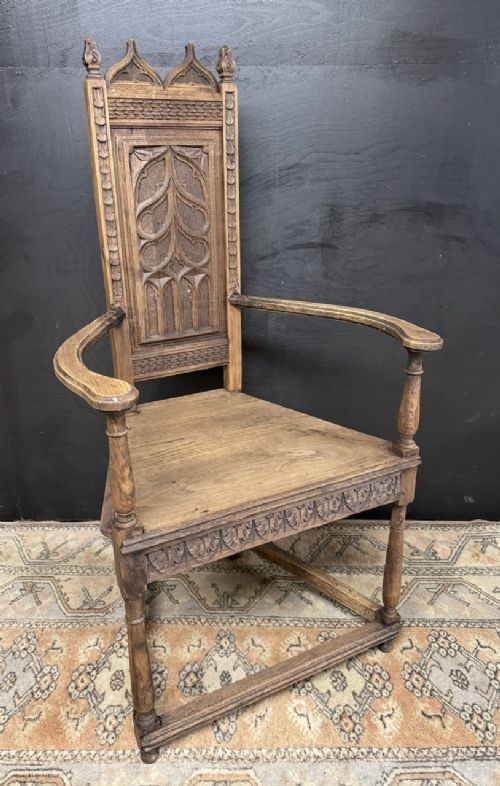
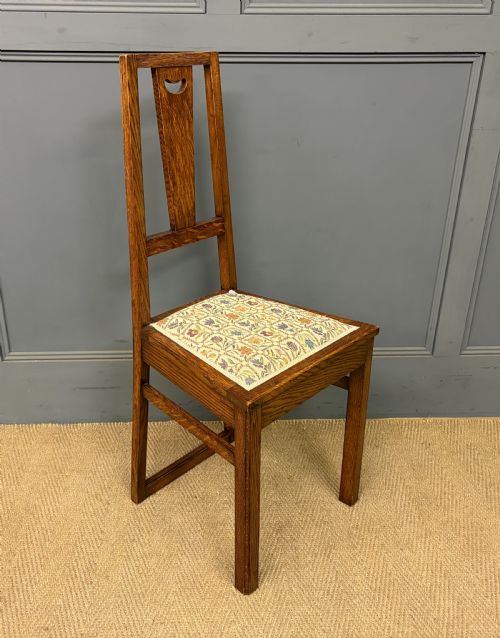
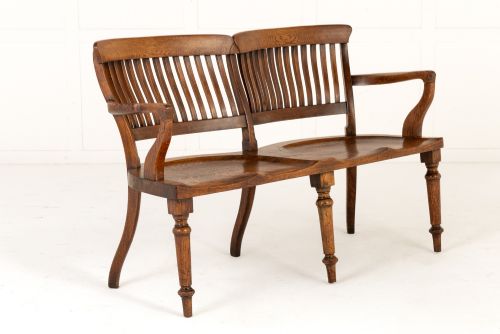
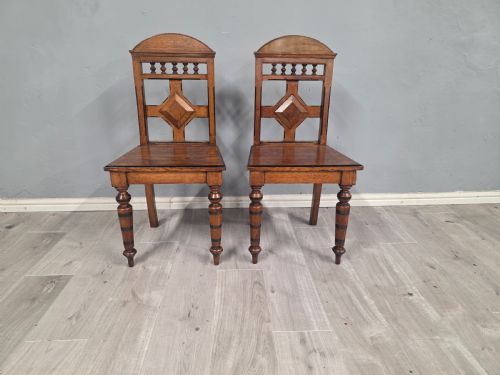
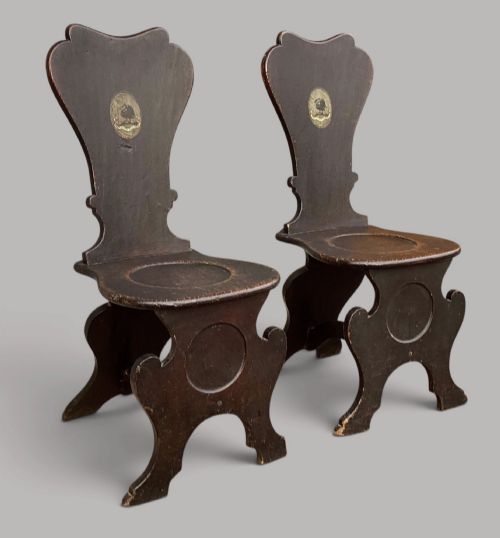
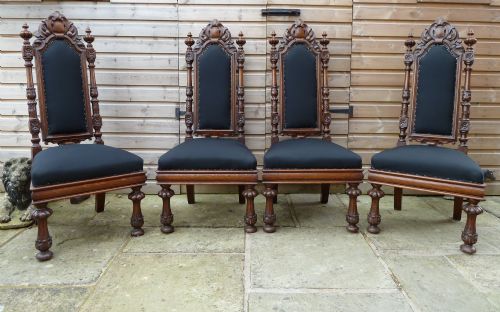
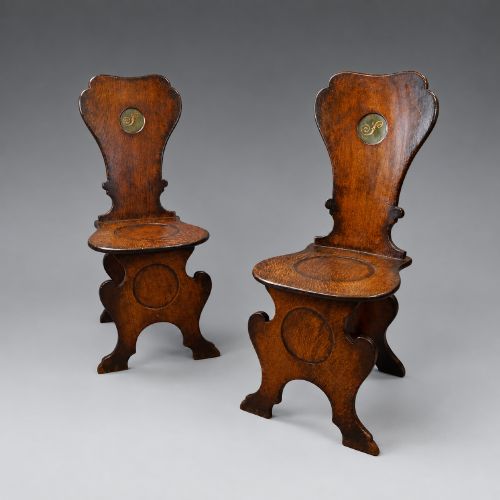
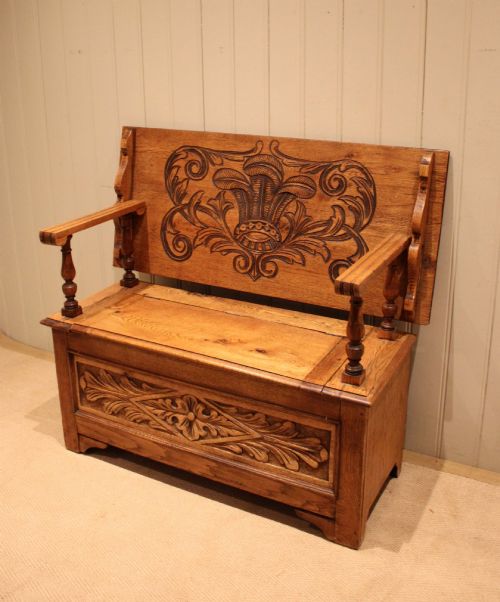
When you search for an antique oak hall chair, you encounter a robust seating form traditionally placed in entrance halls, corridors, and reception rooms. These pieces range from upright side chairs and armchairs to settles, benches, and architectural throne seats designed to make an immediate impression on visitors.
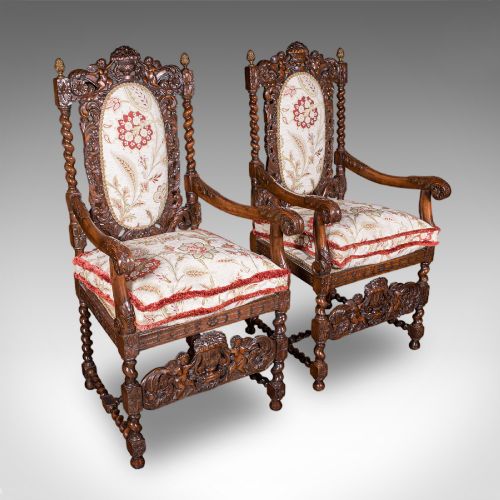
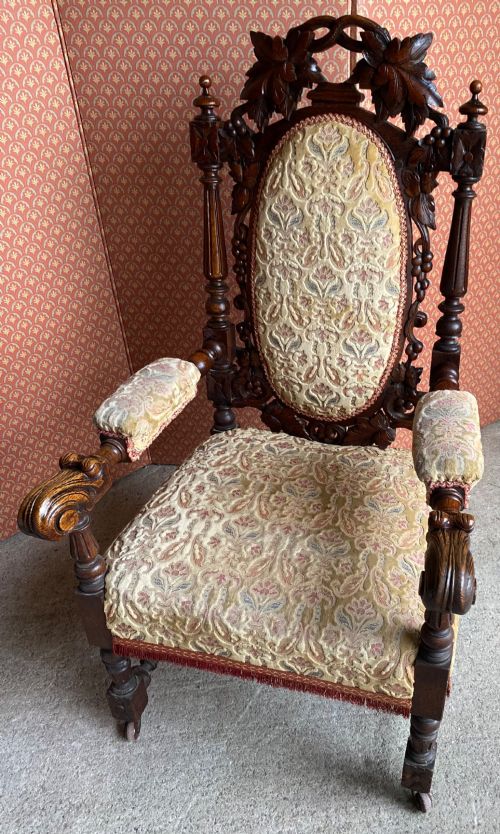
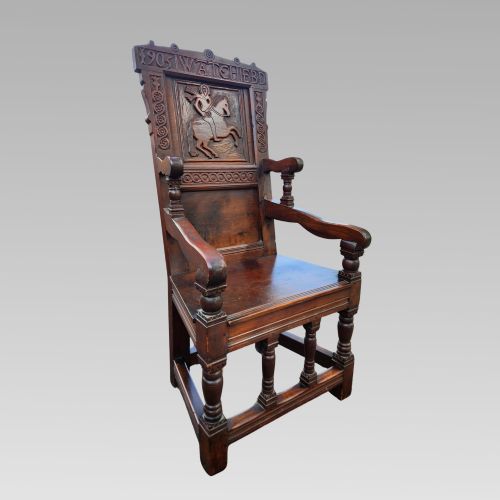
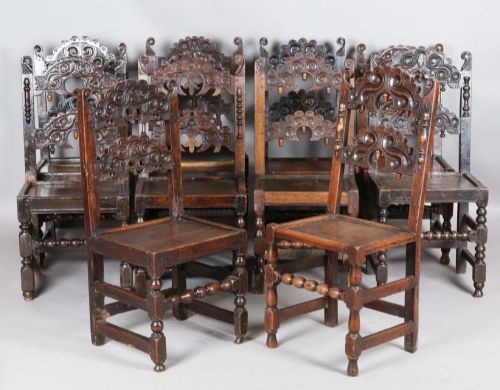
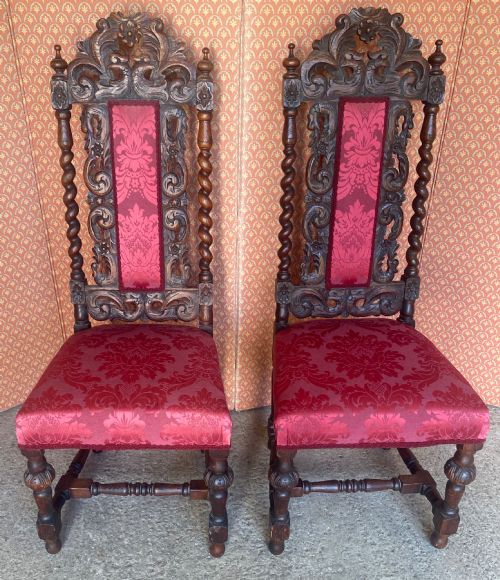
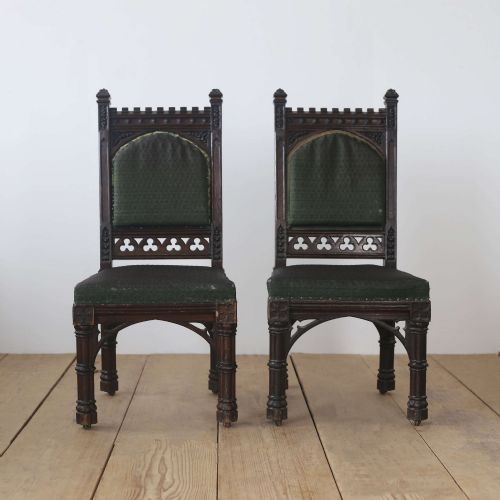
The selections available span multiple centuries and stylistic revivals, capturing eras from seventeenth-century joined construction to nineteenth-century Gothic and Jacobean revivals. You frequently meet pieces featuring solid timber panels, carved heraldic shields, and high backs intended to project status and heritage.
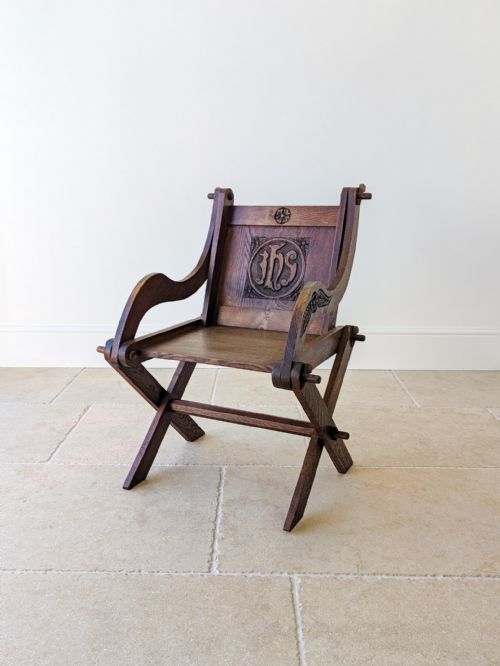
Makers often drew inspiration from earlier periods, producing nineteenth-century interpretations that emulate seventeenth-century wainscot designs or medieval ecclesiastical furnishings. Whether you find a pair of slender shield-back seats or a heavy carved elbow chair, the overarching purpose remains structural presence combined with practical utility.
Factors That Distinguish Quality
Quality rests upon the crispness and depth of the hand carving, where deeply undercut details and well-defined heraldic motifs demonstrate superior craftsmanship. The choice of timber also plays a role, with dense, evenly figured oak displaying better long-term stability and richer patination.
Structural integrity defines the upper tier of pieces, visible in tight joints, original pegged construction, and minimal replacement of timber over the centuries. Chairs that retain their original finish and authentic surface wear command greater appreciation than heavily restored or clumsily altered examples.
Antique Oak Hall Chair Retail Price Guide 2026
Typical asking prices for oak hall chair among the pieces listed under this phrase on Sellingantiques today, from the lower quarter to the upper quarter. They describe what is for sale here now, not the wider market.
Listings feature oak combined with velvet, leather, and brass, spanning styles from seventeenth-century Jacobean to nineteenth-century Gothic Revival.
Bruce Talbert·Gillows
The Antique Oak Hall Chair Glossary
- Wainscot chair
- A heavy wooden armchair constructed with paneled backrests and solid timber seats, prevalent in seventeenth-century domestic interiors.
- Gothic Revival
- An architectural and decorative style popular during the nineteenth century that utilises pointed arches, trefoil motifs, and medieval ecclesiastical forms.
- Bobbin turning
- A form of furniture leg or stretcher produced on a lathe to resemble a series of wooden bobbins or spools strung together.
- Settle
- A wooden bench featuring a high solid back to block drafts, often equipped with storage beneath a lift-up seat.
- Shield back
- A chair back design shaped in the form of a heraldic shield, frequently embellished with carved crests or familial armorials.
Antique Oak Hall Chair: Frequently Asked Questions
How do I distinguish seventeenth-century pieces from nineteenth-century revivals?
Seventeenth-century examples display authentic tool marks, pegged joinery showing structural shrinkage, and deep patination accumulated through generations of handling. The wood often exhibits the distinct unevenness characteristic of early hand-cleaved timber.
Nineteenth-century revival pieces usually present more uniform machine-sawn components, crisper standardised carving, and hardware styles specific to the Victorian or Edwardian eras.
Are these chairs comfortable for daily sitting?
Most hall pieces were built for architectural effect and upright posture rather than relaxed lounging. The rigid wooden seats and straight, high backs encourage an erect seating position suited for brief use.
Certain examples softened this firmness with upholstered pads, velvet inserts, or loose cushions, though the primary design intent remained decorative and formal.
How do I care for antique oak furniture?
Maintain the timber by keeping pieces away from direct heat sources and sudden humidity changes that cause wood to split or warp. Regular dusting with a soft, dry cloth preserves the historic surface without stripping the accumulated wax and patina.
Applying a quality beeswax periodically helps nourish the dry oak and protects the finish from moisture marks.