
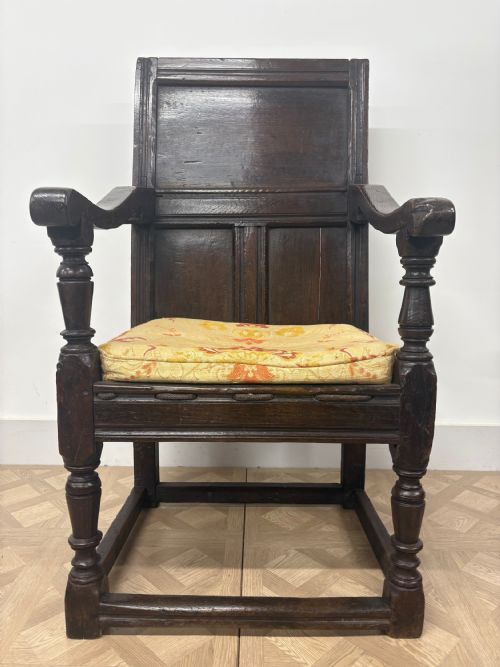
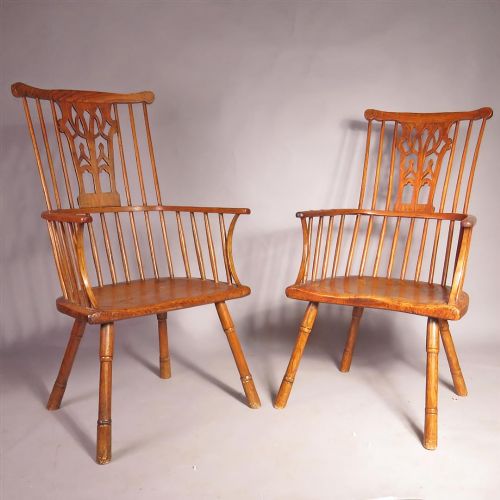
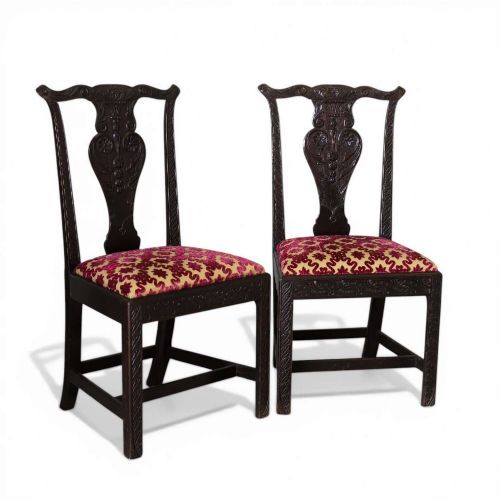
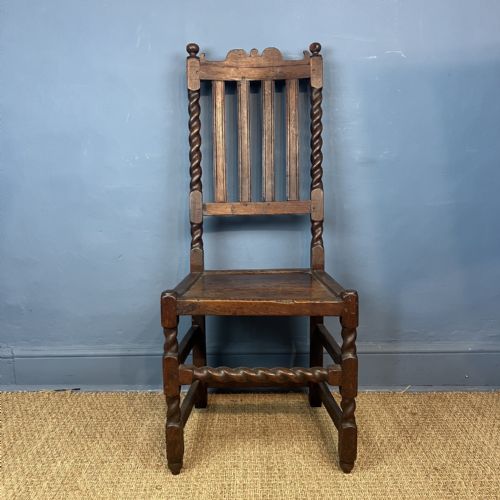
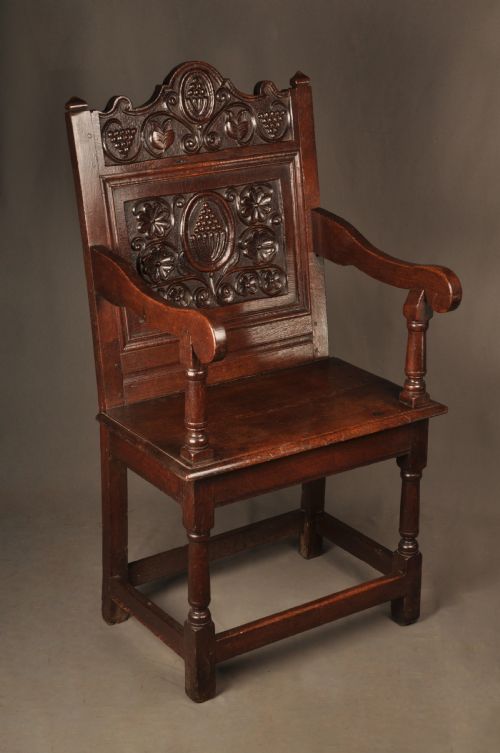
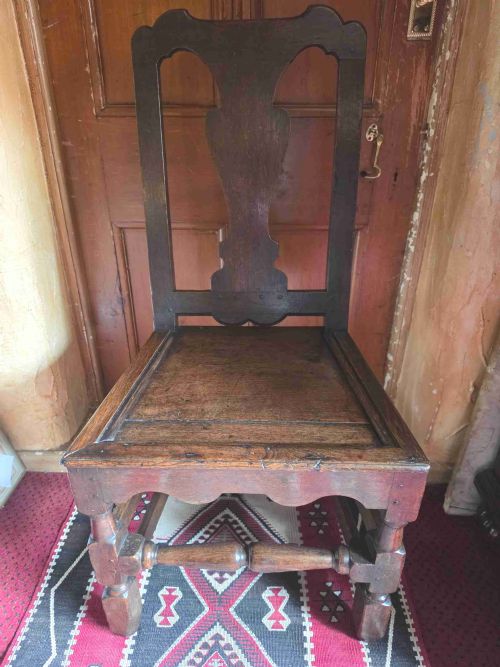


Period Oak Accent Chair
A period oak accent chair anchors a room with centuries of honest timber, sturdy joinery and regional character.
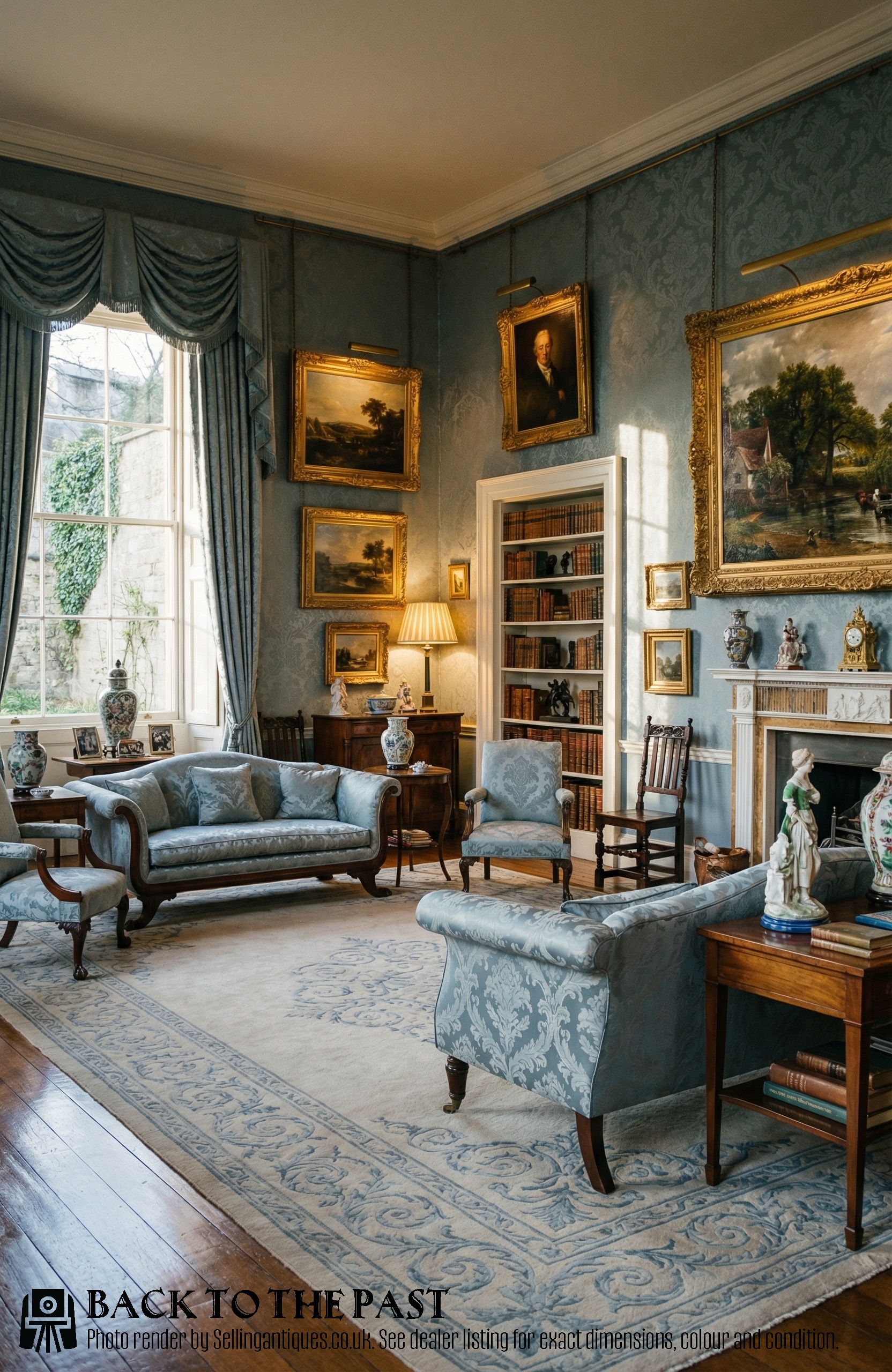
Period Oak Accent Chair
The selection ranges from high back chairs and backstools to carved side chairs and robust carver armchairs. Seventeenth-century joined furniture dominates the offerings alongside Georgian country pieces and later nineteenth-century interpretations.
Materials and construction methods
Construction relies heavily on solid oak joined with traditional pegged mortise and tenon joints designed to endure generations of daily use. Secondary timbers such as ash, elm, yew, and walnut appear alongside the primary oak framework.
Upholstery varies from bare timber panels to textiles including modern velvet and traditional fabric coverings. Carving and turned members define the ornamentation across regional styles.
Early joiners occasionally reused scrap timber, leaving mysterious hidden mortise holes that puzzle modern collectors.
Assessing quality in early seating
Quality rests upon the integrity of the original timber framing, the crispness of hand-carved details, and the survival of early surfaces. Chairs retaining their original joined construction without excessive timber replacement command greater respect.
Proportion and regional distinctiveness elevate certain examples, separating standard utilitarian seating from pieces displaying sophisticated vernacular design.
The Period Oak Accent Chair Glossary
- Wainscot armchair
- A heavy wooden armchair with a paneled back, solid wooden seat, and turned legs, typical of the seventeenth century.
- Backstool
- An early term for a side chair without arms, usually featuring a high vertical back.
- Comb back Windsor
- A Windsor chair variant featuring an extended comb piece topping the vertical spindles of the backrest.
- Joined chair
- Furniture constructed using mortise and tenon joints secured with wooden pegs rather than metal fasteners.
Period Oak Accent Chair: Frequently Asked Questions
How do I identify a seventeenth century chair?
Seventeenth century chairs typically display heavy joined oak construction, paneled backs, and linear turned supports without upholstery.
Surface patination and tool marks from hand working provide further indicators of early manufacture.
Where were regional oak chairs made?
Regional pieces originate from specific areas such as South Yorkshire, Derbyshire, Wales, and Lancashire, each bearing local stylistic traits.
Local workshops adapted prevailing national fashions to suit the materials and preferences of their districts.
How should I care for antique oak furniture?
Maintain stable indoor humidity levels and keep antique oak away from direct heat sources to prevent timber splitting.
Apply traditional wax sparingly to nourish the dry wood and preserve the surface finish.