



Carved Crest Rail Chair
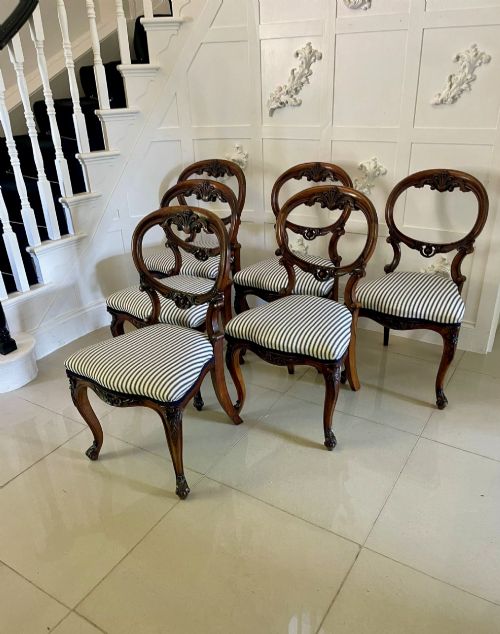
A carved crest rail chair brings solid timberwork and historical character straight into a room.
What these chairs are
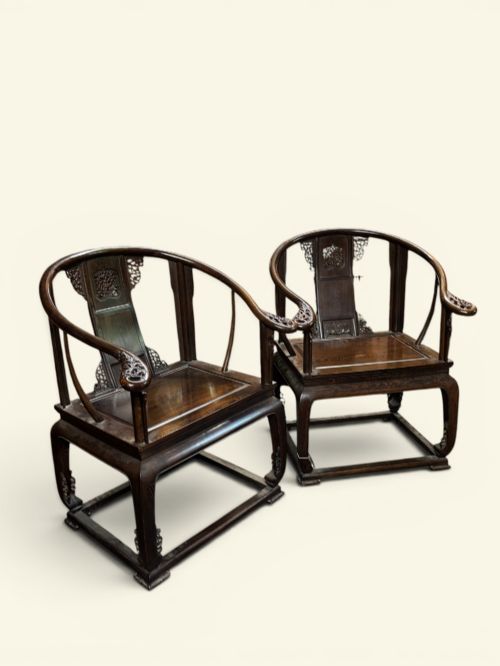
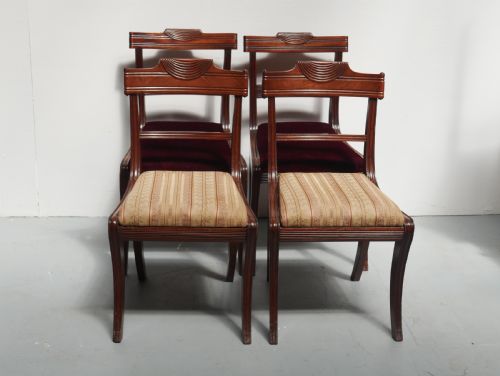
A carved crest rail chair encompasses seating defined by an ornamented top rail, spanning periods from the seventeenth century through to the twentieth century.
The selections encountered here range from joined oak back stools and country chairs to mahogany carvers, walnut folding campaign chairs, and Victorian Old Saxon turned armchairs.
Makers produced these forms as side chairs, armchairs, accent chairs, and low salon nursing chairs, drawing on Jacobean, Georgian, Victorian, and Chippendale styles.

How they were made
Carpenters and joiners worked with native hardwoods such as oak, mahogany, walnut, and chestnut, shaping structural elements with traditional hand tools.
Decoration involved pierced carving on crest rails, alongside fluting, bone button embellishments, and turned spindles.
Upholstery utilised fabric and tapestry textiles, secured in some instances with brass details.
Retail Price Guide 2026
Typical UK retail prices for carved crest rail chair, calculated from the Sellingantiques database of over a million retail prices indexed since 2003. This retail price guide relies exclusively on Sellingantiques data; no external sources or auction records are used, so the figures do not describe the wider market.
Materials across these listings include oak, mahogany, walnut, bone, and textile upholstery.
What varies in quality
Quality rests upon the depth and crispness of the hand carving along the crest rail, distinguishing assertive artistic intent from mechanical execution.
The choice and conservation of primary hardwoods, from figured walnut to dense joined oak, dictate the structural integrity and tactile presence of the piece.
The Carved Crest Rail Chair Glossary
- Crest rail
- The top horizontal member of a chair back, frequently decorated with carving. This component anchors the visual weight of the seating design.
- Joined oak
- Furniture construction utilising mortise and tenon joints locked with wooden pegs rather than metal nails. This method defines seventeenth-century craftsmanship.
- Back stool
- An early form of seating without arms, essentially an upholstered or wooden stool fitted with a vertical back. They served domestic functions in seventeenth-century interiors.
- Turner's chair
- A sturdy seat constructed entirely from turned wooden spindles and members, often associated with Old Saxon or vernacular English traditions.
Frequently Asked Questions
What periods do these chairs cover?
The available selection spans from the seventeenth century through Georgian and Victorian eras up to nineteen hundred.
Specific examples include joined oak pieces from the sixteen hundreds and nineteenth-century revival interpretations.
Which woods are most common?
Oak and mahogany appear frequently across the inventory, accompanied by walnut and chestnut.
These timbers reflect the regional workshops and stylistic periods of each piece.
How were these chairs upholstered?
Upholstered variants feature fabric and tapestry coverings, sometimes accented with brass elements or bone buttons.
Many earlier examples survive as plain timber without soft coverings.
What styles can I expect to find?
Styles range from Jacobean and Chippendale to Victorian Gothic Revival and Saxon Revival.
Each style dictates the turning patterns and crest rail ornamentation.