


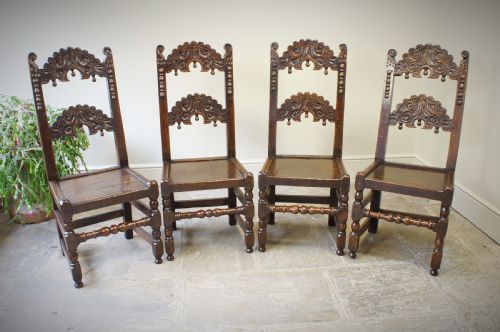


Dark Oak Backstool
A dark oak backstool delivers low-backed, sturdy seating rooted in seventeenth-century domestic life.
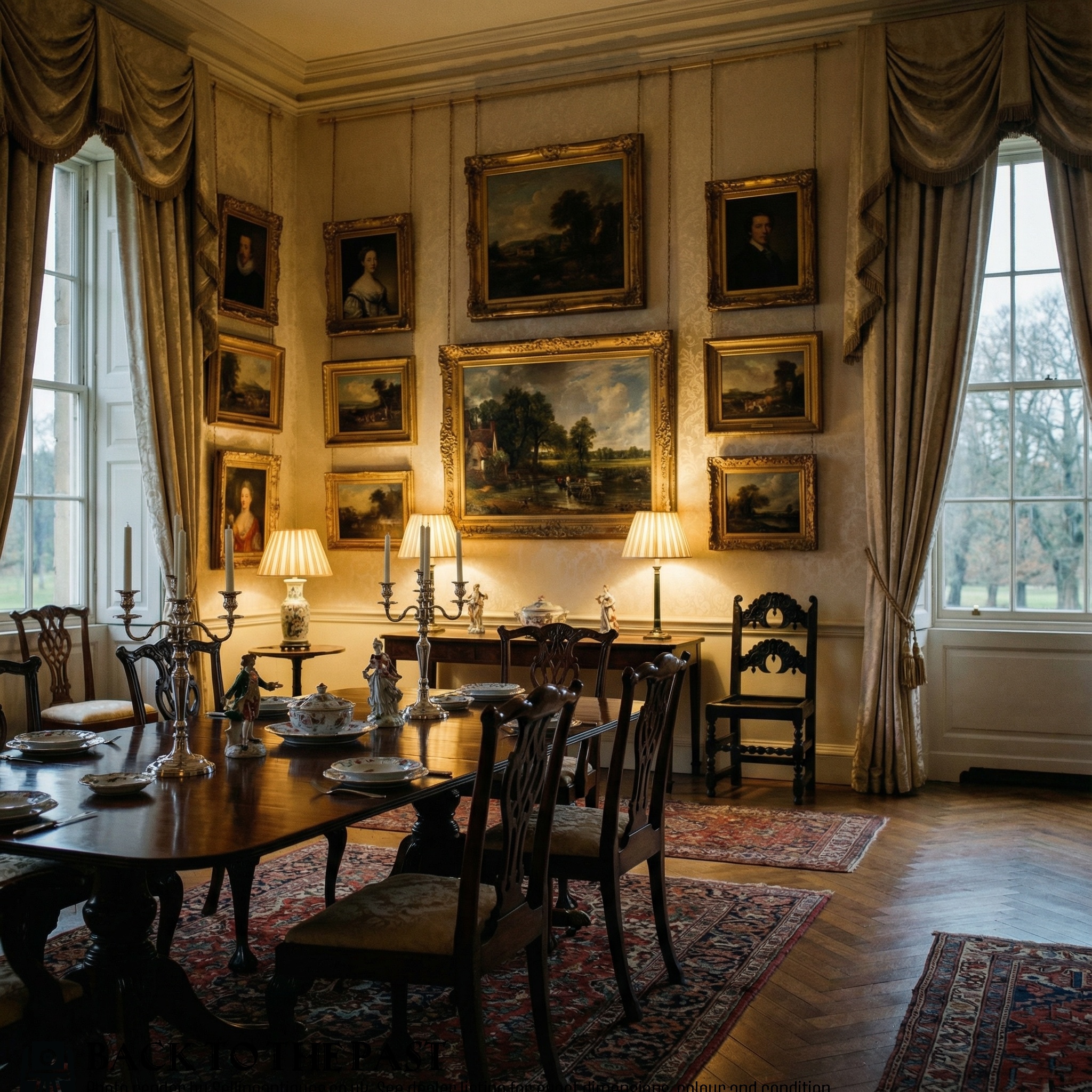
Dark Oak Backstool
A dark oak backstool is a single seat built without arms, primarily originating from the seventeenth century with occasional Georgian survivals. These early forms include regional variants from Yorkshire, South Yorkshire, Lancashire, and North Wales.
Buyers encountering this page will mostly meet seventeenth-century pieces, which double as side chairs and dining chairs. Regional vernacular styles strongly influence the carved decoration and proportions across these examples.
Materials and construction
Makers utilised solid oak joined with traditional framing techniques to create rigid structures capable of daily use. Some variants incorporate brass elements or tapestry upholstery to soften the seat.
Carved details appear directly on the timber framework, particularly on the back rails of Yorkshire and Welsh pieces.
The listings on this site span the seventeenth century and the Georgian period, utilising oak, tapestry upholstery, and brass.
Assessing quality
Quality rests in the crispness of the original timber carving and the integrity of the joined construction. Regional attribution, such as distinct South Yorkshire or Conwy Valley forms, elevates a piece.
The survival of early upholstery or untouched patination on the oak sets finer examples apart from heavily altered survivals.
The Dark Oak Backstool Glossary
- Backstool
- An early term for a chair without arms, distinguished from a heavier armchair. It provided versatile seating in seventeenth-century rooms.
- Joined oak
- Timber construction dependent on mortise and tenon joints secured with wooden pegs rather than metal nails. This method defined seventeenth-century cabinet making.
- Jacobean
- A design style spanning the late sixteenth and seventeenth centuries, characterised by geometric carving and sturdy proportions. It frequently appears in oak furniture.
- Vernacular
- Regional domestic architecture and furniture shaped by local traditions and available materials rather than metropolitan fashions. Welsh and Yorkshire examples embody this approach.
Dark Oak Backstool: Frequently Asked Questions
What is a dark oak backstool?
A dark oak backstool is a seventeenth-century armless chair designed for domestic use. These pieces often feature joined construction and regional carved decoration.
They served as versatile seating around dining tables or against chamber walls in early homes.
How were these chairs used?
These chairs functioned primarily as movable seating in halls and parlours. Their sturdy frames accommodated daily domestic life.
Without arms, they easily tucked beneath tables or alongside chest furniture.
Where do regional styles originate?
Regional styles stem from local cabinet-making traditions in areas like Yorkshire, Lancashire, and North Wales. Makers in these localities applied distinct carving patterns to the oak.
South Yorkshire workshops produced recognisable backstools with specific rail designs.
How do seventeenth-century pieces differ from Georgian ones?
Seventeenth-century pieces display heavier joined oak construction and characteristic period carving. Georgian examples, such as those from around seventeen-forty, reflect evolving eighteenth-century domestic tastes.
Construction details and proportions shift subtly between these eras.