


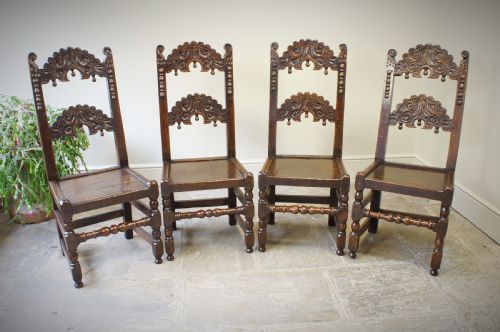


17th Century Backstool
These 17th century backstool examples offer sturdy early seating with low backs, bringing rugged historic character directly to your interior.
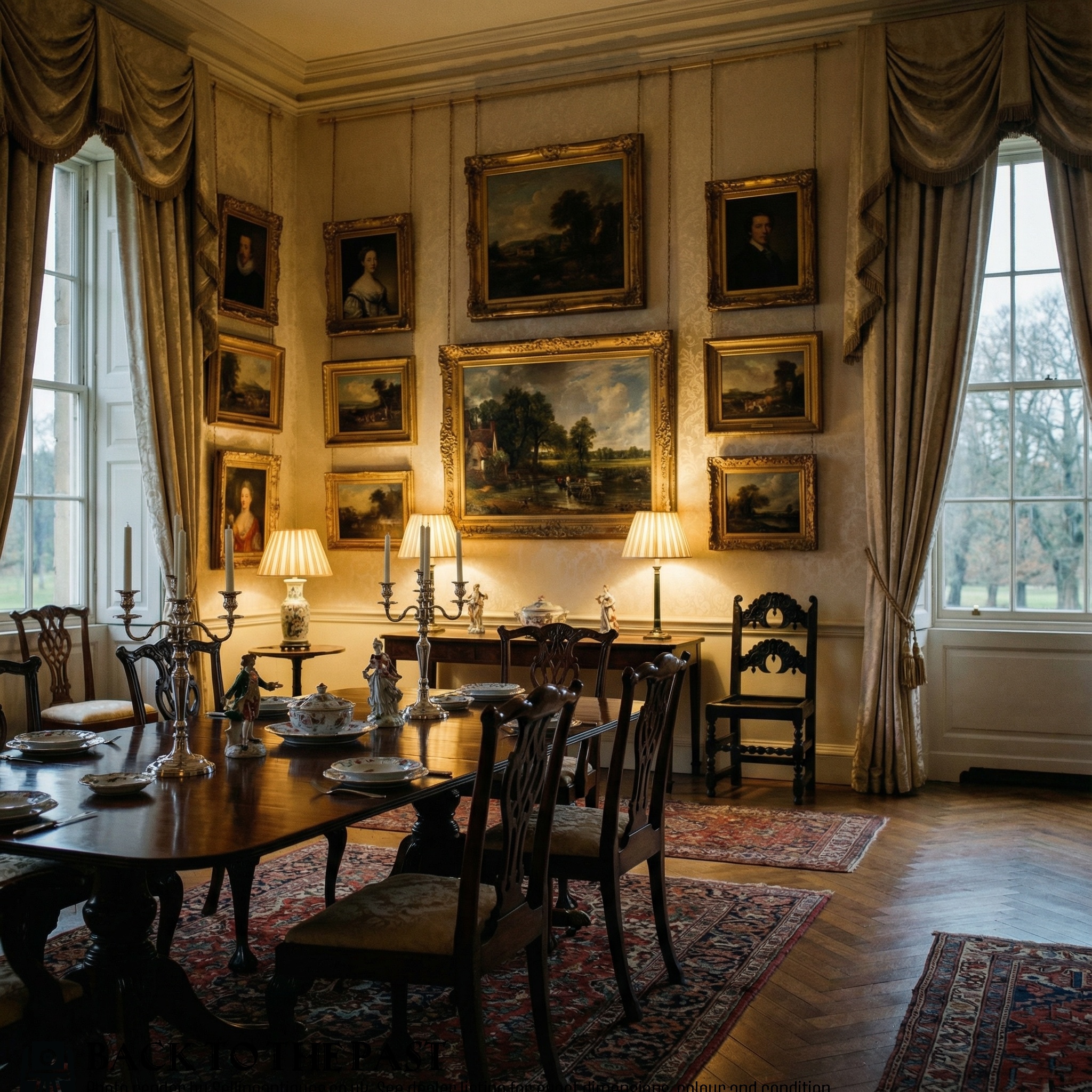
17th Century Backstool
When you search for a 17th century backstool, you are looking at early forms of seating designed without arms, primarily constructed from solid timber during the seventeenth century. These domestic items function as side chairs or dining chairs, reflecting the heavy vernacular style of their period.
The versions you are most likely to meet on this page hail from regional British traditions, particularly South Yorkshire, North Wales, and Lancashire. They survive predominantly in joined oak, occasionally featuring carved decoration on the low backrest or upholstered elements.
Regional variations define much of what appears here, with Yorkshire and Lancashire pieces showing distinct structural details compared to Welsh or general South Yorkshire examples. Each survivor offers a tangible link to seventeenth-century domestic life through its robust frame and simple form.
How they were made
The construction of a 17th century backstool relies heavily on joined oak timber, assembled using traditional mortise and tenon joints secured with wooden pegs. This joinery technique creates a rigid, durable framework capable of withstanding centuries of daily use.
Surface ornamentation on these chairs typically involves hand carving, adding geometric patterns or floral motifs to the wooden back panels. Where upholstery is present, tapestry materials are affixed to the seat or back using brass tacks.
Listings feature oak as the primary material, alongside tapestry upholstery and brass details from the seventeenth century.
What varies in quality
The degree of original surface preservation and timber patination sets individual examples apart, as centuries of handling create distinct tones on the oak. Pieces retaining their early carved detailing and unblemished joinery demonstrate superior craftsmanship from the period.
Structural integrity also distinguishes the range, with chairs maintaining their original pegged joints and unreplaced timber holding greater historical cohesion. Regional idiosyncrasies in the carving and turning further separate standard vernacular output from more ambitious local workshops.
The 17th Century Backstool Glossary
- Backstool
- An early seventeenth-century term for a chair without arms, featuring a low back. This designation distinguishes them from larger armchairs of the same era.
- Joined oak
- Furniture constructed using mortise and tenon joints locked with wooden pegs rather than metal nails. This method defines the sturdy structural skeleton of seventeenth-century seating.
- Jacobean
- A stylistic period spanning the reign of James I and influencing design well into the seventeenth century. It is characterised by heavy proportions and formal carved ornamentation.
- Vernacular
- Everyday domestic objects made by regional craftsmen following local traditions rather than court fashions. These pieces display practical construction tailored to specific localities like Yorkshire or Lancashire.
- Tapestry upholstery
- Woven textile material applied to chair frames for added comfort. Surviving examples incorporate hand-worked fabrics secured with brass fixings.
17th Century Backstool: Frequently Asked Questions
What is a 17th century backstool?
A 17th century backstool is an early form of single chair or side chair characterised by the absence of armrests and a relatively low wooden back. These sturdy seats were common in seventeenth-century households for dining and general domestic use.
They stand apart from contemporary armchairs through their compact footprint and simpler construction, relying on joined timber frames to support daily activity.
How were these chairs used historically?
Historically, a backstool served as movable seating around the dining table or alongside walls in important rooms. Because armless chairs were easier to tuck away and allowed more freedom of movement, they formed the backbone of household seating.
Their robust oak frames meant they could be moved frequently between chambers, kitchens, and halls as domestic needs dictated throughout the seventeenth century.
How do I live with a backstool?
Living with a 17th century backstool involves placing it where humidity and temperature remain relatively stable to protect the historic oak timber. Using them as accent chairs in hallways or studies allows you to appreciate their sculptural form without subjecting them to heavy daily wear.
Pairing these chairs with compatible vernacular tables helps maintain a cohesive historic aesthetic within a modern interior setting.
How do I tell regional styles apart?
Telling regional styles apart involves examining the specific carving motifs, turning styles, and structural proportions unique to areas like Yorkshire, Lancashire, or North Wales. Local workshops often repeated particular geometric or floral patterns on the back panels.
Comparing the layout of the stretchers and the profile of the upright posts reveals subtle shifts in vernacular construction methods across different British counties.