

Antique Oak Accent Chair
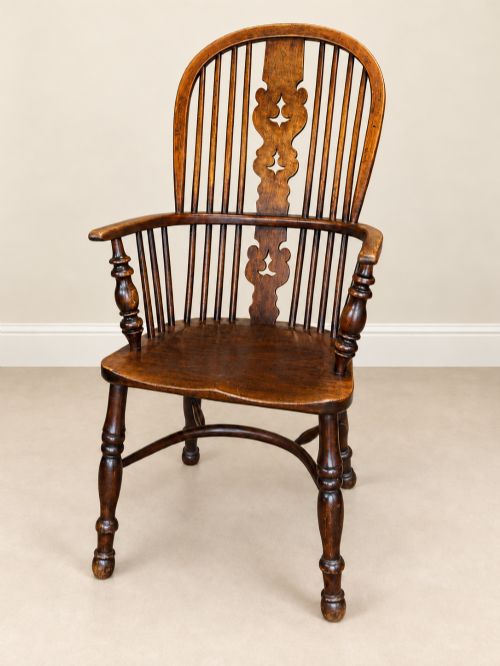
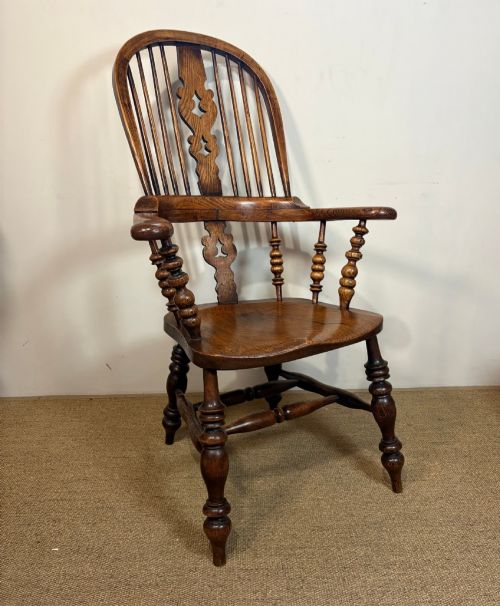
These antique oak accent chairs bring tactile presence and storied craft into a room, offering both sculptural weight and utility.
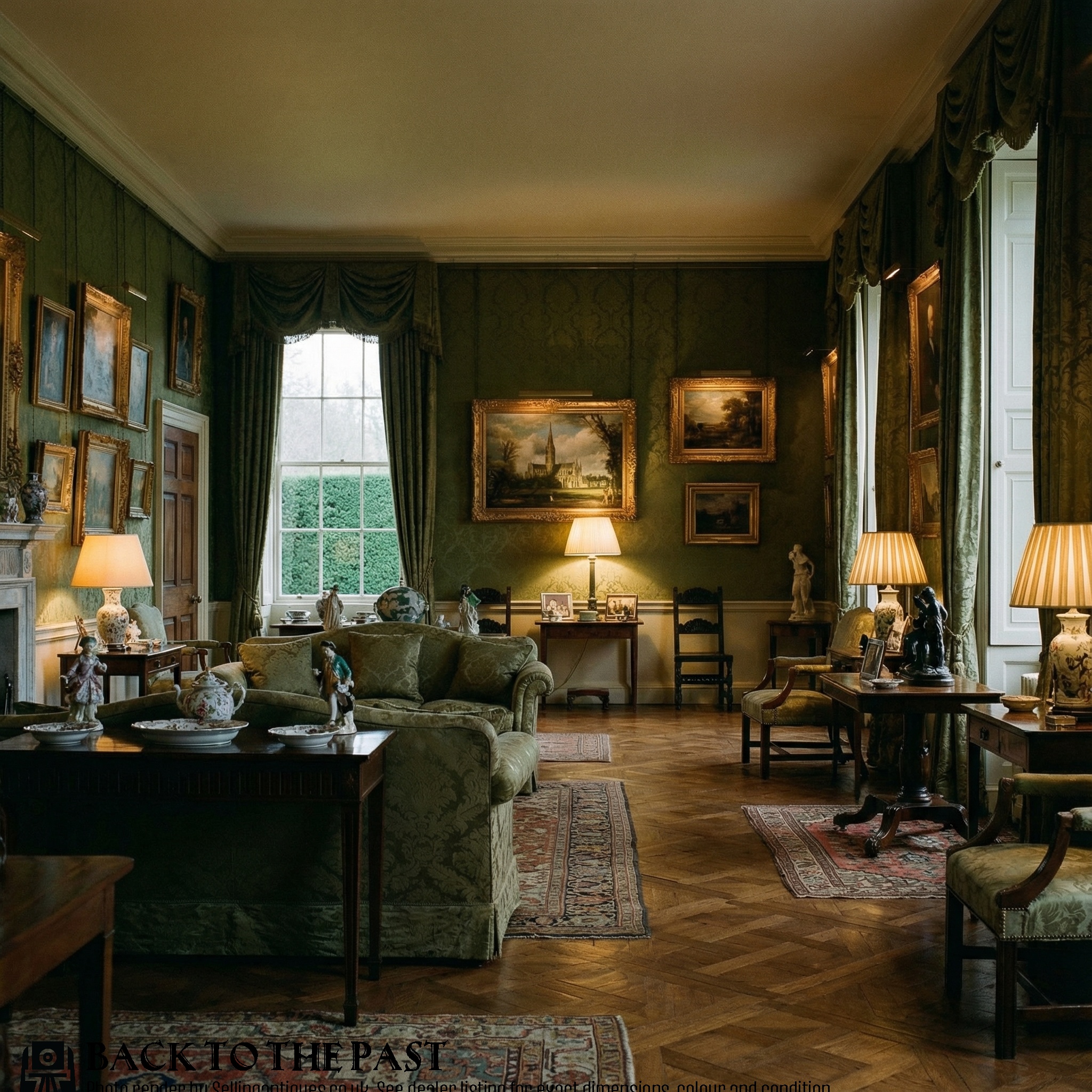
Antique Oak Accent Chair
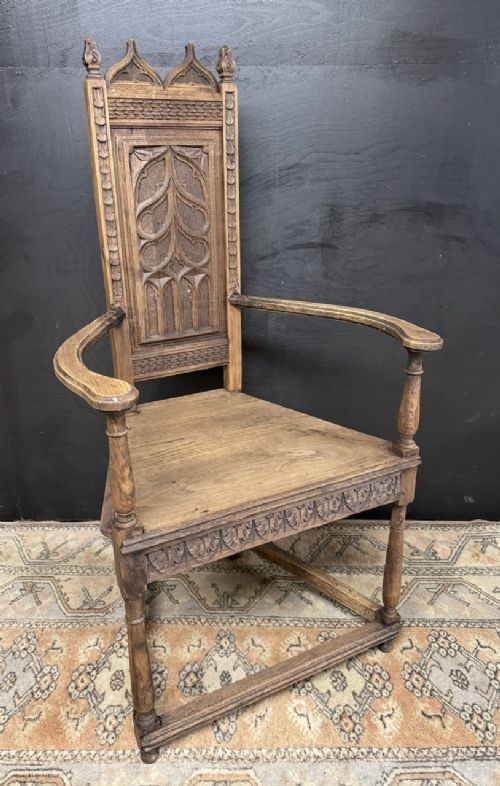
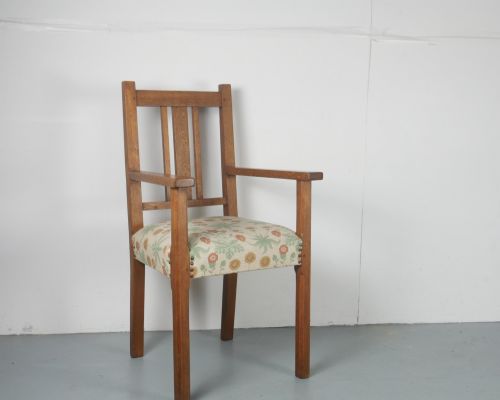
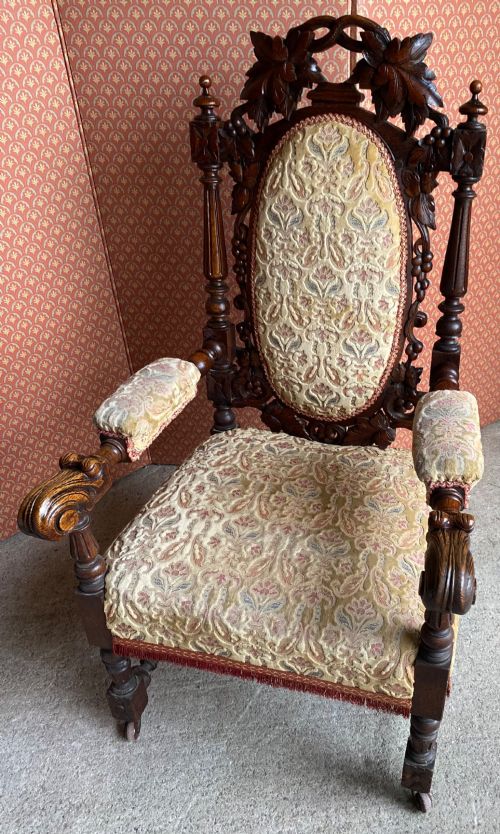
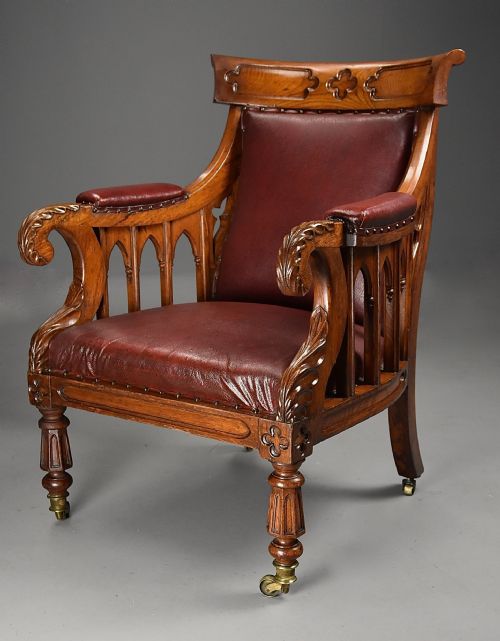
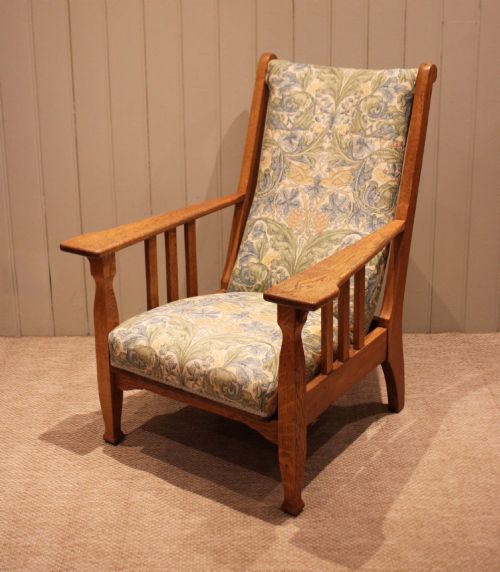
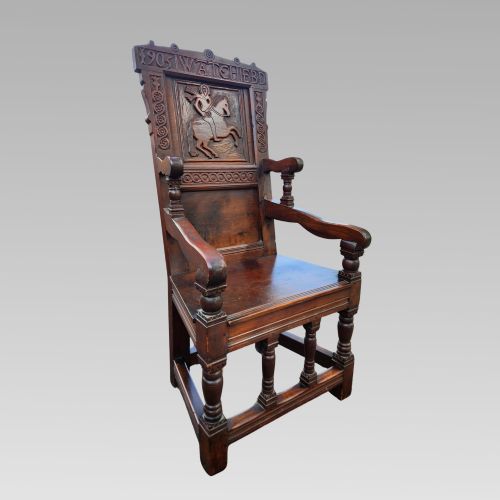
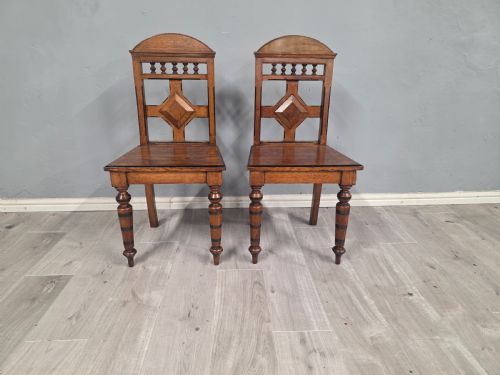
An antique oak accent chair encompasses a diverse range of seating, from sturdy 17th-century wainscot armchairs to slender 19th-century hall chairs and low-slung Arts and Crafts models. The selections span centuries of woodworking traditions, originating in British, Scottish, and continental European workshops.
Buyers frequently encounter Victorian and 19th-century interpretations alongside earlier 18th-century forms, often categorized under armchairs, side chairs, and occasional seats. These functional items served varied domestic roles, from formal reception rooms to quiet corners.
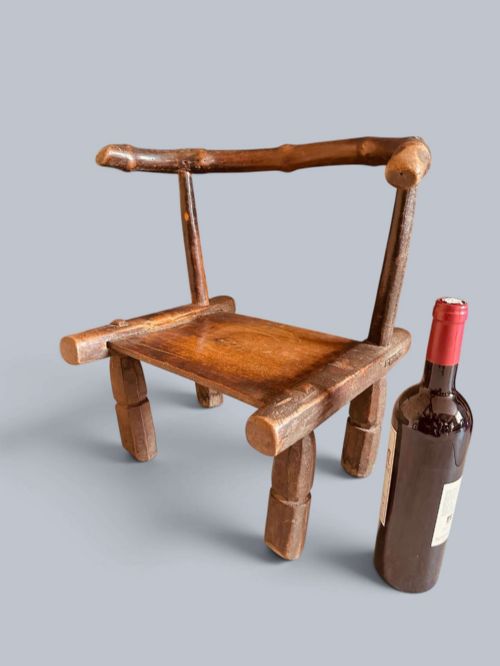
The materials paired with the timber define the character of each piece, incorporating traditional rush, woven cane, stamped leather, and rich velvet. Regional vernacular designs such as Windsor low backs and Orkney chairs appear alongside revivalist styles like Gothic and Jacobean.
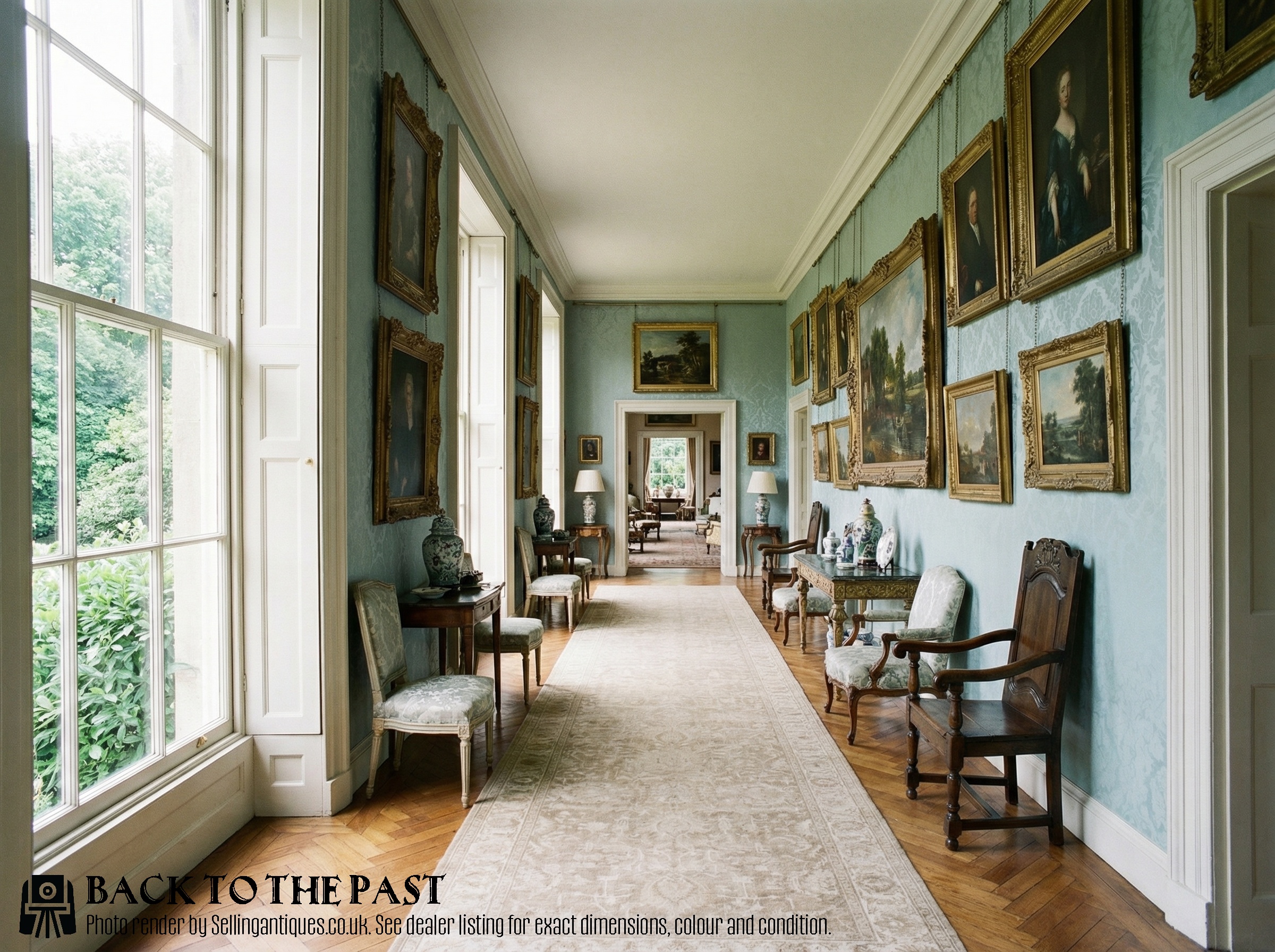
How they were made
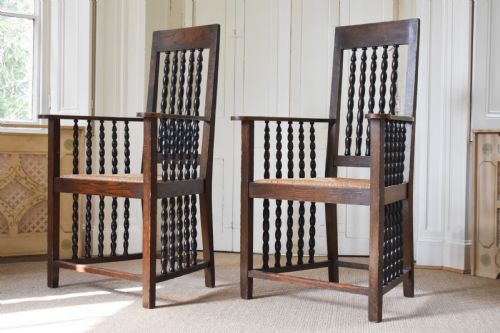
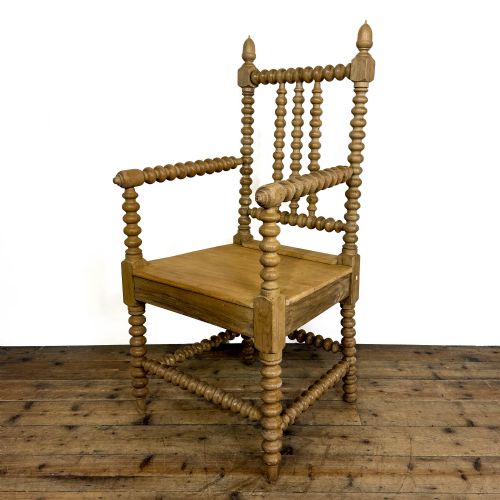
Makers relied on solid oak timbers, frequently shaped using traditional joinery methods such as mortise and tenon to ensure long-term structural integrity. Turned elements, including bobbin and spindle details, display the skill of the 17th and 19th-century turner using a lathe.
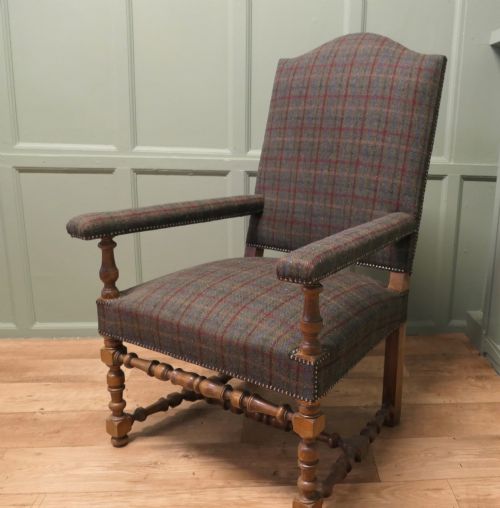
Upholstery techniques varied widely across periods, utilising natural stuffings secured under leather, embossed panels, or sumptuous velvet. Rush and cane seating materials were meticulously hand-woven directly into the wooden frames of country and Arts and Crafts models.
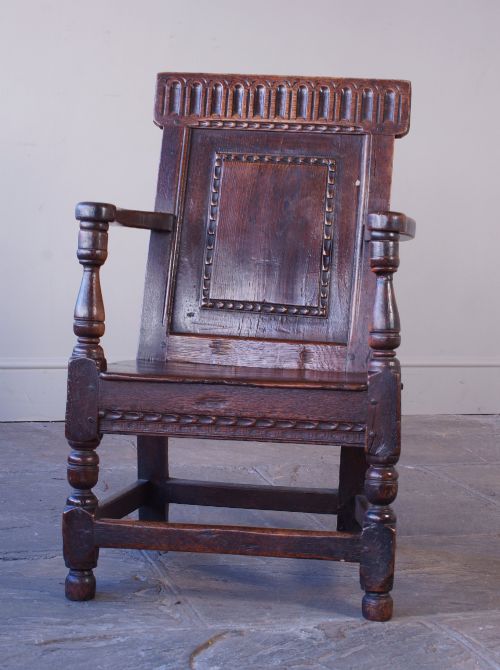
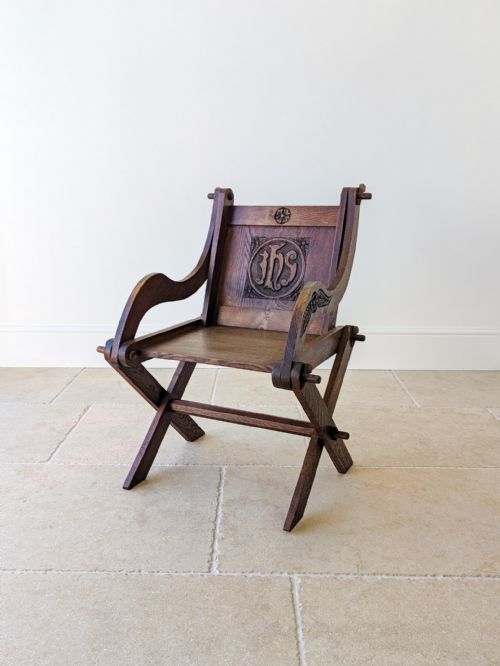
Carving required precise hand chiselling directly into the dense oak, producing heraldic crests, thistles, linenfold panels, and trefoil motifs. Paint and dark wax finishes were often applied to protect the timber while accentuating the natural grain patterns.
Antique Oak Accent Chair Retail Price Guide 2026
Typical asking prices for oak accent chair among the pieces listed under this phrase on Sellingantiques today, from the lower quarter to the upper quarter. They describe what is for sale here now, not the wider market.
The inventory records diverse regional forms including Scottish clan chairs, French Renaissance revival armchairs, and English Windsor designs.
What varies in quality
The depth and crispness of the hand carving distinguish exceptional examples from simpler vernacular pieces, with sharp architectural details indicating superior craftsmanship. Timber selection also dictates grade, where tightly grained quarter-sawn oak displays superior figuring and durability over plain-sawn boards.
The integrity of original joinery influences longevity, as pieces retaining their early pegged joints demonstrate greater structural honesty than later repairs. The survival of period surfaces, whether aged wax patina or original stamped leather, preserves the historical authenticity of the chair.
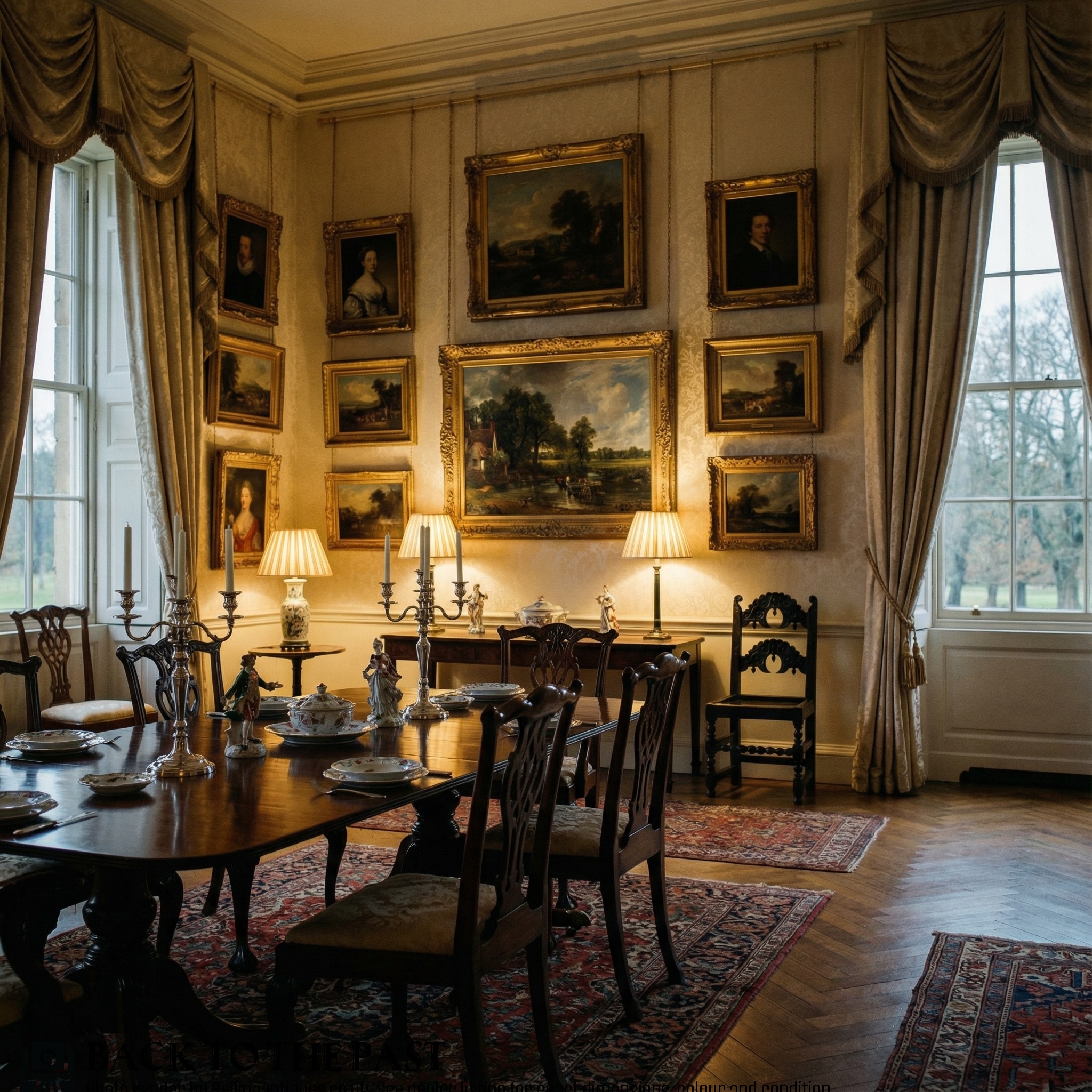
Liberty Morris And Co
The Antique Oak Accent Chair Glossary
- Wainscot armchair
- A heavy wooden chair prevalent in the 17th century, constructed with panelled backs and solid oak armrests.
- Bobbin turning
- A type of woodturning that produces a series of rounded, spool-like shapes along the length of a stretcher or leg.
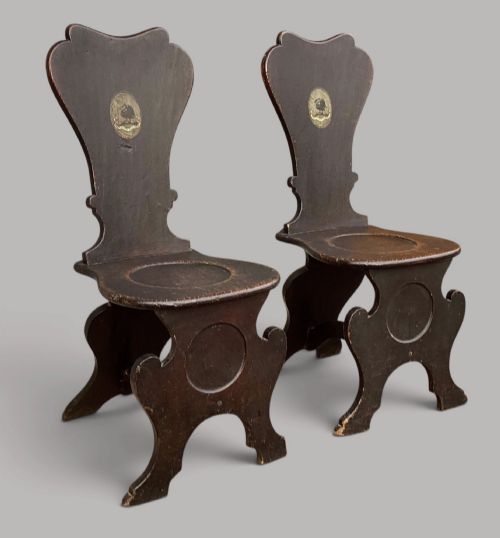
- Sgabello
- A light, portable Renaissance-style chair featuring a high back and solid board legs rather than traditional four-legged posts.
- Rush seating
- A traditional method of weaving dried marsh grasses tightly across a seat frame to create a durable, textured surface.
- Glastonbury chair
- A distinctive medieval revival form featuring intersecting diagonal X-frame supports and a sloping panel back.
Antique Oak Accent Chair: Frequently Asked Questions
How do I identify a 17th-century oak chair?
Look for heavy proportions, pegged mortise and tenon joints, and carved wainscot panels typical of early vernacular furniture.
These pieces often display dark patination and solid oak construction without modern metal fasteners.
Where should I place an oak accent chair?
An antique oak chair works well in a hallway, reading nook, or living room as a distinct focal point.
Parks of these chairs also function effectively by a fireplace or flanking a console table.
What is the difference between a hall chair and an armchair?
Hall chairs are typically upright, wood-seated side chairs designed without arms for occasional use in entranceways.
Armchairs feature structural armrests and are built for prolonged seating in living spaces or libraries.
How do I care for antique oak furniture?
Maintain the timber by applying a microcrystalline wax sparingly to preserve the natural finish and prevent drying.
Keep wooden seating away from direct heat sources and strong sunlight to protect the grain.