


Victorian Oak Armchair
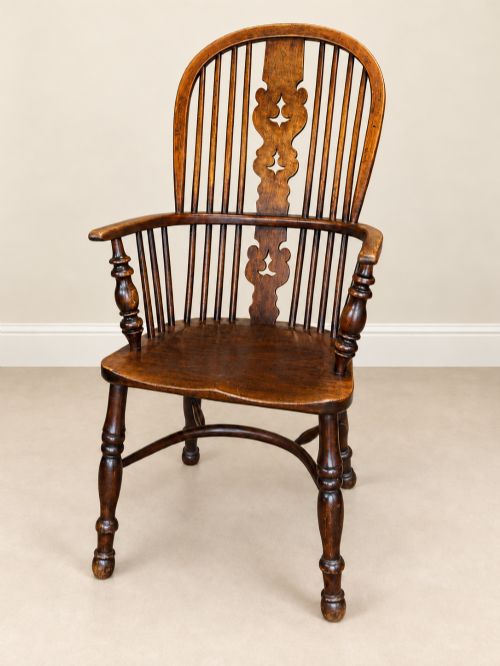
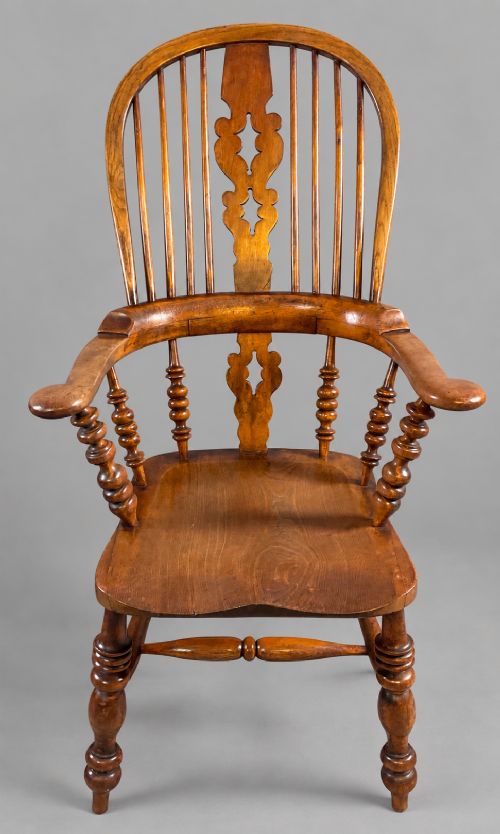
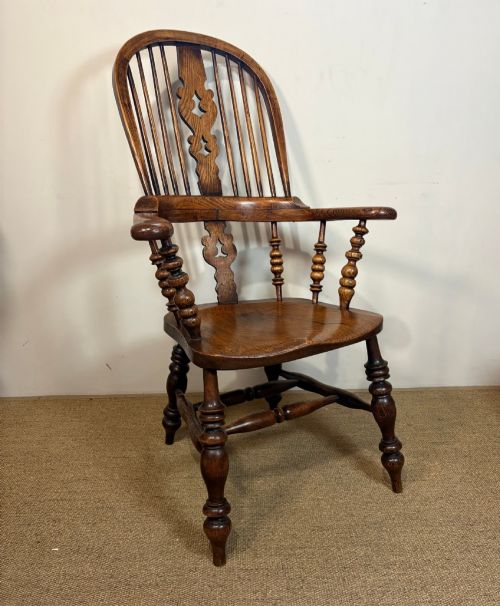
When you search for a victorian oak armchair, you enter a diverse world of sturdy Windsor forms, heavy Gothic revivals, and revolving library seats.
Victorian Oak Armchair
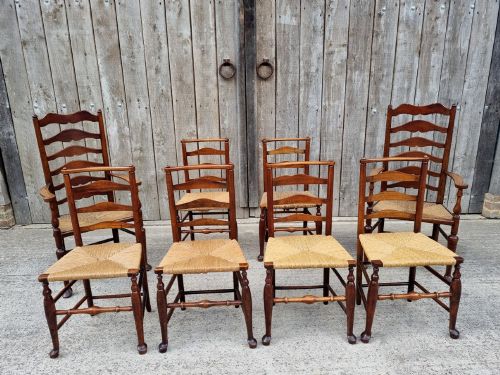
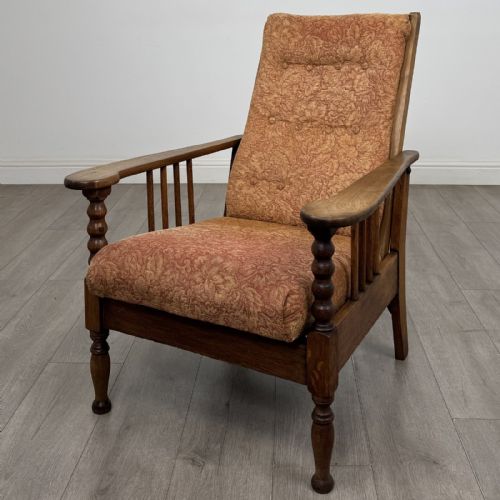
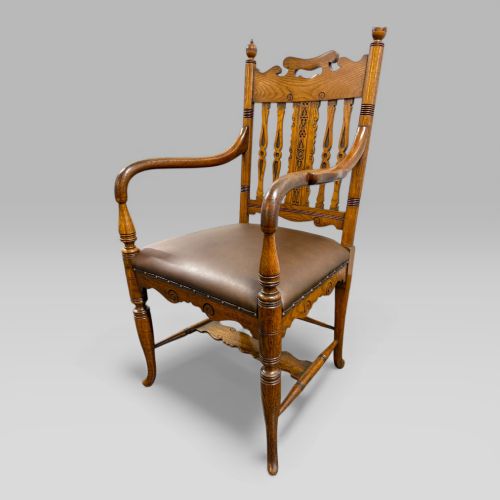
A victorian oak armchair encompasses a broad range of nineteenth-century seating, spanning simple farmhouse Windsor designs and heavy carved library chairs. The selections on this page bridge domestic utility and formal revival styles, reflecting the diverse output of 19th-century workshops and regional traditions.
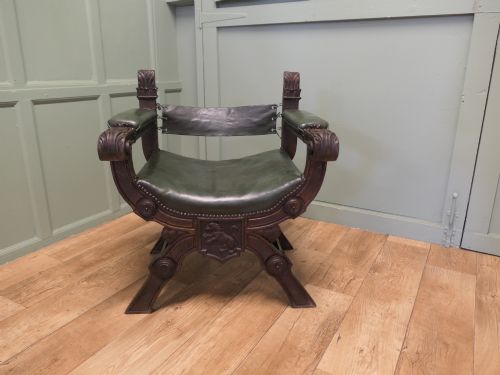
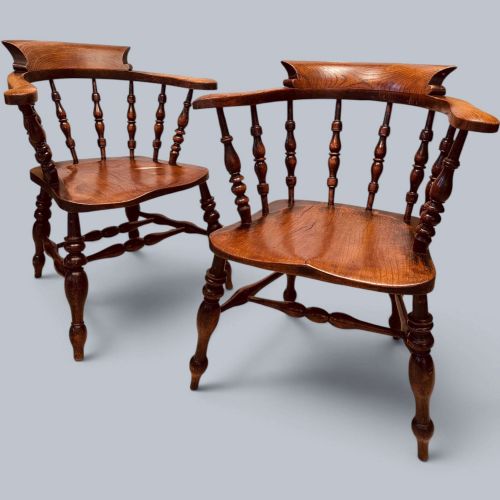
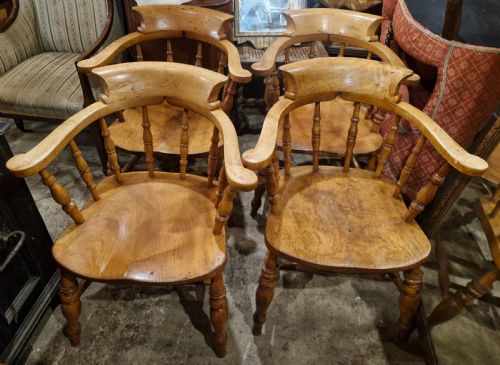
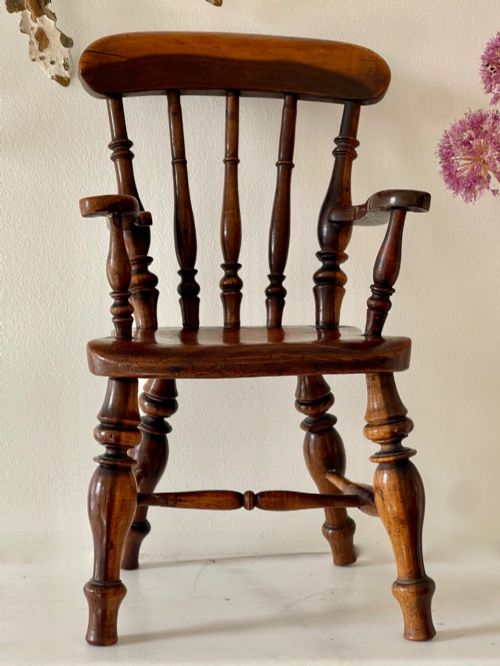
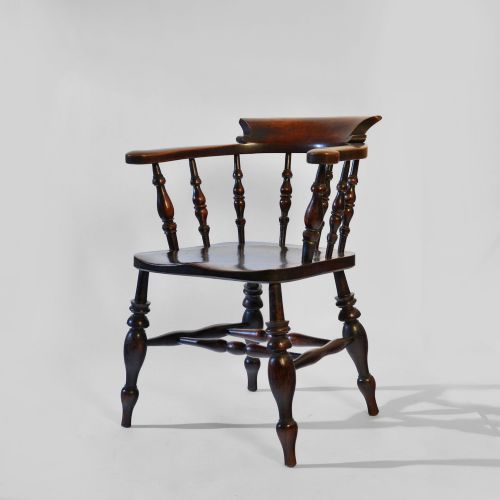
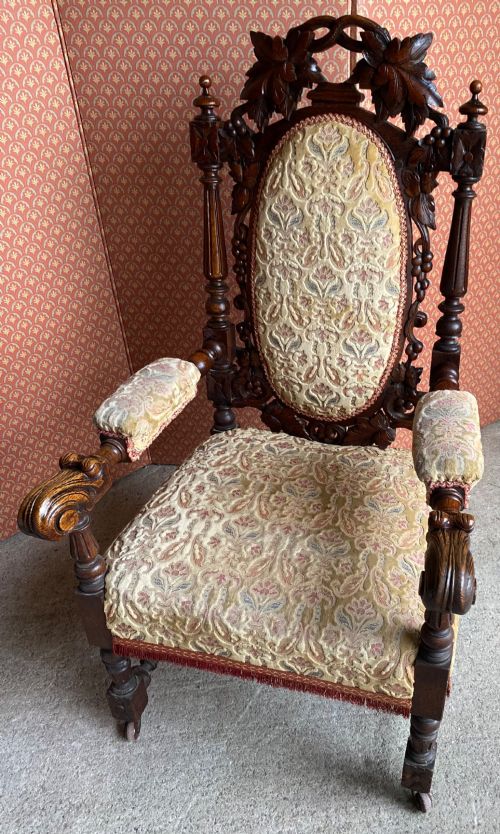
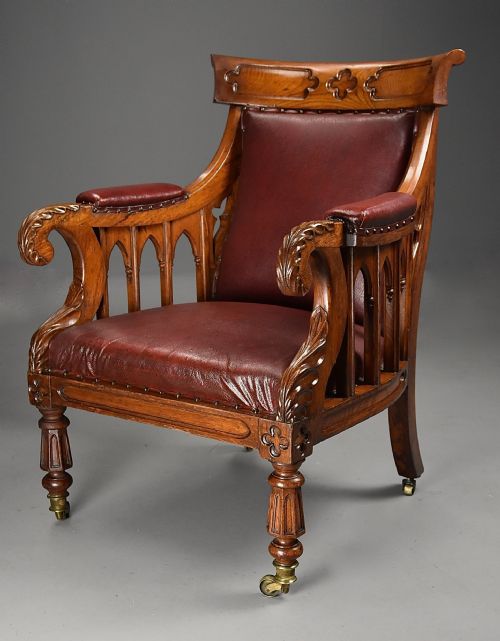
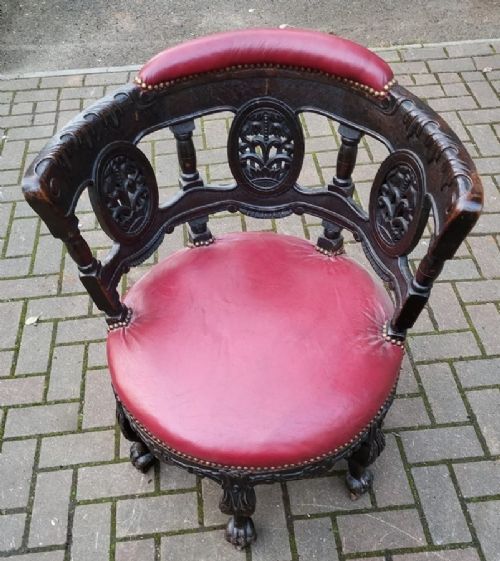
Regional vernacular pieces appear frequently alongside Gothic Revival and Jacobean styles. Buyers encounter low-back Windsors, smokers' bows, swivel desk chairs, and heavily carved throne chairs within the period evidence.
The materials reflect practical domestic and office use, pairing robust timber frames with leather, fabric, and brass elements. Pieces range from straightforward kitchen armchairs to grand upholstered library and club seats.
How they were made
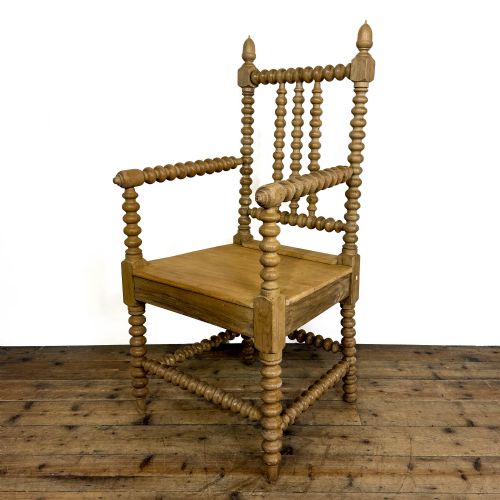
Makers utilised solid timber construction, selecting oak for its durability and prominent grain alongside supportive elements of elm, ash, and beech. Frames were frequently augmented with turned spindles, bobbin mouldings, and mortise-and-tenon joints to ensure structural rigidity.
Upholstered variants integrated leather and velvet, often secured with brass studding or embossed detailing. Wood surfaces received original finishes or turned details such as those found on nineteenth-century bobbin-framed and revolving desk mechanisms.
Victorian Oak Armchair Retail Price Guide 2026
Typical asking prices for victorian oak armchair among the pieces listed under this phrase on Sellingantiques today, from the lower quarter to the upper quarter. They describe what is for sale here now, not the wider market.
Listings span the nineteenth century through the Edwardian era, featuring oak paired with brass, leather, velvet, and elm.
What varies in quality
Quality rests upon the depth of the carving, the integrity of the timber, and the originality of the finish. Examples retaining their initial leather upholstery, brass swivel fittings, or maker stamps command distinct attention compared to later alterations.
Proportion and execution separate standard utility seating from ambitious revival showpieces. Substantial throne chairs and fine library armchairs exhibit superior joinery and more ambitious stylistic detailing than vernacular farmhouse counterparts.
The Victorian Oak Armchair Glossary
- Windsor chair
- A wooden chair built with a solid saddle-shaped seat into which the back and legs are dowelled directly. These regional pieces often feature stick-back or low-back construction.
- Gothic Revival
- A nineteenth-century design movement drawing inspiration from medieval architecture. Pieces in this style frequently display pointed arches, tracery, and heavy carved oak panels.
- Bergere
- An enclosed upholstered armchair with an exposed wooden frame and woven cane panels on the back and sides. This seating type offers a lighter visual weight within Victorian interiors.
- Turners chair
- A heavy, formal seat constructed entirely from decorated turned posts and spindles joined together. This ancient form saw revival interpretations during the nineteenth century.
Victorian Oak Armchair: Frequently Asked Questions
What is a smokers bow chair?
A smokers bow is a sturdy low-backed wooden armchair closely related to the Windsor family. These chairs were widely used in nineteenth-century offices and homes.
They feature a continuous curved arm rail supported by short turned spindles above a solid timber seat. Their compact proportions made them practical for daily seating.
How do I identify a Gothic Revival armchair?
Gothic Revival armchairs are distinguished by architectural motifs drawn from medieval buildings. Look for pointed arches, quatrefoils, and deep relief carvings on the oak panels.
These heavy pieces were designed to make a dramatic visual statement in libraries and reception rooms. They often date from the mid to late nineteenth century.
Were Victorian desk chairs adjustable?
Many Victorian office and library chairs incorporated mechanical swivel and revolving functions. These designs utilised timber frames mounted on central metal screw mechanisms or cast iron bases.
Such innovations provided mobility for clerks and scholars working at large partner desks. Leather upholstery and brass studding frequently accompanied these functional seats.
How do I care for antique oak furniture?
Antique oak benefits from stable indoor humidity and protection from direct sunlight. Minimal cleaning with a soft, dry cloth preserves the patina of the timber.
Leather elements on library chairs require occasional appropriate conditioning to prevent cracking. Avoid harsh chemical polishes that can degrade nineteenth-century finishes.