
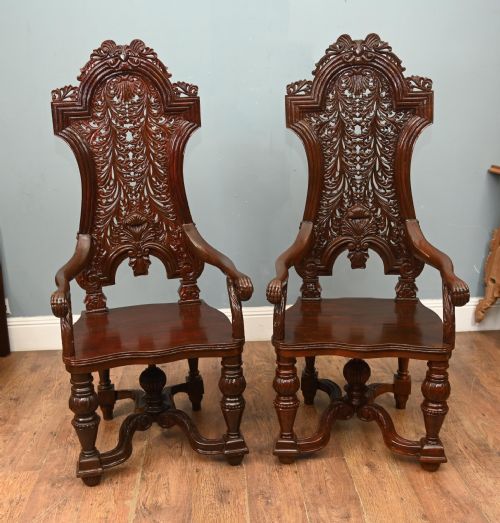


Jacobean Style Armchair
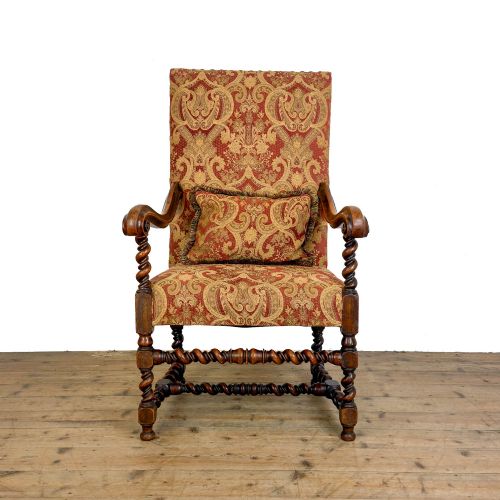
A jacobean style armchair brings heavy timber construction and carved panel detail into a room.
What a jacobean style armchair is
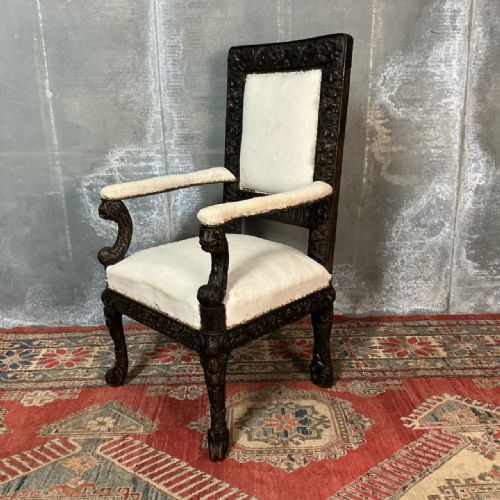
A jacobean style armchair follows historical forms originating in the seventeenth century, taking shape through later revivals in the nineteenth and twentieth centuries. These seating pieces present upright proportions, solid timber frames, and architectural presence.
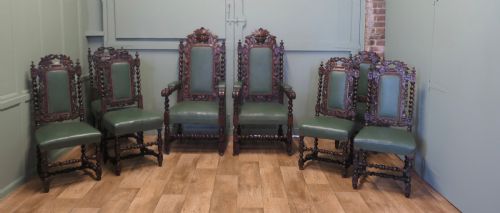
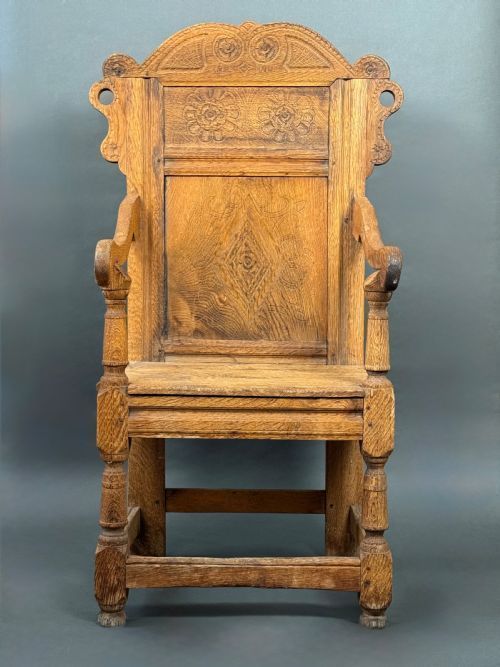
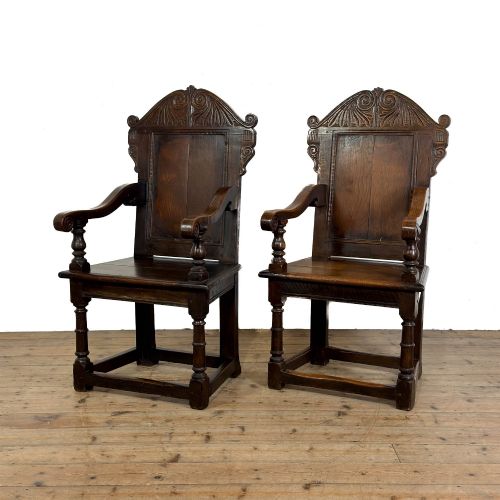
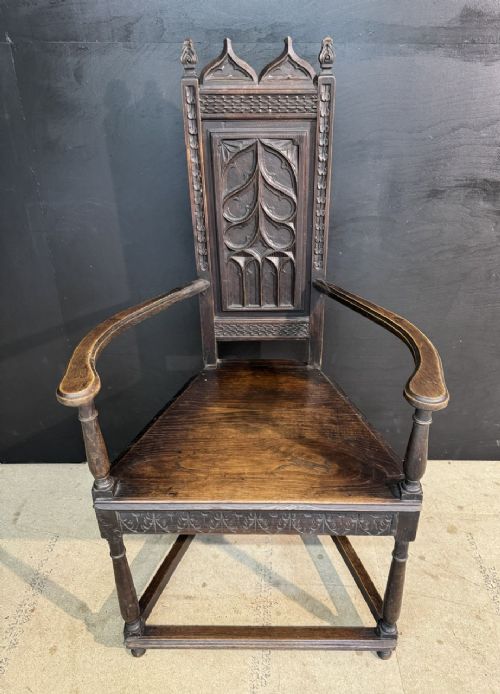
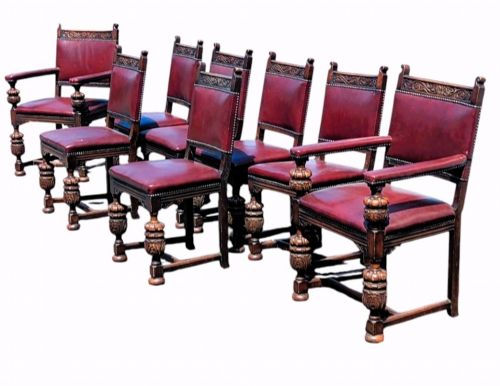
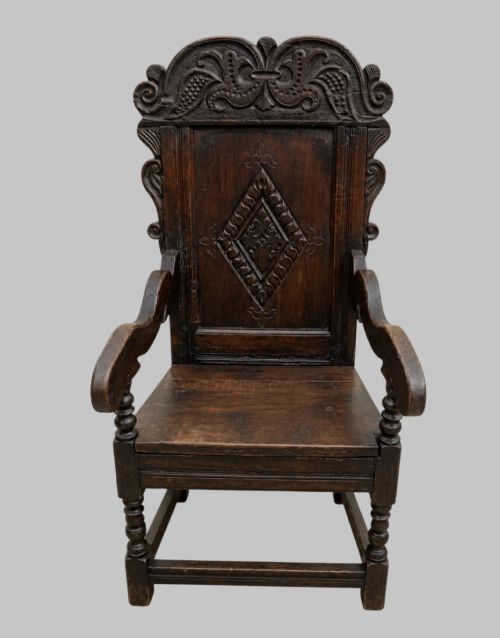
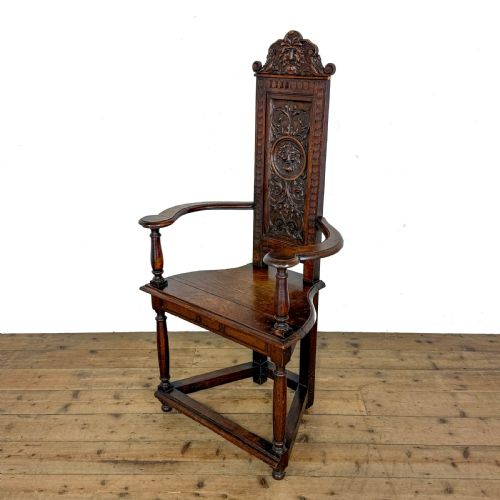
The versions most commonly met on this page include carved oak wainscot chairs, highback carvers, and elbow armchairs built during the Victorian era, the nineteenth century, and the nineteen thirties. Makers leaned heavily on revivalist aesthetics, producing robust seating influenced by seventeenth century and Charles II styles.
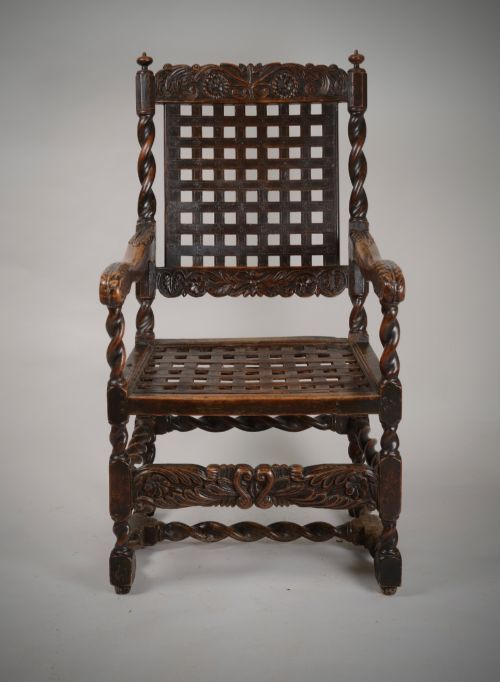
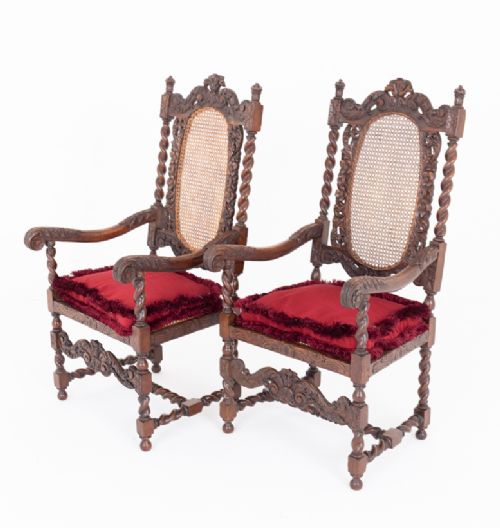
Buyers encounter solid oak and walnut frames, occasionally fitted with cane work or upholstered panels. The object types range from sturdy country house carver chairs to smaller scale panelled designs.
How they were made
Construction relies primarily on oak and walnut timbers, shaped into heavy frames and joined with traditional methods suited to structural support. Selected pieces incorporate cane inserts within the backrests or seats.
Decoration depends on hand carving executed across the wooden components, particularly the back panels, crest rails, and arm supports. Joinery techniques reflect both seventeenth century traditions and the revivalist methods of later periods.
Retail Price Guide 2026
Typical UK retail prices for jacobean style armchair, calculated from the Sellingantiques database of over a million retail prices indexed since 2003. This retail price guide relies exclusively on Sellingantiques data; no external sources or auction records are used, so the figures do not describe the wider market.
Listings feature items spanning the seventeenth century, the Victorian era, the nineteenth century, and nineteen thirty.
What varies in quality
Quality separates ordinary production from superior examples through the depth and crispness of the wood carving. Pieces that exhibit deeply undercut relief work and careful attention to proportion demonstrate higher craftsmanship than simpler, flatter ornamentation.
The choice of timber and the integrity of the original construction dictate the overall character. Solid oak and figured walnut frames that retain their structural tightness hold greater distinction than heavily altered or reconstructed examples.
The Jacobean Style Armchair Glossary
- Wainscot chair
- A heavy wooden armchair with a panelled back and solid seat, originating in the sixteenth and seventeenth centuries.
- Carver chair
- An armchair designed to match a set of dining chairs, typically featuring open arms and a taller back.
- Cane
- Woven rattan material used for chair seats and backs, providing a lighter decorative texture against solid wood.
- Carolean revival
- A nineteenth century design movement replicating the ornate styles associated with the reign of King Charles the Second.
Frequently Asked Questions
What is a wainscot chair?
A wainscot chair is an early form of wooden armchair constructed with panelled backboards and solid timber seats. These pieces are typically heavy and reflect sixteenth and seventeenth century joinery traditions.
In later revivals, makers reproduced this exact panelled format using oak, maintaining the stiff, upright posture characteristic of early domestic seating.
How do I care for an oak armchair?
Oak furniture requires stable indoor humidity levels to prevent the timber from drying out or splitting. Routine dusting with a dry cloth keeps the surface clean without damaging the finish.
Avoid placing wooden armchairs near direct heat sources or in strong sunlight. Natural wax can be applied periodically to nourish the grain.
Are these chairs comfortable for daily use?
Historic and revival armchairs generally feature upright wooden backs and firm seats rather than deep cushioning. They encourage an erect posture typical of historical domestic interiors.
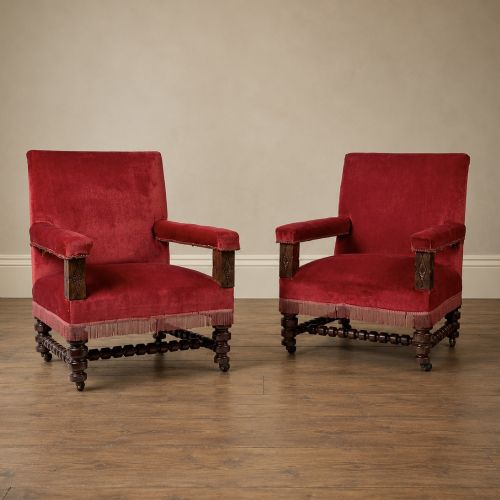
Some variants incorporate upholstered pads or cane inserts, offering slightly more give while retaining the rigid structural frame of the period.
How do I distinguish revival periods?
Nineteenth and twentieth century revivals often betray their later manufacture through machine tooling marks hidden beneath the frame or standardised joinery methods. Examining the underside and the wear patterns helps clarify the age of the timber.
True seventeenth century pieces display hand cut joinery and distinct surface oxidation accumulated over centuries of use, setting them apart from Victorian interpretations.