



Antique Oak Seating
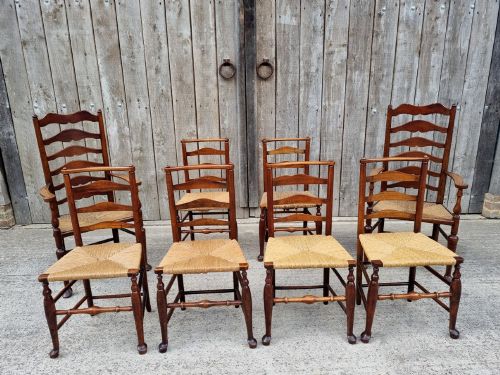
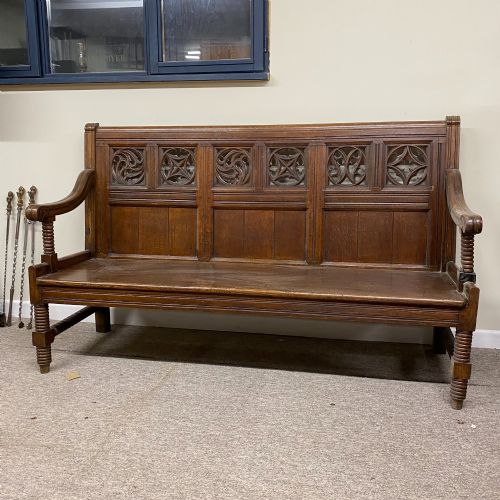
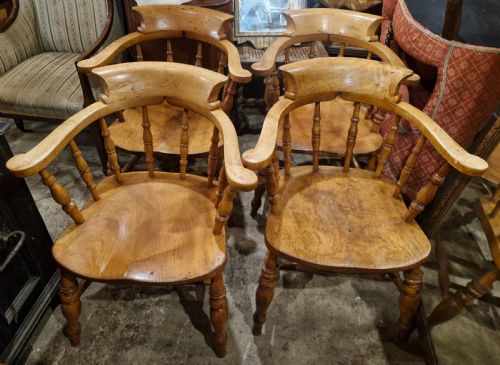
These antique oak seating pieces range from sturdy country kitchen chairs to panelled settles, offering solid construction and rich timber character for daily use.

Antique Oak Seating
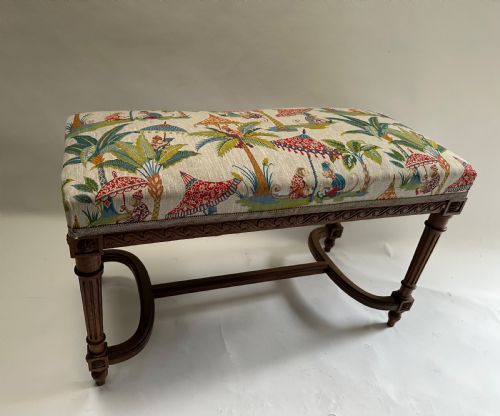
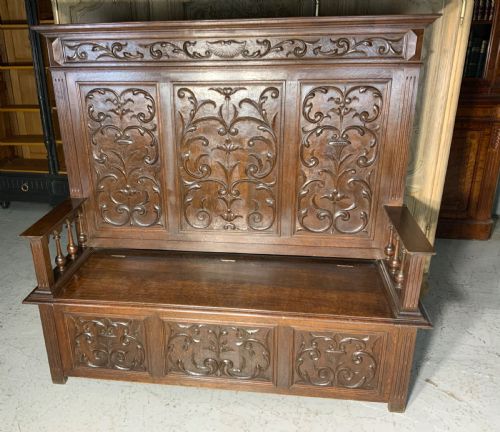
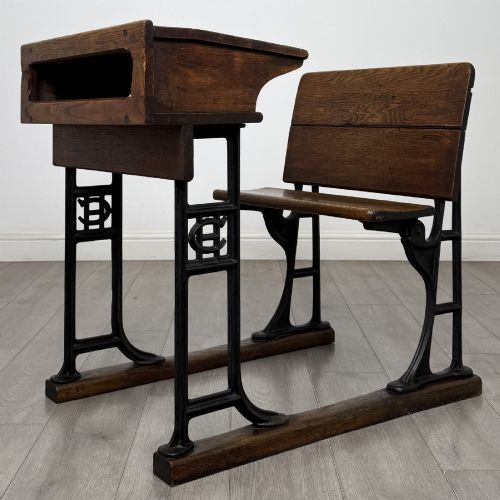
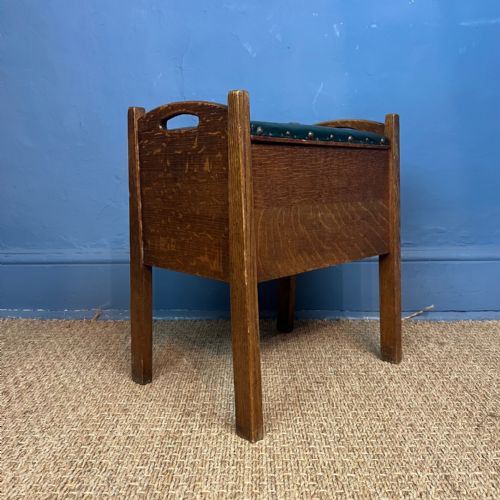
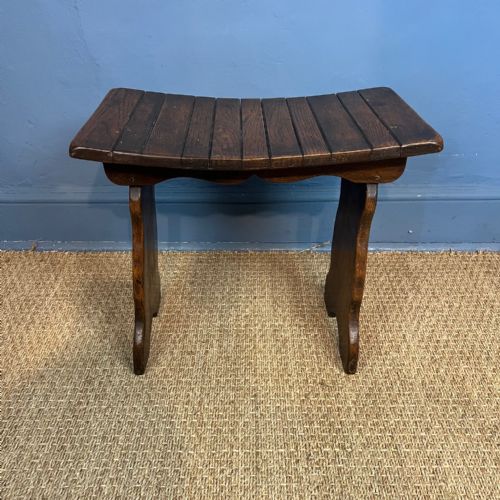
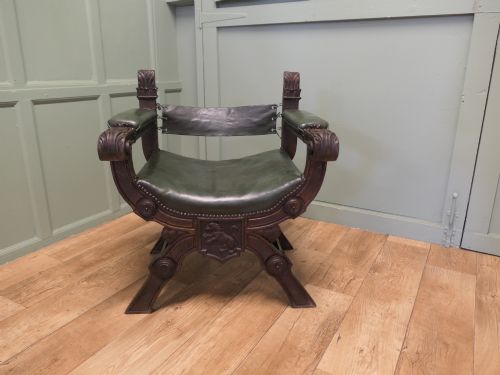
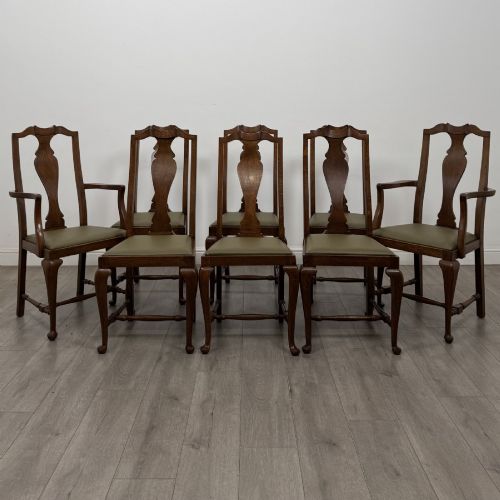
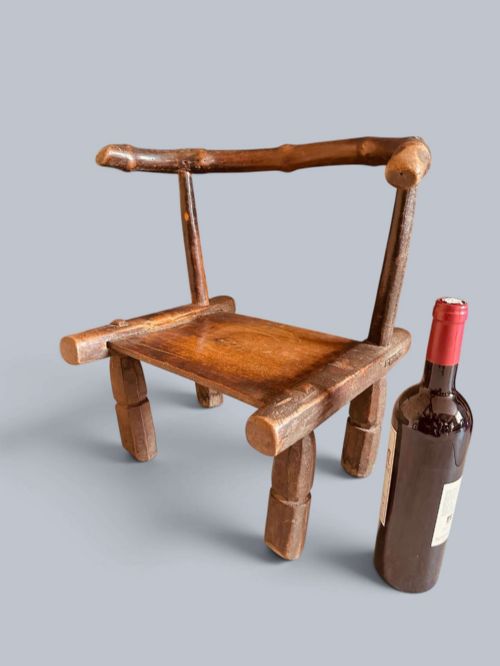
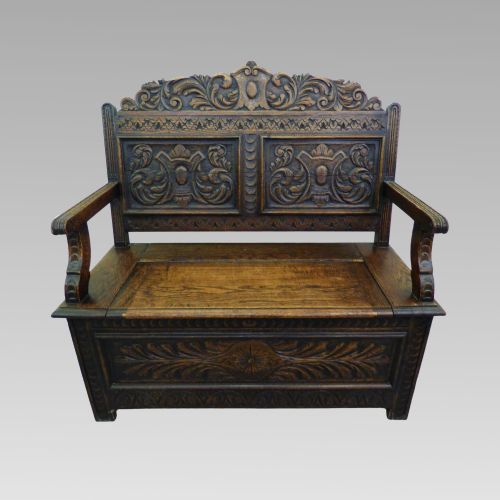
When you search for antique oak seating, you encounter a diverse array of domestic and public furniture spanning from the eighteenth century through to the early twentieth century. The selection includes dining chairs, armchairs, stools, benches, hall benches, desk chairs, and settles.
The versions you are most likely to meet on this page include nineteenth-century farmhouse kitchen chairs, Victorian and Edwardian dining sets, and sturdy hall benches from English, Welsh, and Scottish origins. Styles stretch from plain country vernacular pieces to Gothic Revival, Jacobean Revival, and Arts and Crafts interpretations.
Distinctions in quality
Quality in these pieces rests upon the integrity of the timber, the crispness of any carved detailing, and the survival of the original finish. Grain pattern consistency and the honesty of the construction dictate the standing of a piece within its type.
The balance of proportions and the strength of the joints determine whether an item retains its utility and presence, separating ordinary utilitarian workshop output from finer cabinetmaker work.
Antique Oak Seating Retail Price Guide 2026
Typical asking prices for oak seating among the pieces listed under this phrase on Sellingantiques today, from the lower quarter to the upper quarter. They describe what is for sale here now, not the wider market.
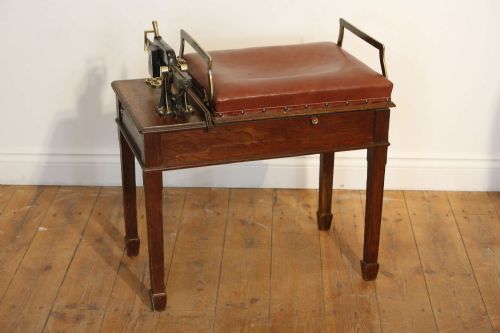
A specialised silversmith's artisan stool sits alongside grand tavern benches and school fireside chairs.

Liberty Morris And Co
The Antique Oak Seating Glossary
- Settle
- A wooden bench with high back, solid arms, and often a storage box beneath the seat, designed to keep draughts away from the sitter in older homes.
- Joint stool
- A sturdy wooden stool constructed with pegged mortise and tenon joints rather than turned legs driven into a seat.
- Windsor chair
- A chair built with a solid wooden seat into which the legs and back spindles are separately bored and wedged.
- Lathe back
- A chair back featuring turned or flat wooden slats positioned vertically between the top rail and the seat.
- Refectory
- A long dining table or associated long bench style originating from monastic dining halls and adapted for domestic use.
- Trefoil
- A three-lobed decorative carving shape reminiscent of clover leaves, frequently seen in Gothic Revival and Arts and Crafts panels.
Antique Oak Seating: Frequently Asked Questions
What is a monk's bench?
A monk's bench is a multifunctional piece featuring a hinged back that flips forward to form a flat table surface over a box seat. They were historically used in smaller rooms to combine seating, storage, and a surface for eating or writing.
These pieces appeared in various revival styles during the nineteenth and early twentieth centuries, retaining compact practicality for modern hallway or living room placement.
How do I care for antique oak furniture?
Caring for antique oak involves keeping pieces away from direct heat sources and sudden humidity changes to prevent the timber from splitting. Regular dusting with a dry cloth and occasional application of appropriate wax preserves the surface sheen.
Avoid using modern silicone-based sprays, which build up on the wood and dull the natural finish over time.
Where were Windsor chairs made?
Windsor chairs in these listings typically hail from country workshops and regional traditions such as the Thames Valley, utilising local hardwoods like elm for seats and beech or ash for bending parts. They were standard utility seating in kitchens, farmhouses, and taverns.
Their sturdy stick-back construction allowed them to withstand heavy daily use across generations.
How do I distinguish Arts and Crafts oak?
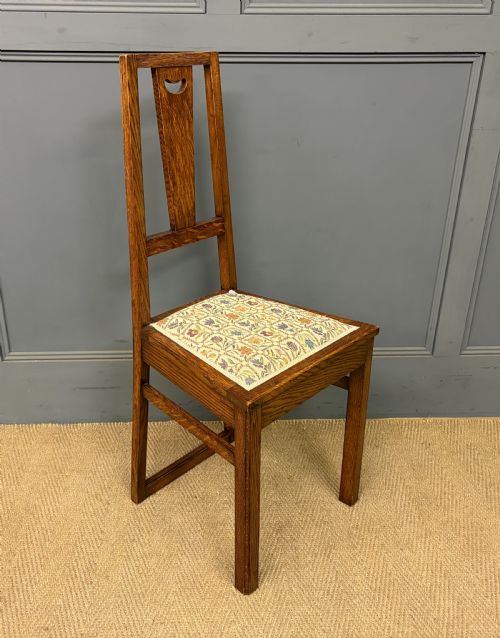
Arts and Crafts oak seating often displays honest construction, exposed pegged joints, and simple geometric forms influenced by designers like Pugin or firms such as Liberty and Morris. The decoration tends to rely on structural clarity rather than applied ornamentation.
Golden oak tones and motifs like trefoil cut-outs frequently characterise pieces from this movement around the turn of the twentieth century.