



Traditional Oak Chairs
Traditional oak chairs bring solid timber grain and sturdy joins to dining rooms and halls, offering lasting utility and period character.
What traditional oak chairs are
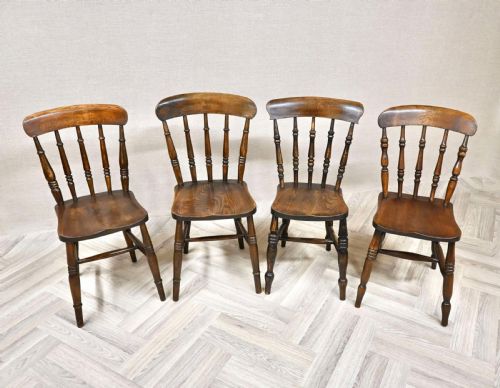
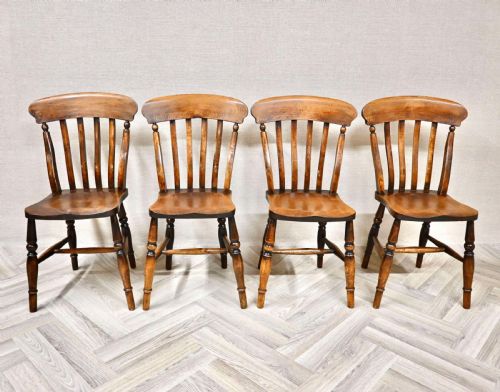
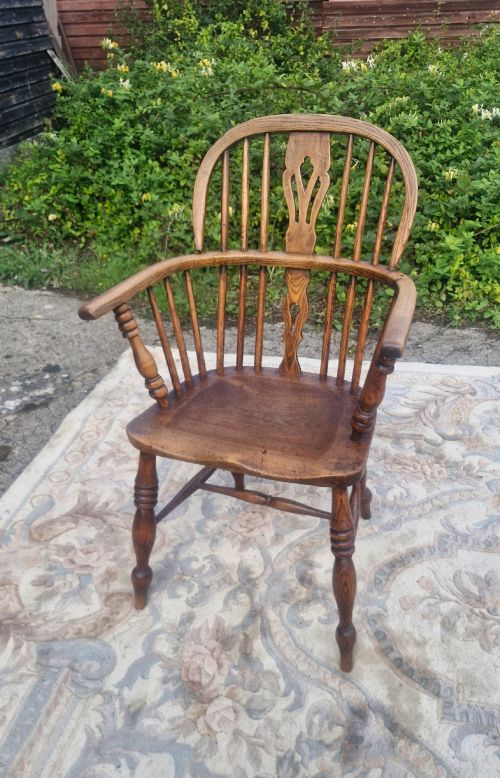
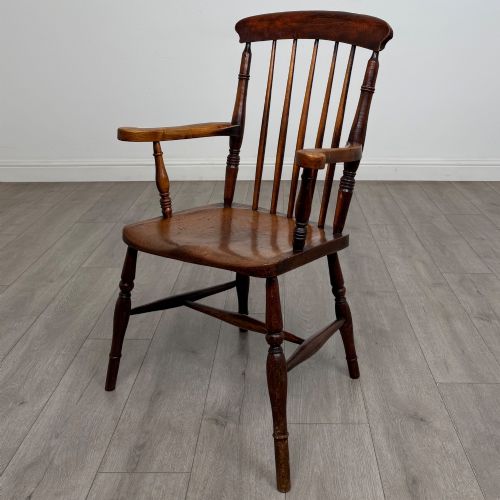
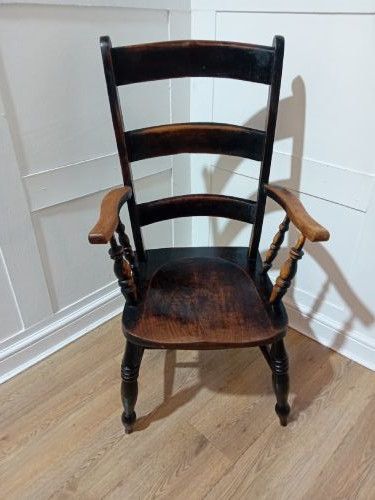
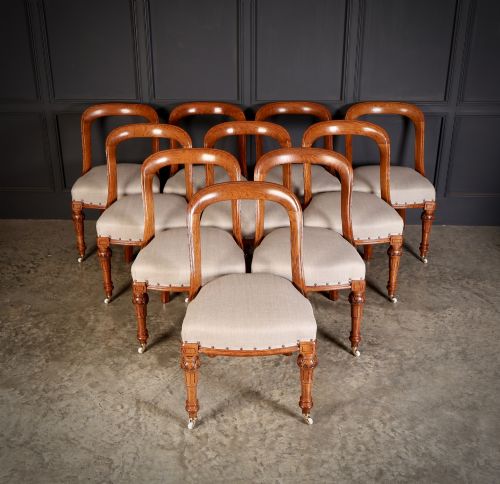
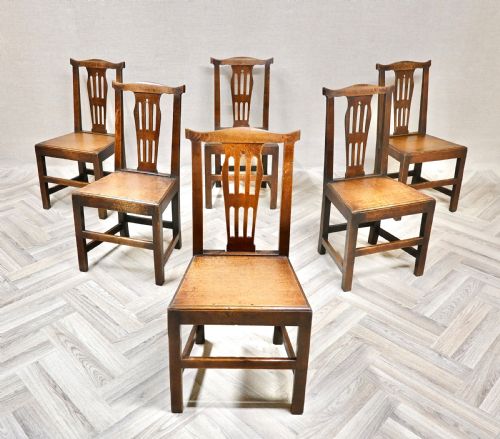
The styles on this page range from English Country and Arts and Crafts forms to Jacobean Revival, Queen Anne style, and Victorian designs. Sets frequently feature ladder backs or barley twist legs, anchoring dining spaces with heavy timber construction.
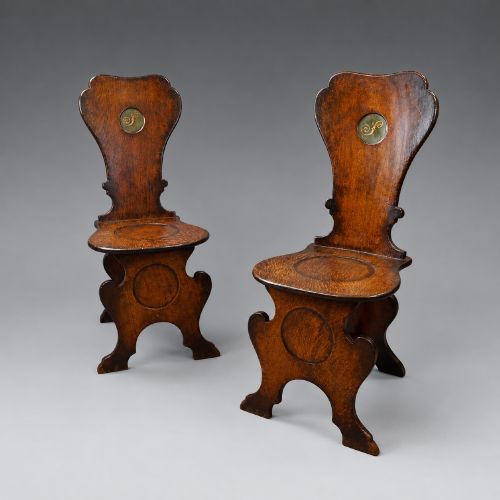
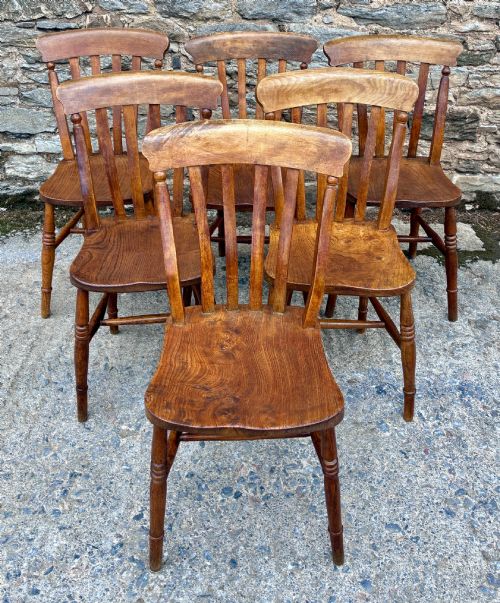
Hall and side chairs provide upright seating with decorative elements like shield backs, while dining sets offer multiple matching seats for table use. Most pieces date from the late nineteenth century to the early decades of the twentieth century.
How they were made
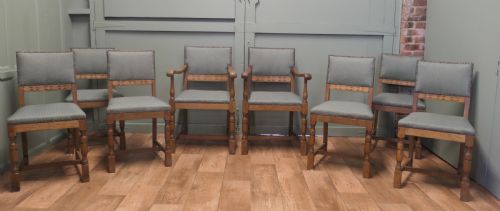
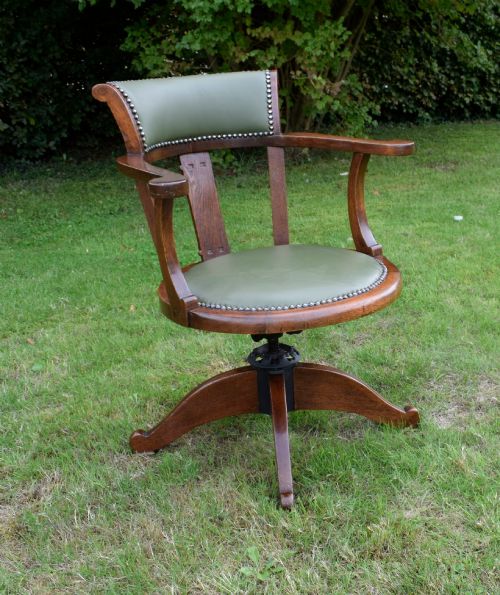
Seating areas incorporated upholstered pads covered in fabric, leather, or velvet, alongside woven rush seats on ladder back designs. Joinery relied on traditional wooden joints and turned components to bind the sturdy oak frames together.
Retail Price Guide 2026
Typical UK retail prices for traditional oak chairs, calculated from the Sellingantiques database of over a million retail prices indexed since 2003. This retail price guide relies exclusively on Sellingantiques data; no external sources or auction records are used, so the figures do not describe the wider market.
Listings feature oak, leather, velvet, fabric, and rush across pieces from the Victorian period, the Edwardian era, and the 1920s.
What varies in quality
Quality rests in the crispness of the turned woodwork and the proportional balance of the frame, separating standard production from finer craftsmanship. The execution of period details, such as carved shield backs or well-proportioned Queen Anne style curves, dictates the visual standard.
The integrity of the original oak and the standard of upholstery materials, whether leather, velvet, or woven rush, influence the overall character of each piece. Sets that maintain uniform colour and matching timber grain across every chair command greater visual harmony than mismatched assemblies.
The Traditional Oak Chairs Glossary
- Barley twist
- A spiral turning carved into furniture legs and stretchers, popular in revival styles. This decorative technique resembles the twists of a barley sugar stick.
- Ladder back
- A chair back featuring multiple horizontal wooden slats between the upright posts. This traditional form often incorporates woven rush seating.
- Shield back
- A chair back shaped in the outline of a heraldic shield, commonly found on hall and side chairs. This design emerged during the eighteenth century and persisted into Victorian revivals.
- Queen Anne style
- A furniture design tradition characterised by curved lines, pad feet, and vase-shaped splats. Golden oak examples from the early twentieth century adapt these classic proportions.
- Hall chair
- An upright, often un-upholstered chair positioned in an entrance hall or corridor. These pieces prioritised architectural presence and formal display over prolonged comfort.
Frequently Asked Questions
How do I identify traditional oak chairs?
Examine the timber grain, weight, and construction methods to confirm solid oak usage. Styles range from plain ladder backs to heavily turned Jacobean Revival frames.
Note the period markers, such as Victorian shield backs or Edwardian twist legs, which help date the seating to its correct era.
Were these chairs used for dining?
The majority of pieces function as dining chairs, often found in sets ranging from four to eight items. Their sturdy construction suited them for daily meals around large tables.
Smaller groups or pairs frequently comprise hall or side chairs intended for occasional use in corridors and reception rooms.
What is barley twist furniture?
Barley twist refers to a spiral wooden turning applied to chair legs and stretchers. This decorative form gained widespread popularity during the late nineteenth and early twentieth centuries.
Twist legs catch the light and add visual texture to otherwise heavy oak dining sets.
How do I care for oak dining chairs?
Maintain the timber by dusting regularly with a dry cloth and applying occasional appropriate wax polish to nourish the grain. Avoid placing solid oak furniture near direct heat sources or strong sunlight.
Protect upholstered pads of leather, velvet, or fabric according to their specific material requirements.