


Vintage Oak Seating
Vintage oak seating brings robust character and practicality to a room through centuries-old timber forms built for daily use.
Vintage Oak Seating
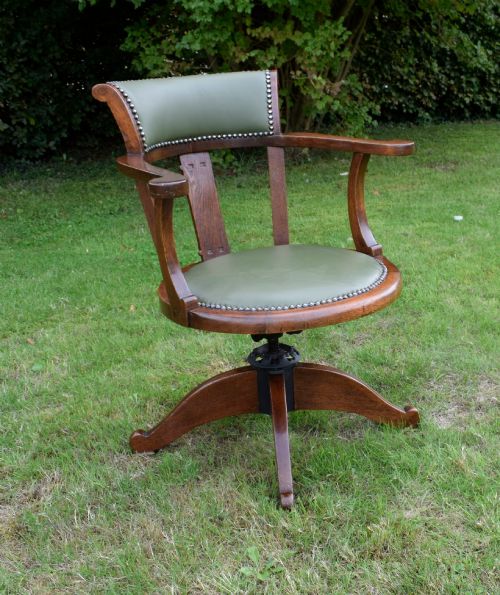
Vintage oak seating encompasses a broad range of utilitarian and formal furniture, spanning dining chairs, armchairs, benches, stools, desk chairs, and hall seats.
The pieces emerge from the nineteenth century through the Edwardian era up to the 1930s, incorporating styles such as Jacobean Revival, Arts and Crafts, and rustic country.
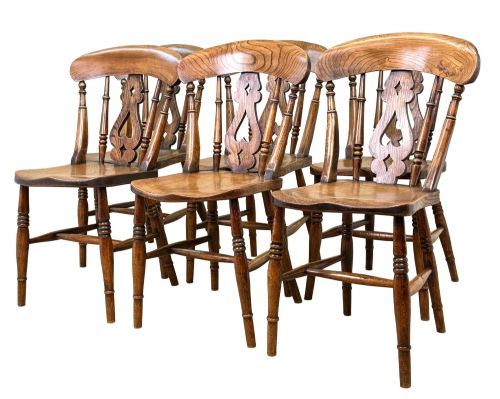
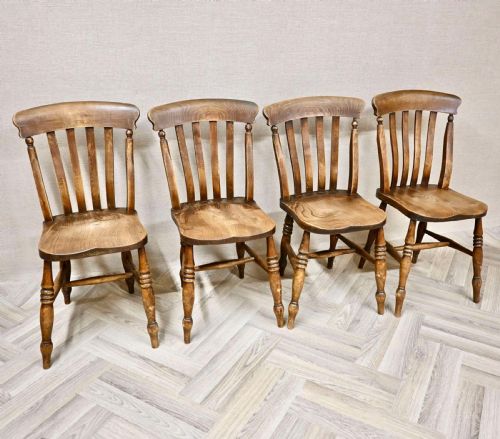
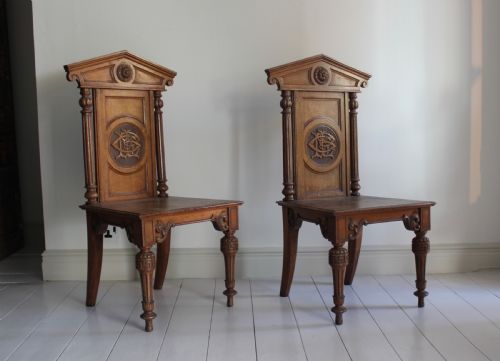
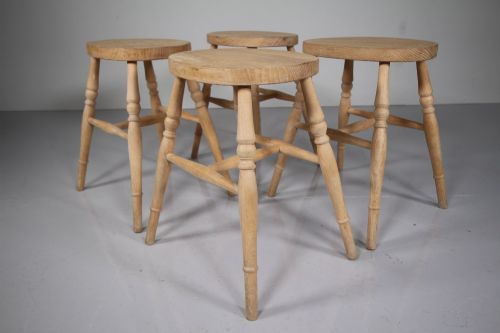
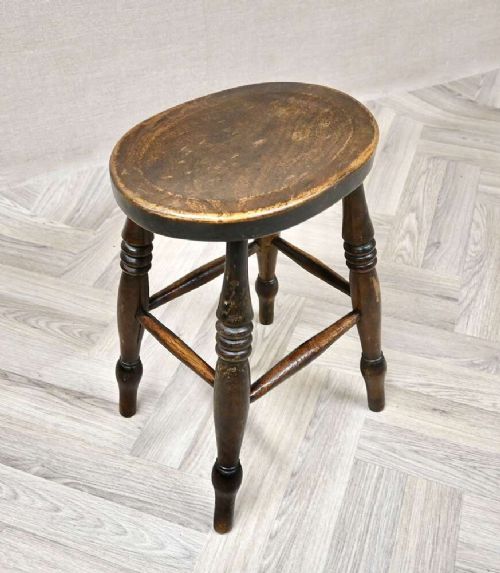
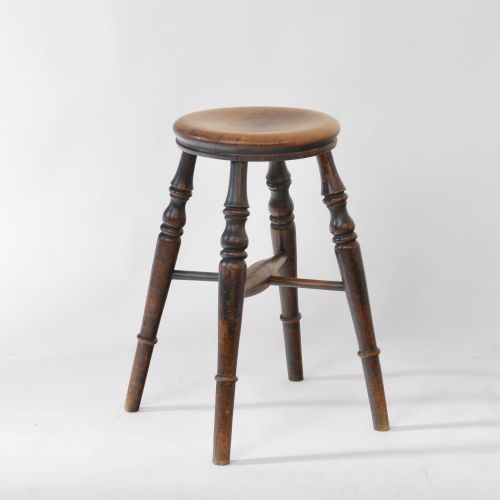
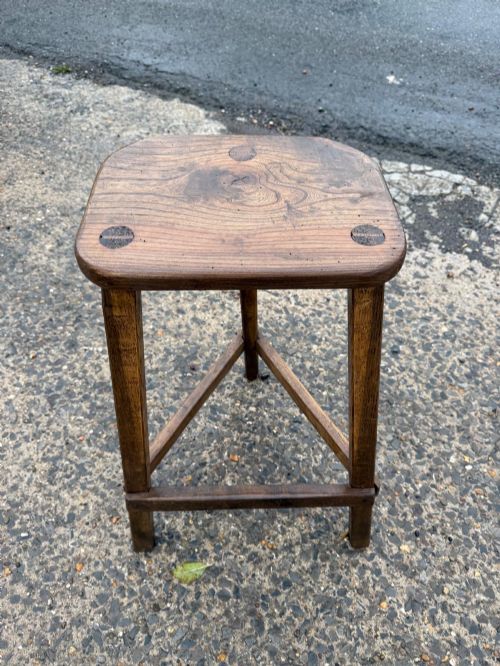
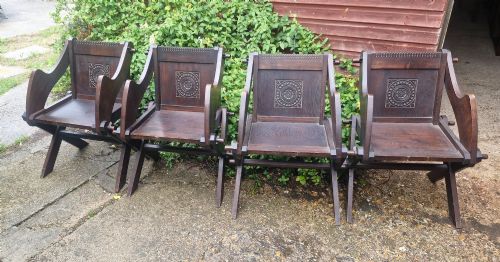
Buyers encounter everything from simple kitchen stools and Windsor chairs to grand sets of dining chairs and carved settles designed for hallways and living spaces.
Materials and Construction
Makers relied principally on solid oak timber, frequently paired with secondary woods like elm, beech, and sycamore for seats and structural components.
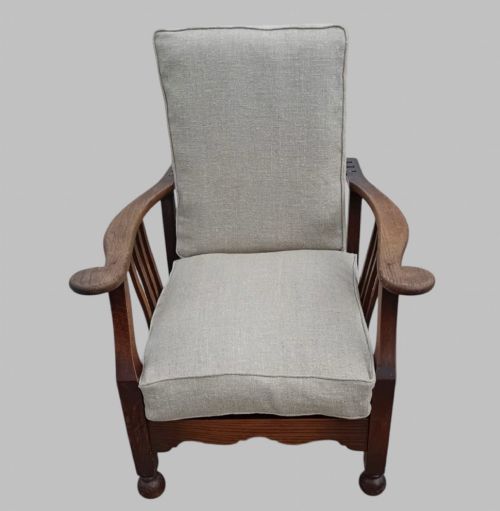
Comfort and utility were enhanced through traditional upholstery materials including leather and fabric, alongside woven rush seating and brass hardware.
Joinery methods such as joint construction, turned spindle work, and carved supports ensured the durability seen in these surviving items.
Vintage Oak Seating Retail Price Guide 2026
Typical asking prices for vintage oak seating among the pieces listed under this phrase on Sellingantiques today, from the lower quarter to the upper quarter. They describe what is for sale here now, not the wider market.
Listings feature oak, elm, fabric, leather, brass, beech, rush, and timber across the nineteenth and early twentieth centuries.
Craftsmanship and Proportion
Quality rests upon the selection of timber, where tightly grained solid oak and well-figured boards separate superior examples from standard utility pieces.
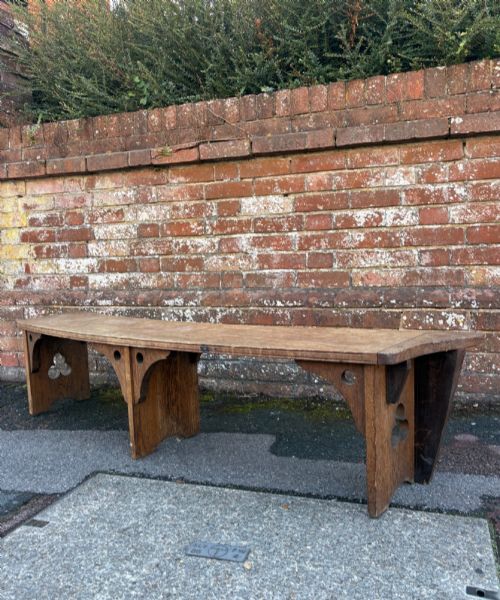
The integrity of the original construction, including tight joinery and faithful stylistic detailing such as carved trefoils or gothic supports, determines the tier of a piece.
Proportion and comfort dictate value, with balanced armchair arms and correctly scaled desk or dining heights marking out finer workshops.
Liberty Morris And Co
The Vintage Oak Seating Glossary
- Windsor chair
- A wooden chair design where the back and legs are fitted into a solid wooden seat. These chairs often feature turned spindles and bow backs.
- Joint stool
- A sturdy, low wooden stool constructed with mortise and tenon joints using pegs. They were common in domestic settings for sitting or reaching.
- Rush seat
- A seat woven from dried marsh rushes twisted into cords. This technique provides a resilient and slightly flexible surface on chairs and armchairs.
- Settlement bench
- A wooden bench featuring a high back to block drafts, often containing a storage compartment beneath the lift-up seat. They typically stood in farmhouse halls.
- Refectory style
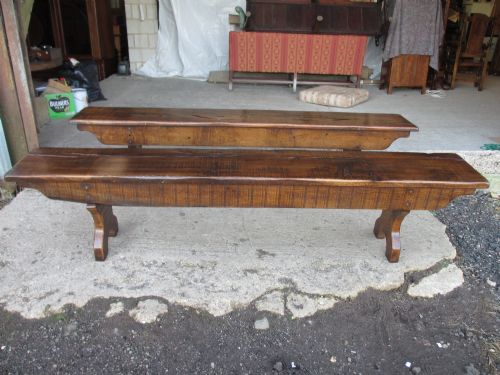
- A long, narrow table or matching seating arrangement inspired by medieval dining halls. Pieces in this style emphasise length and structural stretchers.
Vintage Oak Seating: Frequently Asked Questions
How do I date vintage oak chairs?
Dating relies on observing construction methods, tool marks, and stylistic clues typical of periods like the Victorian era or Edwardian years. Machine-cut parts generally point towards later nineteenth-century manufacturing.
Comparing turnings, hardware, and upholstery techniques with documented examples helps narrow down the decade of production.
Are oak benches suitable for daily dining?
Solid oak benches provide durable seating that withstands regular use around a kitchen or dining table. Their sturdy timber frames handle weight well.
Adding loose cushions can improve comfort during long meals while protecting the original wood surface.
What is a Windsor chair?
A Windsor chair is built with vertical spindles inserted directly into a thick, shaped wooden seat rather than a traditional frame. This construction method creates a resilient and stable form.
Country versions often utilise elm seats combined with oak or ash bentwood components.
How should I care for antique oak furniture?
Maintaining antique oak involves keeping pieces away from direct heat sources and sudden humidity changes to prevent the timber from splitting. Regular dusting with a dry cloth preserves the finish.
Applying a traditional beeswax occasionally helps nourish the wood and maintain its natural lustre.