
Vintage Dining Chairs
These vintage dining chairs span centuries of workshop design, offering robust timber frames and upholstered seats ready for daily use around the table.
Vintage Dining Chairs
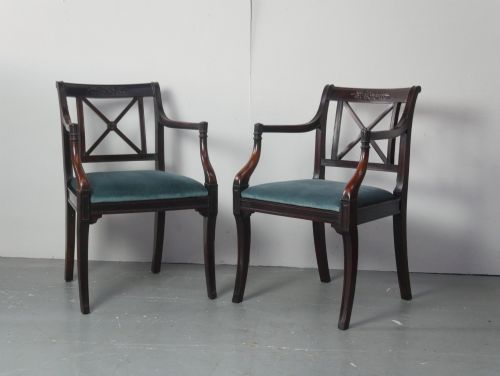
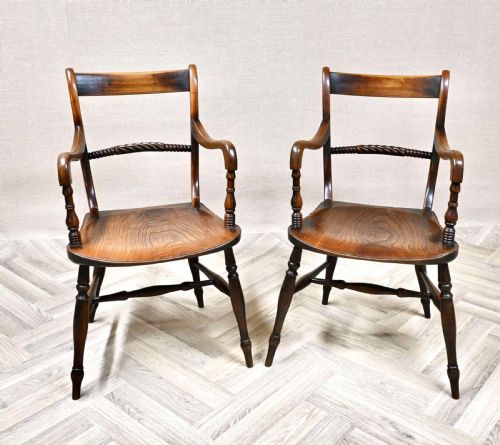
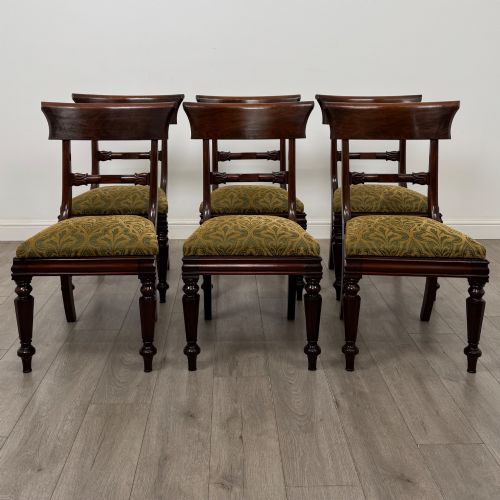
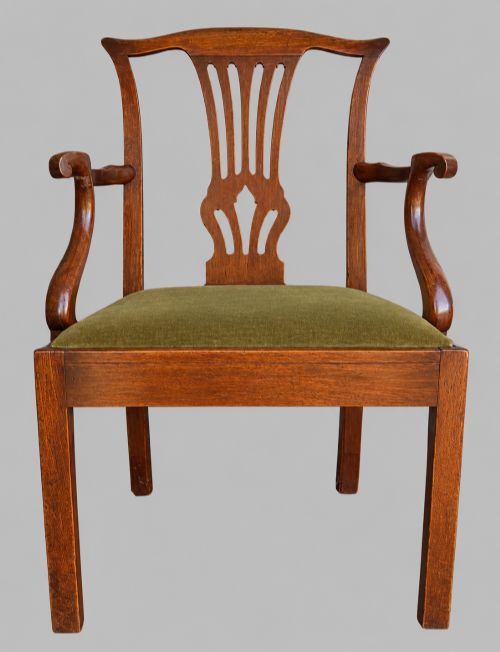
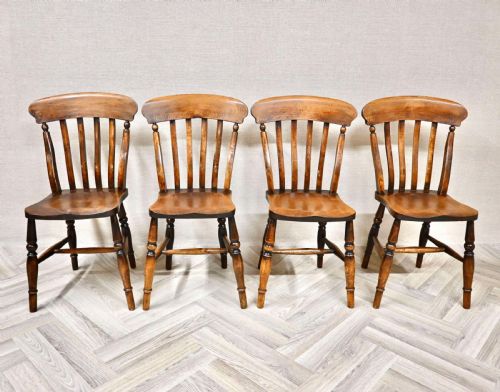
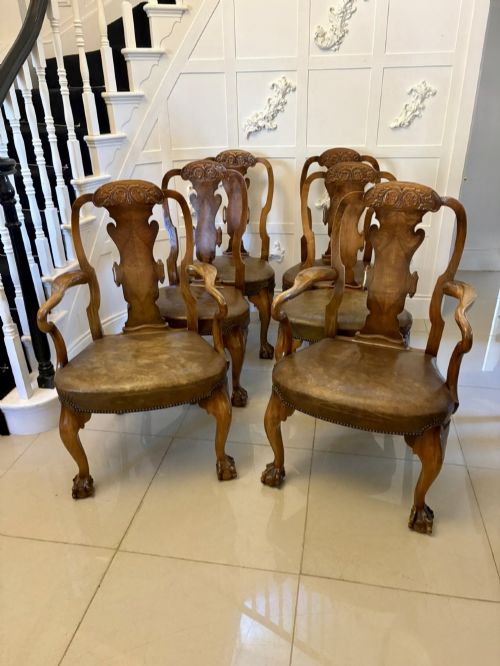
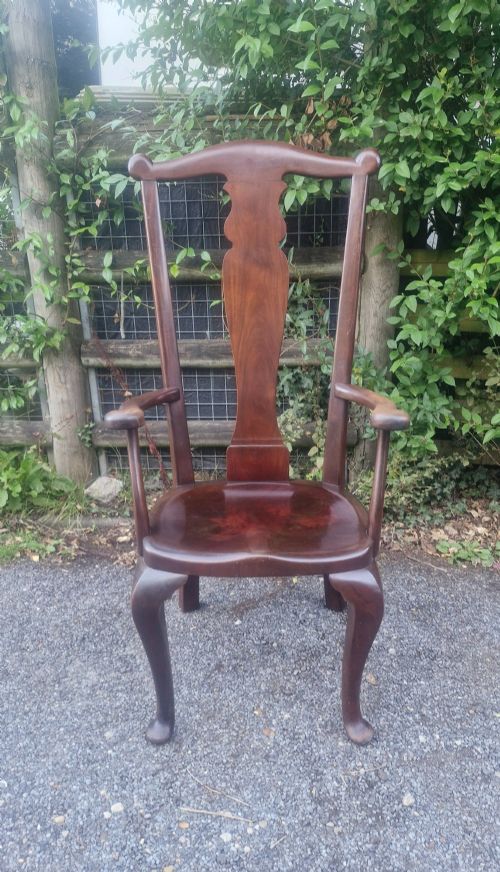
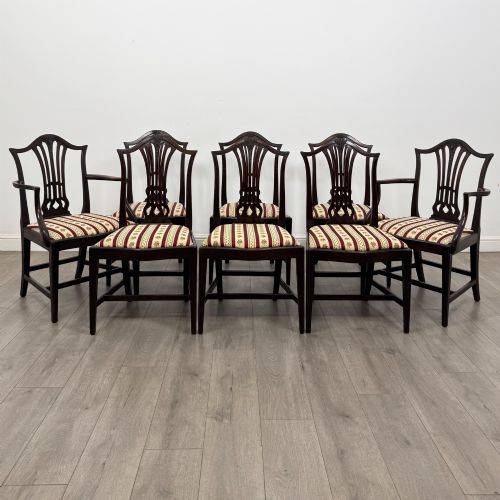
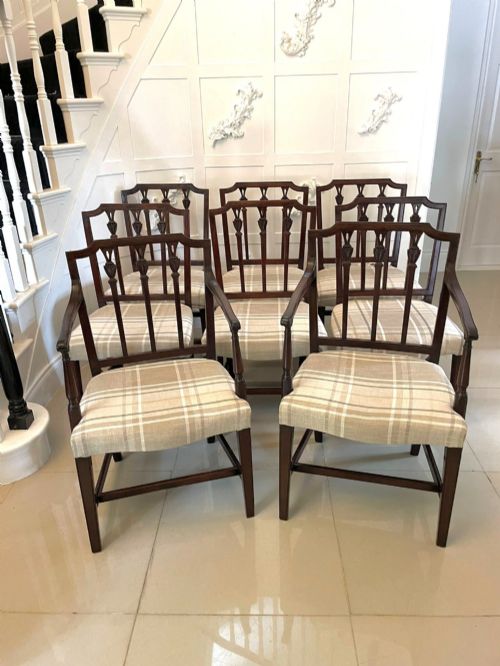
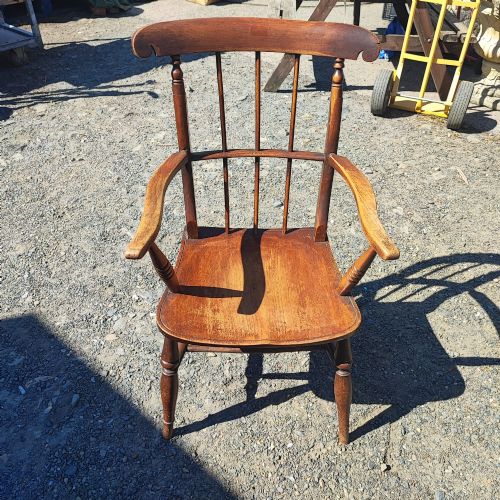
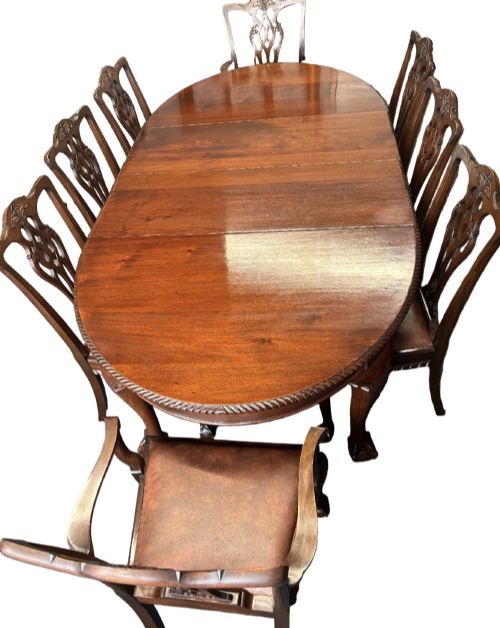
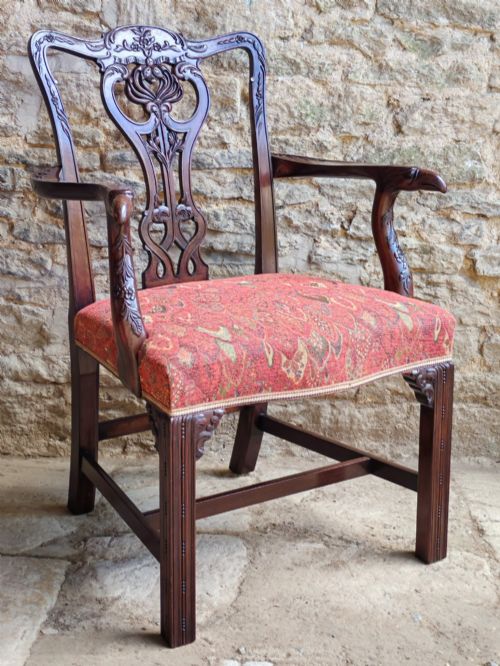
When someone searches for vintage dining chairs, they encounter everything from formal 18th century mahogany carvers to utilitarian kitchen windsors in elm and beech. Sets of six or eight pieces appear frequently alongside pairs and individual armchairs.
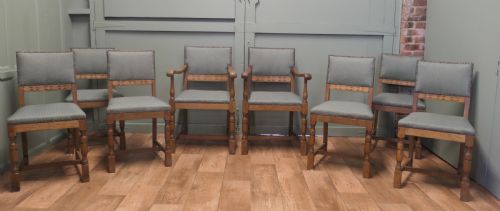
The periods represented stretch across the 18th, 19th, and early 20th centuries, taking in Victorian balloon backs, Edwardian oak designs, and revival styles. Country kitchen chairs sit alongside formal dining room seating in mahogany, oak, and walnut.
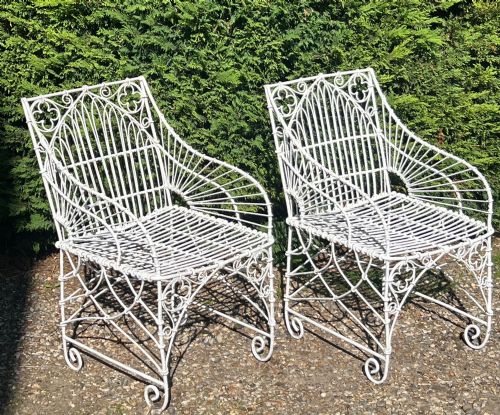
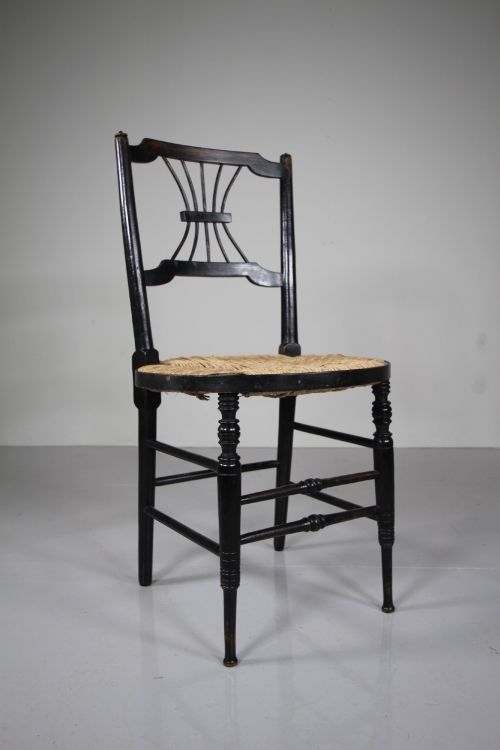
Buyers find specific regional forms like Windsor barbacks and wheelbacks, alongside decorative variations such as shield backs, Gothic iron garden seats, and Arts and Crafts golden oak pieces.
Materials and Construction
Timbers such as mahogany, oak, elm, ash, and beech form the structural backbone of these pieces, often shaped into solid seats, turned legs, and curved backrests. Joinery relies on traditional pegging, mortise and tenon joints, and steam bending for components like Windsor bows.
Upholstered variants incorporate fabric, leather, and velvet stretched over padded seat pads or high back panels. Metal details appear in brass inlay and iron garden structures, while finishes range from polished mahogany surfaces to simpler painted or waxed country timbers.
Vintage Dining Chairs Retail Price Guide 2026
Typical asking prices for vintage dining chairs among the pieces listed under this phrase on Sellingantiques today, from the lower quarter to the upper quarter. They describe what is for sale here now, not the wider market.
Several kitchen windsors retain generations of accumulated polish from country farmhouse meals.
Craftsmanship and Proportion
The distinction between standard examples and finer pieces lies in the crispness of the timber carving, the selection of figured grain veneers, and the integrity of the original joinery. Robust frame construction without excessive timber shrinkage separates long-lasting seating from compromised pieces.
Proportion and comfort also dictate standing, where well-balanced armchairs and properly matched dining sets maintain their structural rigidity through daily use without looseness in the leg joints or back rails.
William Morris Antique Sussex Chair by Rossetti·Maurice Adams·Howard and Sons·Mundus Kohn
The Vintage Dining Chairs Glossary
- Carver
- An armchair designed to sit at the head of a dining table. These usually feature supportive elbow rests.
- Windsor
- A traditional chair construction featuring turned legs and spindles wedged directly into a solid wooden seat. The back is formed by bentwood bows or lath supports.
- Balloon Back
- A rounded, oval-shaped backrest popular during the Victorian period. This profile echoes the curved outline of a balloon.
- Shield Back
- A decorative chair back shaped in the outline of a heraldic shield, commonly associated with 18th century and revival dining seats.
- Wheelback
- A wooden Windsor variation featuring a pierced splat carved in the circular shape of a spoked wagon wheel.
Vintage Dining Chairs: Frequently Asked Questions
How do I match chairs to a table?
Look at the height of the apron and the arm clearances to ensure the chairs slide underneath comfortably. Matching the timber species, such as mahogany or oak, helps unify different periods.
Consider the overall aesthetic weight of the table legs against the backrest design of the seating. Lighter Windsor forms suit rustic farmhouse tables, whereas formal mahogany shield backs pair with antique dining tables.
Can I mix carvers and side chairs?
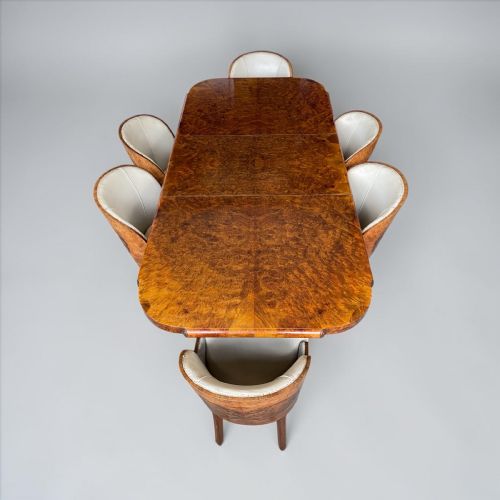
Placing armchairs at the head and foot of the table while running side chairs along the sides is a traditional arrangement. This creates a balanced look for formal dining sets.
Ensure the seat heights match even if the back heights differ slightly. This keeps diners level and comfortable during meals.
How do I care for antique upholstery?
Vacuum fabric, velvet, and leather surfaces gently with a soft brush attachment to remove dust. Avoid harsh chemical cleaners that can degrade historic textiles.
Keep wooden frames nourished with appropriate wax polishes rather than silicone sprays. Protect leather elements with specialised balms to prevent drying and cracking.
Are these chairs suitable for daily use?
Solid timber frames in oak, elm, and mahogany provide the structural strength needed for everyday seating around a busy kitchen or dining table. Check that joints remain firm before regular use.
Vintage upholstered pads can be restuffed or recovered using modern internal materials if necessary. This preserves the historic frame while offering contemporary comfort.