



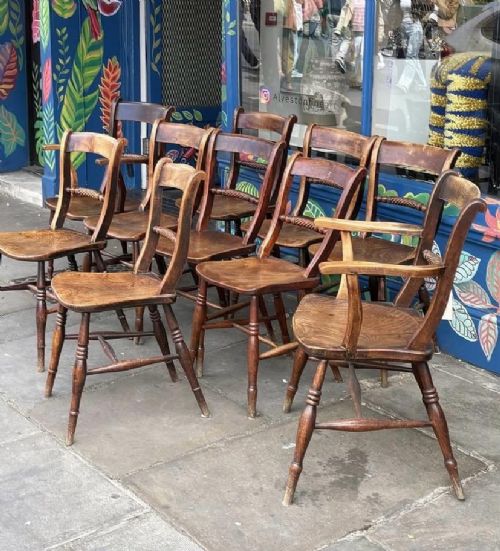
Antique Oak Carver
An antique oak carver brings sturdy timber, generous armrests and centuries of domestic utility straight to the fireside or dining table.
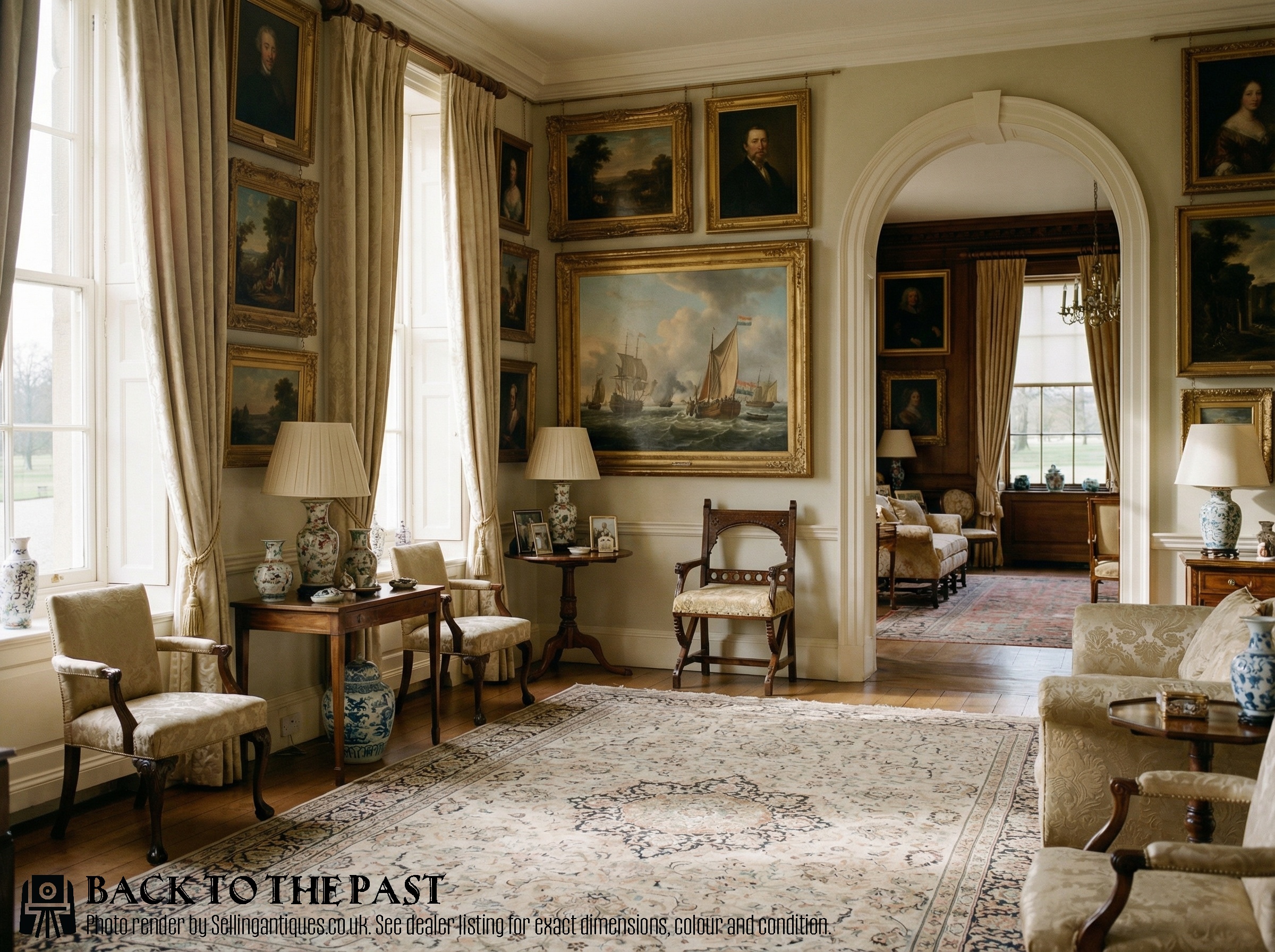
Defining the Form
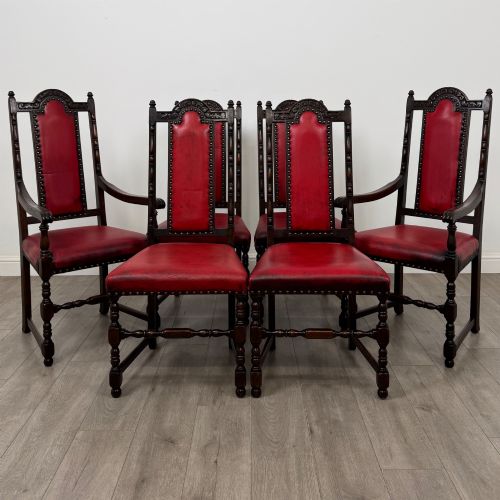
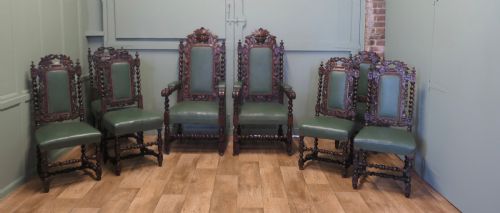
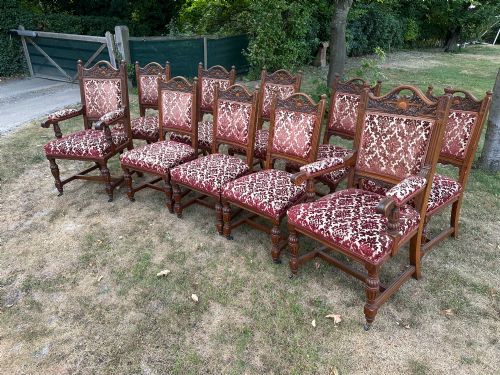
An antique oak carver functions as an arm-equipped seating option traditionally placed at the head of a dining table or beside a hearth. These chairs appear in forms spanning the seventeenth century, the Victorian era, and early twentieth-century revivals like the nineteen-twenties.
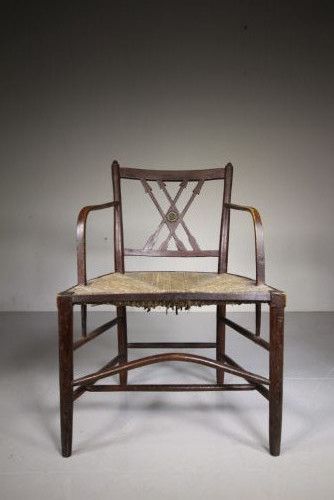
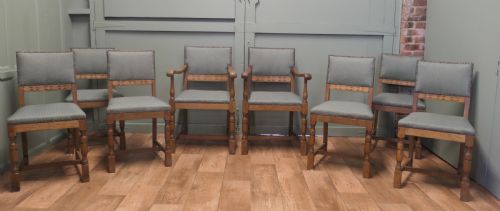
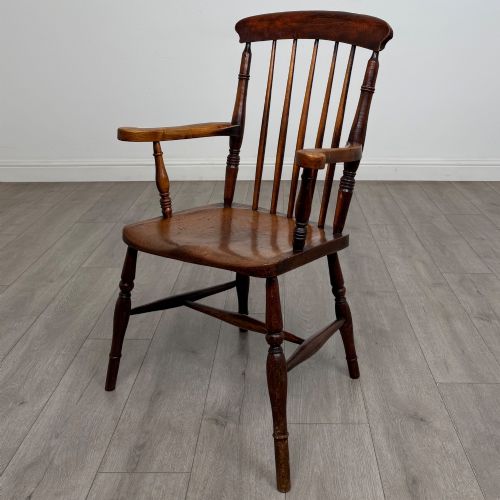
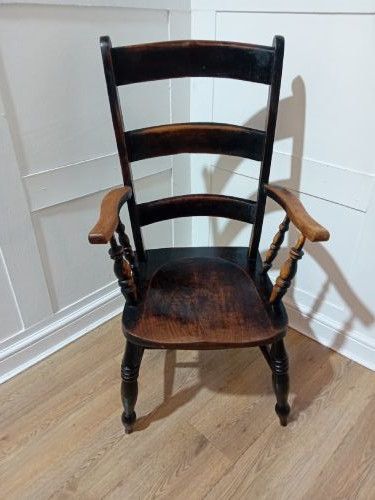
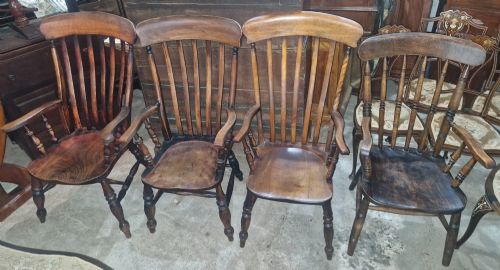
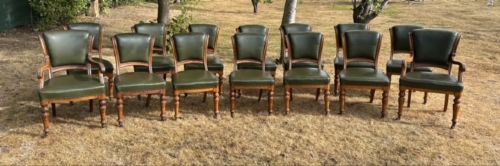
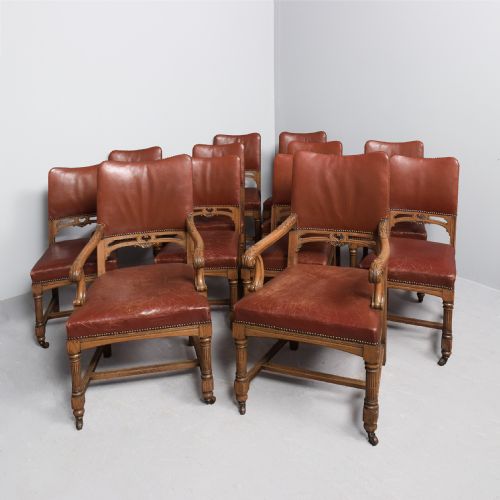
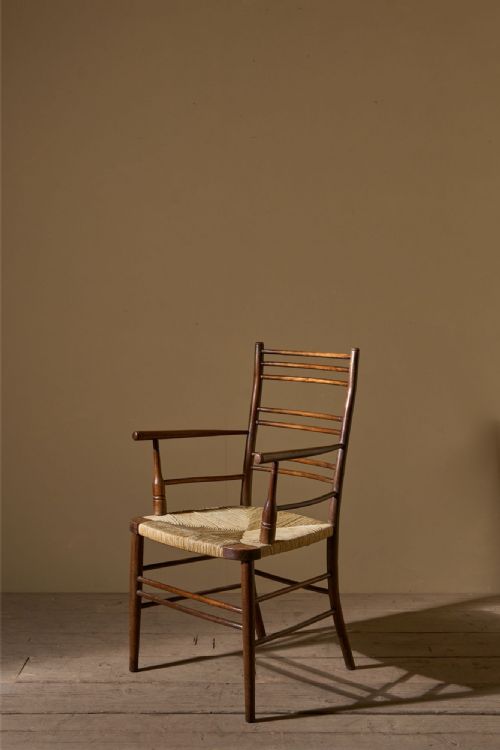
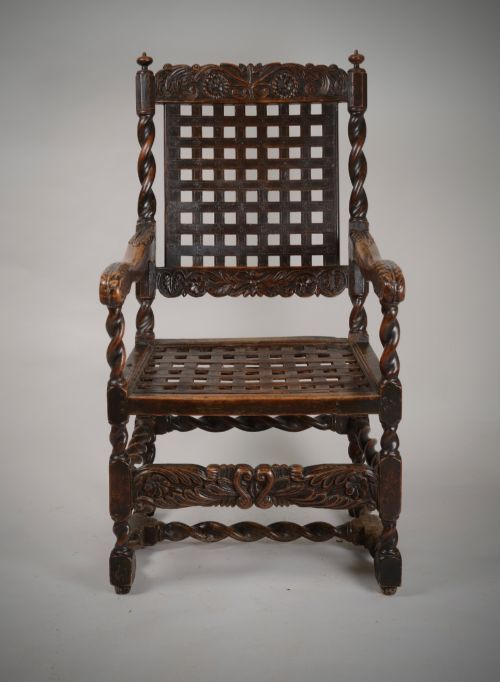
The pieces on this page emerge from regional English, Scottish, and Welsh workshops, taking shapes such as ladderbacks, spindle backs, and panelled elbow chairs. Buyers encounter everything from country kitchen seating to formal Jacobean and Gothic revival armchairs.
Materials and Construction
Makers built these carvers primarily using solid oak, occasionally integrating secondary materials like fabric, leather, brass studs, and rush for seats. Frameworks rely on traditional joinery techniques, utilising turned spindles, barley twists, and carved wooden members.
Surface detailing ranges from plain rustic finishes to elaborate Gothic and Jacobean revival motifs. Structural integrity depends heavily on the density of the oak and the precision of the joints holding the arms and legs together.
Retail Price Guide 2026
Typical UK retail prices for oak carver, calculated from the Sellingantiques database of over a million retail prices indexed since 2003. This retail price guide relies exclusively on Sellingantiques data; no external sources or auction records are used, so the figures do not describe the wider market.
Listings feature oak combined with leather, fabric, brass, and rush across Victorian, Edwardian, and seventeenth-century periods.
Assessing Standards
Quality rests upon the weight and grain of the timber, alongside the crispness of any hand-carved ornamentation. Early seventeenth-century examples display deeply cut relief work, while later revival pieces lean on the depth of turning and the tightness of the joinery.
Upholstered or leather pads vary according to the grade of hide and the neatness of the brass tacking. Original construction methods without modern steel reinforcements separate standard utilitarian seating from finer studio or maker-labeled works.
Charles Bevan·Heals of London·Norman Foster·Liberty
The Antique Oak Carver Glossary
- Carver
- An armchair designed with elbow rests, traditionally used by the head of the household at a dining table.
- Barley twist
- A type of decorative wood turning resembling a twisted rope, common in seventeenth-century and revival furniture.
- Jacobean Revival
- A nineteenth and early twentieth-century style imitating the heavy, geometric carved woodwork of the early seventeenth century.
- Ladderback
- A chair back featuring horizontal wooden slats between the upright rear posts.
- Spindle back
- A chair back composed of numerous thin, turned vertical wooden rods.
Frequently Asked Questions
What is an antique oak carver?
An antique oak carver is an armchair featuring wooden armrests, historically made to sit at the head of a dining table or beside a fireplace.
These chairs combine sturdy construction with regional styles ranging from plain country ladderbacks to heavily carved Gothic revival designs.
How do I date an oak carver?
Dating relies on examining the joinery methods, tool marks, and stylistic indicators such as turning patterns and carving motifs.
Seventeenth-century pieces show hand-riven timber and pegged joints, whereas Victorian and twentieth-century revivals often incorporate machine-turned components.
Where should I place a carver chair?
These armchairs suit placement at either end of a dining table as host seating.
They also function effectively as standalone fireside chairs, desk seats, or decorative accents in hallways.
Are oak carvers comfortable for daily use?
Solid timber frames provide firm support, while variations with leather or rush seats offer additional cushioning.
Many buyers add loose squabs or cushions to adapt these historic chairs for modern seating comfort.