

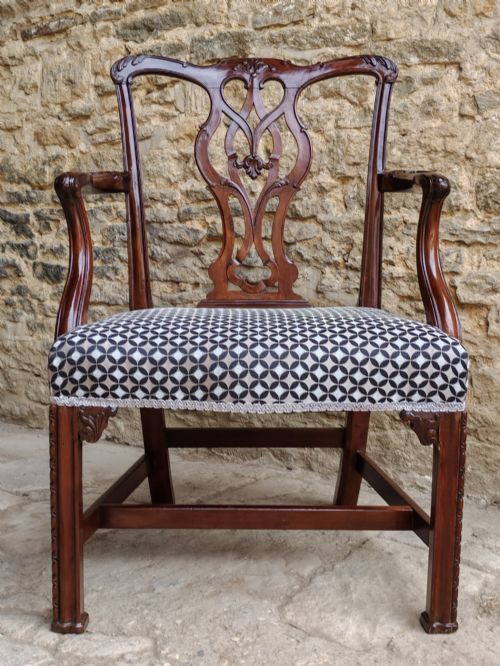


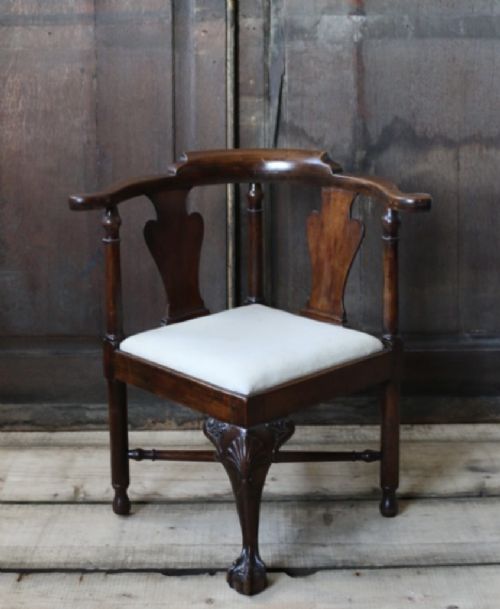


Antique Writing Chair
An antique writing chair is a practical seat built for correspondence, and these timber and leather examples provide firm support at a desk.
Antique Writing Chair
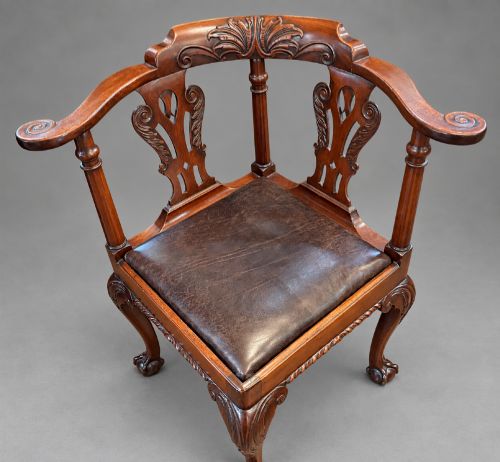
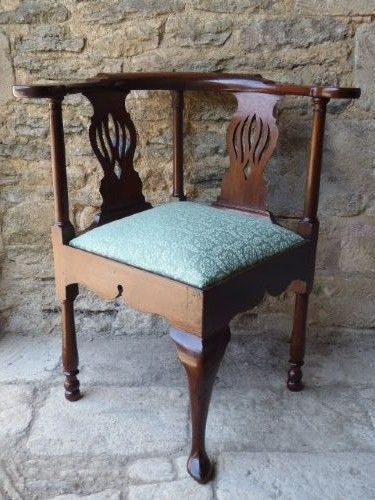
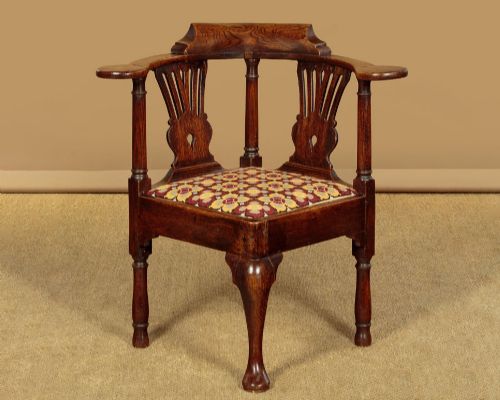
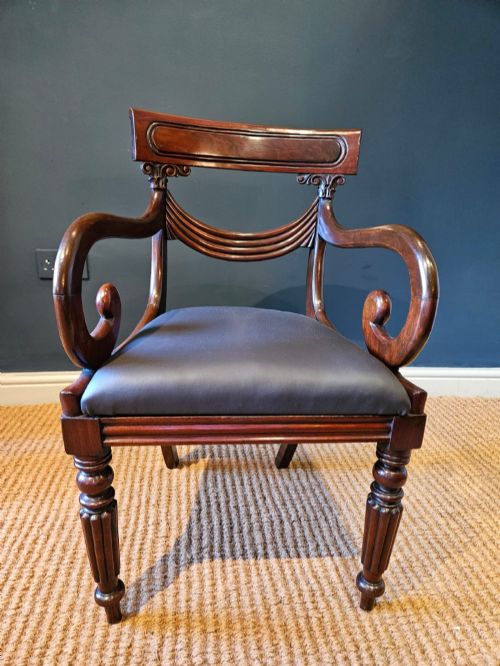
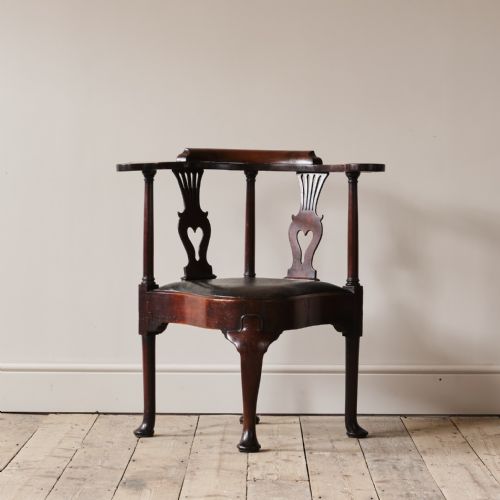
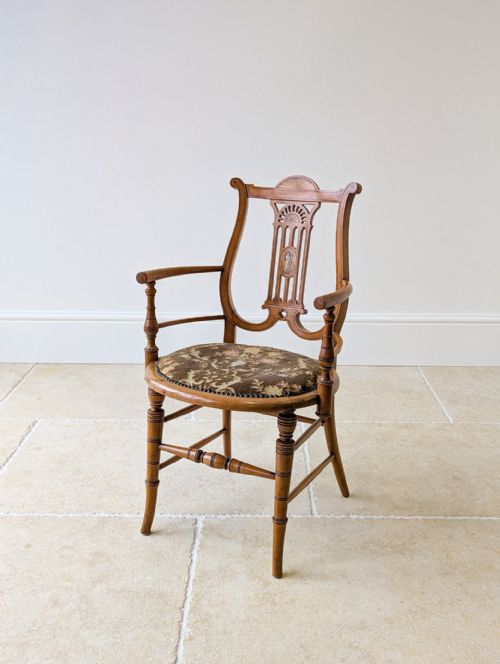
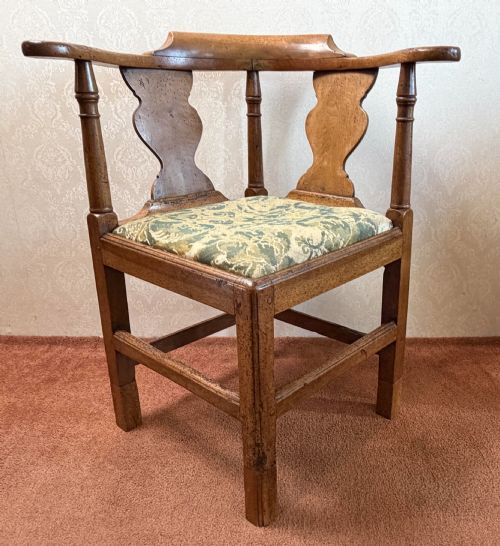
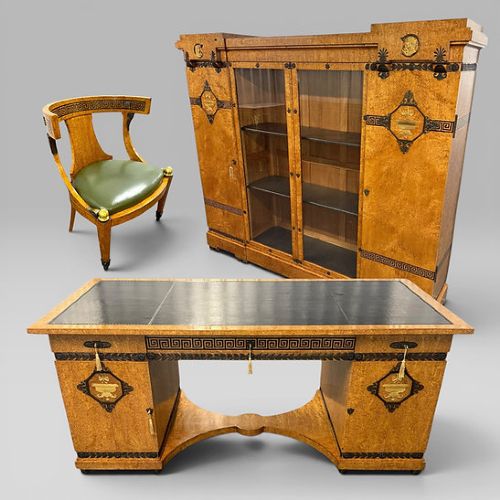
When you search for an antique writing chair, you encounter a variety of forms designed specifically for work at a desk or table. The selections on this page span from early eighteenth-century corner chairs to late nineteenth-century mahogany and oak library seating.
Corner chairs appear frequently among these listings, alongside standard desk chairs, carvers, and library armchairs. These pieces derive from periods including the Georgian, Regency, Victorian, and Edwardian eras, reflecting changing domestic habits across centuries.
Makers and workshops utilised native and imported timbers, pairing sturdy frames with leather or fabric upholstery. The objects serve both utilitarian and decorative functions in a study or library setting.
How they were made
Makers constructed these chairs primarily using hardwoods such as mahogany, oak, walnut, and elm, often accented with satinwood or brass fittings. Joinery relied on traditional techniques to ensure stability for daily use at a desk.
Upholstered versions incorporate leather, fabric, or tapestry seats, secured to the timber frame with careful padding. Craftspeople shaped armrests and backrails to accommodate the posture required for reading and writing.
Antique Writing Chair Retail Price Guide 2026
Typical asking prices for writing chair among the pieces listed under this phrase on Sellingantiques today, from the lower quarter to the upper quarter. They describe what is for sale here now, not the wider market.
Corner chairs and desk chairs represent the primary forms found within these historical inventories.
What varies in quality
The refinement of the carving and the choice of primary timber distinguish individual examples. Chairs executed in finely figured mahogany or walnut with inlaid details represent a higher tier of workmanship than simpler country pieces.
The integrity of the original frame structure and the quality of secondary timbers underneath determine the longevity of the piece. Subtle details in the turning of legs and the shaping of splats separate standard items from superior productions.
Mercier Frères·Boston Chair Company·Marsh Jones of Leeds·Heals
The Antique Writing Chair Glossary
- Corner chair
- A seat designed to fit into the corner of a room, featuring a diagonal plan with a semicircular backrest supported by turned columns. These forms were frequently utilised for writing and social interaction.
- Carver
- An armchair, often matching a set of smaller dining or desk chairs, featuring extended armrests. They provide additional support during prolonged periods of sitting.
- Bergère
- An enclosed upholstered armchair with exposed wooden framing and cane or woven panels on the sides and back. This French style offers a lighter appearance than fully padded upholstery.
- Satinwood
- A lustrous timber native to India and Sri Lanka, characterised by a golden yellow colour and a fine grain. It appeared frequently in decorative inlay work during the eighteenth and nineteenth centuries.
- Splat
- The vertical wooden strip down the centre of a chair back. Its contour and carving often indicate the stylistic period of the piece.
Antique Writing Chair: Frequently Asked Questions
How do I care for leather upholstery?
Leather upholstery benefits from gentle dusting and occasional treatment with appropriate conditioning balms to prevent drying. Avoiding direct sunlight helps preserve the natural tone of the material.
Many nineteenth-century desk chairs feature original or replacement leather inserts that develop a distinct patina over decades of use.
Where were these chairs used?
These seats belonged in libraries, studies, and private offices where householders managed correspondence and accounts. Their designs prioritised stability and comfort during extended tasks.
Examples range from robust country oak seating to refined mahogany and satinwood models made for formal town houses.
How do I identify a Georgian desk chair?
Georgian desk chairs typically display architectural proportions, carved splats, and sturdy cabriole or straight legs. Timbers from this era are predominantly mahogany, walnut, or oak.
Makers of the period focused on durable joinery combined with understated decorative carving on the crest rail and arms.