





Cabriole Leg Corner Chair
A cabriole leg corner chair brings distinctive Georgian form and curved support to any room.
Cabriole Leg Corner Chair
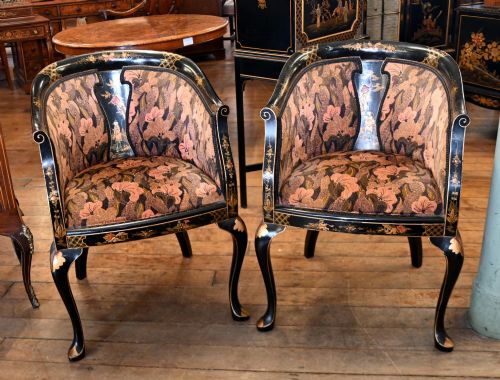
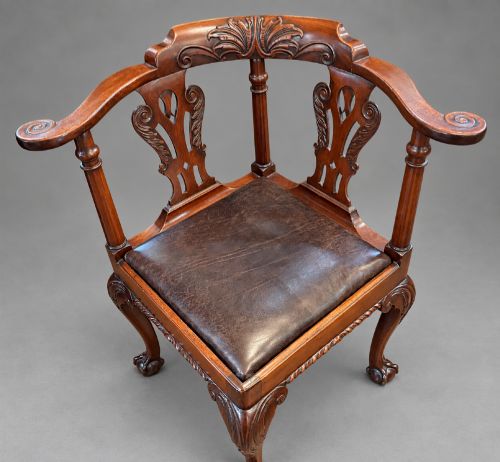
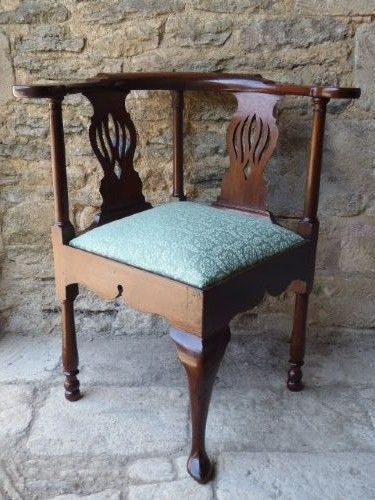
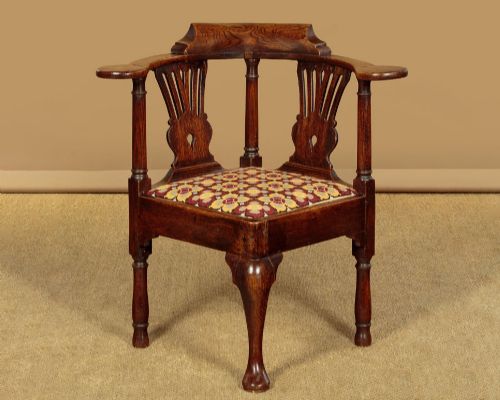
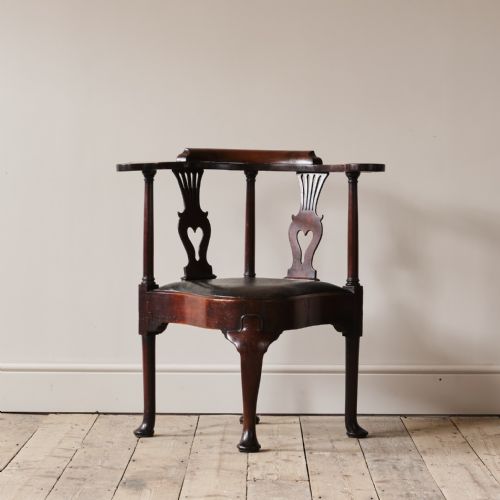
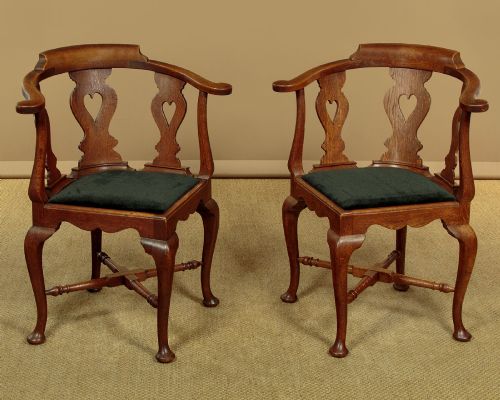
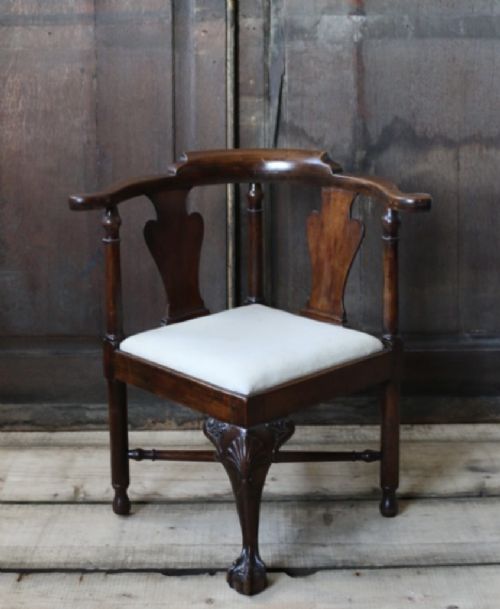
A cabriole leg corner chair provides specialised seating designed to fit neatly into domestic angles whilst offering a wide, enveloping seat. These pieces feature the characteristic curved leg forms associated with early and mid-Georgian design, alongside the distinctive diagonal orientation of a corner chair layout.
The selections encountered here span periods from the early eighteenth century onwards, including George I, George II, and George III eras, as well as later interpretations from around nineteen hundred. Common timber choices across these listings include mahogany, walnut, oak, fruitwood, and combinations such as fruitwood and oak.
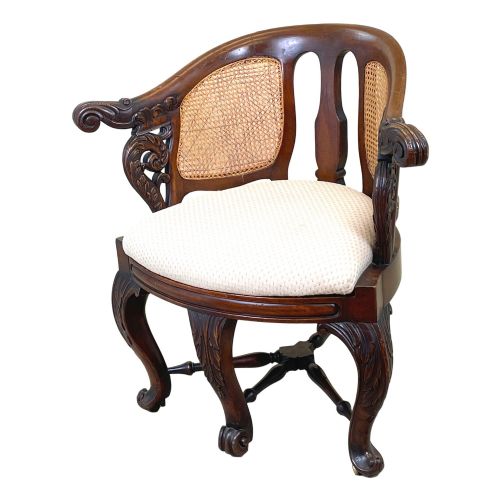
Form variations include standard armchairs and pieces specifically designed as desk or reading chairs. Surviving examples often retain original or period upholstery in fabric, leather, or textile, whilst others feature traditional rush seats.
Materials and construction
Cabinetmakers constructed these corner seats using dense hardwoods like mahogany and walnut for fine formal output, alongside robust timbers such as oak and fruitwood for vernacular commissions. The defining cabriole leg shape required skilled carving from solid stock to achieve the characteristic double curvature.
Joinery techniques united sturdy corner posts with curved wooden armrails and vertical splats, often incorporating drop-in seats upholstered in textiles, leather, or fabric. Some variants utilised woven rush to form the seating platform directly within the wooden frame.
Cabriole Leg Corner Chair Retail Price Guide 2026
Typical asking prices for cabriole leg corner chair among the pieces listed under this phrase on Sellingantiques today, from the lower quarter to the upper quarter. They describe what is for sale here now, not the wider market.
Some corner chairs double as reading seats, proving ancestors also enjoyed a proper corner to brood in.
Assessing quality and distinction
The distinction between standard examples and exceptional pieces rests upon the grace of the timber carving and the sophistication of the cabriole leg profile. Finer items display crisply rendered knees and feet, whereas simpler versions rely on unadorned structural strength.
Proportion and wood selection dictate visual hierarchy, with richly figured walnut or densely grained mahogany marking out high-status commissions from simpler oak or mixed fruitwood variants.
The Cabriole Leg Corner Chair Glossary
- Cabriole leg
- A furniture leg that curves outward at the knee and tapers inward toward the foot, mimicking animal limbs. This form dominated fashionable seating design during the eighteenth century.
- Corner chair
- A seating form designed with a diagonal orientation to fit directly into room angles. The backrest curves around the upper rail, supported by multiple upright pillars.
- Drop-in seat
- A removable wooden frame upholstered separately and dropped into a ledge within the chair seat rail. It allows for easier reupholstery.
- Rush seat
- A seating surface woven from dried marsh plants around a wooden frame. This technique appears frequently on vernacular chairs.
Cabriole Leg Corner Chair: Frequently Asked Questions
Where did they place these chairs?
These chairs served primarily in studies, parlours, and bedchambers where efficient use of space mattered. Their diagonal layout allowed them to tuck snugly into room angles.
They also functioned effectively as writing or reading seats in domestic workspaces.
How do I date a corner chair?
Dating relies on identifying stylistic markers from periods like the early eighteenth century or the Georgian era. Details such as leg profiles and timber choices provide the primary chronological clues.
Construction methods inside the seat frame also help verify the period of manufacture.
What is the difference between desk and armchair versions?
Desk and reading variants often featured specific back heights or modified rails to support writing postures. Standard armchairs focused more on general parlour seating comfort.
Both types shared the fundamental diagonal plan and curved support structure.
Which woods were used?
Cabinetmakers utilised high-status timbers like mahogany and walnut for fashionable urban pieces. Regional workshops frequently turned to native oak and fruitwood.
Some examples combined woods, using fruitwood frames alongside oak structural components.