

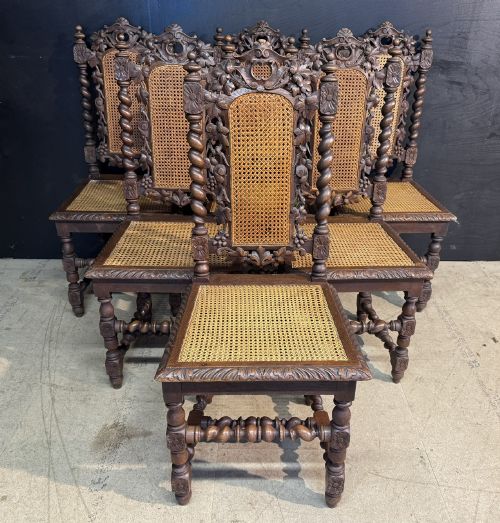
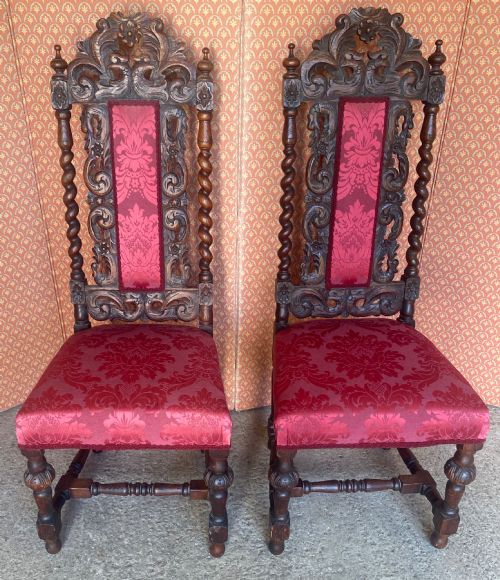
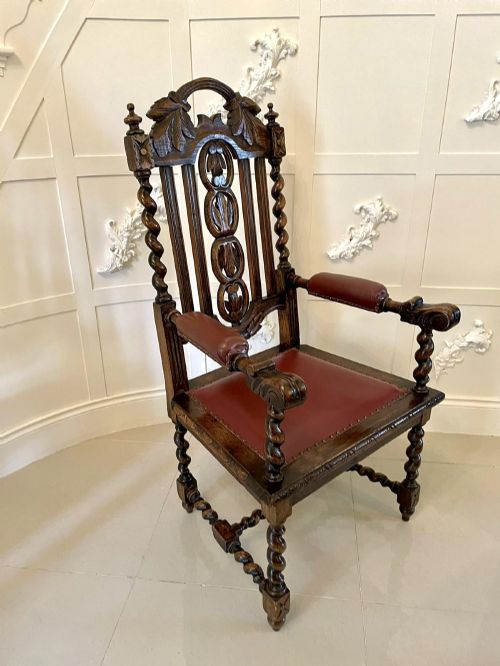
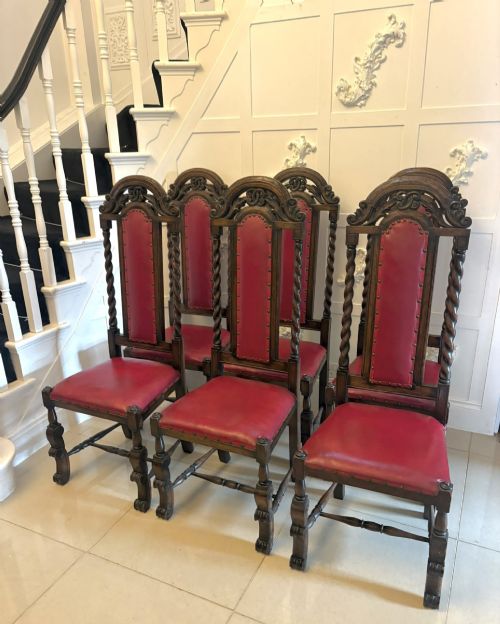
Barley Twist Chair
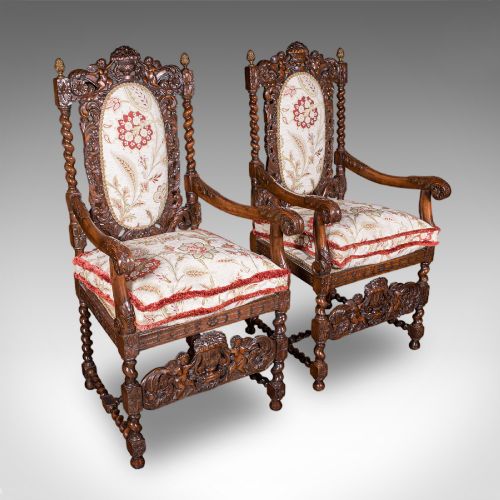
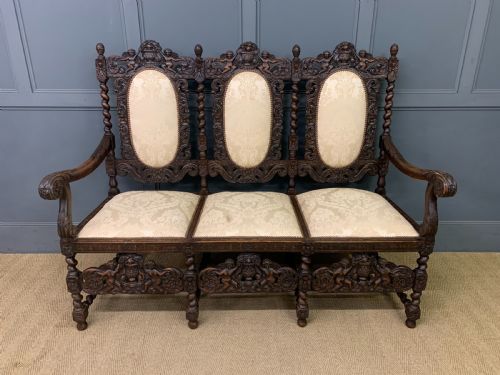
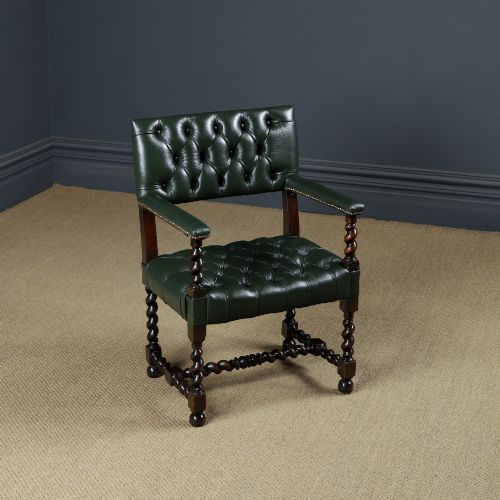
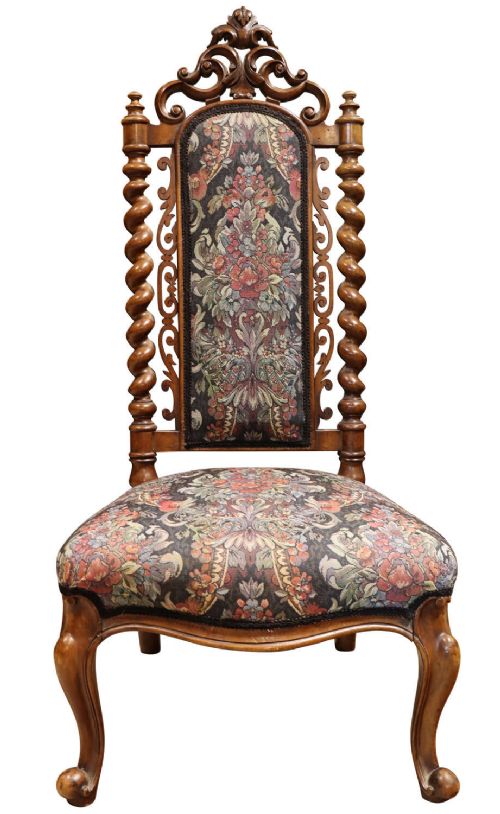
When choosing a barley twist chair, you select a traditional seating form defined by its distinctive spiral turned wooden supports.
Barley Twist Chair
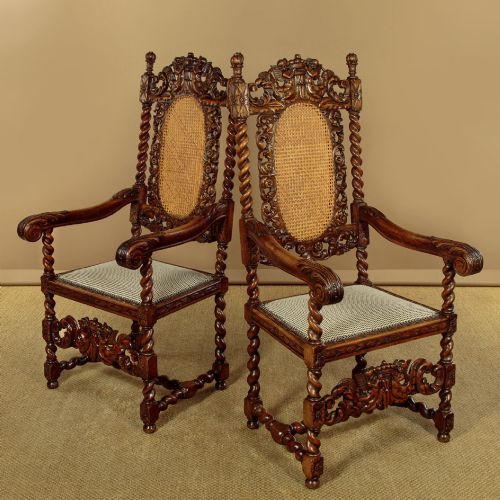
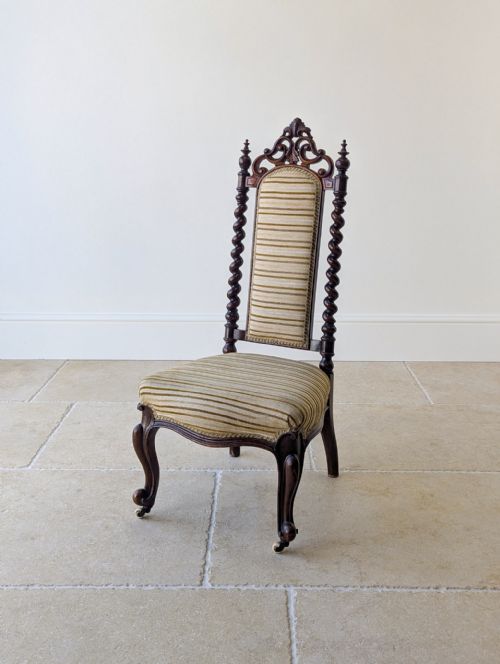
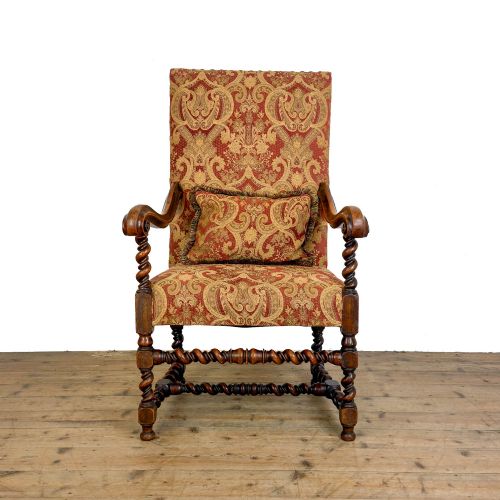
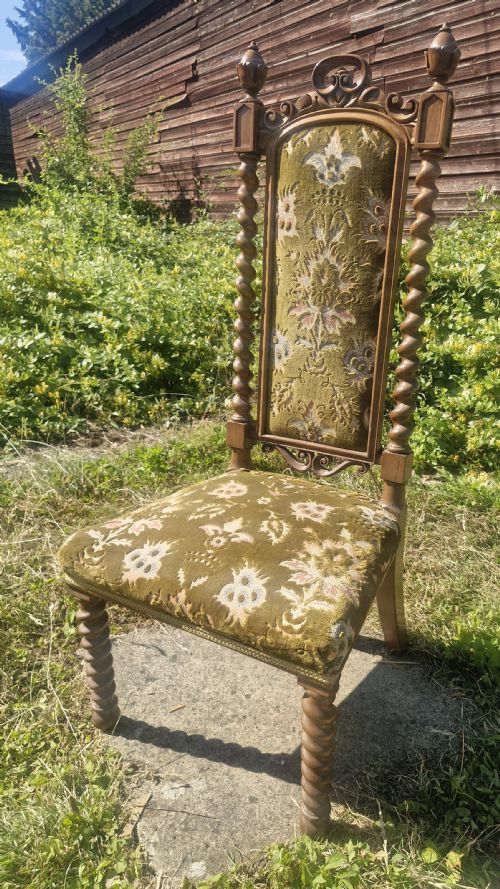
A barley twist chair is a traditional seating form characterised by spiral turned wooden legs, uprights or stretchers that appear across numerous periods.
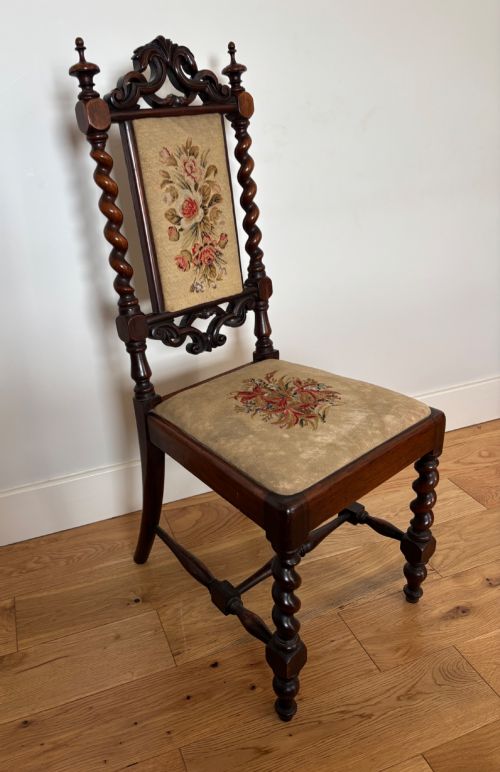
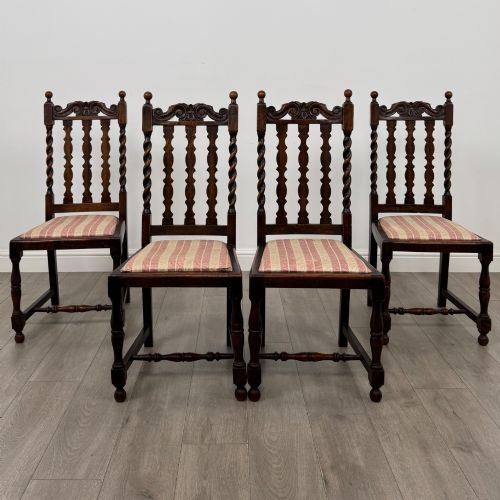
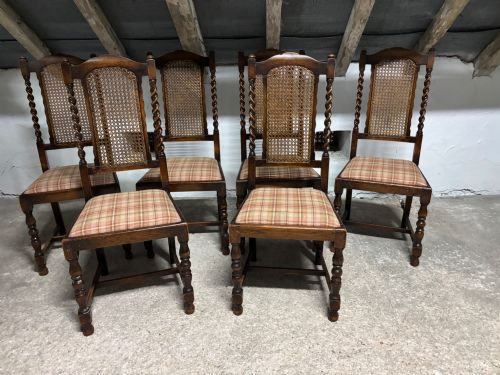
The selections visible here range from seventeenth century walnut and oak examples to nineteenth century Victorian designs and early twentieth century Edwardian dining sets.
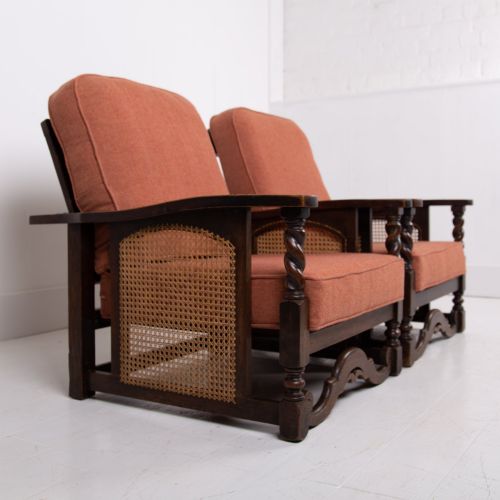
Forms span dining chairs, armchairs, hall chairs, and occasional seating in oak and walnut, reflecting revivals of Jacobean, Carolean, and Gothic styles.
How They Were Made
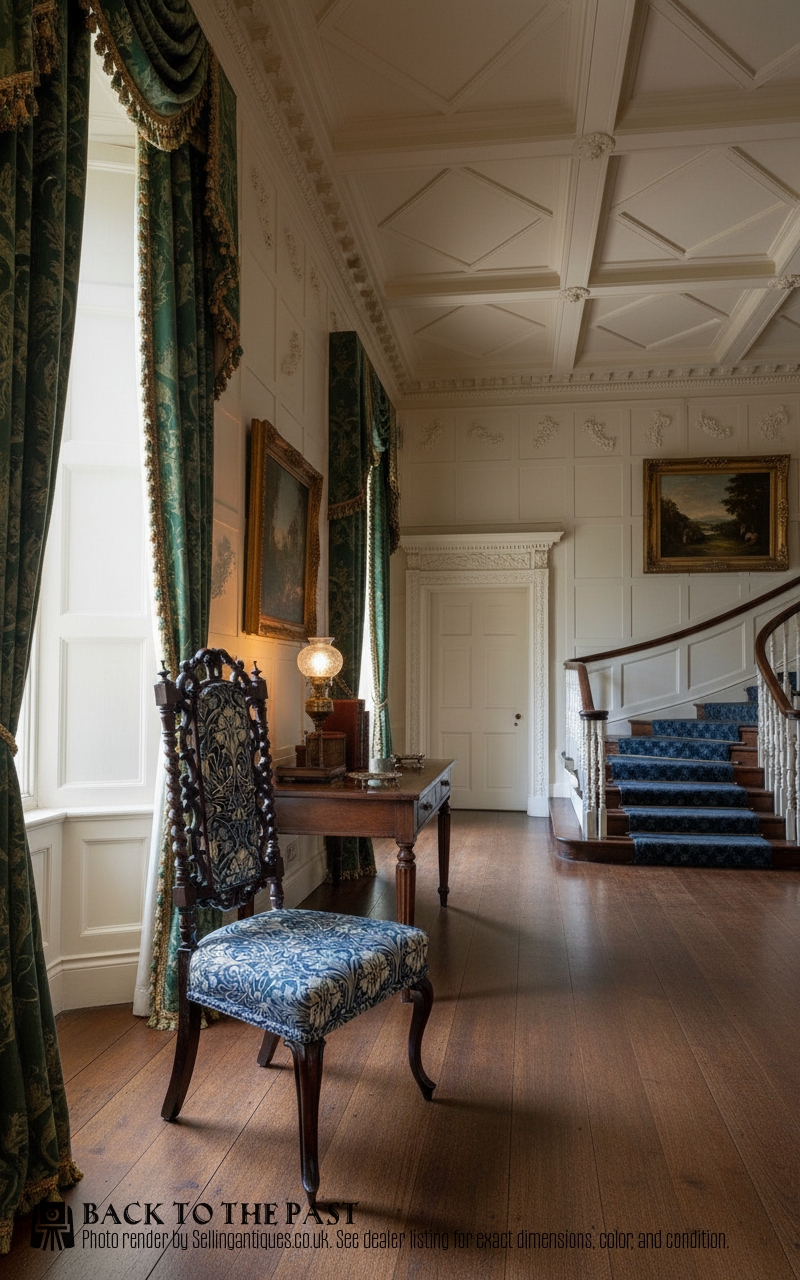
Constructed primarily from hardwoods like oak and walnut, these chairs rely on solid timber frames shaped by hand or lathe.
The spiral turnings are formed by cutting and carving the wood into a twisted profile, supported by joinery such as mortise and tenon.
Upholstery techniques utilise period textiles including tapestry, leather, velvet, and cane panels secured to frames with brass details.
Barley Twist Chair Retail Price Guide 2026
Typical asking prices for barley twist chair among the pieces listed under this phrase on Sellingantiques today, from the lower quarter to the upper quarter. They describe what is for sale here now, not the wider market.
Listings feature oak and walnut predominantly, alongside rosewood, ebony, and satinwood across Victorian, Edwardian, and seventeenth century periods.
What Varies in Quality
Quality rests upon the crispness of the timber carving and the architectural proportion of the spiral twist itself.
Original frames showing robust timber selection and period joinery hold greater distinction than later assembled pieces.
The integrity of the timber species, whether dense oak, figured walnut, or rosewood, defines the character of each piece.
C Hindley And Sons·Denby And Spinks Leeds
The Barley Twist Chair Glossary
- Barley twist
- A type of spiral turning resembling a twisted loaf of bread, used on furniture legs and stretchers. This decorative motif gained popularity in seventeenth century English furniture and saw major revivals during the Victorian and Edwardian eras.
- Carver
- An armchair, typically designed to sit at the head of a dining table. These pieces often feature arms and broader proportions than standard dining chairs.
- Bergere
- An enclosed upholstered armchair with wooden frames and woven cane sides or backs. They frequently appear in twentieth century oak and walnut iterations.
- Prie Dieu
- A devotional chair featuring a low seat and an elevated upper rail designed for kneeling and prayer. Nineteenth century examples often incorporate intricate needlework and spiral turnings.
- Stretcher
- A horizontal wooden rod connecting the legs of a chair to provide structural rigidity. On these pieces, stretchers frequently display the characteristic spiral turning.
Barley Twist Chair: Frequently Asked Questions
What is a barley twist chair?
A barley twist chair is a seating form defined by spiral turned wooden components on the legs, uprights, or stretchers.
These pieces span multiple centuries, appearing in seventeenth century origins and later nineteenth and twentieth century revival styles.
How do I date a barley twist chair?
Dating relies upon timber selection, construction methods, and stylistic cues such as carved crest rails or upholstery types.
Early pieces utilise native oak and walnut with hand-cut joinery, while later Victorian and Edwardian examples show machine-turned uniformity.
Are barley twist chairs comfortable for daily use?
Many examples provide supportive seating through upholstered pads, high backs, or supportive armrests.
Dining chairs and armchairs offer varying ergonomics depending on whether they feature solid timber backs, cane panels, or padded cushions.
What woods were used for barley twist chairs?
Craftsmen predominantly worked in dense hardwoods capable of holding detailed spiral turnings without splitting.
Oak and walnut dominate the selection, alongside occasional examples executed in rosewood, ebony, and satinwood.