

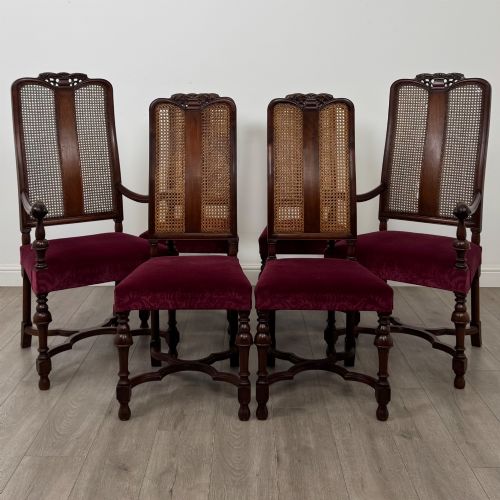
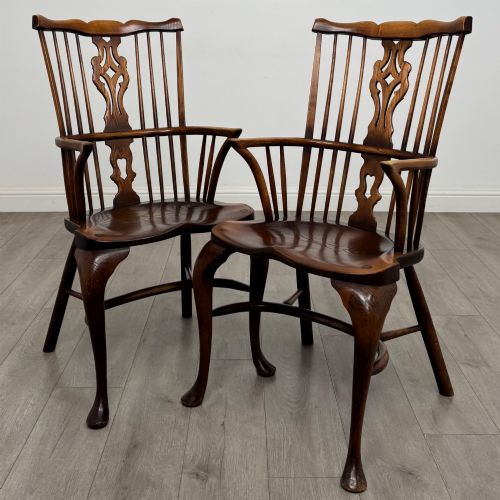
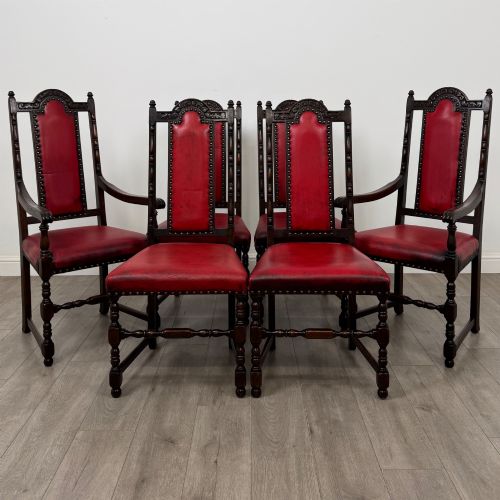
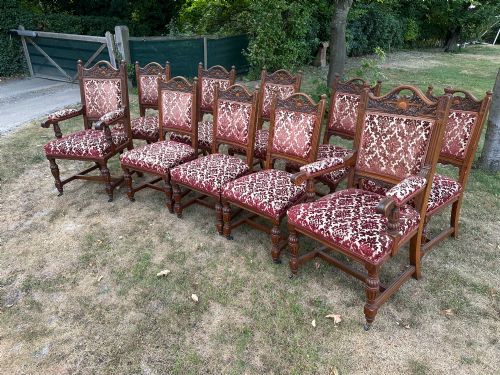
High Back Carver Chair
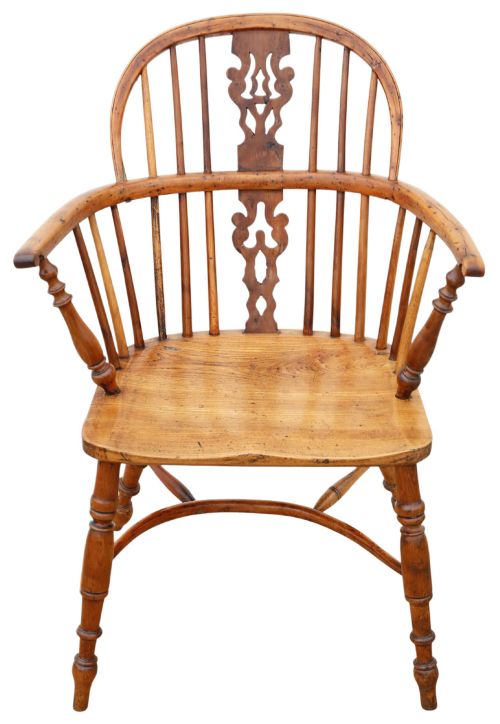
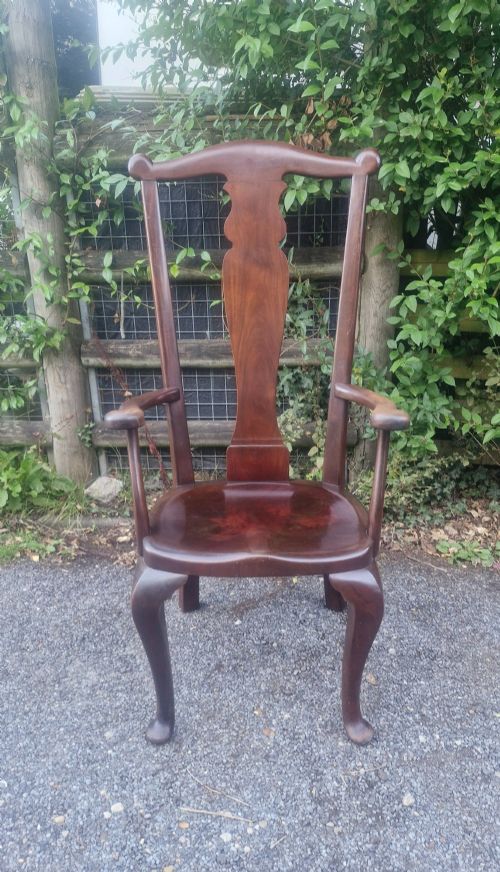
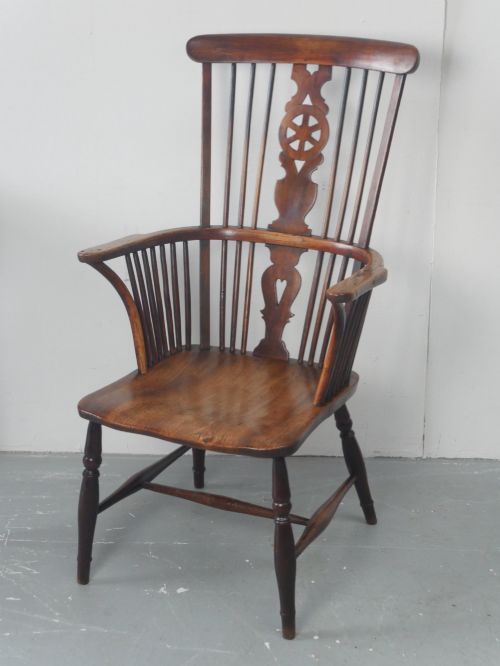
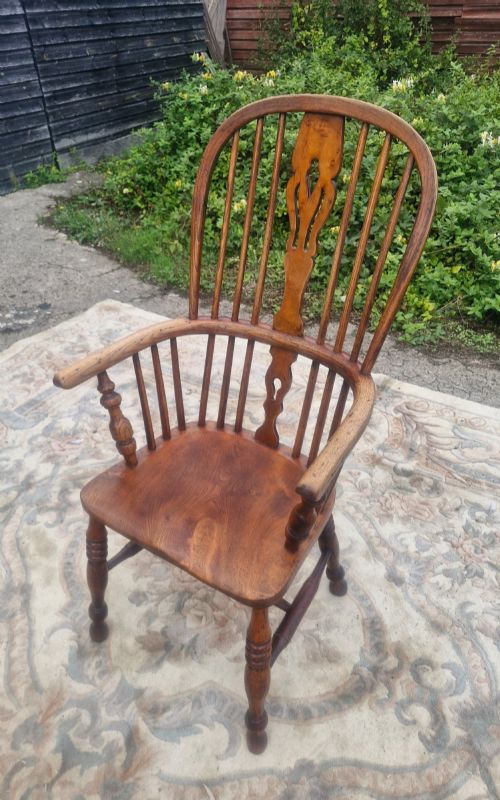
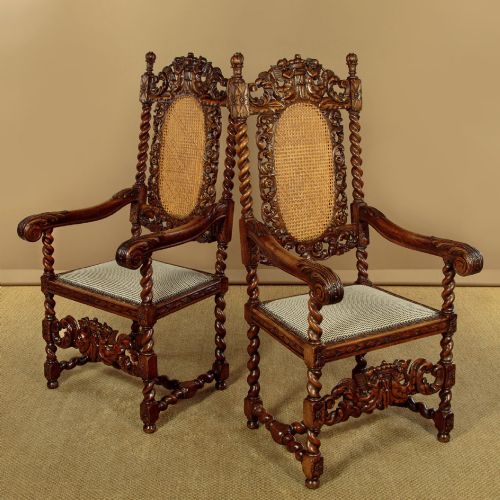
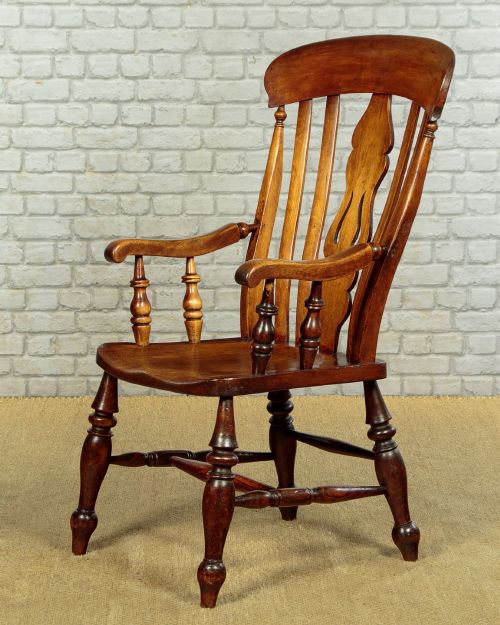
A high back carver chair offers commanding stature and arm support, whether you choose a sturdy kitchen Windsor or an elaborate revival dining seat.
High Back Carver Chair
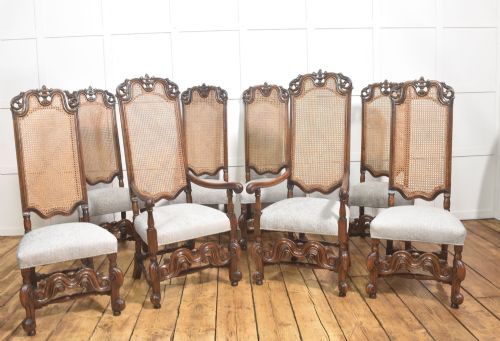
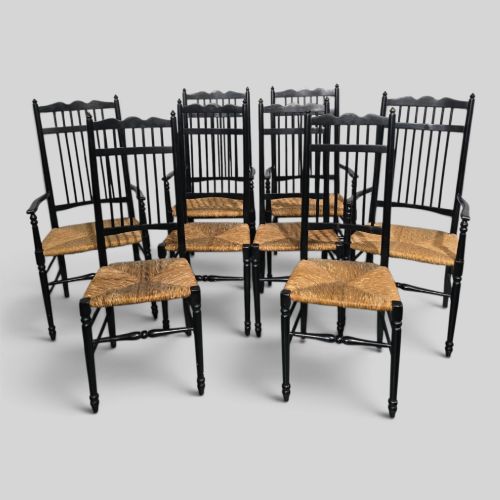
When you search for a high back carver chair, you encounter seating designed with elevated backrests and arms, spanning centuries of domestic life. The selection ranges from rustic vernacular elm and ash Windsor armchairs to formal walnut and oak dining seats.
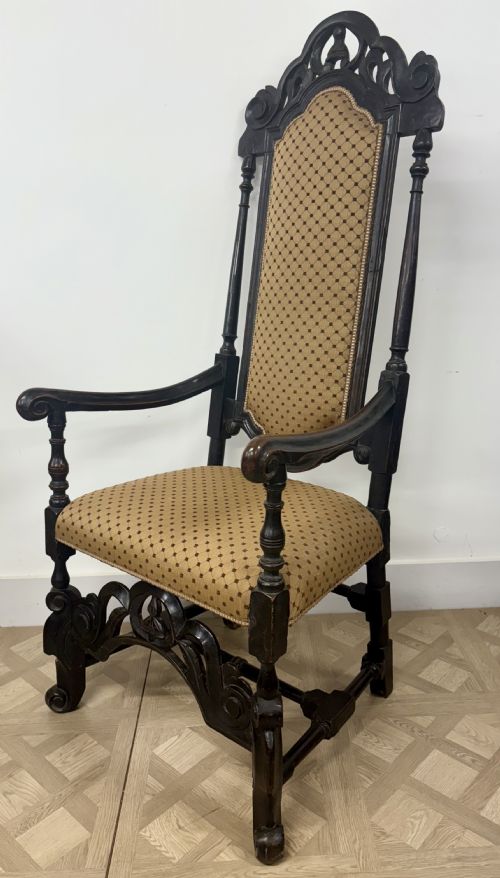
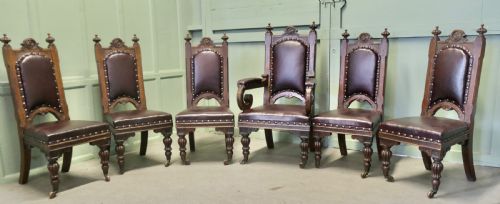
You are most likely to meet 19th-century and Edwardian interpretations on this page, alongside earlier 17th-century revival styles. These pieces function equally well as standalone desk chairs or grand additions to a dining table.
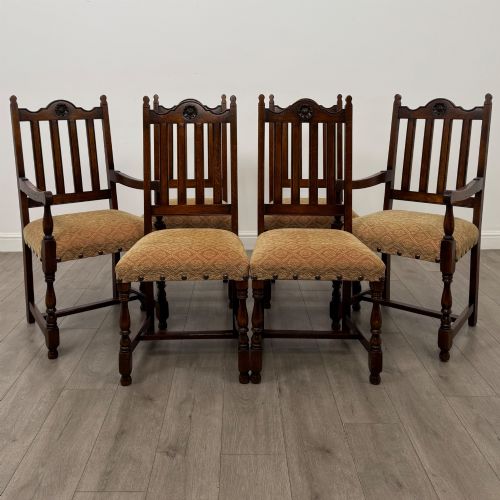
The form encompasses both heavy country kitchen armchairs and slender Arts and Crafts or Jacobean Revival dining carvers. Each variety reflects the prevailing domestic tastes and regional woodworking traditions of its period.
How they were made
Cabinetmakers and country joiners relied on native timbers such as oak, elm, ash, and walnut, often combining woods within a single Windsor frame. Seat boards were frequently sculpted from solid elm, whilst upright spindles and legs utilised turned ash or beech.
Joinery methods varied from traditional mortise and tenon construction in formal dining chairs to socketed Windsor framing where turned legs and back spindles penetrate the thick wooden seat. Caning, woven rush, and brass upholstery tacks appear on revival and formal seating.
High Back Carver Chair Retail Price Guide 2026
Typical asking prices for high back carver chair among the pieces listed under this phrase on Sellingantiques today, from the lower quarter to the upper quarter. They describe what is for sale here now, not the wider market.
Listings feature items built from elm, oak, ash, walnut, cane, brass, and fabric across multiple centuries.
What varies in quality
The distinction between ordinary and superior examples lies in the crispness of hand-carved ornamentation and the selection of figured timbers. Finely grained walnut, deep relief carving, and well-proportioned spindle turnings elevate a chair beyond standard utility.
Structural integrity and the retention of original components dictate value among older seating. Chairs that preserve their original timber patination, joined construction, and cane work demonstrate superior craftsmanship compared to heavily restored equivalents.
Liberty Morris And Co·William Morris
The High Back Carver Chair Glossary
- Carver chair
- An armchair traditionally placed at the head of a dining table or utilised as a substantial desk seat.
- Windsor chair
- A chair built with a solid wooden seat into which the legs and back spindles are separately inserted.
- Comb back
- A Windsor chair variation where the top rail resembles the spine of a comb, holding vertical spindles.
- Caning
- Woven rattan material utilised to create lightweight, flexible panels for chair backs and seats.
- Vernacular
- Objects made by local craftsmen using regional traditions and native materials rather than adhering to strict metropolitan court styles.
High Back Carver Chair: Frequently Asked Questions
What is a high back carver chair?
A high back carver chair is an armchair featuring an extended backrest, designed historically for comfort and status at a table or desk.
These pieces combine functional arm supports with taller vertical proportions, appearing in both country vernacular and formal revival styles.
Where were Windsor carvers used?
Windsor carvers served primarily in farmhouse kitchens, libraries, and country homes as durable everyday seating.
Their robust construction of elm seats and turned ash spindles allowed them to withstand heavy domestic use over generations.
How do I date an oak carver?
Dating an oak carver involves examining the joinery methods, tool marks, and overall style evolution from 17th-century solid frames to later revival periods.
Earlier pieces display hand-riven timber and pegged mortise joints, whereas 19th-century revivals often incorporate machine-cut components.
Can I use these chairs daily?
Most antique high back carvers are structurally robust enough for daily use when placed on even household flooring.
Periodic checks of the joints and gentle treatment of delicate elements like caning help preserve their stability.