
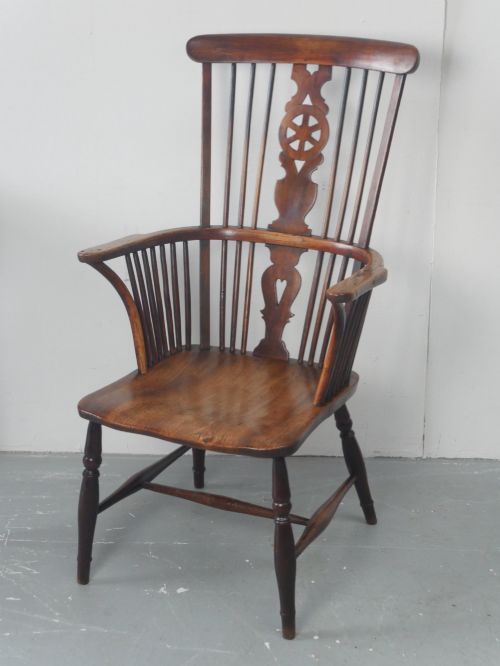
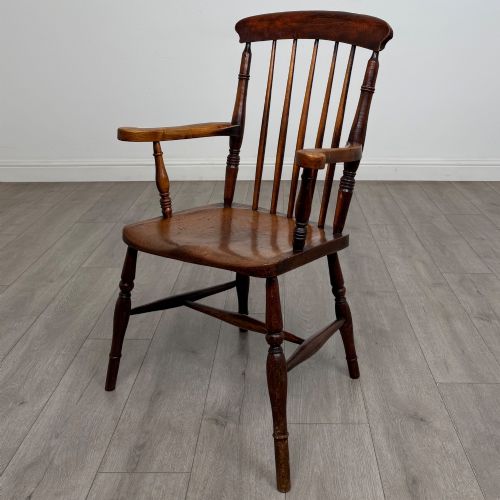
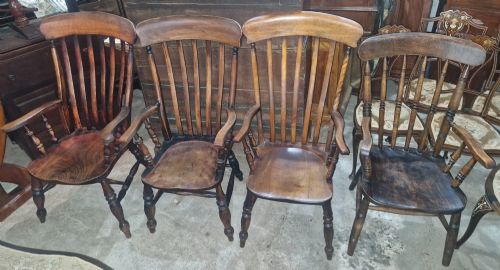
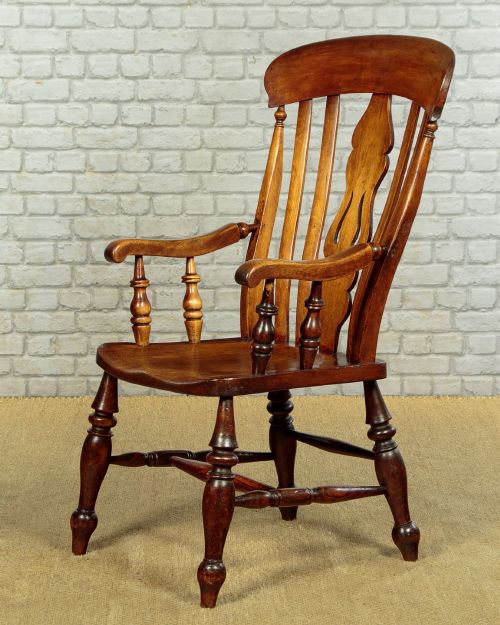

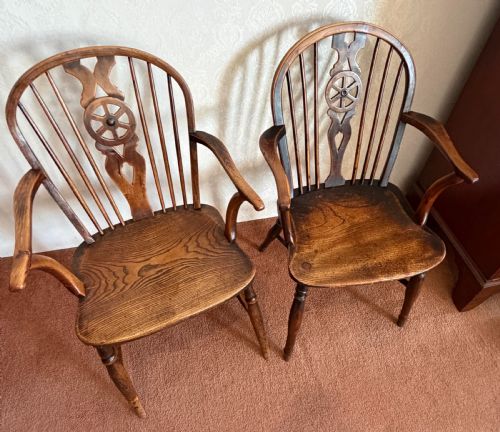


Wooden Kitchen Armchair
A wooden kitchen armchair brings solid nineteenth century utility into a modern room, offering robust seating shaped by country traditions.
Wooden Kitchen Armchair
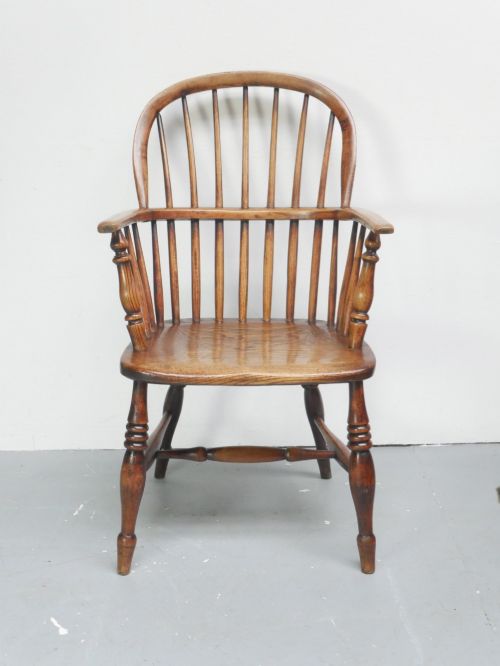
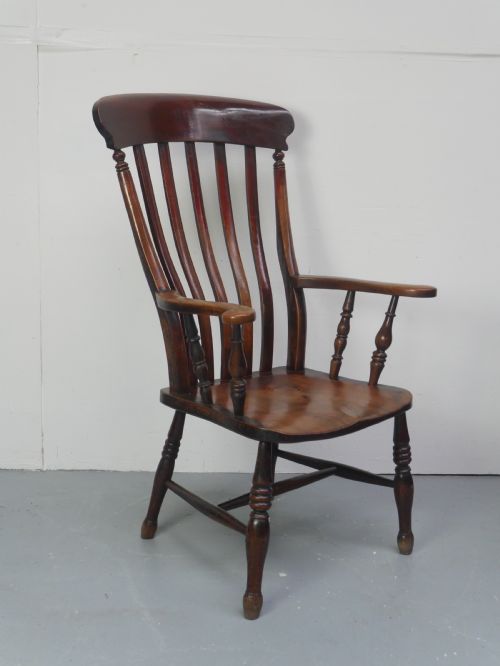
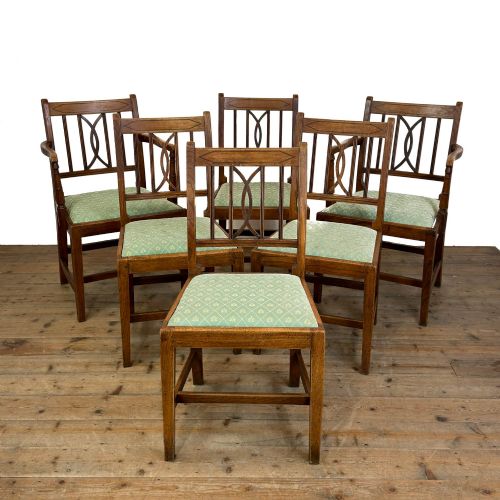
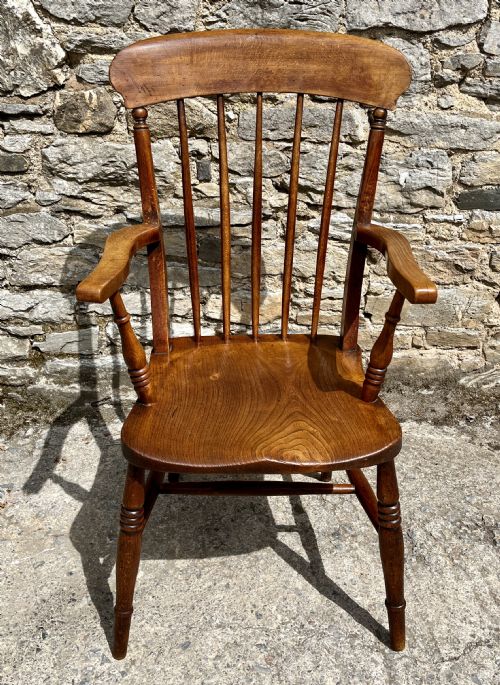
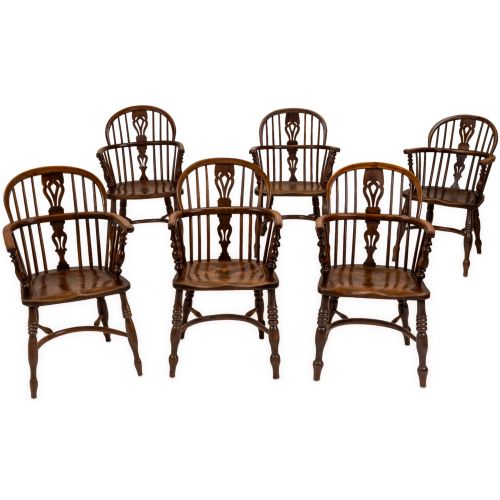
A wooden kitchen armchair represents the practical domestic seating of nineteenth century and early twentieth century homes, where sturdy construction mattered most. Buyers searching for a wooden kitchen armchair typically encounter vernacular Windsor designs, highback stick backs, and lath backs originating from English and Scottish country workshops. These pieces span periods from the Georgian era through Victorian times up to the nineteen twenties, reflecting regional rural craftsmanship.
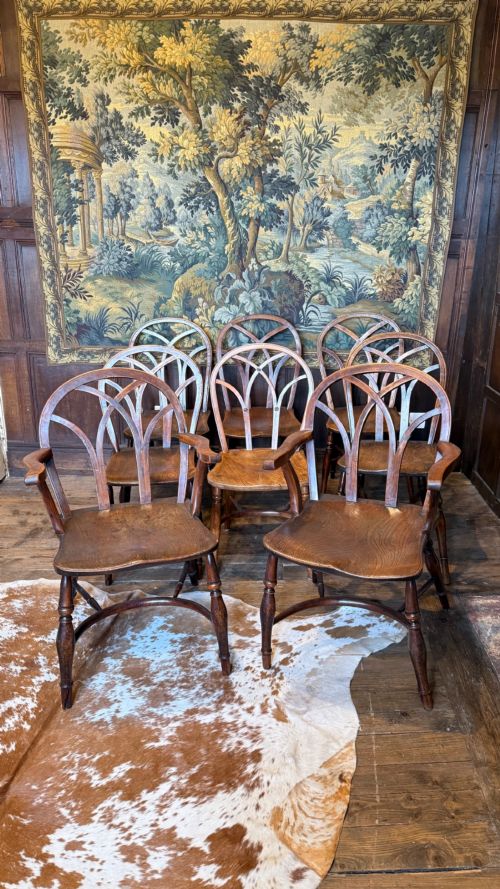
The dominant forms on this page include farmhouse armchairs, carvers, and rocking chairs configured for daily kitchen or dining use. Common regional variations feature distinct back structures such as wheelbacks, hoop backs, and slat backs, often supported by traditional turned spindles. Many examples arrive as matched sets or pairs, though single armchairs appear frequently for fireside placement.
How they were made
Maker workshops built these chairs using a combination of native hardwoods selected for specific structural roles. Elm frequently formed the solid, shaped seat planks, while ash and beech provided resilient bentwood hoops, curved armbows, and slender turned spindles. Oak and yew appear in select regional pieces, contributing dense grain and structural strength to frames.
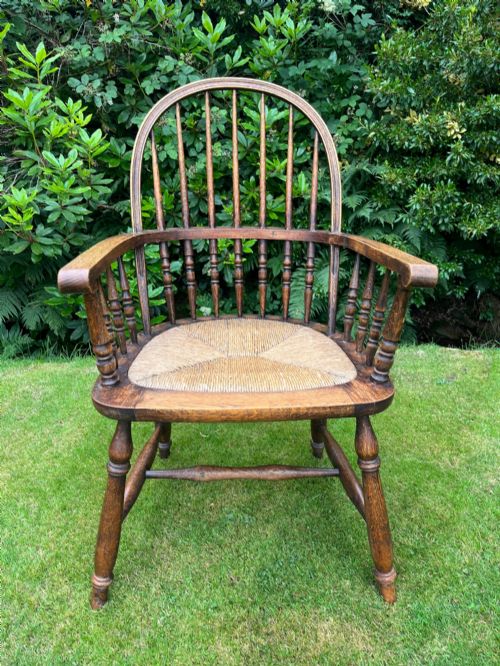
Joinery relied on traditional Windsor construction methods, where legs and spindles slotted directly into drilled holes within the thick wooden seat slab using wedges and adhesives. Steam bending shaped the continuous back bows and armrests from green timber before drying. Rush seating also appears woven onto traditional ladderback frames.
A few sturdy armchairs still bear the faint curved scoring marks left by nineteenth century bodgers turning greenwood components on outdoor pole lathes.
What varies in quality
The calibre of a wooden kitchen armchair depends upon the integrity of its original timber and the subtlety of its spindle turnings. Superior examples display balanced proportions, deep surface patination accumulated through decades of use, and minimal replacement components. Heavy past repairs or replacement legs diminish the historical integrity of vernacular seating.
Comfort and structural solidity distinguish finer craftsmanship, particularly in the shaping of the elm seat and the ergonomic rake of the backrest. Chairs retaining matching timber sets and crisp turning details on the legs and stretchers command greater attention from collectors of traditional country furniture.
The Wooden Kitchen Armchair Glossary
- Windsor chair
- A chair built with a solid wooden seat into which the legs and back spindles are separately inserted. This structural method forms the backbone of country seating traditions.
- Crinoline stretcher
- A curved reinforcement brace linking the legs of a Windsor chair below the seat. It provides lateral stability and prevents the legs from splaying under heavy use.
- Lath back
- A chair back featuring flat wooden slats or splats arranged vertically. These slats offer rigid vertical support compared to slender turned spindles.
- Rush seat
- A seating surface woven from dried marsh rushes or sedges over a wooden frame. This technique creates a textured, supportive platform found on traditional ladderback chairs.
- Broad arm
- An armchair featuring significantly widened flat wooden armrests designed for writing or comfort. This regional variation is common in heavier country windsor forms.
Wooden Kitchen Armchair: Frequently Asked Questions
What is a wooden kitchen armchair?
A wooden kitchen armchair is a traditional vernacular seat featuring a solid wooden plank base, supportive arms, and a spindle or slat back. These chairs were built for daily domestic labour in nineteenth century farmhouses and country homes.
Today, they function as robust seating for dining tables or as decorative accent chairs in living spaces. Their durable construction allows them to endure heavy everyday use.
How do I identify a Windsor armchair?
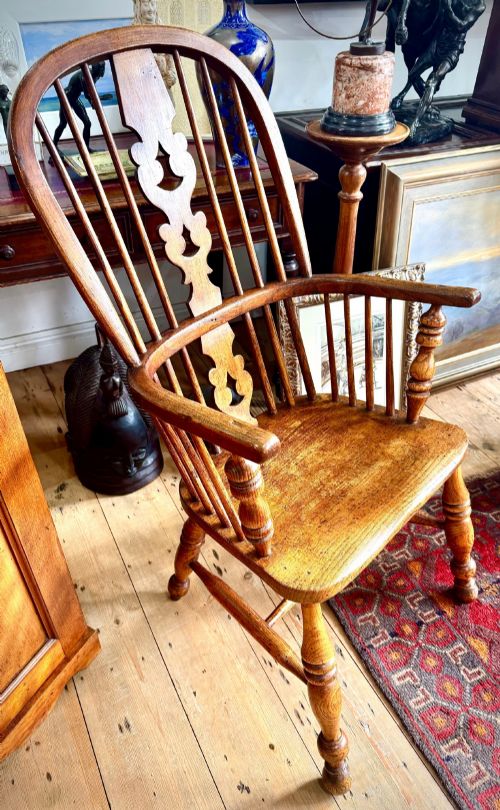
A Windsor chair is distinguished by its central method of construction, where legs and back spindles are tenoned directly into a solid sculpted wooden seat. This design distributes weight efficiently without relying on a conventional box frame.
Look for a swooping armbow steam bent from a single piece of hardwood above the seat. The underside often reveals the wedge-secured tops of the legs protruding through the seat.
Where were these country chairs made?
These country chairs originated in rural workshops across England and Scotland during the nineteenth and early twentieth centuries. Local turners and bodgers supplied regional furniture makers with pre-formed parts like legs and spindles.
Different counties developed distinct variations in back styles, timber combinations, and arm shapes. This regional diversity makes identifying the precise origin an engaging pursuit for collectors.
How do I care for antique wooden chairs?
Care for antique wooden seating by keeping them away from direct heat sources and rapid temperature fluctuations. Excessive dryness causes native timbers like elm and beech to shrink and loosen their joints.
Apply a traditional beeswax polish occasionally to nourish the surface and preserve the historic patina. Avoid modern silicone sprays, which penetrate open grain and ruin the aged finish.