

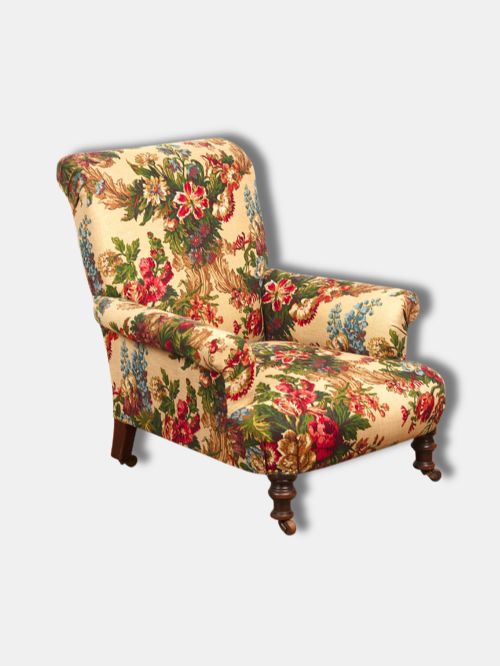
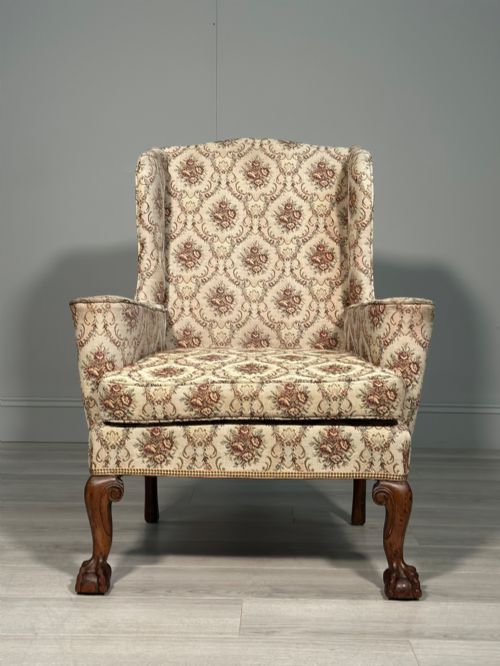
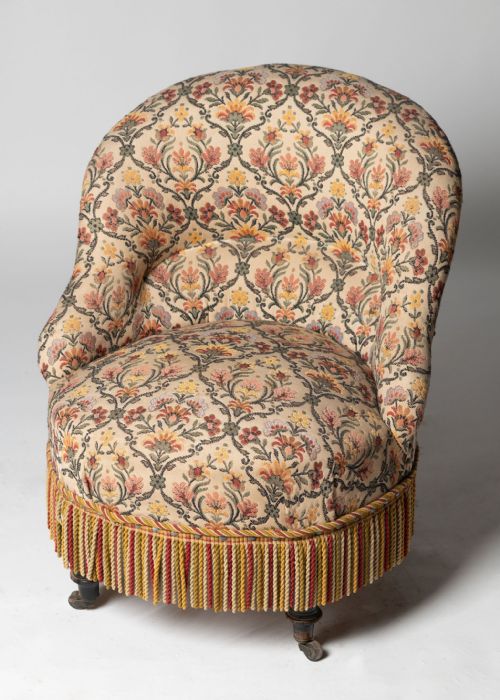
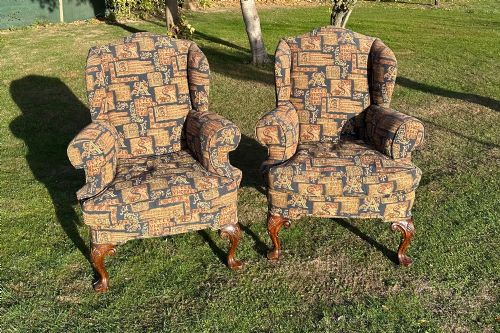
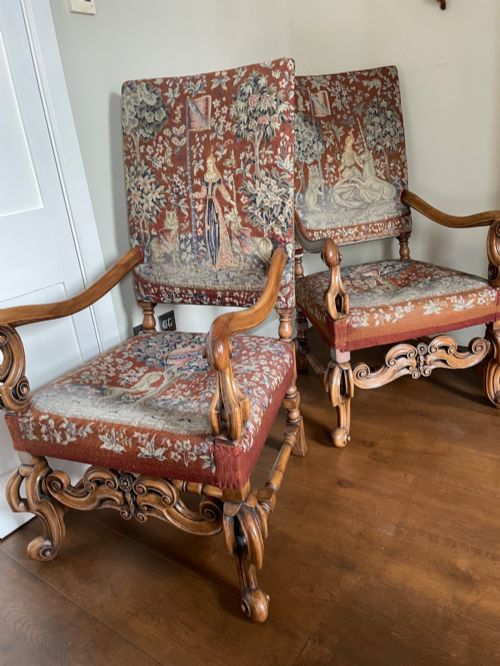
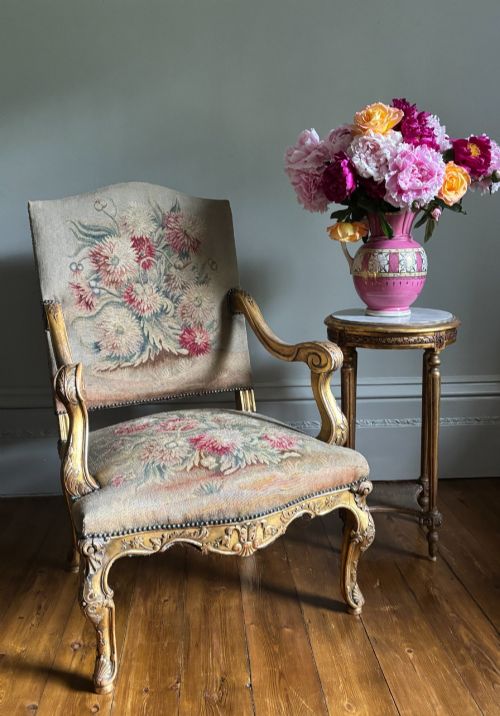
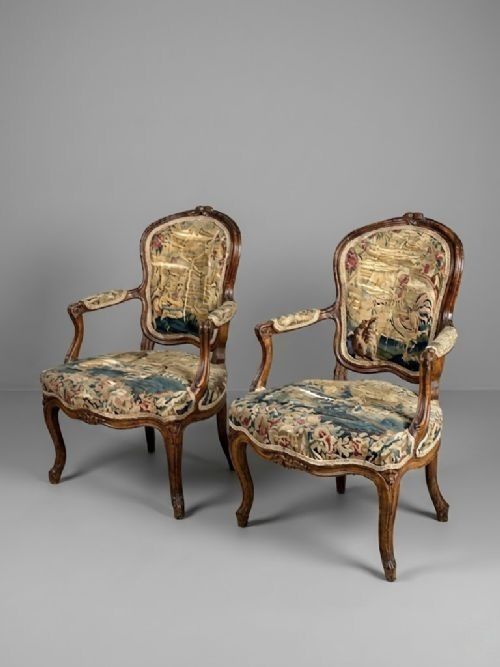
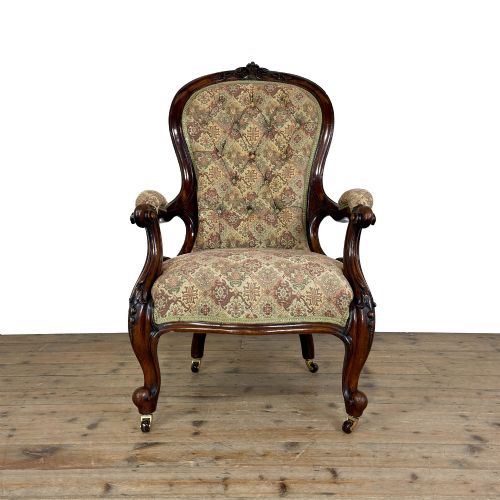
Tapestry Upholstered Armchair
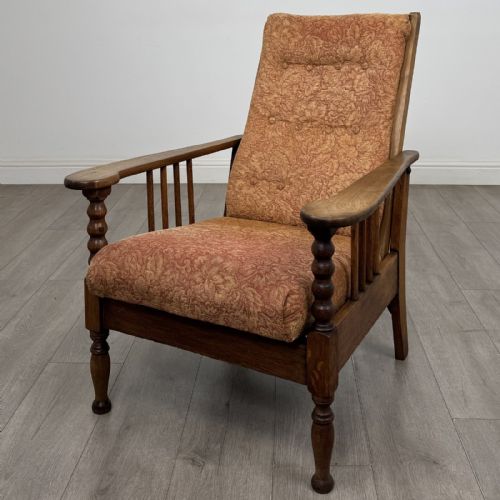
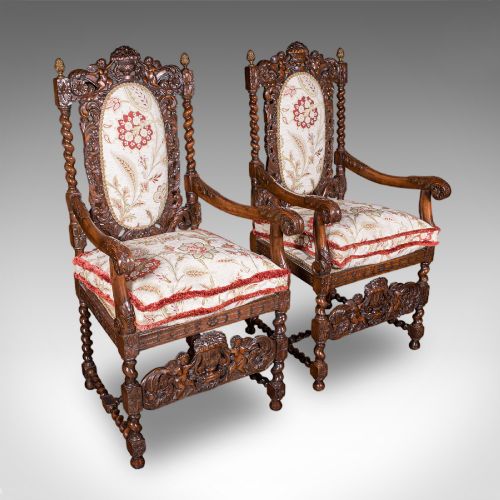
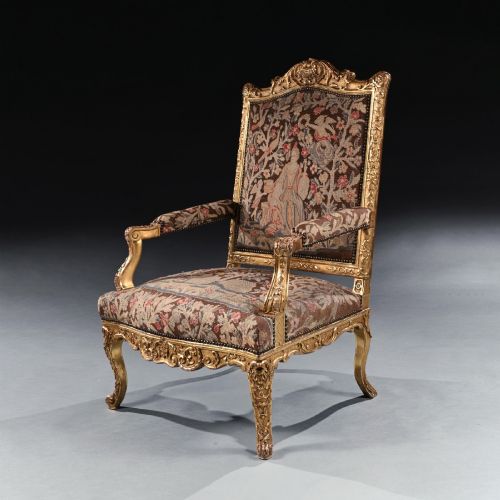
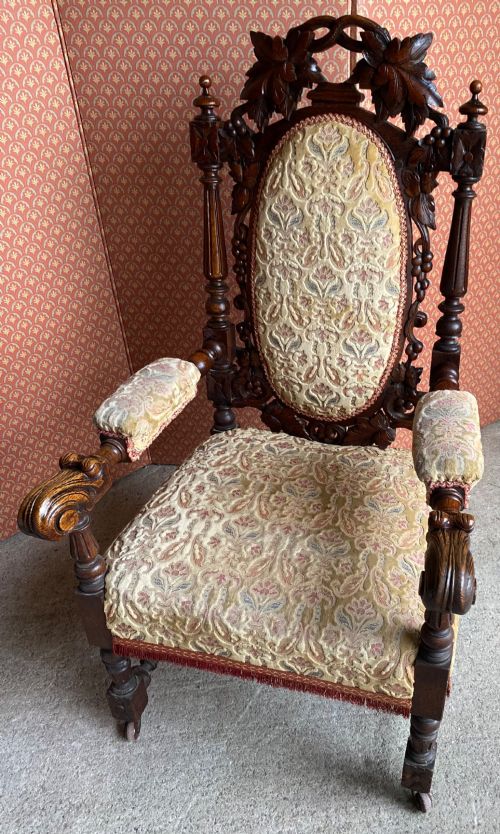
A tapestry upholstered armchair brings centuries of textile artistry and sturdy frame construction into a modern room.
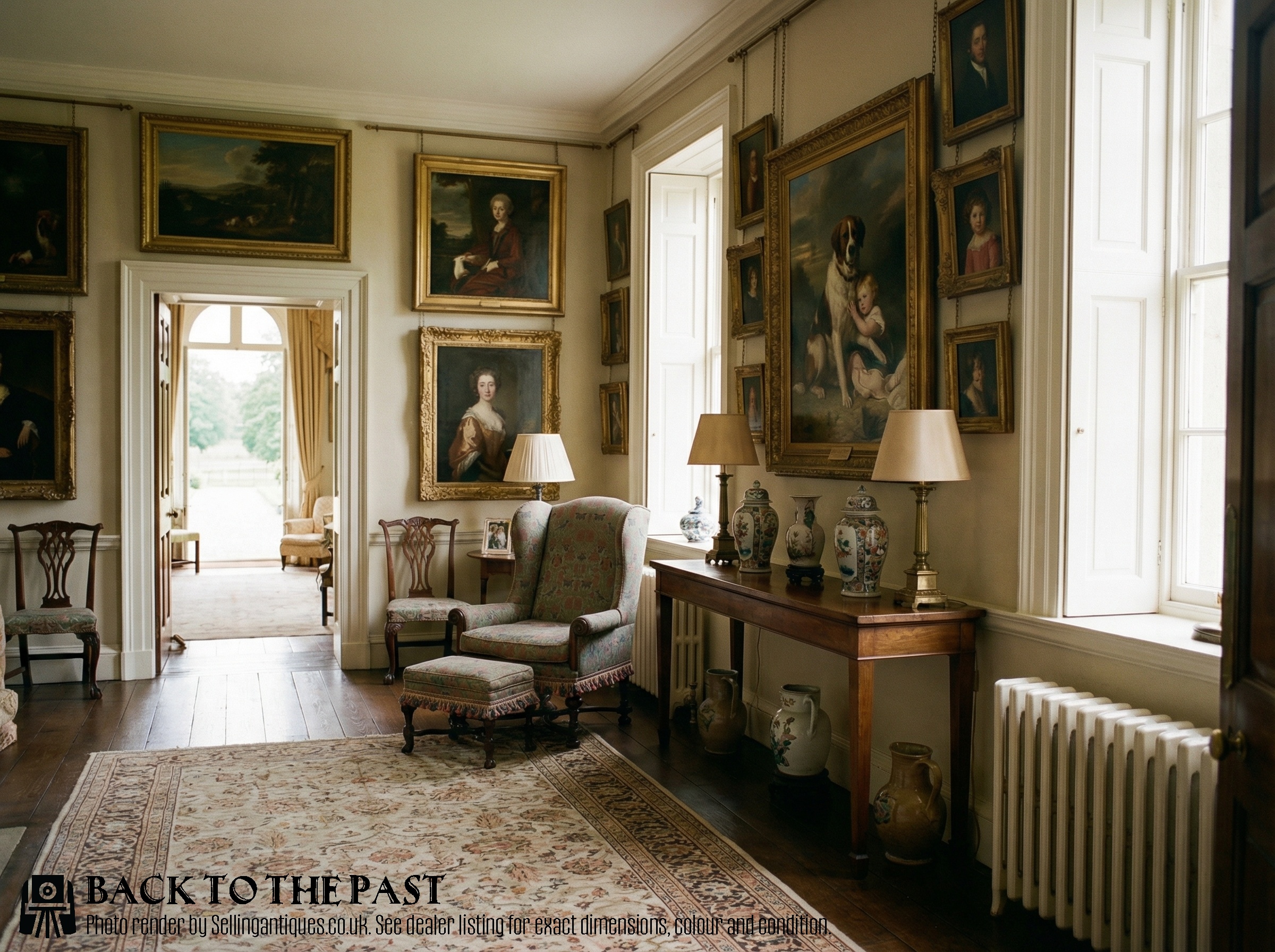
Tapestry Upholstered Armchair
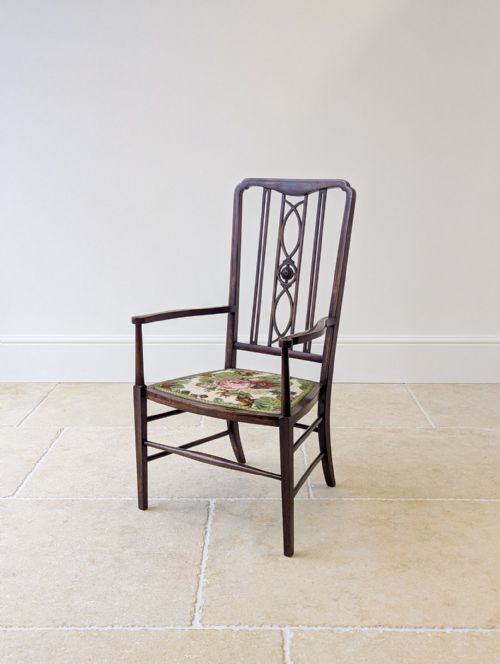
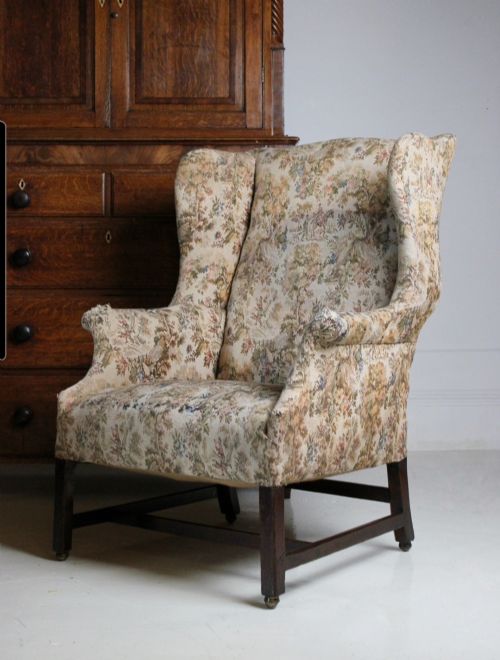
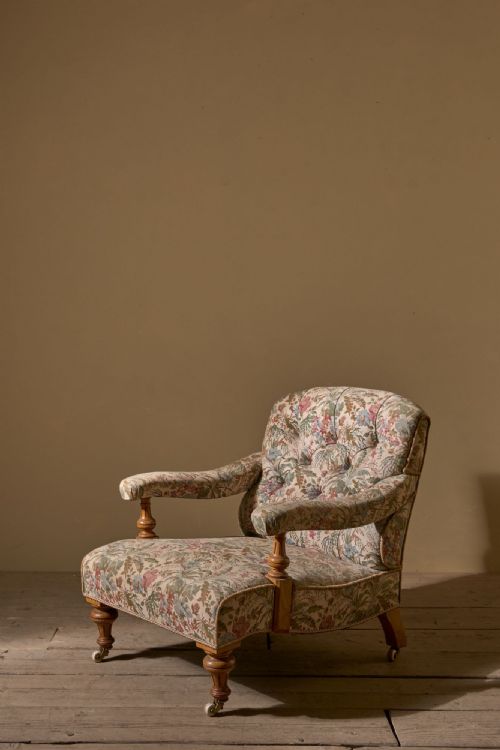
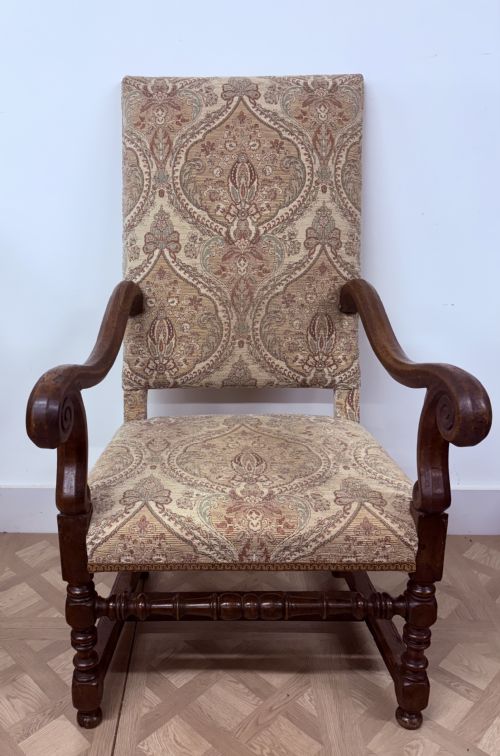
A tapestry upholstered armchair combines a supportive wooden seating framework with woven pictorial or floral textile panels. Buyers searching for a tapestry upholstered armchair encounter diverse iterations ranging from French provincial seating to robust Victorian elbow chairs.
The selections span several periods, prominently featuring 18th century examples alongside 19th century revival pieces and early 20th century works. Frames take various structural forms, including open armchairs, wingbacks, and compact salon seating.
Materials and construction methods
Frames rely on traditional hardwoods such as walnut, mahogany, oak, and beech, frequently shaped through carving, gilding, or painting. Joinery techniques secure the structural integrity of the timber before textile attachment takes place.
Upholstery incorporates heavy woven tapestry fabrics, needlework, and needlepoint panels secured over interior padding and supporting webbing. Individual pieces integrate brass detailing or feather filling to complete the construction.
Tapestry Upholstered Armchair Retail Price Guide 2026
Typical asking prices for tapestry upholstered armchair among the pieces listed under this phrase on Sellingantiques today, from the lower quarter to the upper quarter. They describe what is for sale here now, not the wider market.
Listings feature walnut, mahogany, and oak frames paired with floral needlework and textile panels across multiple centuries.
Distinctions in craftsmanship and condition
Quality separates pieces through the crispness of the wood carving and the tightness of the joinery within the frame. Superior examples demonstrate harmonious proportions and robust timber selection that withstands generations of use.
The textile component dictates much of the standard, with hand-stitched needlepoint and finely detailed Aubusson covers representing higher tiers of execution. Original upholstery condition and the integrity of the underlying webbing also influence the standing of each piece.
Howard and Sons·Heals
The Tapestry Upholstered Armchair Glossary
- Fauteuil
- An open-armed wooden armchair originating in France, typically featuring exposed carved frame elements and upholstered arm pads.
- Aubusson
- A style of hand-woven tapestry named after the French town renowned for producing intricate wall hangings and furniture coverings.
- Needlepoint
- A type of embroidery stitched on a stiff open-weave canvas, frequently utilised for durable historical chair covers.
- Wingback
- An armchair featuring side panels designed to shield the occupant from drafts and retain fireplace heat.
Tapestry Upholstered Armchair: Frequently Asked Questions
How do I care for antique tapestry upholstery?
Protect antique textiles from direct sunlight to prevent fading of the wool and silk threads. Vacuum gently using low suction through a mesh screen to remove accumulated dust without disturbing the weave.
Avoid chemical cleaning agents on fragile historical needlework. Professional textile conservators should handle any deep cleaning or structural repairs required for the fabric.
Are these armchairs suitable for daily seating?
Many sturdy examples withstand regular use provided the internal webbing and padding remain sound. Assessing the structural stability of the wooden joints ensures the frame supports daily sitting safely.
Lighter salon chairs and delicate antique frames suit occasional use rather than heavy lounging. Reviewing the internal condition helps determine the appropriate placement in a busy room.
How can I identify the period of the frame?
Frame characteristics offer primary clues, such as the cabriole legs and curved rails typical of 18th-century French designs. Tool marks, timber species, and construction methods help narrow down the manufacturing decade.
Revival pieces often emulate earlier styles like Louis XV or Queen Anne but betray their later origin through machine-cut timber or assembly hardware. Comparing stylistic motifs with documented historical examples clarifies the dating.
What is the difference between tapestry and needlepoint?
Tapestry weaving is produced on a loom where pattern threads are intertwined with warp threads during the creation of the fabric itself. This method allows for smooth pictorial surfaces with subtle gradations of tone and detail.
Needlepoint involves stitching yarn through an existing pre-woven mesh canvas by hand to build up a design. This technique yields a stiffer, highly textured surface commonly found on traditional chair seats.