
Traditional Wingback Chair
A traditional wingback chair offers deep-seated comfort and draught-excluding sides, bringing centuries of domestic history into a modern room.
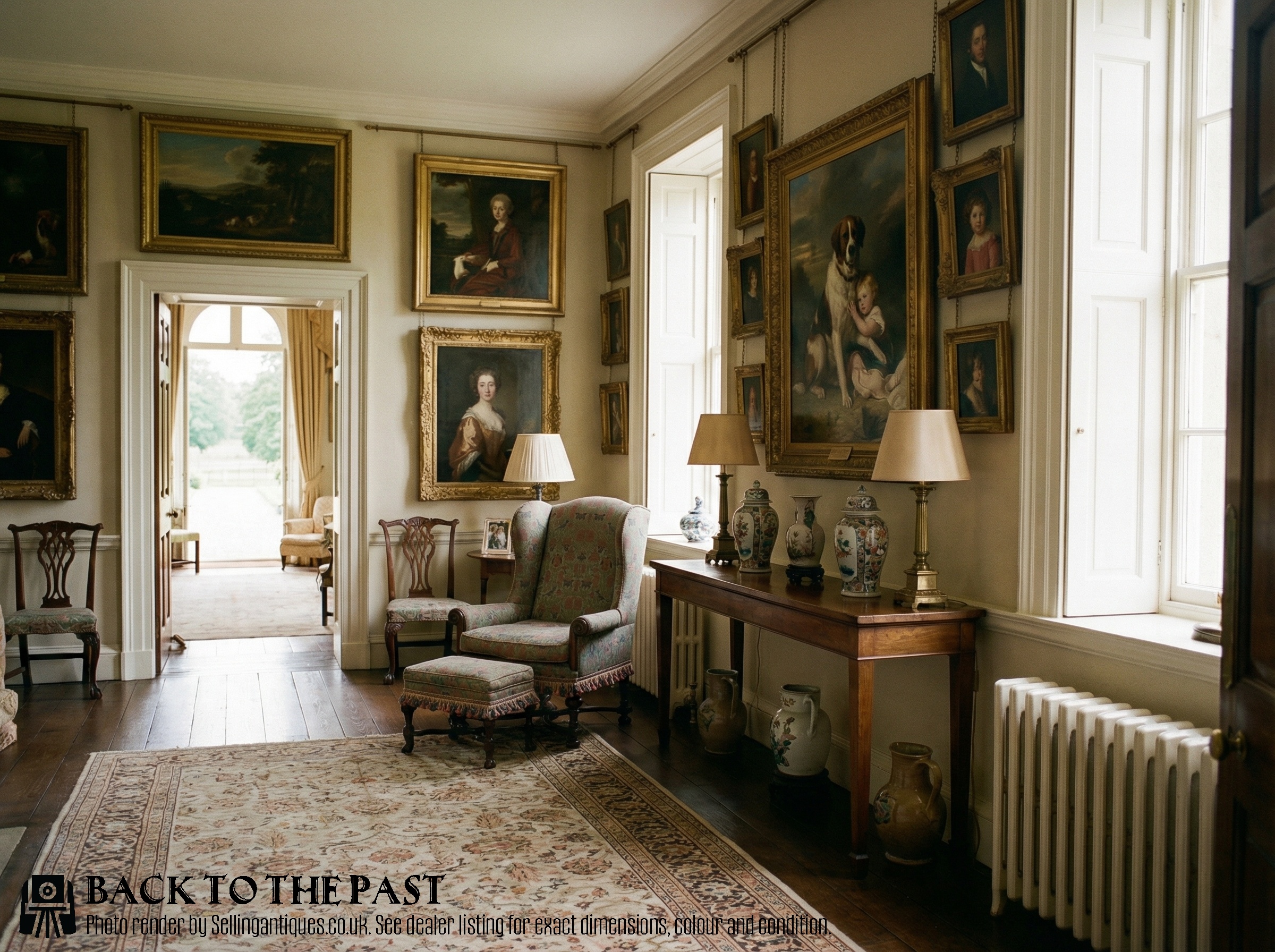
Traditional Wingback Chair
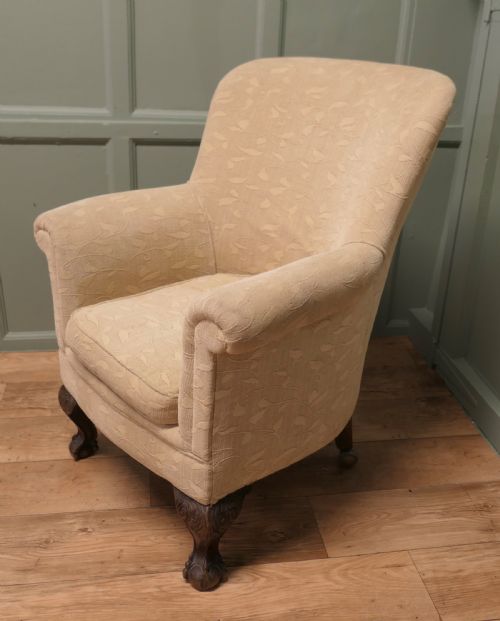
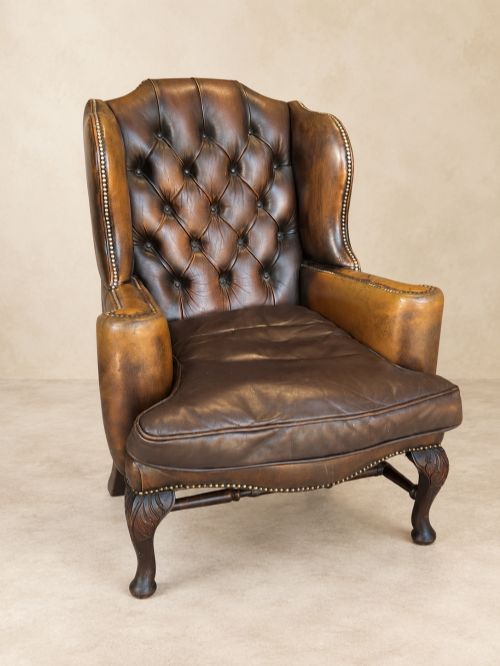
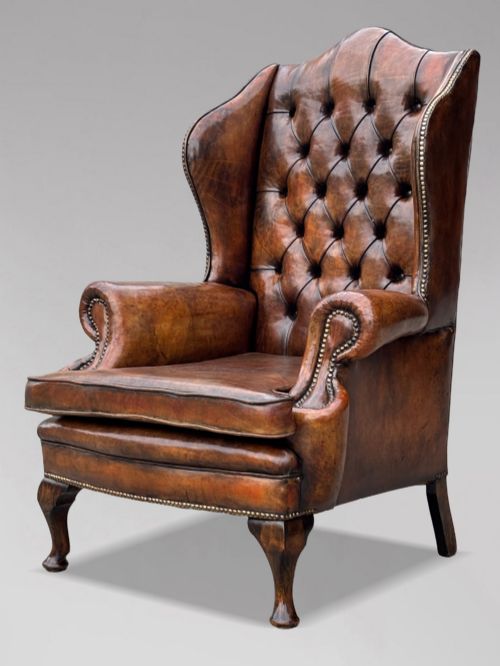
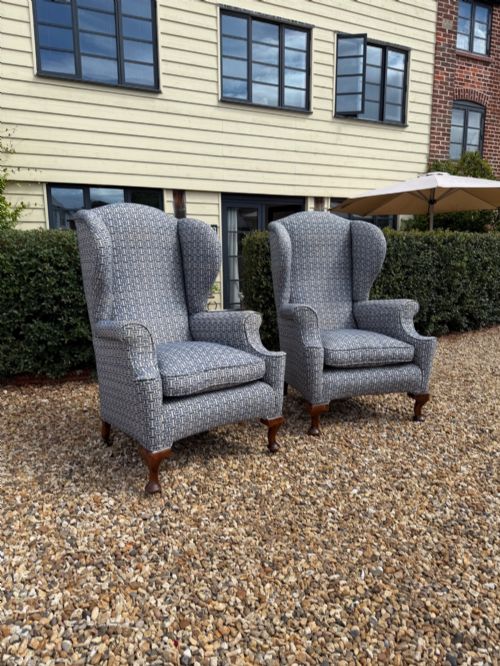
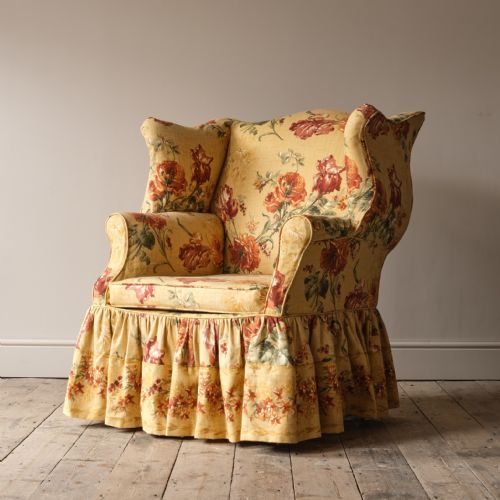
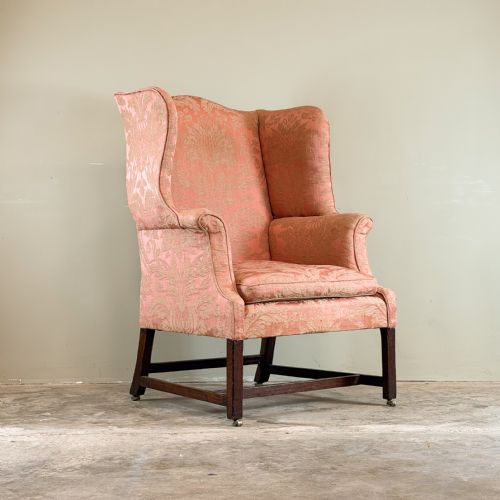
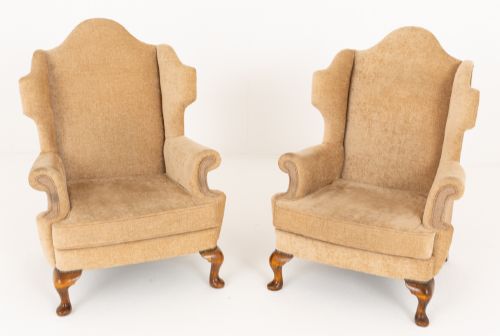
When you search for a traditional wingback chair, you encounter deep upholstered seating designed to protect occupants from fireside draughts. The selection spans robust examples from the eighteenth and nineteenth centuries, alongside early twentieth-century interpretations.
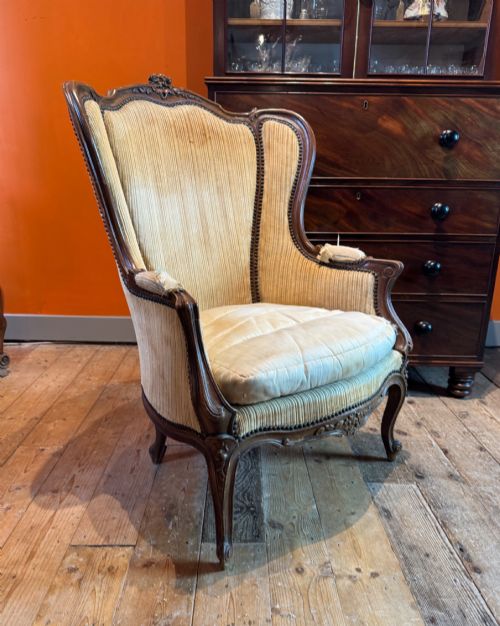
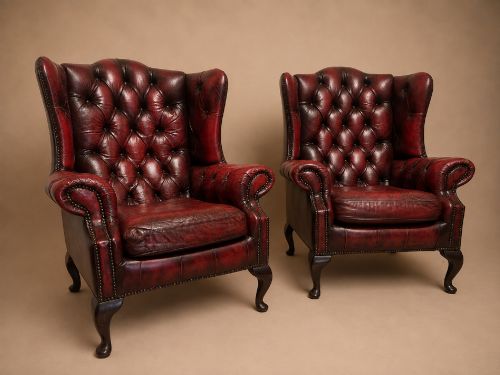
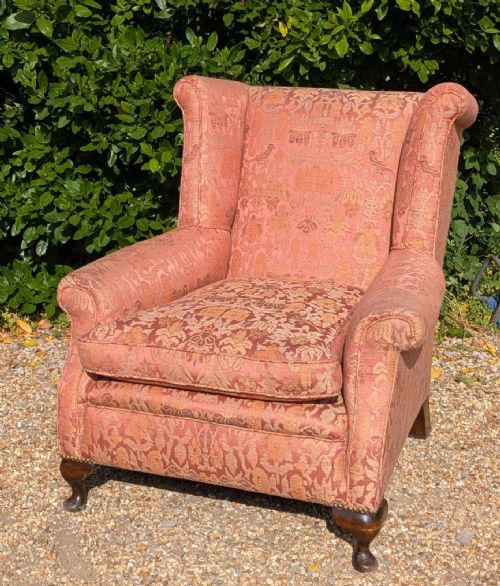
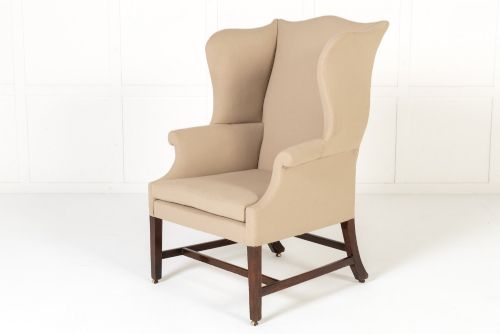
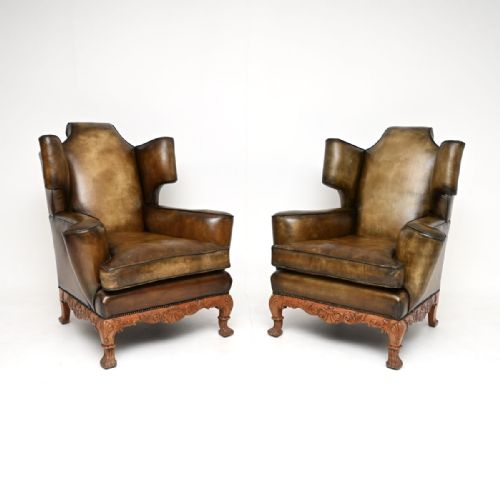
The form appears in various iterations, from Georgian mahogany frames to nineteenth-century leather buttoned models and Edwardian country house styles. You will also find related seating forms such as library chairs, barrel backs, and occasional settees sharing the characteristic protective wings.
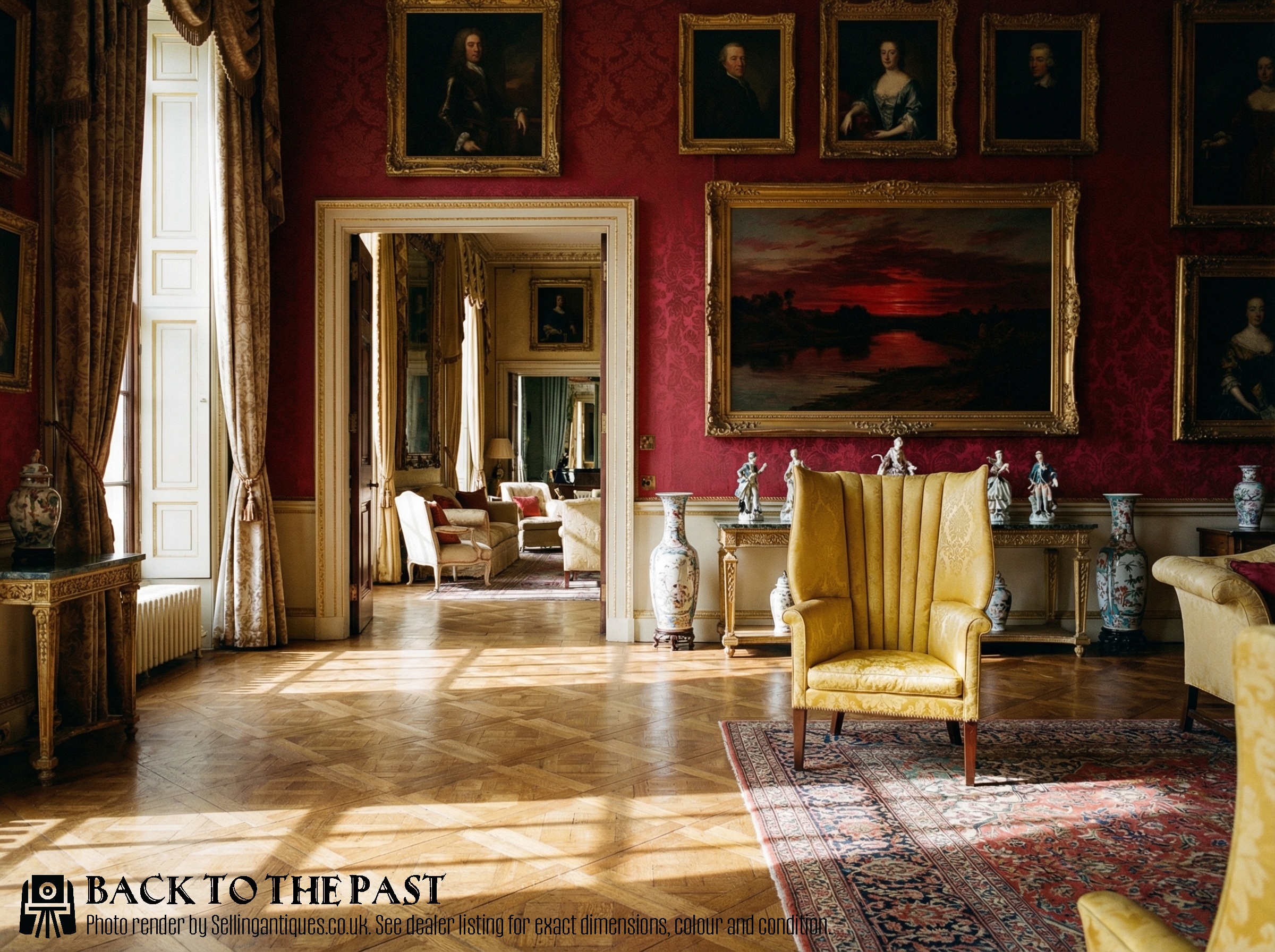
How they were made
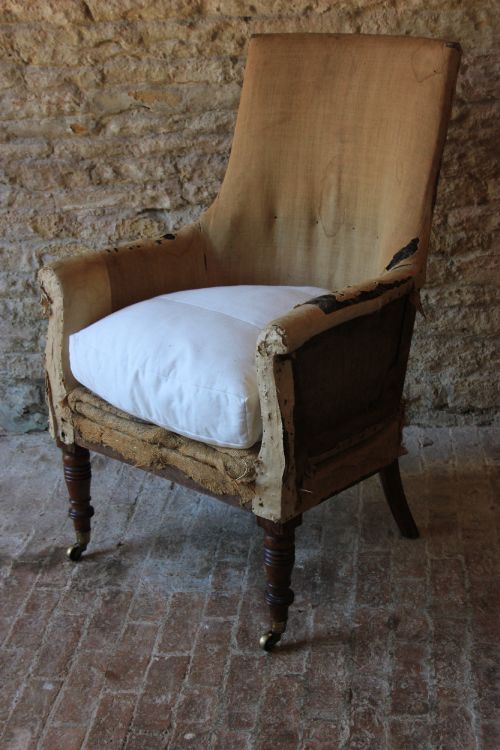
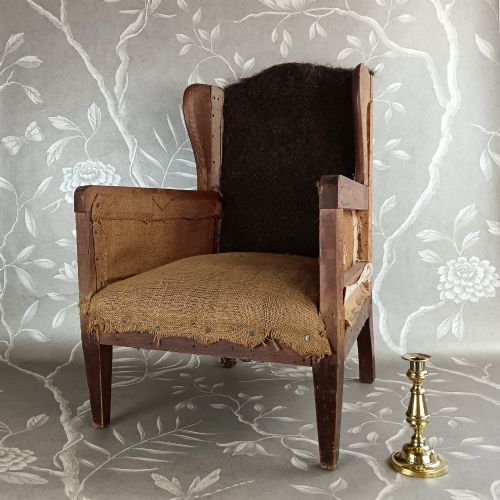
Constructed primarily using timber frames of mahogany, walnut, oak, and other hardwoods, these chairs rely on traditional joinery to support heavy upholstered forms. Brass tacks frequently secure the edges of leather and fabric coverings.
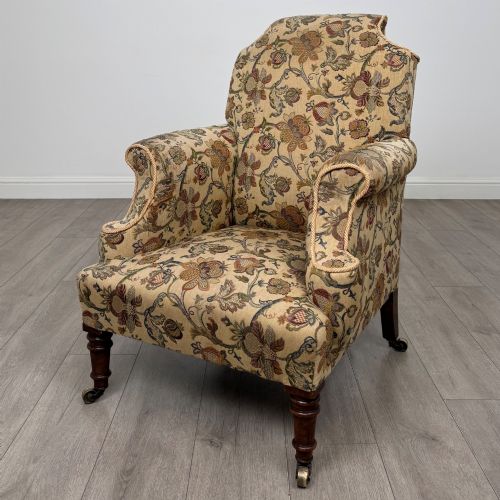
Padding utilises materials such as feather filling and traditional stuffing methods beneath surface coverings of velvet, chenille twill, wool plaid, calico, and leather.
Traditional Wingback Chair Retail Price Guide 2026
Typical asking prices for traditional wingback chair among the pieces listed under this phrase on Sellingantiques today, from the lower quarter to the upper quarter. They describe what is for sale here now, not the wider market.
Period examples span from the eighteenth century through the Georgian, Victorian, and Edwardian eras up to the nineteen-thirties.
What varies in quality
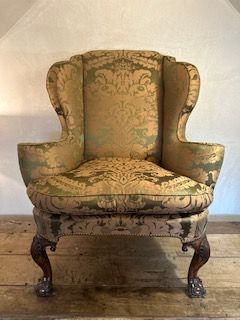
Quality rests in the integrity of the underlying timber frame and the proportion of the wings in relation to the arms and back. Earlier eighteenth-century examples exhibit refined hand-carving on the cabriole legs, whereas later versions show shifts in regional woodworking traditions.
The choice of covering - ranging from patinated antique leather to custom tweed and plaid - shapes the character of the piece. The retention of original upholstery components or sympathetic reupholstery dictates how successfully the chair maintains its period silhouette.
Howard And Sons·Whytock & Reid
The Traditional Wingback Chair Glossary
- Wingback
- An armchair featuring projecting side panels designed to shield the sitter from draughts and retain heat from a hearth. This form evolved significantly through the Georgian and Victorian eras.
- Bergere
- An enclosed upholstered armchair with wooden framing visible around the sides and back. Originating in France, these pieces often incorporate Louis XV styling.
- Chenille
- A type of tufted yarn used in woven upholstery fabrics. It provides a textured, velvety pile suited to nineteenth-century seating.
- Library chair
- A heavy, comfortable armchair intended for reading rooms and studies. These often feature leather upholstery and robust wooden frames.
- Cabriole leg
- A furniture leg that curves out and then narrows inward, terminating in a foot. This design is characteristic of eighteenth-century styles including Queen Anne and George II.
Traditional Wingback Chair: Frequently Asked Questions
How do I date an old wing chair?
Dating relies on examining the timber species, stretcher construction, and the profile of the legs and wings. Eighteenth-century models generally display hand-shaped framing beneath the upholstery, while later nineteenth- and twentieth-century iterations adopt machine-sawn components.
Upholstery methods and materials also offer clues, though most antique seating has been recovered multiple times over its lifespan.
Are these chairs comfortable for daily use?
Most traditional wingbacks are built with generous proportions and deep seats intended for prolonged sitting. Interior stuffing methods, ranging from firm horsehair to softer feather fillings, determine the exact feel of the seat.
Checking the internal support ensures the piece meets modern expectations for lumbar support and daily relaxation.
Can I use a leather wing chair in a modern interior?
Aged leather wing chairs introduce texture and warmth that complement contemporary minimalist or industrial spaces. The natural patina accumulated over decades contrasts effectively with clean architectural lines.
Positioning the chair as a standalone reading seat allows the traditional silhouette to anchor a modern room.