

Vintage Lounge Chair
A vintage lounge chair offers deep comfort and distinct period character, spanning styles from Victorian upholstery to streamlined Art Deco club chairs.
Vintage Lounge Chair
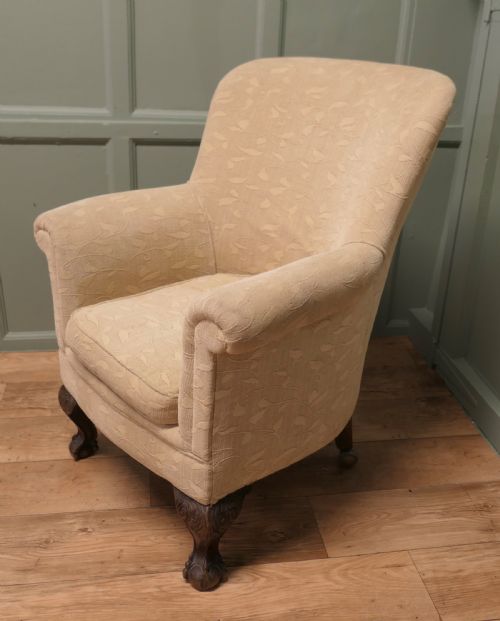
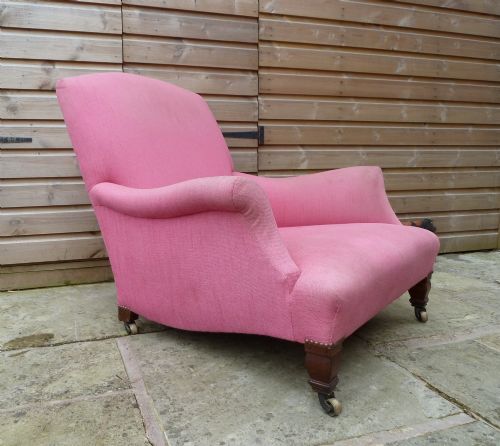
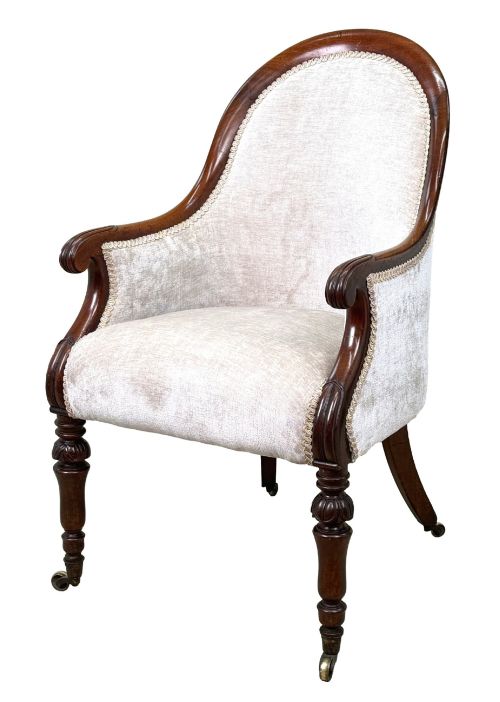
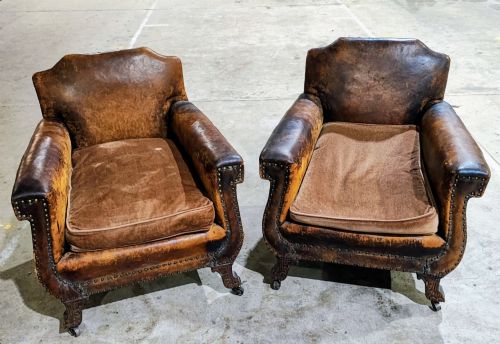
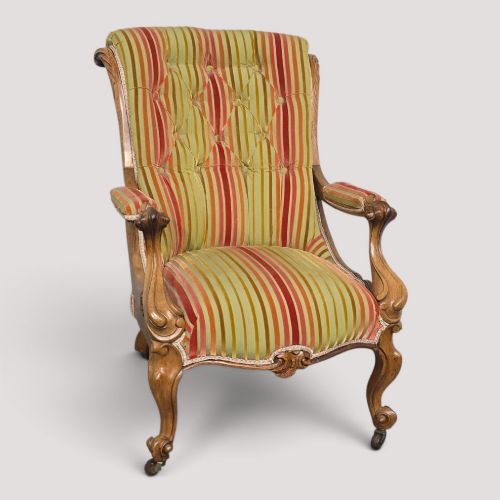
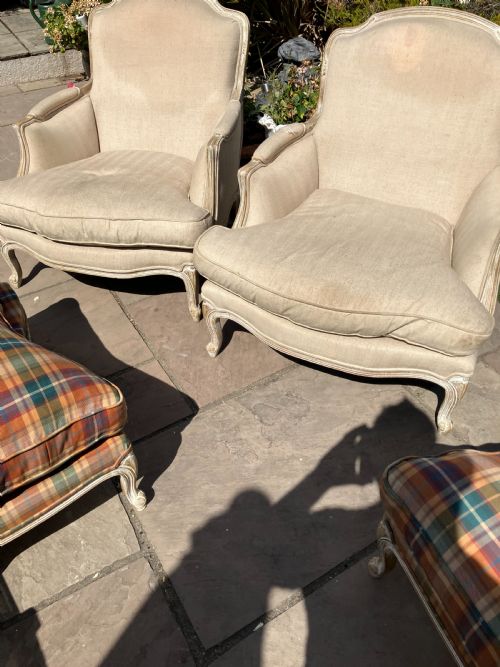
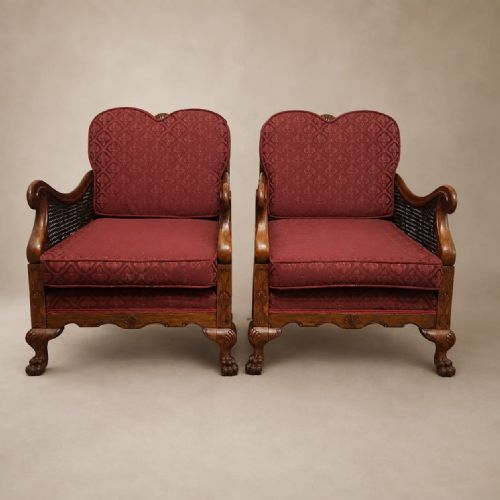
When searching for a vintage lounge chair, buyers encounter a diverse selection of seating that spans from the nineteenth century into the mid-twentieth century. The inventory on this page ranges across historical forms, including deep-seated armchairs, library chairs, bergere suites, and club chairs.
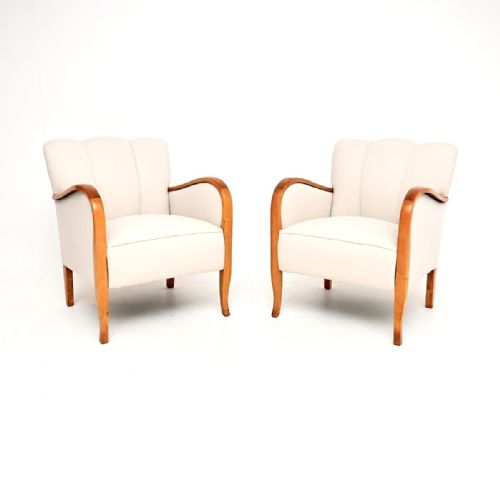
The most common pieces originating from this selection include sturdy Edwardian armchairs, nineteenth-century timber frames, and geometric Art Deco seating. Makers and manufacturers of these eras utilised robust frames and generous padding designed for relaxation.
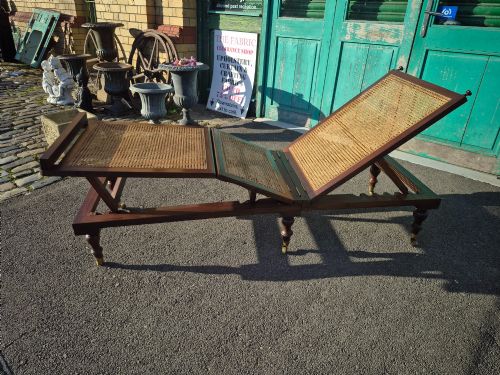
Beyond standard armchairs, related seating forms such as chaise longues, daybeds, and rocking chairs appear frequently. These varied objects reflect the changing domestic comforts and stylistic shifts of the Victorian, Edwardian, and Art Deco periods.
How they were made
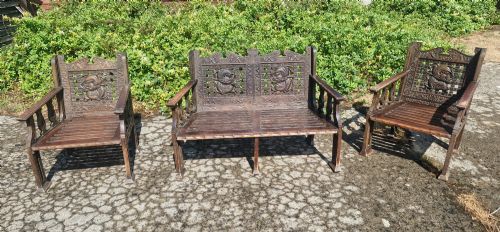
Construction relies heavily on traditional hardwoods such as mahogany, walnut, oak, and satin birch, providing sturdy structural skeletons for upholstered seating. Metal elements like cast iron and wrought iron also appear in specific daybeds and garden seating.
Upholstery techniques involve durable inner fillings paired with tactile exterior coverings including leather, velvet, fabric, tapestry, and split cane bergere panels. Wood carving and bentwood shaping demonstrate the varied carpentry methods employed across different decades.
Listings incorporate substantial timber frames including mahogany, walnut, oak, and satin birch alongside leather, velvet, and cane materials.
What varies in quality
Quality in these seating pieces depends upon the integrity of the wooden frame and the precision of period joinery. Superior examples maintain original structural elements, while lesser pieces may show alterations or replacement framework.
The choice of covering material and the preservation of original leather or upholstery surfaces distinguish standard items from exceptional ones. Pieces featuring refined details like satin birch veneers, carved woodwork, or distinct regional styles represent the upper tier of craftsmanship.
Gillows·Hille·Howard and Sons
The Vintage Lounge Chair Glossary
- Bergere
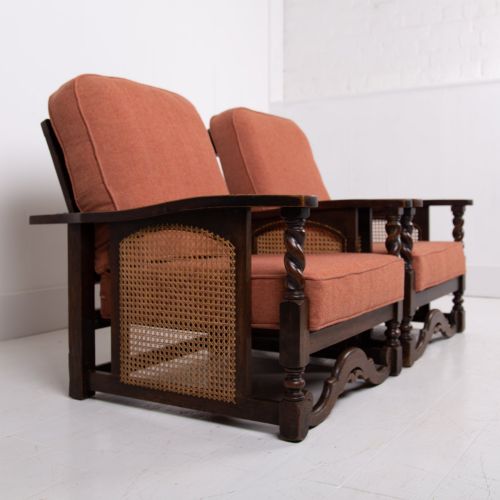
- A closed-arm armchair with cane or wickerwork panels inset into the wooden frame. This French style gained popularity for light, airy domestic seating.
- Club chair
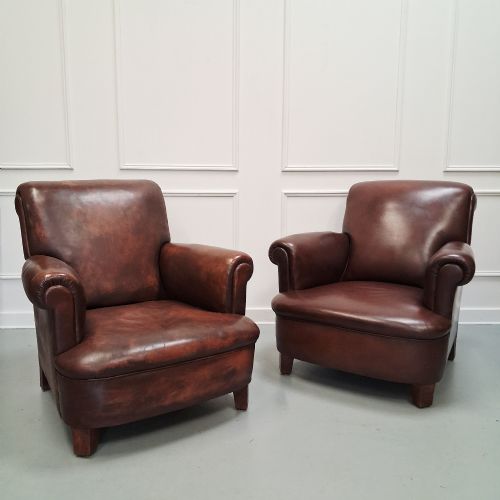
- A heavy, deep-seated armchair traditionally upholstered in leather. These chairs provide substantial comfort and sturdy proportions.
- Tub chair
- An armchair featuring a rounded, continuous back and armrest shaped like a deep tub. The design encloses the sitter for warmth and support.
- Satin Birch
- A pale, lustrous hardwood frequently utilised in Swedish Art Deco furniture. It provides a striking, light-toned finish for modernist frames.
Vintage Lounge Chair: Frequently Asked Questions
How do I identify an Art Deco lounge chair?
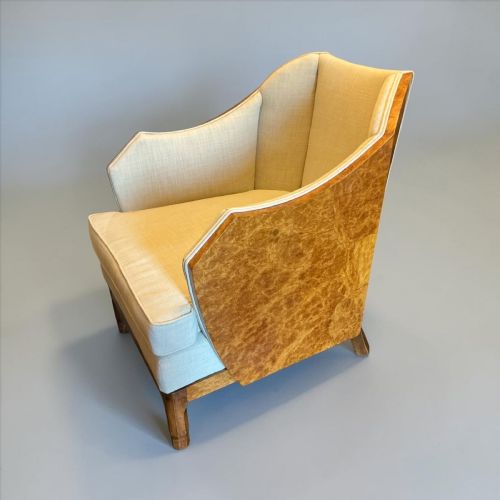
Art Deco chairs typically display geometric lines, streamlined forms, and distinctive materials like satin birch or smooth leather, originating mainly around the 1930s.
Unlike ornate Victorian or Edwardian seating, these pieces favour modern simplicity over heavy carving, often presenting as club chairs or occasional chairs.
What is the difference between a club chair and an armchair?
Club chairs are defined by their notably deep seats, low backs, and thick leather or fabric upholstery designed purely for relaxed lounging. Standard armchairs encompass a broader range of upright seating, library chairs, and parlor styles from various centuries.
Club chairs prioritise enveloping comfort, whereas traditional armchairs often serve formal seating functions in period interiors.
Are these chairs suitable for daily use?
Many vintage seats remain robust enough for everyday seating, provided their internal frames and suspension have been properly maintained or restored over time.
Buyers should assess whether a piece retains original stuffing or has received modern cushioning updates to support regular sitting habits.
How do I date a wooden lounge chair?
Dating relies on examining the timber species, joinery methods, and stylistic cues such as Regency curves, Victorian turnings, or Edwardian proportions.
Comparing the overarching design against known historical periods helps narrow down the decade of manufacture when direct documentation is absent.