
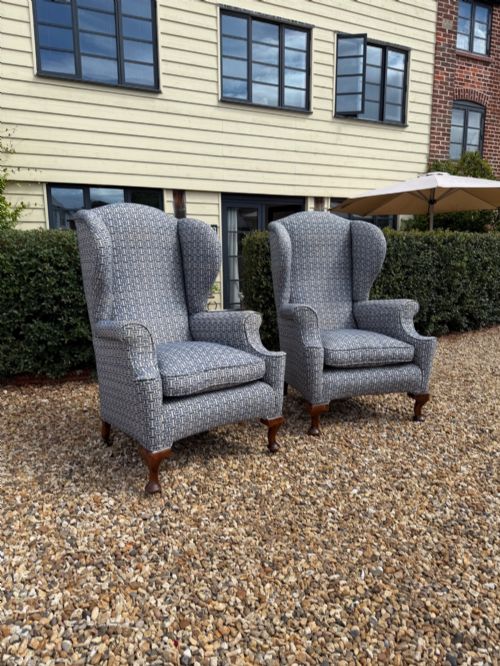
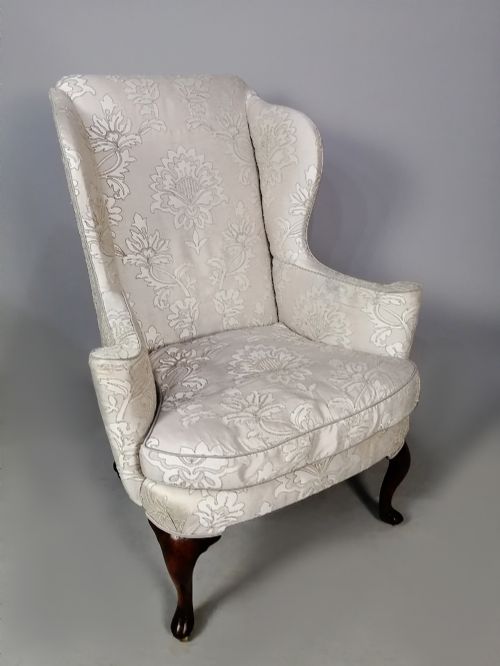
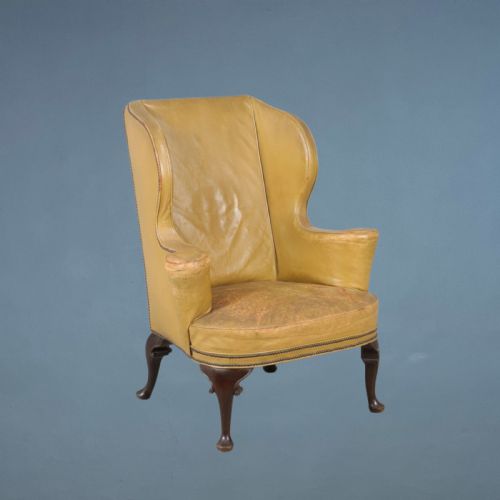
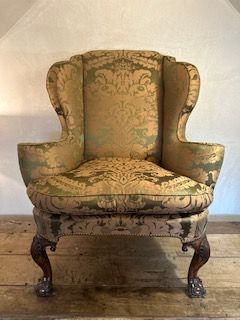
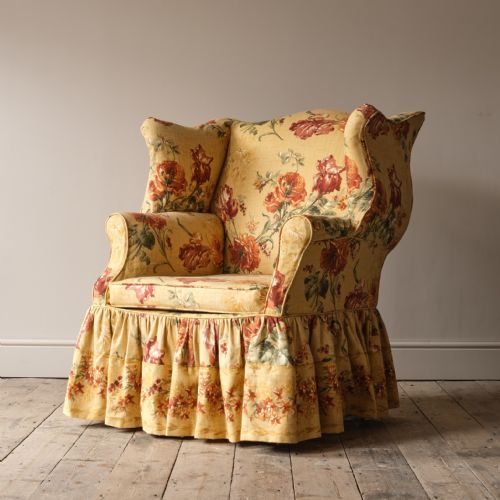
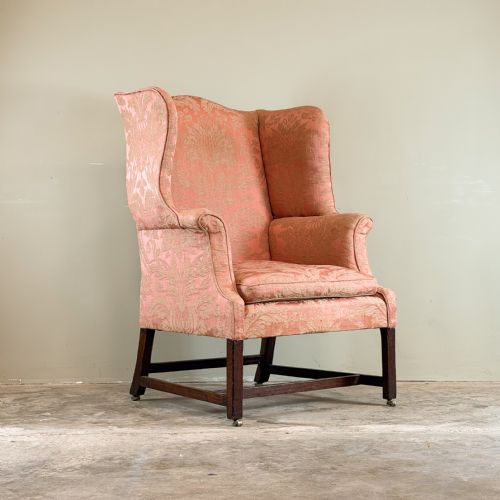
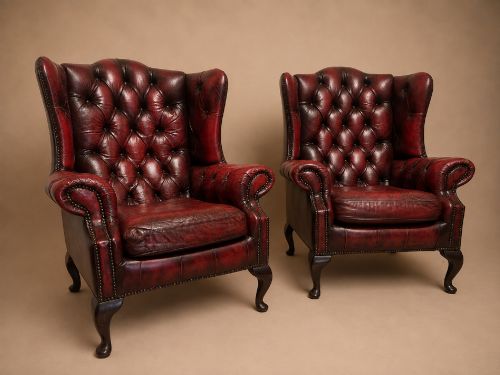
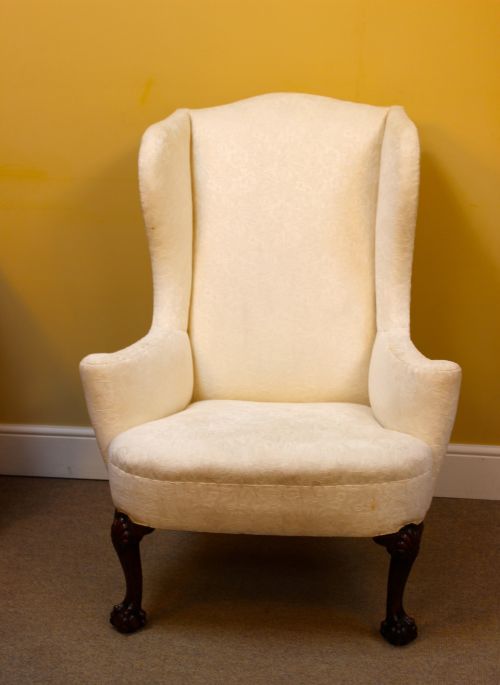
Fireside Wingback Chair
A fireside wingback chair brings draught-defending wings and generous upholstery to a hearth, offering both structural dignity and deep comfort.
Identifying Your Fireside Wingback Chair
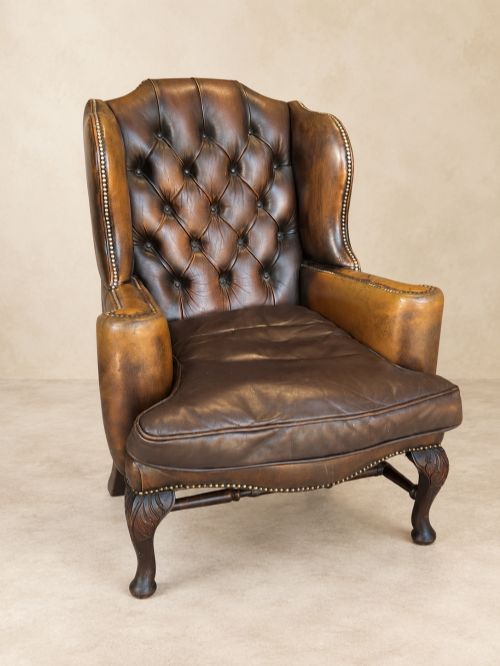
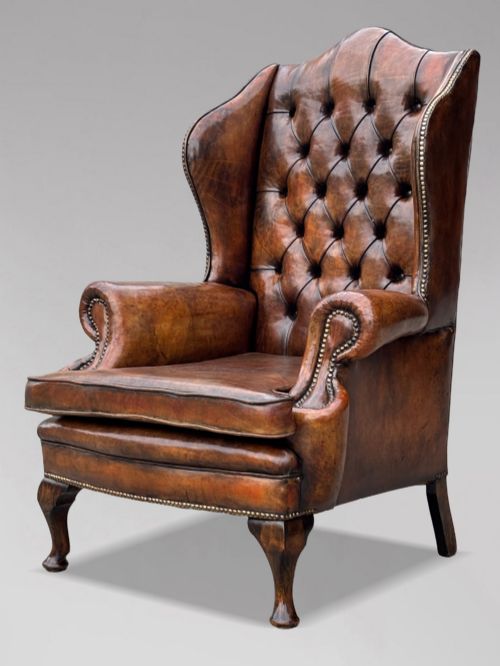
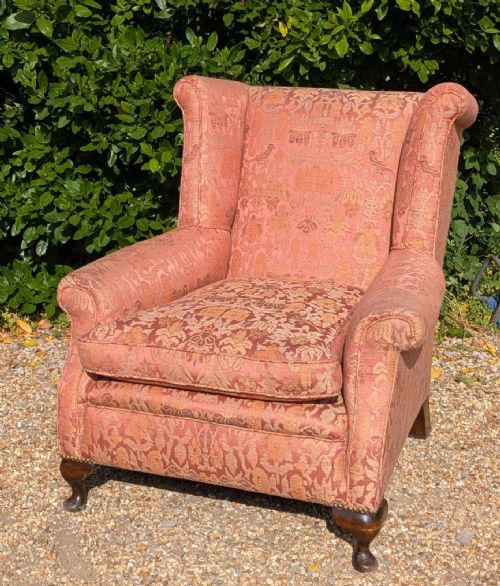
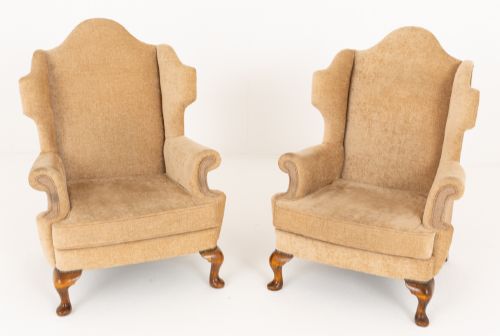
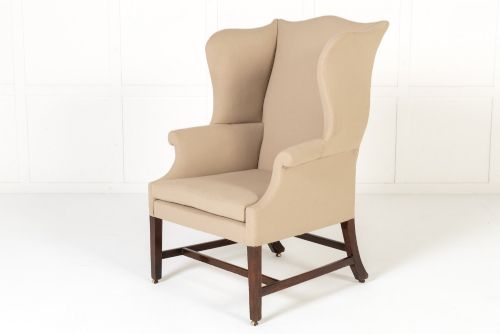
A fireside wingback chair combines high, protective side panels designed to trap heat with a deep-seated armchair frame meant for relaxed sitting by the hearth. You will frequently encounter examples stretching from the eighteenth century through the Edwardian era and into the 1930s.
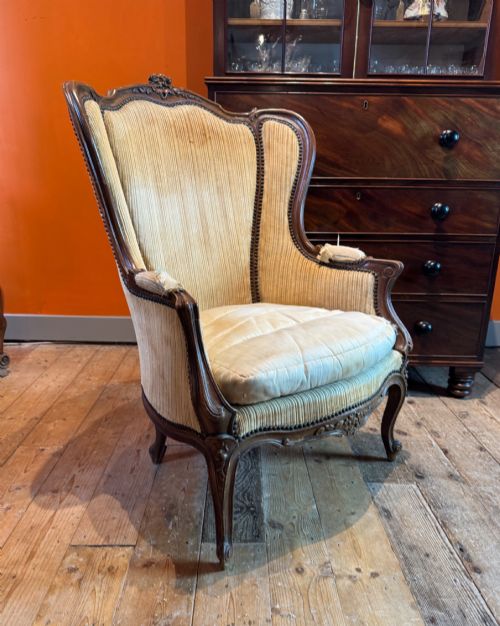
The materials span mahogany and walnut frames paired with textiles such as velvet, linen, damask fabric, and draylon. Styles range from strict Georgian and George III designs to Queen Anne style, Victorian iterations, and Edwardian interpretations.
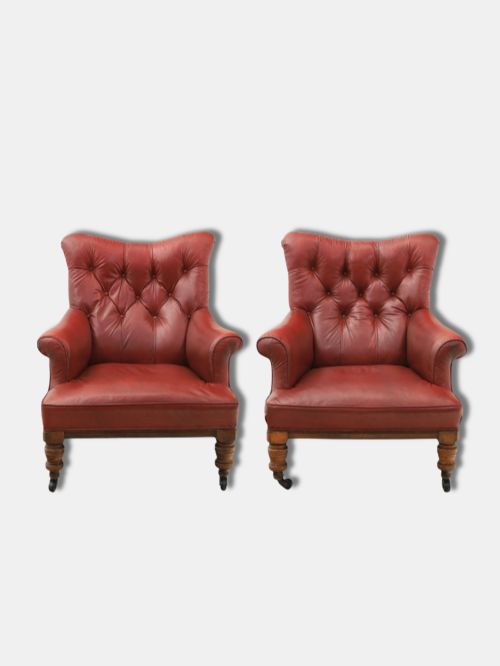
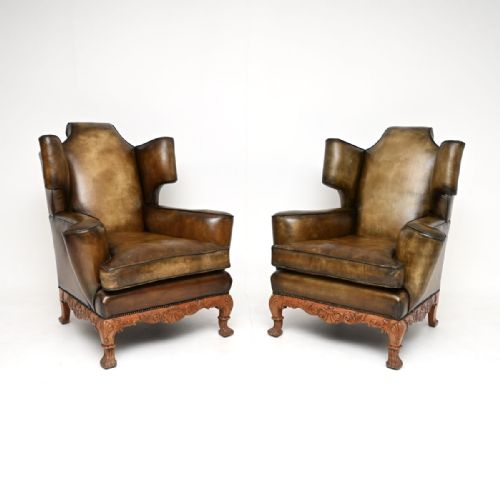
The forms encompass simple wing armchairs, barrelback armchairs, and large upholstered fireside armchairs, sometimes found as pairs or designated for re-upholstery. These pieces anchor a room with substantial proportions and traditional silhouette lines.
Construction and Materials
Makers built the structural frames of these armchairs using solid timbers like mahogany, walnut, and general wood, often incorporating brass details where appropriate. Frame carving appeared on exposed wooden elements during the Edwardian and Victorian periods.
Traditional upholstery techniques layered textiles such as linen, velvet, damask, and draylon over supportive interior stuffing to create the characteristic sprung or padded shape. Exposed woodwork frequently showed the distinct grain and warm tones of polished walnut or mahogany.
Retail Price Guide 2026
Typical UK retail prices for fireside wingback chair, calculated from the Sellingantiques database of over a million retail prices indexed since 2003. This retail price guide relies exclusively on Sellingantiques data; no external sources or auction records are used, so the figures do not describe the wider market.
Some nineteenth-century sitters used the generous wings of these chairs to mount small reading mirrors or attach candle sconces for close work.
Distinguishing Quality and Craft
The distinction between standard examples and the finest pieces lies in the subtlety of the frame proportions and the execution of the woodwork. Superior chairs display balanced wing curves, harmonious height-to-depth ratios, and carefully shaped arm supports.
Material selection further defines the hierarchy, where dense hardwoods like walnut and mahogany support intricate framing, complemented by rich textile choices. The integration of the upholstery with the wooden skeleton determines the overall longevity and visual weight of the armchair.
Parker Knoll
The Fireside Wingback Chair Glossary
- Wingback
- An armchair featuring protective side panels attached to the arms and back to block draughts. These wings also served to trap radiant heat from an open fire.
- Barrelback
- A chair design where the upholstered back curves continuously around to form the arms in a single rounded enclosure. This enclosed shape offers enhanced cosiness.
- Damask
- A reversible figured fabric traditionally woven on a jacquard loom with patterns visible on both sides in contrasting matte and lustrous surfaces. It adds formal texture to upholstery.
- Draylon
- A heavy, durable pile fabric commonly utilised for mid-century and later traditional upholstery. It provides a soft surface with resilient wearing properties.
- Queen Anne Style
- A design movement characterised by pad feet, cabriole legs, and smooth, curved lines that influenced seating shapes well beyond its initial reign. These chairs often feature walnut frames.
Frequently Asked Questions
What is a fireside wingback chair?
A fireside wingback chair is a traditional armchair featuring high side panels designed originally to shield the sitter from draughts near an open fireplace. The enclosing wings trap warmth around the head and upper body.
These chairs combine substantial wooden frames with deep upholstery to create an inviting seat suited for long periods of relaxation in a living space.
How do I date an antique wing chair?
Dating relies on observing the timber species, leg shapes, and framing methods visible beneath the upholstery. Walnut and mahogany were favoured in different eras, alongside stylistic cues from Georgian, Victorian, or Edwardian periods.
Comparing the stretcher placement, frame joinery, and arm contours against documented period examples helps narrow down the decade or century of manufacture.
How were wing chairs used historically?
Historically, these armchairs were positioned close to the hearth in grand rooms and parlours where heating was uneven. The wings served the practical purpose of blocking cold air currents moving across the floor towards the fireplace.
Over time, they evolved from functional draught-excluders into prominent seating furniture that signalled comfort and status within domestic interiors.
Can I reupholster an antique wing chair?
Many antique armchairs are found awaiting fresh fabric, allowing owners to apply textiles that suit modern interiors while preserving the historic frame beneath. Traditional webbing, springs, and stuffing can be renewed using sympathetic methods.
Consulting a professional restorer ensures that the original wooden structure and underlying webbing integrity remain undisturbed during the recovering process.