


Edwardian Easy Chair
An edwardian easy chair brings deep comfort and formal grace to a room, offering sturdy wood frames paired with generous upholstery.
Edwardian Easy Chair
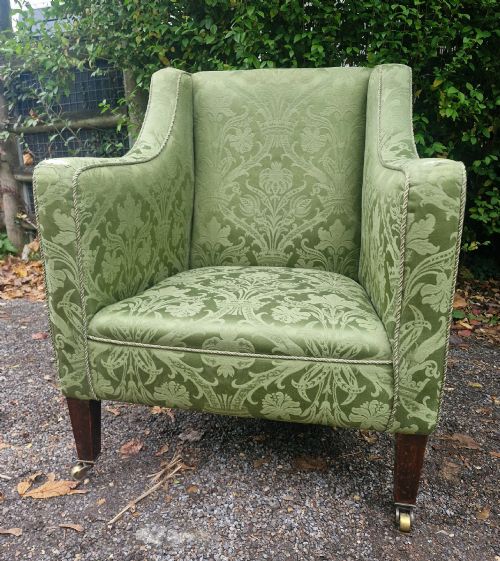
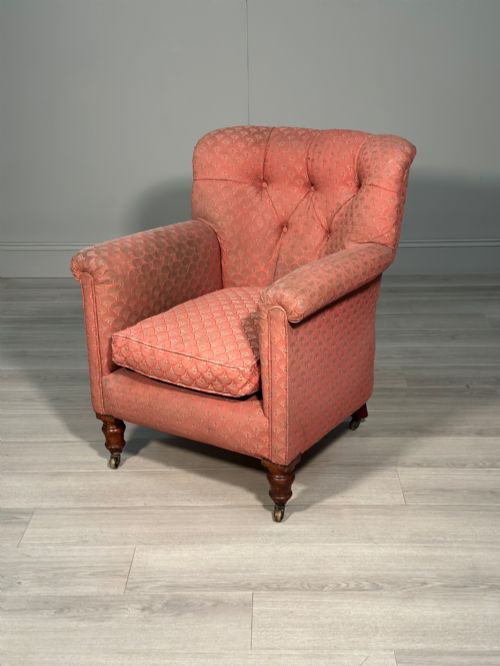
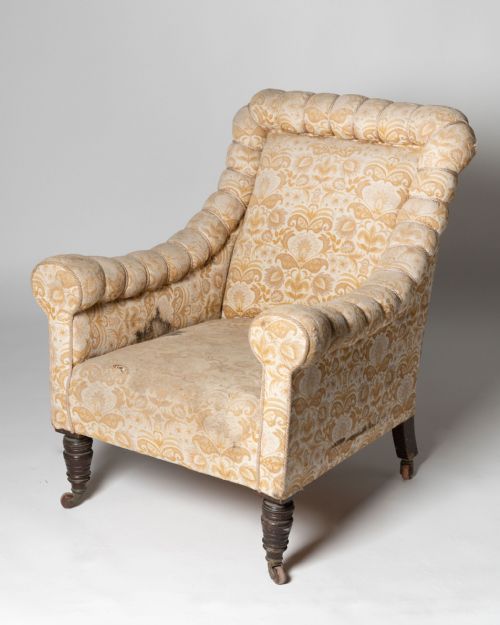
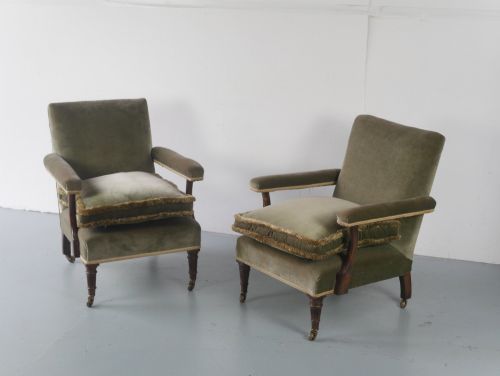
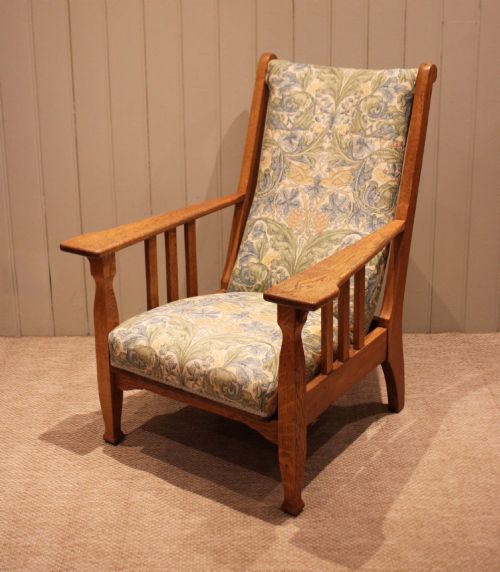
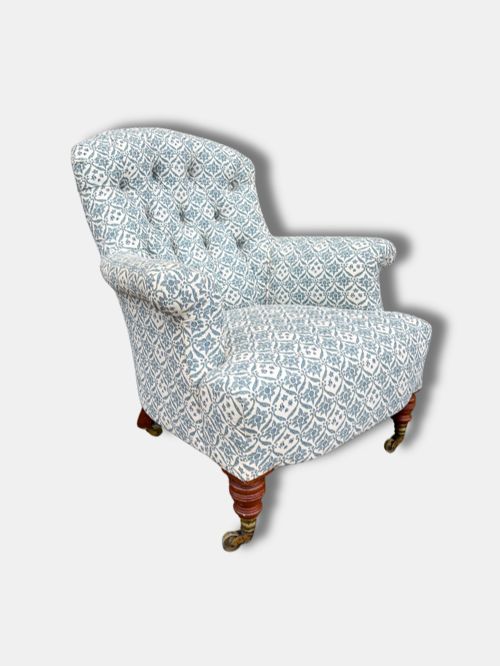
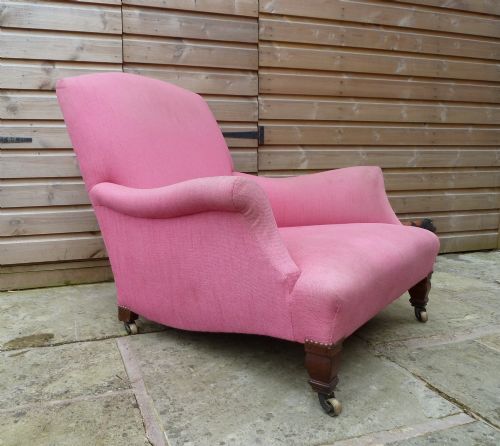
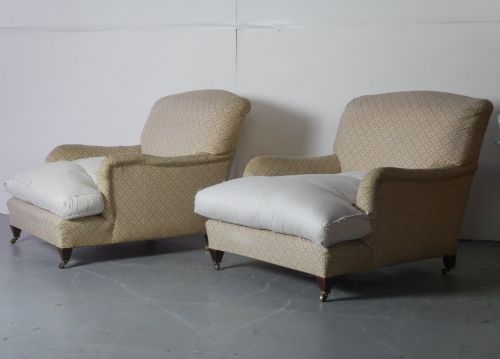
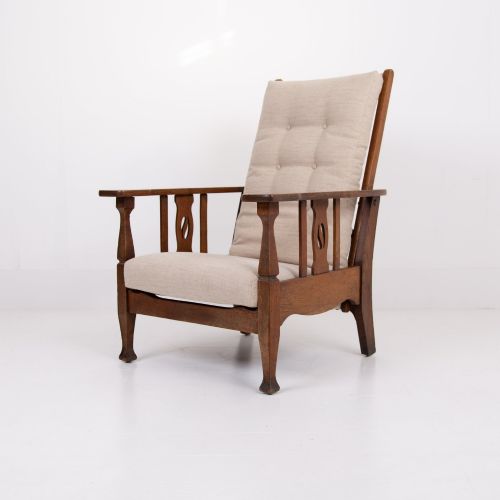
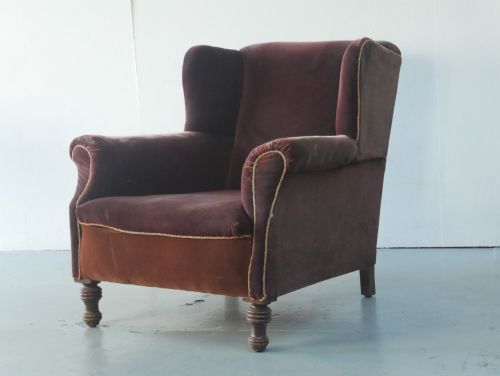
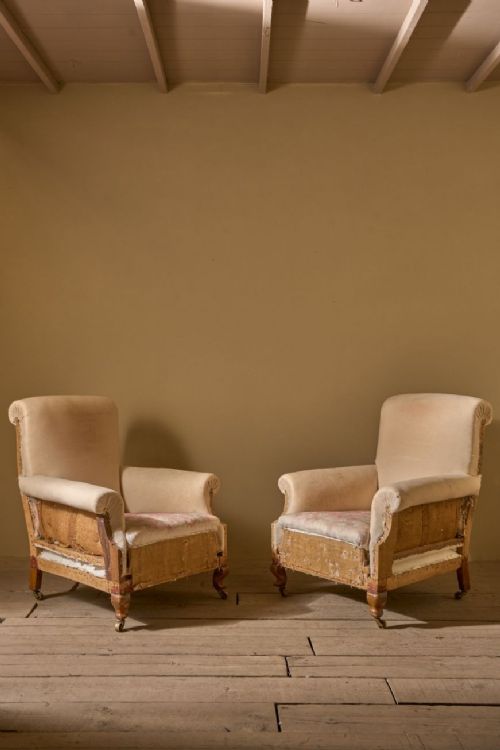
An edwardian easy chair represents a period of domestic comfort spanning the late nineteenth and early twentieth centuries, encompassing styles from deep seated club chairs to English country house seating. These armchairs typically arrive with substantial upholstered bodies designed for relaxation, often supported by exposed timber frameworks.
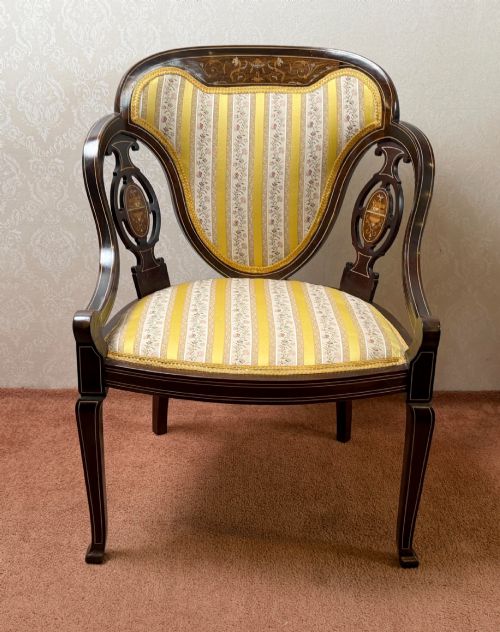
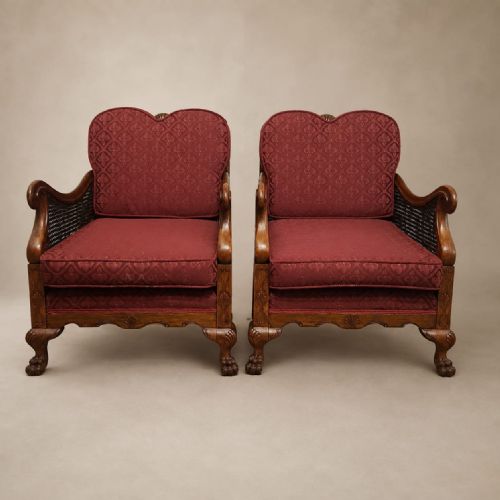
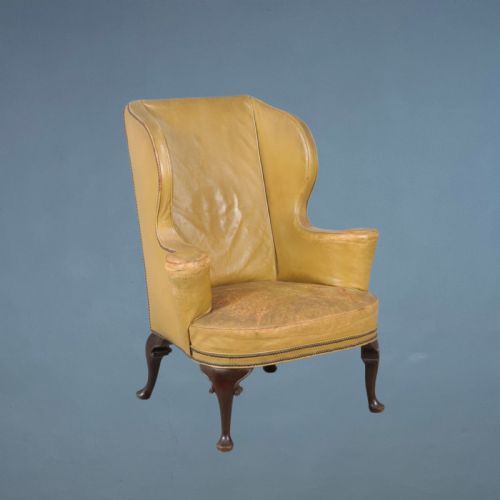
Buyers meet variations ranging from simple mahogany occasional chairs to large leather club seats and walnut framed bergere chairs with split cane panels. The selection spans standard upholstered fireside models, winged reading chairs, and inlaid mahogany designs reflecting Sheraton and Art Nouveau influences.
How They Were Made
Frames rely on solid timbers such as mahogany, walnut, oak, and hardwood, providing structural integrity beneath the upholstery. Makers integrated brass castors, metal inlays, and delicate marquetry into the wooden components for functional mobility and decorative detail.
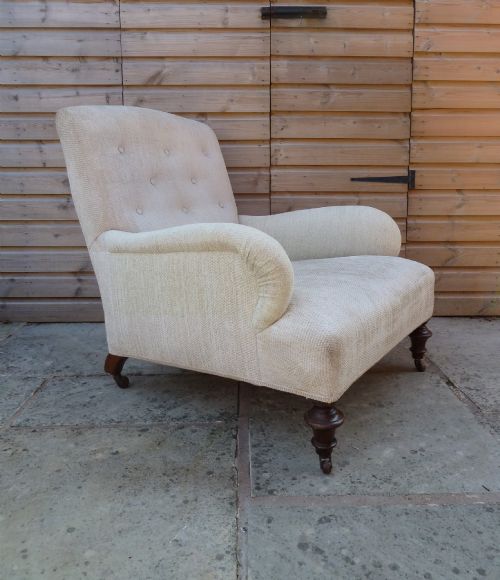
Upholstery techniques utilise traditional fabric, velvet, leather, and button tufting over deep sprung foundations. Caning appears on specific open arm varieties, utilising woven split cane within walnut or mahogany frames.
Edwardian Easy Chair Retail Price Guide 2026
Typical asking prices for edwardian easy chair among the pieces listed under this phrase on Sellingantiques today, from the lower quarter to the upper quarter. They describe what is for sale here now, not the wider market.
One exceptional Edwardian upholstered armchair arrives finished in a dedicated horse racing theme fabric.
What Varies in Quality
The distinction rests upon the integrity of the timber frame and the pedigree of the maker, with workshop names and specific retail houses carrying particular distinction. Pieces bearing attribution to established makers or prominent retailers demonstrate superior cabinetmaking within the wooden supports.
Material selection dictates the character of the seating, moving from standard hardwood and fabric combinations to fine walnut frames, detailed marquetry inlay, and heavy leather hides. The sophistication of the frame carving and the quality of the secondary timbers determine the tier of the piece.
Howard and Sons·Whytock and Reid·Gillows·Hampton and Sons·Robert Strahan·Harrods
The Edwardian Easy Chair Glossary
- Bergere
- An enclosed upholstered armchair with a wooden frame where the sides feature woven cane panelling. This style provides a lighter visual weight compared to fully upholstered club chairs.
- Tub chair
- A curved armchair where the back and arms form a continuous semi-circular barrier. This compact seating form appeared frequently in mahogany during the early twentieth century.
- Wingback
- An armchair featuring side extensions designed to shield the occupant from drafts and retain heat from a fireplace. Early twentieth century examples often incorporate deep cushioning.
- Marquetry
- Decorative woodwork where pieces of veneer are fitted into a ground material to form geometric or floral patterns. This technique frequently adorns the mahogany frames of occasional chairs.
- Club chair
- A heavy, deep seated armchair traditionally upholstered in leather. These sturdy seats prioritise uncompromised comfort.
Edwardian Easy Chair: Frequently Asked Questions
What defines an edwardian easy chair?
These armchairs combine early twentieth century upholstery with timber frames designed for domestic comfort. They range from compact reading seats to deep club chairs.
Makers utilised woods like mahogany and walnut, frequently incorporating sprung seats and supportive winged or tub designs.
How do I identify different styles?
Look to the woodwork and upholstery configuration to separate styles. Club chairs offer deep leather seating, while bergere models showcase woven cane panels.
Inlaid mahogany frames often point toward Sheraton Revival or Art Nouveau influences, distinguishing them from standard country house upholstery.
Were these chairs used for reading?
Many examples served specifically as reading or fireside chairs. Winged variants and dedicated reading seats provided structured support for prolonged periods.
Their robust hardwood frames and comfortable sprung cushions suited quiet studies and drawing rooms alike.
What woods were used for frames?
Cabinetmakers relied predominantly on mahogany, walnut, and oak for structural stability. Hardwood framing supported the heavy internal springs.
Visible woodwork often featured decorative inlays, polished finishes, or carved details depending on the workshop origin.