
Vintage Wingback Chair
A vintage wingback chair combines high-backed draught exclusion with deep upholstery, offering a commanding fireside seat built for comfort.
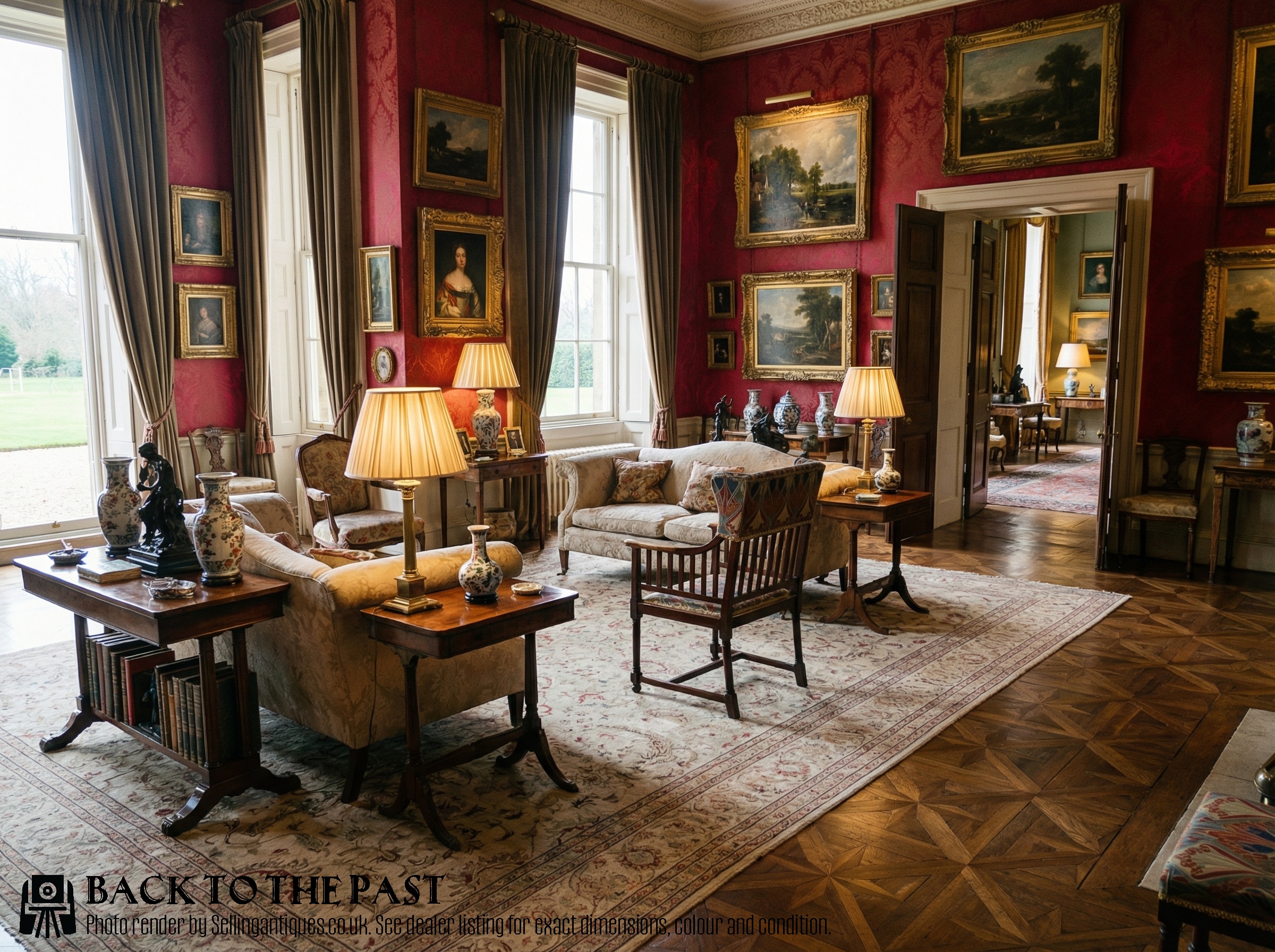
Vintage Wingback Chair
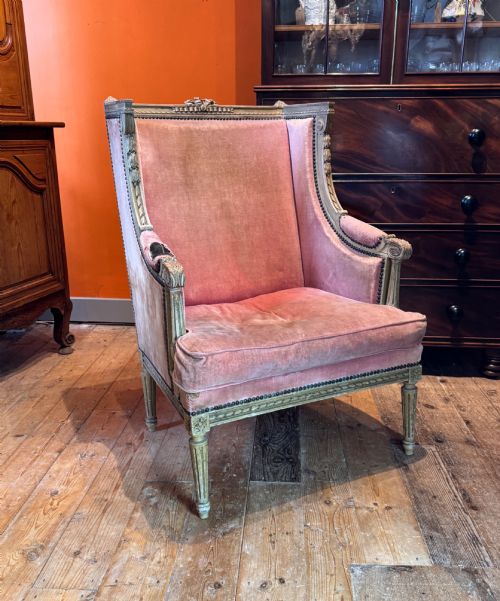
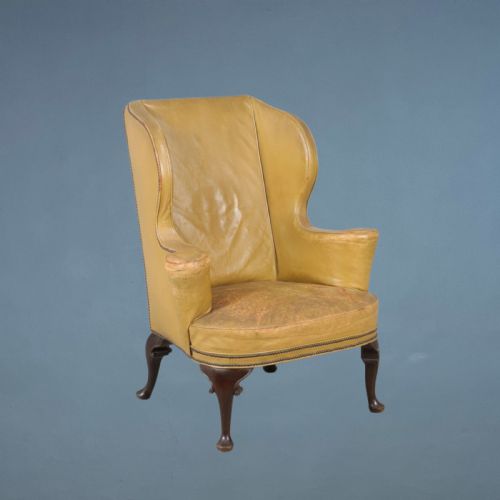
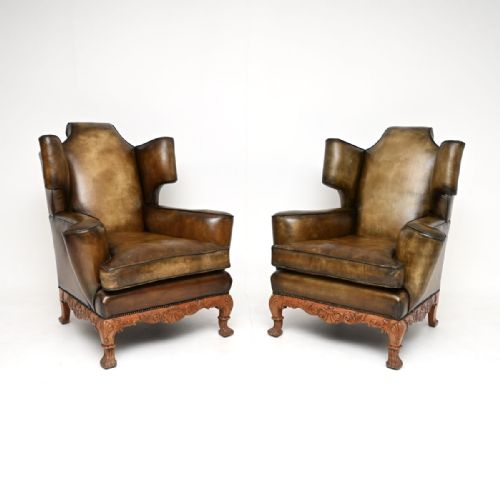
A vintage wingback chair is a substantial upholstered seat featuring protective side panels designed to shield the occupant from drafts. These pieces range from substantial 18th-century forms to 19th-century interpretations and 1930s reproductions.
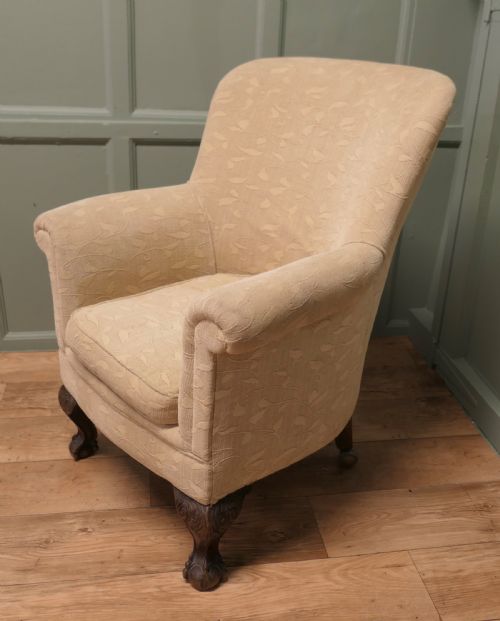
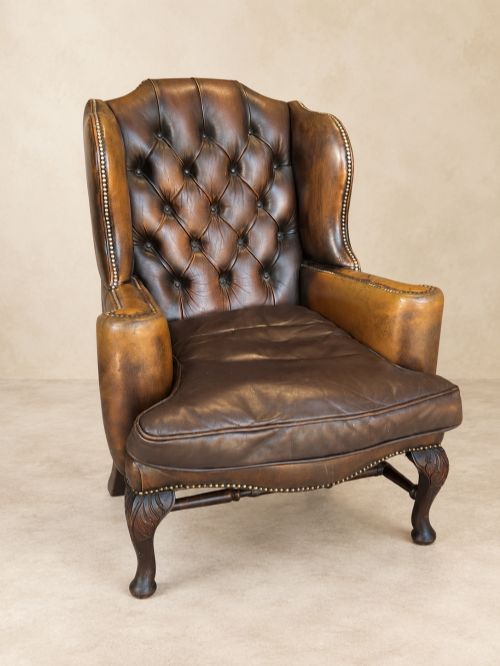
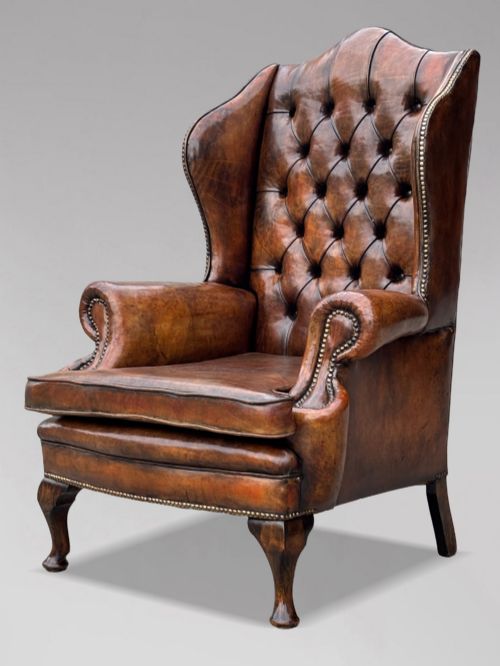
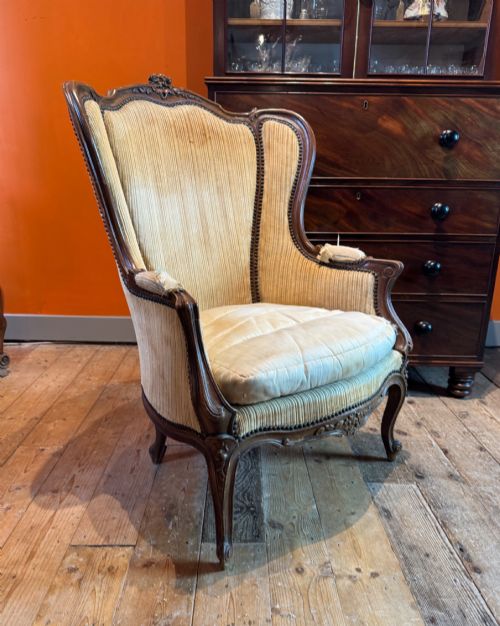
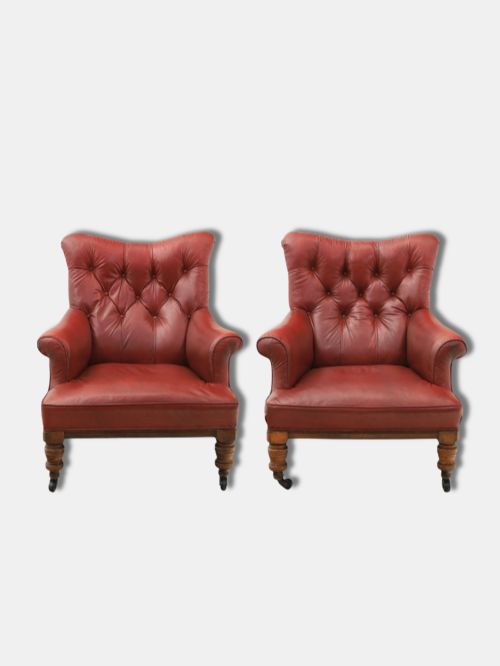
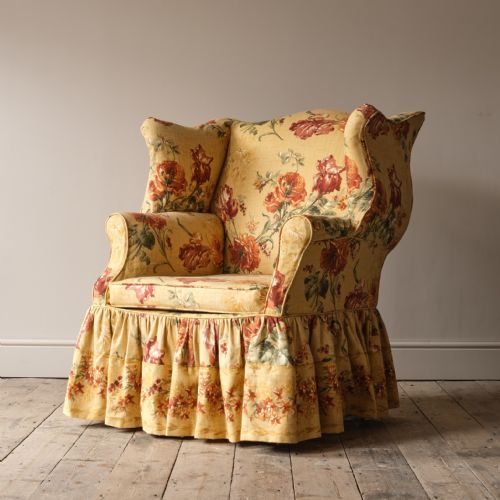
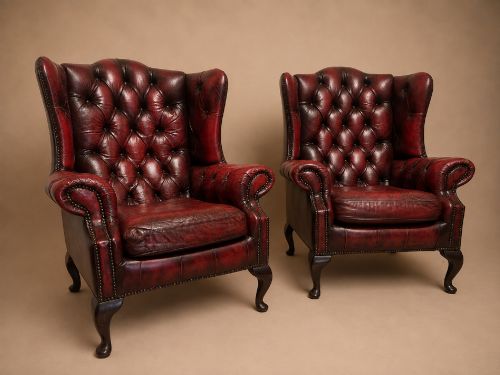
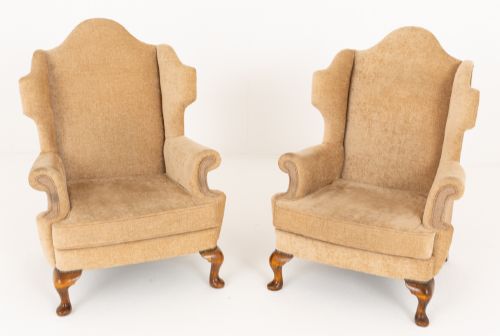
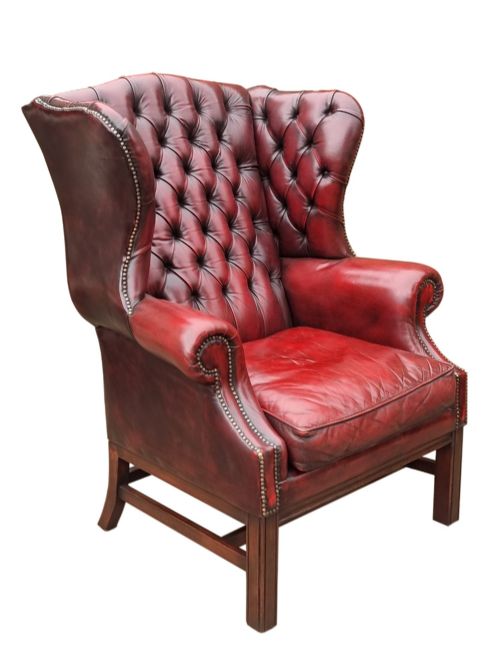
The versions most commonly met on this page include 19th-century brown leather button designs, early 20th-century pairs, and examples finished in modern plaid wool or velvet. They appear alongside related forms such as barrel-back armchairs and occasional tub seats.
How they were made
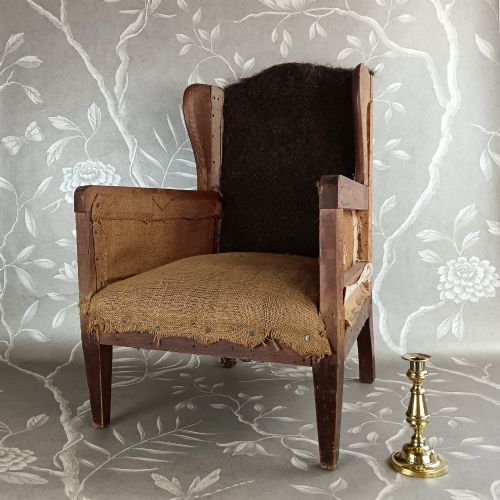
Frames rely on sturdy timbers such as mahogany, walnut, oak, and general hardwood, providing a rigid structural skeleton for the upholstery. Exposed woodwork often shows traditional turning or carving on the legs, sometimes incorporating brass castors.
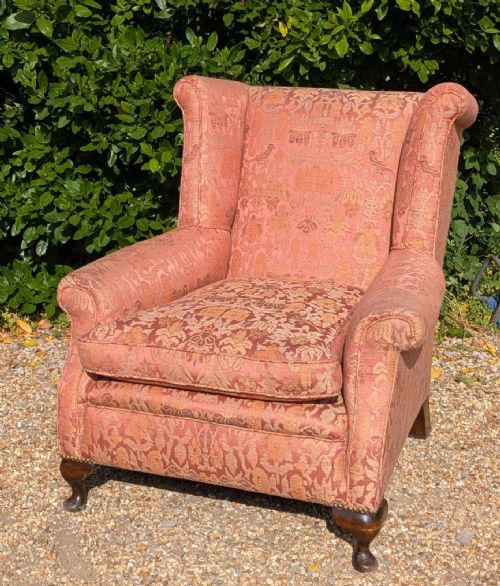
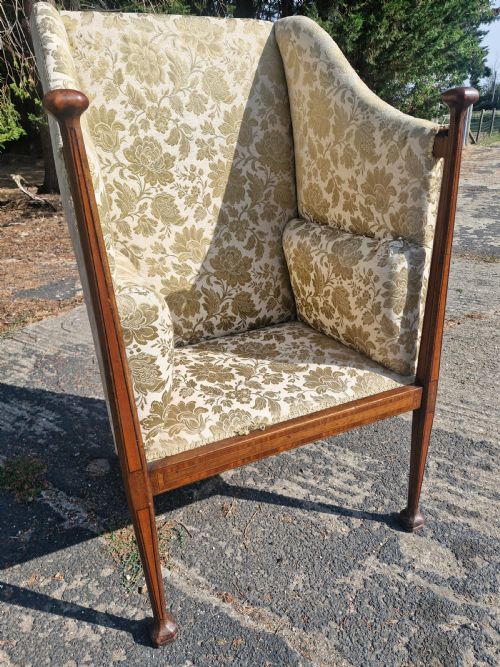
Upholstery methods utilise traditional stuffing materials housed beneath outer coverings of leather, velvet, chenille, or plaid wool. Buttoning secures the inner padding, while feather-filled cushions provide softer seating in later examples.
Vintage Wingback Chair Retail Price Guide 2026
Typical asking prices for vintage wingback chair among the pieces listed under this phrase on Sellingantiques today, from the lower quarter to the upper quarter. They describe what is for sale here now, not the wider market.
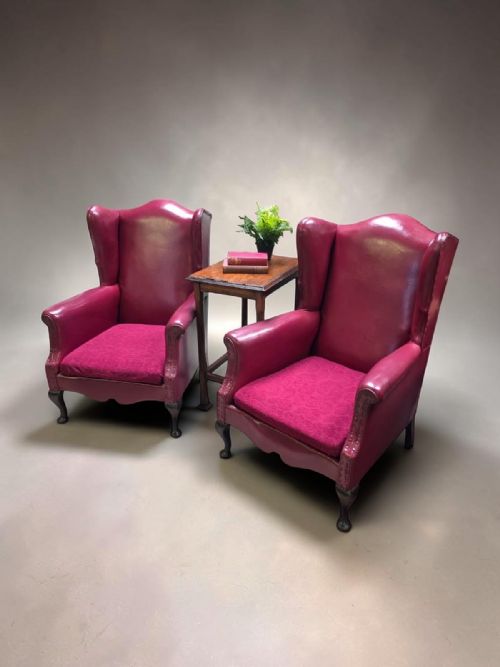
Frame woods on this page include mahogany, walnut, and oak, paired with diverse coverings from oxblood rexine to mulberry Shetland plaid.
What varies in quality
The integrity of the underlying hardwood frame and the depth of the original upholstery build dictate the baseline standard of each piece. Chairs retaining their period leather hide or authentic period fabric show superior preservation compared to modern re-coverings.
Proportion and scale separate ordinary examples from exceptional ones, particularly in the sweep of the wings and the stance of the legs. Pieces bearing maker attribution or traceable provenance command greater interest.
Howard And Sons·Whytock And Reid
The Vintage Wingback Chair Glossary
- Wingback
- An armchair featuring projecting side panels attached to the arms or back to deflect draughts. This traditional form dates back centuries.
- Barrel back
- A seating form where the upholstered back curves continuously around to form the arms. It creates a snug, enclosed posture.
- Rexine
- A branded artificial leather fabric commonly used for upholstery in the early twentieth century. It offers a durable, wipe-clean alternative to natural hide.
- Chenille
- A textured pile fabric woven with fuzzy yarn that produces a soft, tactile surface. It appears on mid-to-late period upholstered chairs.
Vintage Wingback Chair: Frequently Asked Questions
How do I identify a true vintage wingback chair?
Examine the construction methods visible beneath the chair, noting the timber used in the frame and the style of the legs. Period pieces display hand-cut joinery and materials consistent with 19th or early 20th-century cabinetmaking.
The upholstery style and materials also offer clues to age, though many pieces have been re-covered over time. Comparing the proportions against documented examples helps verify the period.
What materials were used for vintage wingbacks?
Frames are constructed from hardwoods such as mahogany, walnut, oak, and general timber. Outer coverings range from traditional leather and rexine to wool plaid, velvet, and chenille.
Padding materials evolved from traditional stuffings to feather-filled cushions in later 20th-century variants. Brass fittings often appear on the castors of earlier models.
How do I place a wingback in a room?
These large armchairs work well beside fireplaces, in libraries, or as reading seats in spacious living areas. Their high backs make them natural focal points that anchor a seating arrangement.
Pairing two matching chairs creates a balanced conversation zone, especially when matched with a central table. Ensure adequate floor space around the chair to showcase the sweeping wings and wooden legs.
What is the difference between Georgian and Victorian styles?
Georgian models often feature restrained proportions, elegant mahogany frames, and classic Queen Anne influences. Victorian examples tend to introduce deeper buttoning, heavier frames, and more exuberant padding.
Later Victorian and Edwardian iterations frequently experiment with alternative wood types and varied textile coverings. Examining the leg joinery and frame timber clarifies the era.