
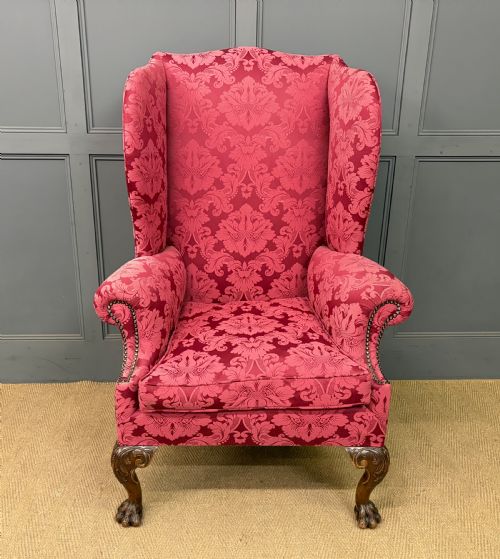


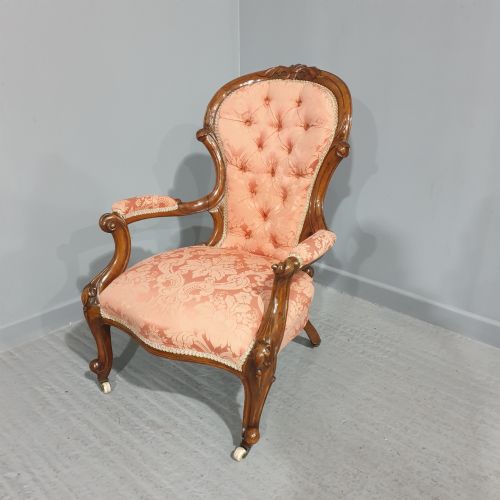


Pink Damask Armchair
A pink damask armchair offers both period form and rich textile texture, bringing character and colour to a traditional sitting room.
Identifying the pink damask armchair
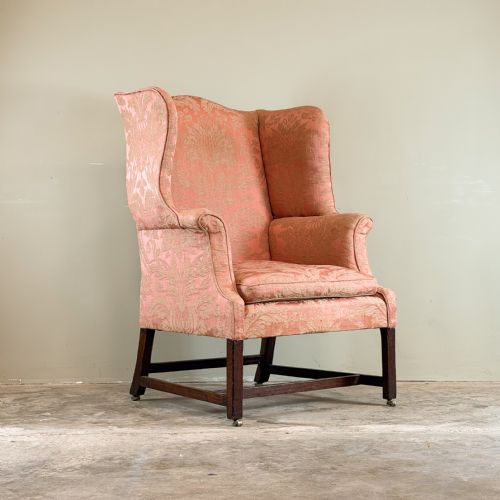
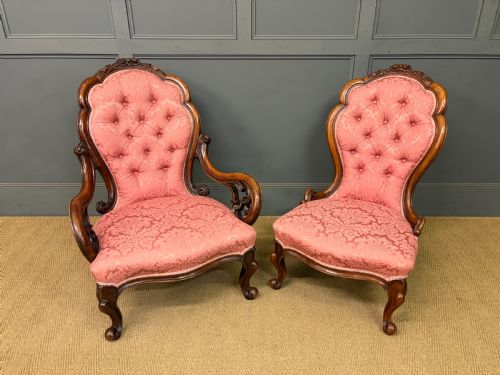
The pink damask armchair encompasses a diverse group of seating spanning the eighteenth century to the early twentieth century. These pieces bring together historic seating forms such as wing chairs, high backs, and open armchairs with patterned textile upholstery.
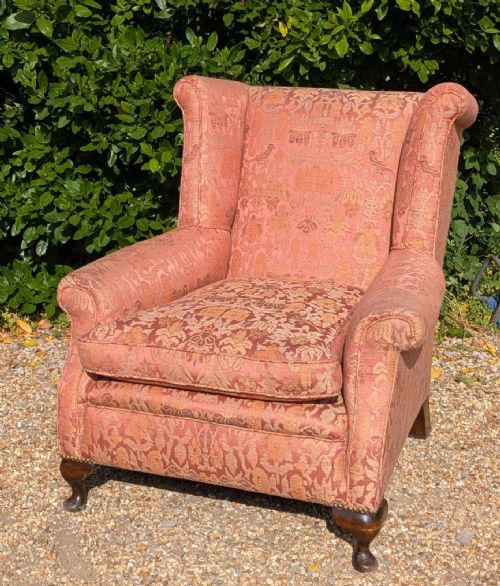
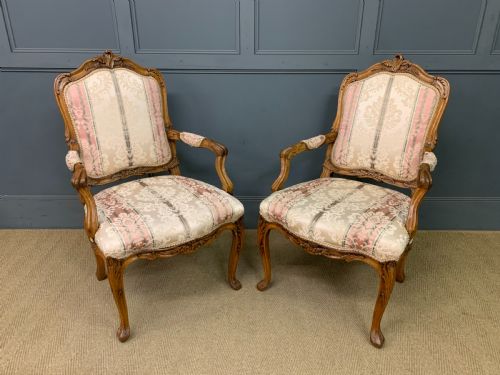
Buyers encountering this search phrase will most frequently find revival and early twentieth-century interpretations alongside earlier traditional forms. Examples range from Queen Anne style wingbacks and Georgian wing chairs to Edwardian feather-filled chairs and nineteenth-century French fauteuils.
The combination of exposed wooden frames in walnut, mahogany, or general wood with patterned fabric defines the group. Matching footstools and pairs occasionally accompany the primary seating pieces.
Construction and materials
Construction relies upon traditional timber framing utilising mahogany, walnut, and general wood to build the structural skeleton. Exposed frames often display period stylistic traits such as the curved lines associated with Queen Anne and Louis XVI neoclassical influences.
Upholstery techniques incorporate damask and tapestry fabrics, sometimes paired with feather fill for interior cushioning. Brass elements appear in detailing, while the structural textile work defines the exterior visual appeal of each armchair.
Retail Price Guide 2026
Typical UK retail prices for pink damask armchair, calculated from the Sellingantiques database of over a million retail prices indexed since 2003. This retail price guide relies exclusively on Sellingantiques data; no external sources or auction records are used, so the figures do not describe the wider market.
Framing materials recorded across these seats include mahogany, walnut, brass, and general wood.
Distinguishing quality across the range
Quality in these armchairs rests upon the integrity of the wooden frame and the fidelity of the period style executed by the maker. Pieces that maintain original frame proportions and authentic stylistic details sit comfortably above generic reproductions.
The standard of textile work and interior padding also divides the selection. Chairs retaining supportive feather fill and well-applied damask upholstery demonstrate a higher grade of craftsmanship than those with diminished interior support.
The Pink Damask Armchair Glossary
- Damask
- A reversible figured fabric with patterns woven into the cloth rather than printed on the surface. This textile provides the characteristic sheen and textured appearance found on these chairs.
- Wingback
- An armchair featuring side panels attached to the arms and extending up to block drafts and retain heat. This form developed during the seventeenth century and remains prominent in Georgian and revival pieces.
- Fauteuil
- An open-arm armchair with a wooden frame where the areas beneath the armrests remain un-upholstered. Originating in France, this style reflects neoclassical design traditions.
- Feather fill
- Natural plumage stuffing utilised inside cushion inserts to provide softness and flexibility. This material contributes to the sink and comfort of traditional seating.
- Queen Anne style
- A design movement characterised by curving lines, cabriole legs, and restrained ornamentation. Furniture from this tradition prioritises domestic comfort over heavy formality.
Frequently Asked Questions
How do I date a pink damask armchair?
Dating relies upon examining the timber of the exposed frame, the joinery methods hidden beneath the upholstery, and the stylistic vocabulary of the legs and wings. Comparing these physical traits against documented period forms helps establish whether a piece originates in the eighteenth century or a later revival.
Changes in wood seasoning and tool marks on unexposed interior timber further clarify the age of the structure. Revival pieces often blend earlier decorative motifs with twentieth-century construction standards.
Are these chairs suitable for daily sitting?
Many of these armchairs are structurally robust enough for regular use, particularly those containing feather fill and sturdy wood frames. Assessing the internal support and the firmness of the seat helps determine daily comfort.
Placing the chair away from direct sunlight protects the damask textile from fading over time. Periodic professional maintenance of the wooden joints ensures stability during frequent use.
What is a wingback armchair used for?
Historically, wingback armchairs were placed near fireplaces to shield the occupant from drafts while trapping heat around the upper body. The side panels served a practical thermal function in larger, uninsulated rooms.
In modern interiors, these pieces function primarily as reading chairs or statement seating in studies and sitting rooms. Their tall backs provide distinct vertical visual weight within a room layout.
How should I care for damask upholstery?
Damask fabric requires gentle maintenance such as regular light vacuuming with a soft brush attachment to remove surface dust. Avoiding harsh chemical cleaners prevents damage to the woven pattern and the delicate fibres.
Professional textile cleaning is recommended for addressing deeper marks or stains without compromising the fabric integrity. Keeping the chair out of direct exposure to strong light preserves the pink coloration.