

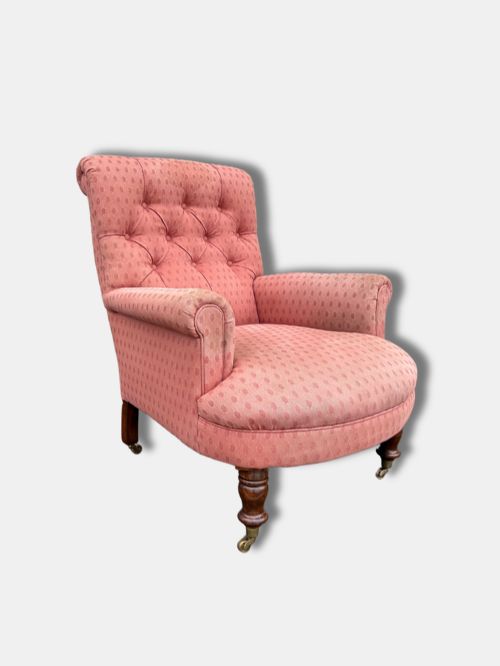
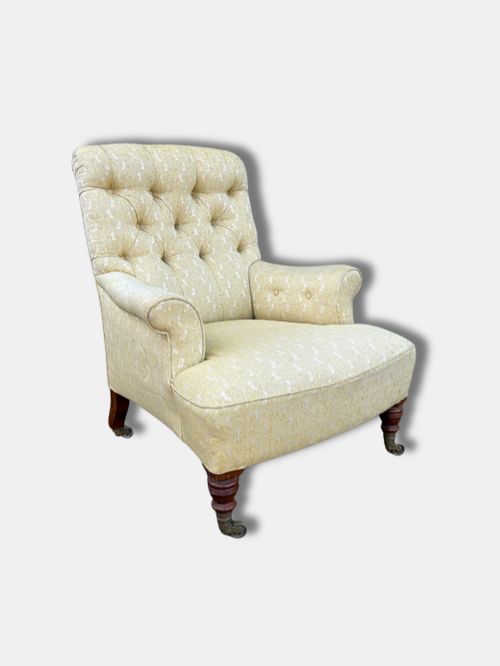
Upholstered Easy Chair
When you search for an upholstered easy chair, you enter a lineage of domestic comfort spanning walnut frames, deep buttoning, and generous proportions.
Upholstered Easy Chair
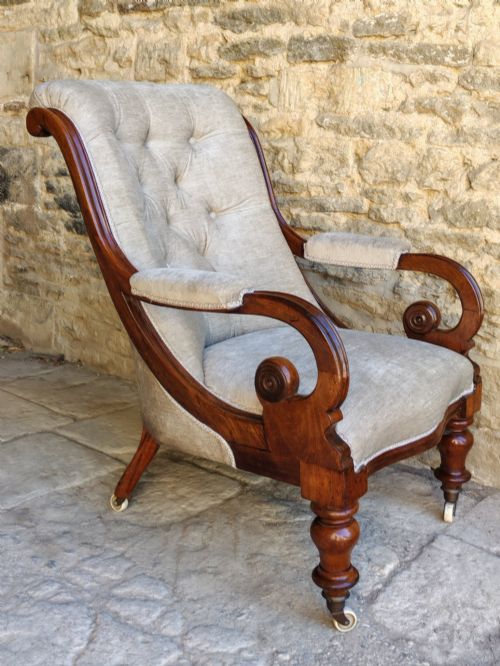
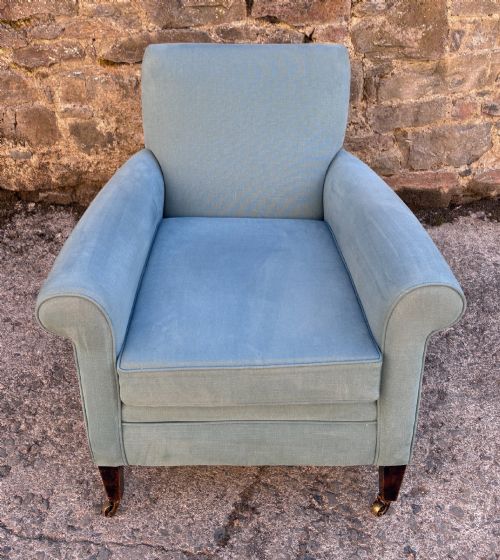
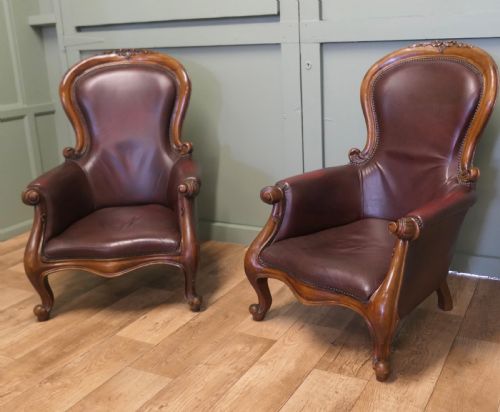
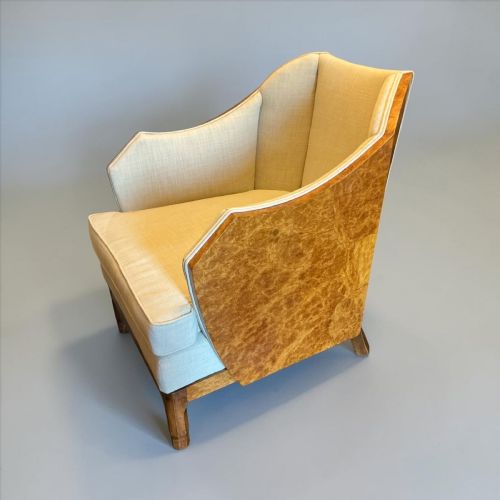
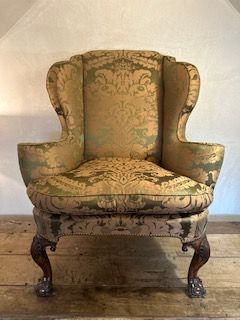
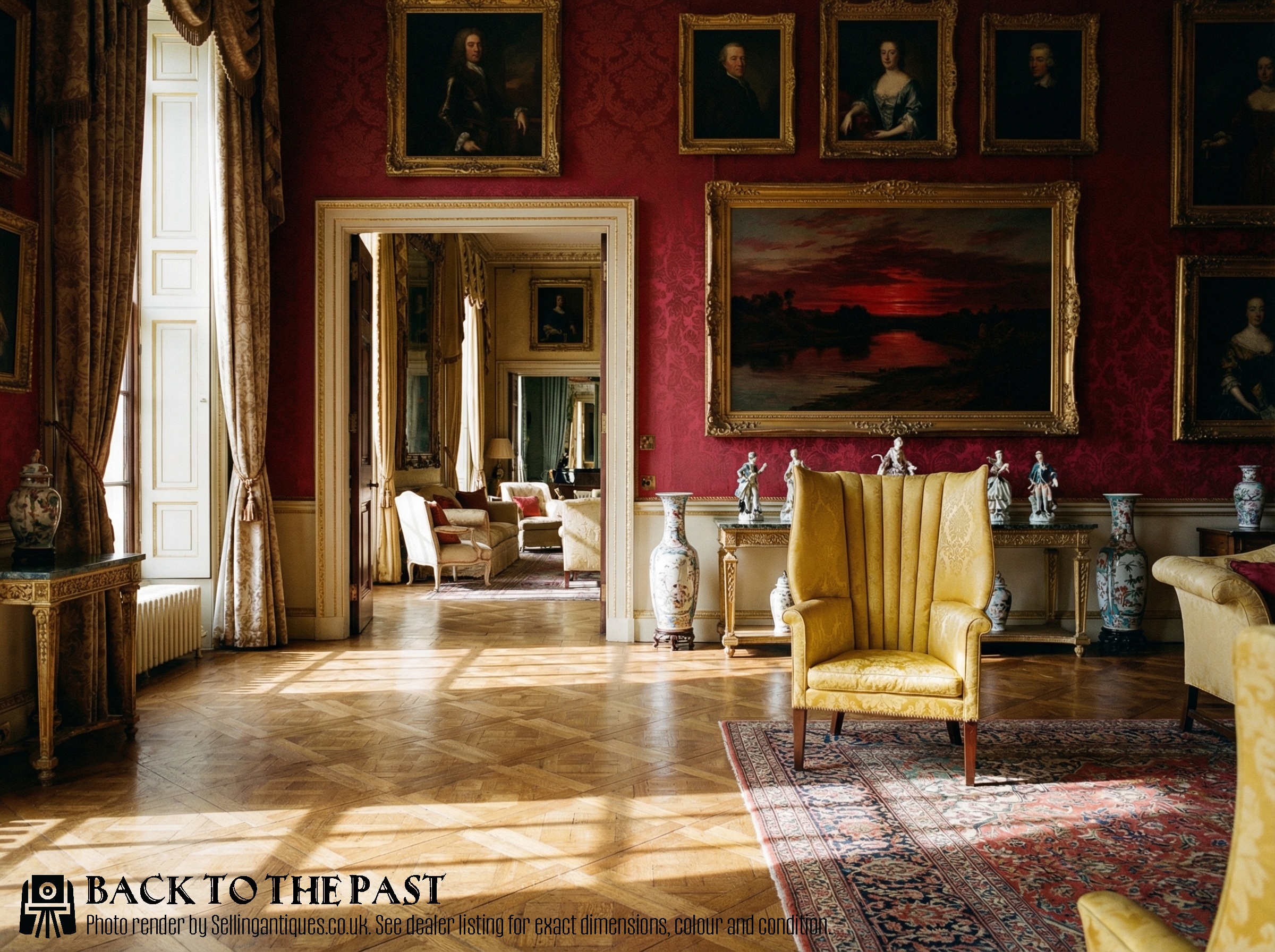
An upholstered easy chair serves as a primary seat for repose, historically placed in libraries, drawing rooms, and firesides. When exploring this selection, buyers encounter forms ranging from 18th-century wingbacks to Victorian button-backed library chairs and 1930s club chairs.
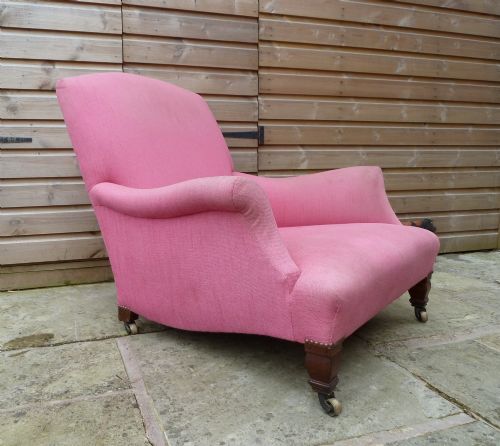
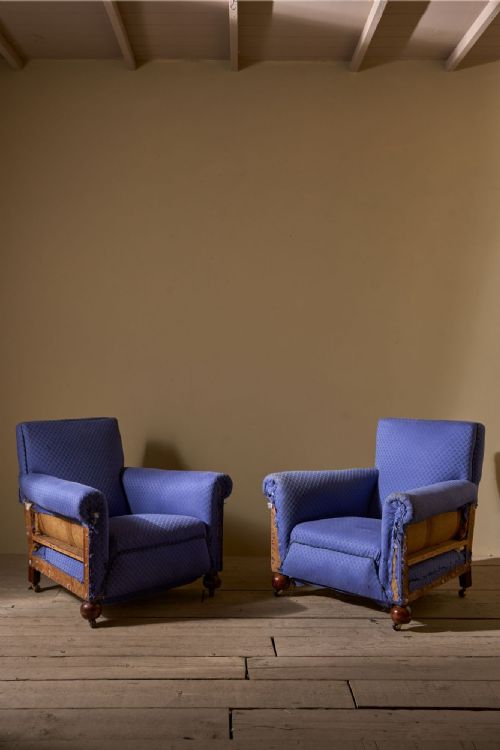
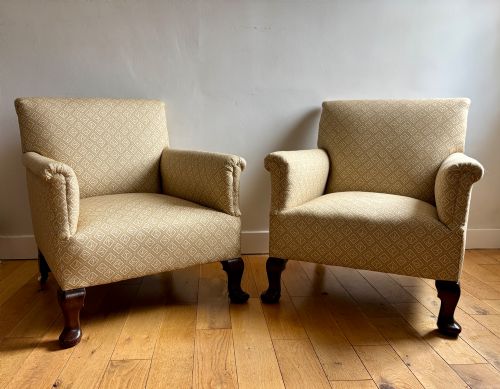
Victorian and Edwardian iterations dominate the selection, often featuring robust timber frames of mahogany, walnut, or oak concealed beneath fabric. Makers such as Howard and Sons set a standard for deep-sprung comfort that later pieces emulate.
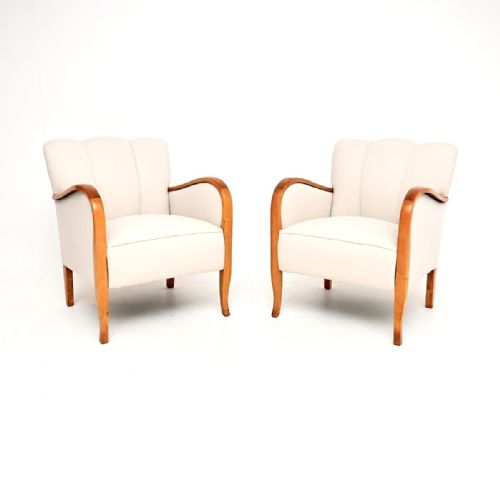
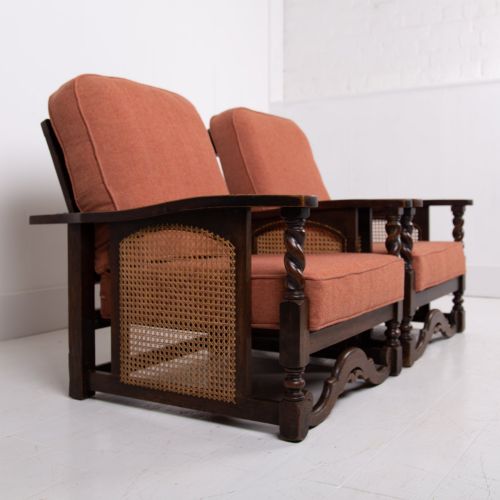
The assortment extends across various aesthetics, including Georgian proportions, Art Deco club shapes, and Scottish School leather fireside seating. Each period brings distinct arm shapes and seat depths suited to contemporary domestic interiors.
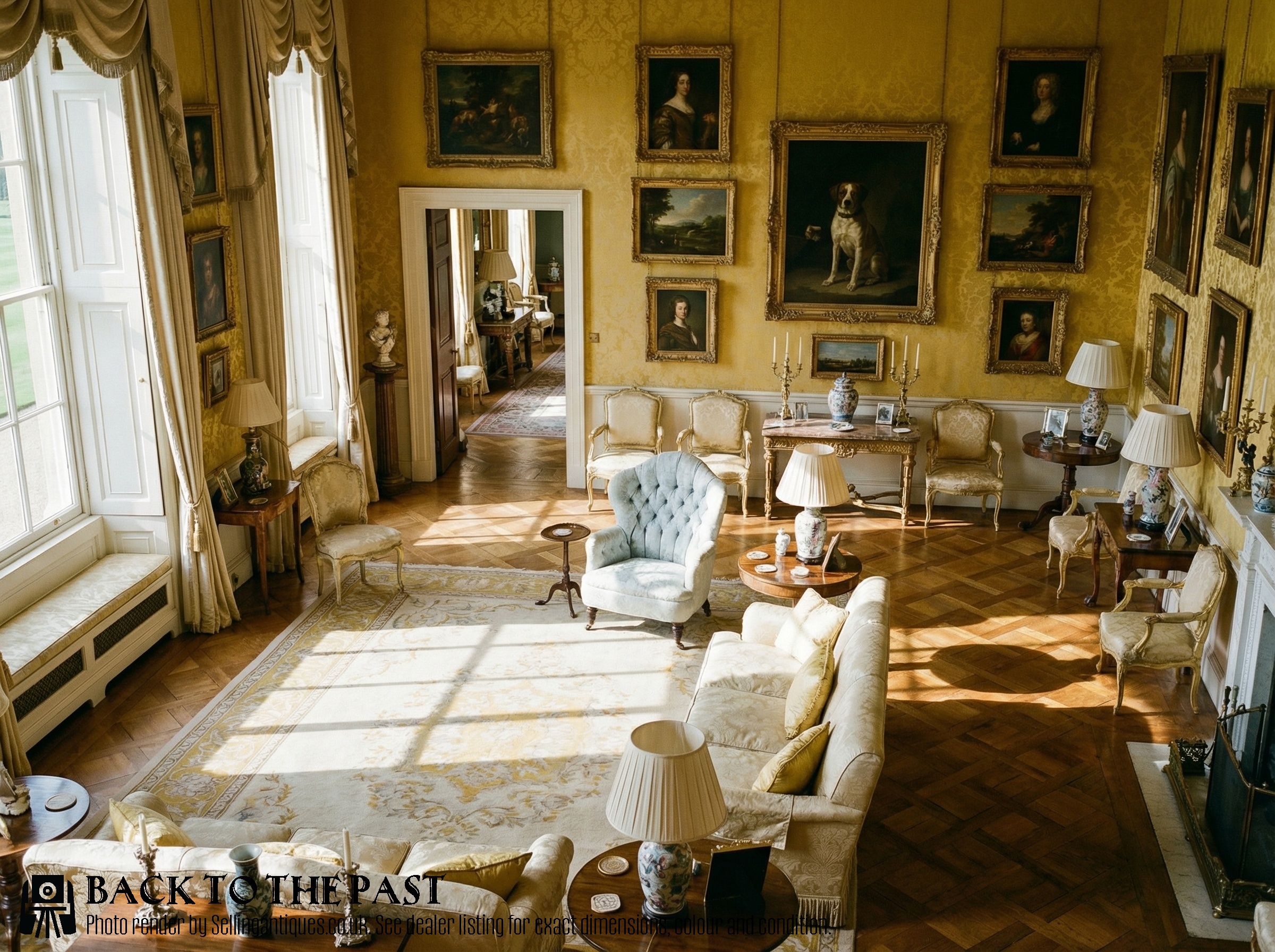
Markers of Quality
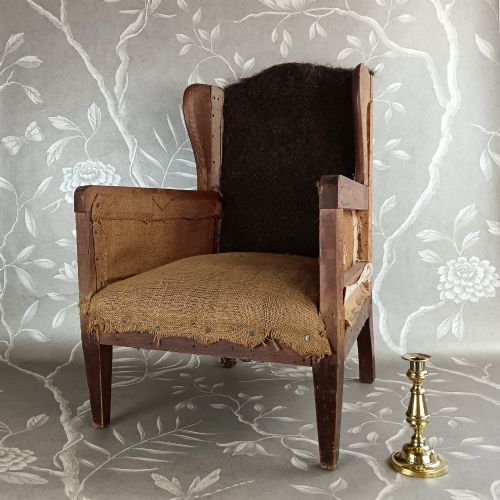
The calibre of an upholstered easy chair rests upon the integrity of its internal frame construction and the springing method employed. Superior examples exhibit substantial timber framing that supports heavy, multi-layered stuffing without sagging.
Attention to detail in the upholstery work, including hand-stitching, precise buttoning, and the selection of high-grade leather or textile coverings, distinguishes workshop pieces from standard production items.
Upholstered Easy Chair Retail Price Guide 2026
Typical asking prices for upholstered easy chair among the pieces listed under this phrase on Sellingantiques today, from the lower quarter to the upper quarter. They describe what is for sale here now, not the wider market.
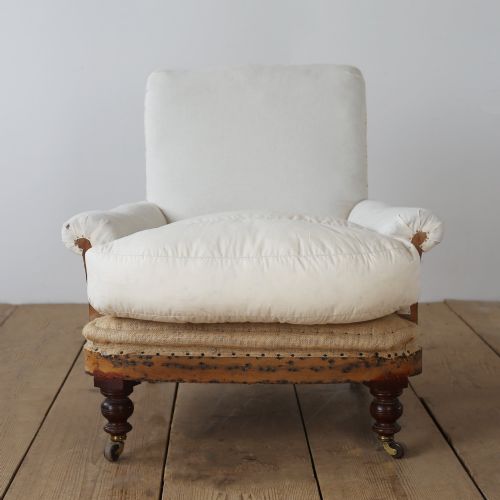
Listings feature hardwood frames in mahogany, walnut, and oak paired with traditional upholstery foundations like hessian and calico.
Howard and Sons·Whytock and Reid·Gillows·Heals of London
The Upholstered Easy Chair Glossary
- Wingback
- An armchair with side panels designed to shield the occupant from drafts and retain fireplace heat. These panels extend upward from the arms to the shoulders.
- Bergere
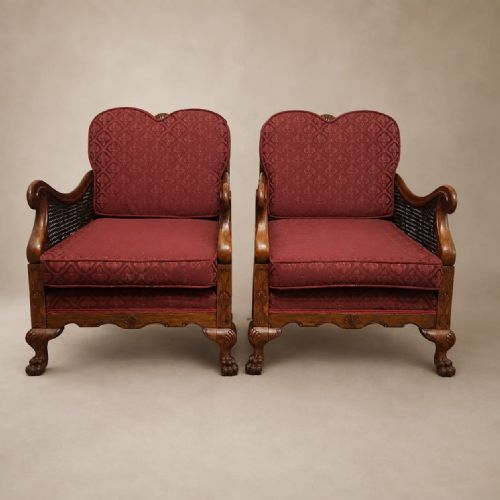
- An enclosed armchair with cane or wicker panels set into the wooden frame. They often incorporate loose seat cushions for added comfort.
- Button Back
- An upholstery style where depressions are formed in the padding by pulling thread or twine tightly through to the frame, secured with fabric-covered buttons.
- Spoon Back
- A Victorian chair design featuring a padded backrest curved to resemble the bowl of a spoon. This shape provides ergonomic support for the spine.
- Fireside Chair
- A low-slung armchair intended for positioning near a hearth. They frequently feature leather or heavy fabric to withstand proximity to open fires.
Upholstered Easy Chair: Frequently Asked Questions
How do I identify a Howard and Sons chair?
Look for stamped maker marks on the castors, manufacturer stamps on the back legs, and signature low-slung, deep-sprung proportions.
Original pieces also utilise specific ticking fabrics beneath the top upholstery bearing maker inscriptions.
What is the difference between a library chair and a fireside chair?
Library chairs are typically larger, designed for long periods of reading at a desk or table, often featuring leather upholstery for durability.
Fireside chairs are lower to the ground, prioritising warmth and relaxed lounging near a fireplace.
Can I use these chairs in a modern interior?
The neutral tones of mahogany, walnut, and leather allow these pieces to anchor contemporary living spaces easily.
Art Deco club chairs and Edwardian designs mix well with minimalist furniture through contrasting textures.
How do I date an upholstered easy chair without removing the fabric?
Examine the shape of the exposed timber legs, arm profiles, and castor types to align with known stylistic periods.
Victorian pieces often show ceramic castors and spoon backs, while 1930s examples display rounded Art Deco volumes.