

Georgian Fireside Chair
A georgian fireside chair brings timeless warmth and high-backed comfort to any room, offering traditional seating built for long winter evenings.
Georgian Fireside Chair
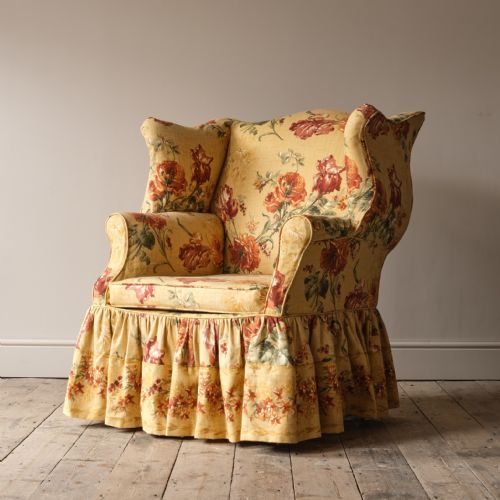
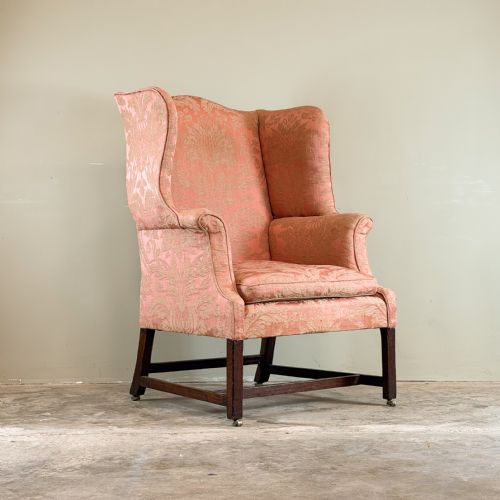
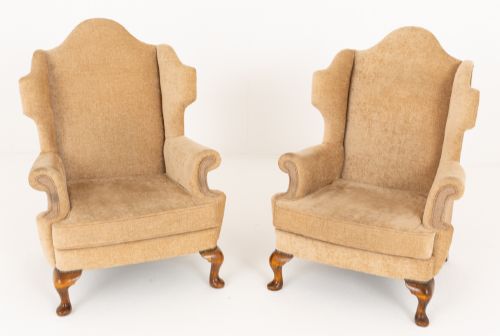
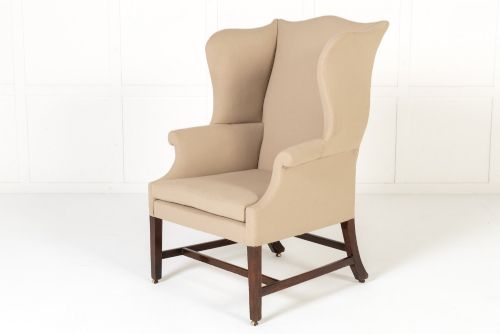
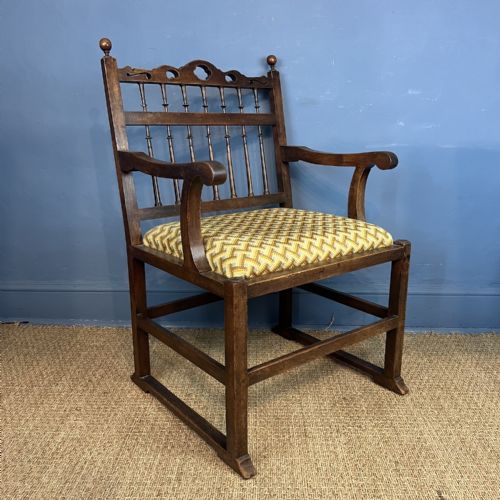
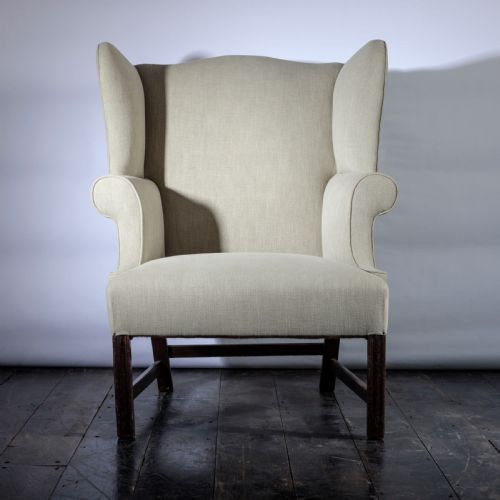
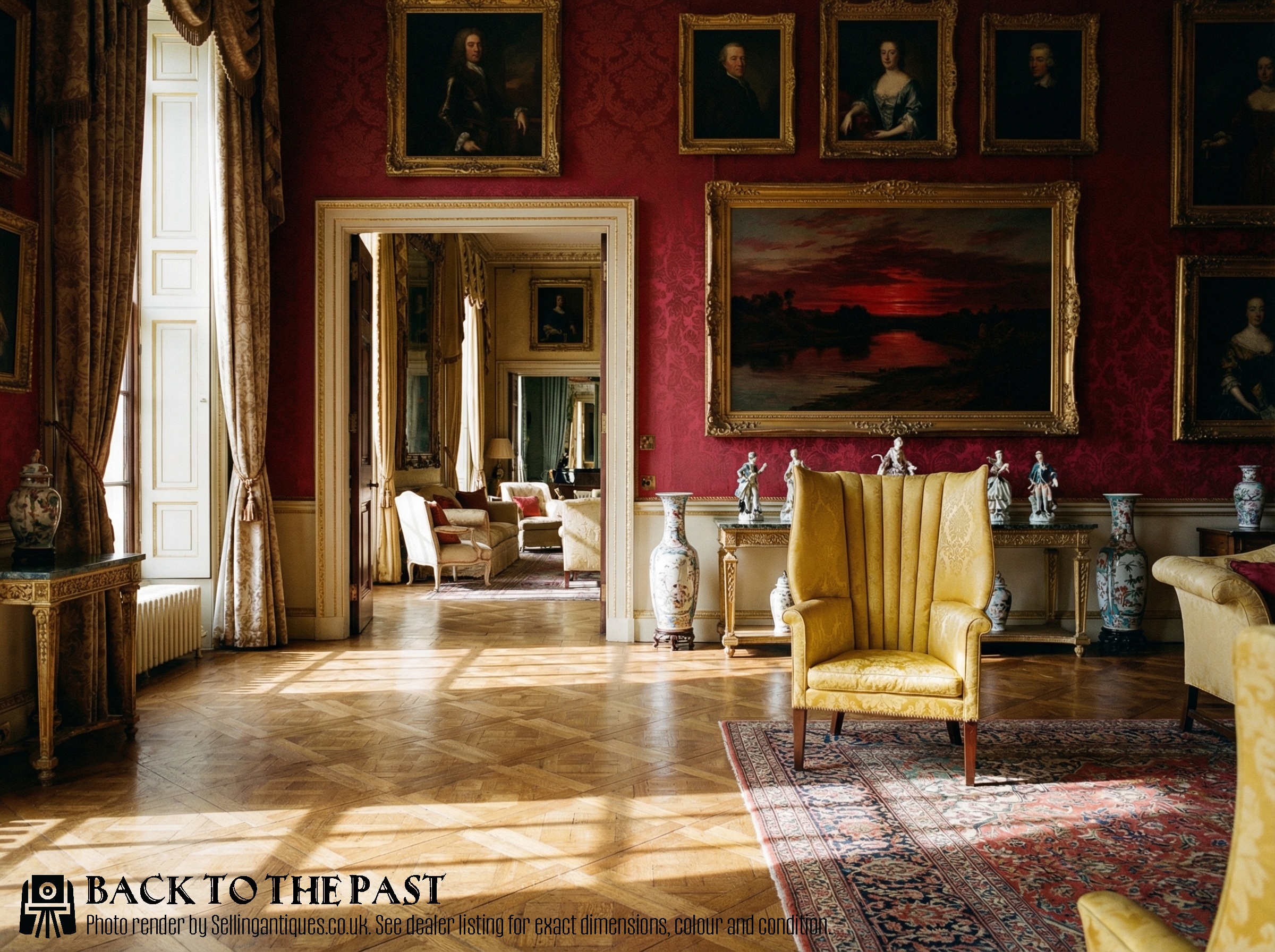
A georgian fireside chair encompasses substantial wingbacks, library armchairs, and vernacular seating designed to keep draughts away from the sitter. These pieces date primarily from the eighteenth century through to later revival periods, reflecting both formal drawing-room elegance and robust country craftsmanship.
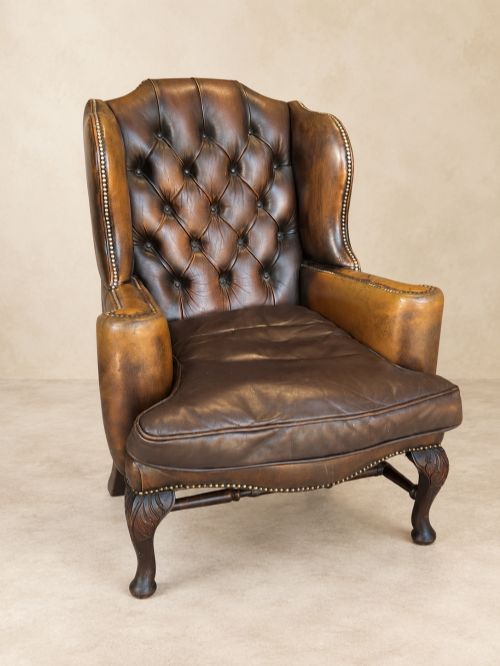
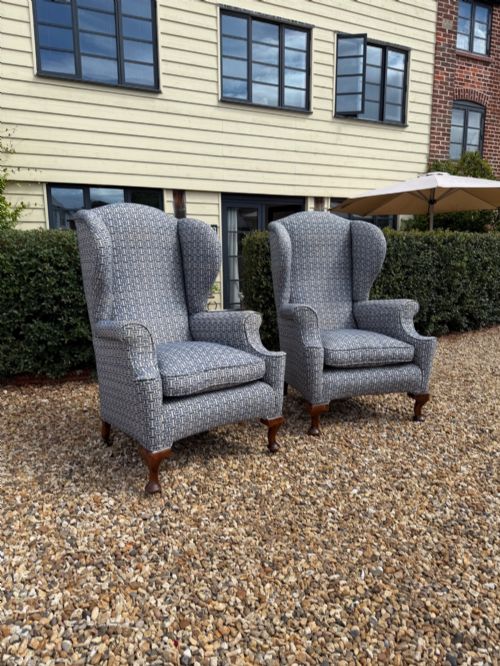
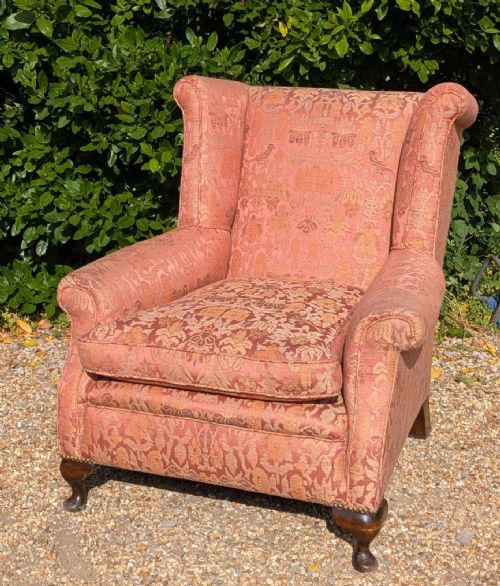
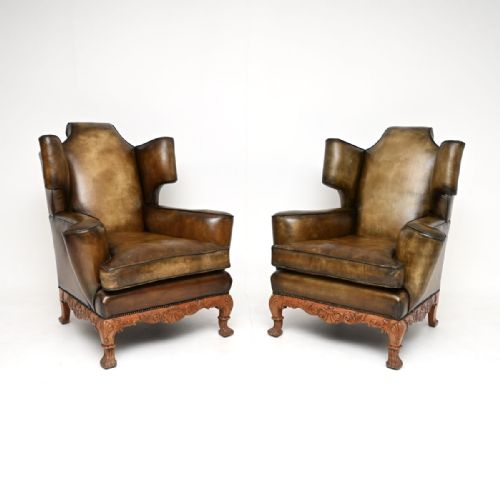
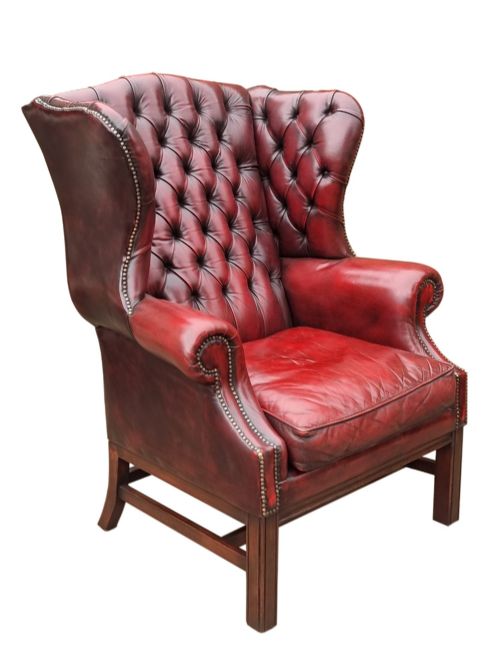
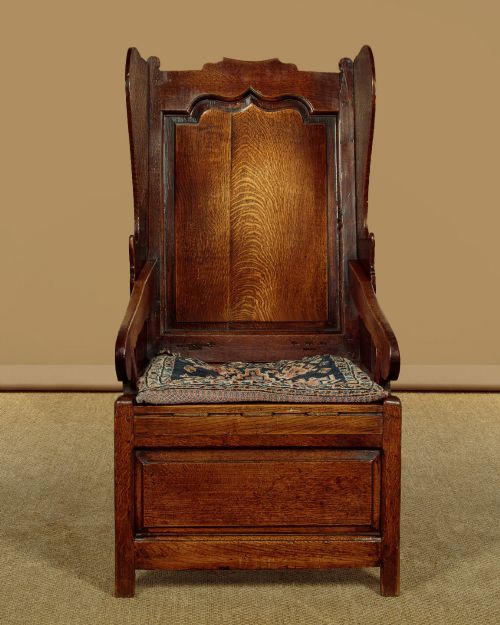
The most common examples encountered on this page take the form of high-backed wing chairs upholstered in leather or fabric, alongside wooden Windsor and lambing forms. Makers constructed these seats to provide deep support, utilising enclosed sides and padded wings that trapped heat from the hearth.
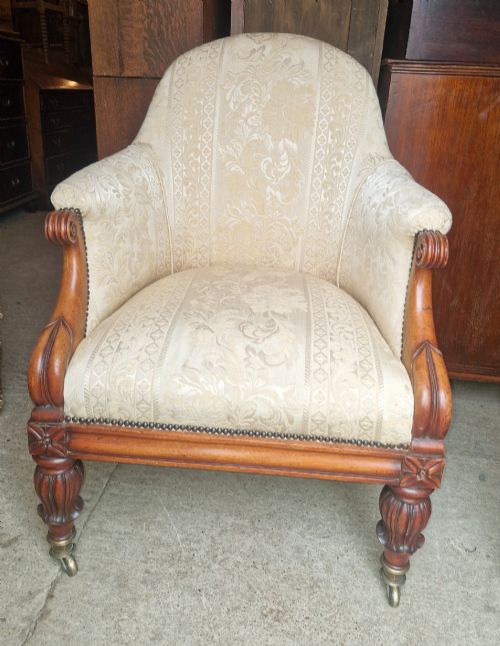
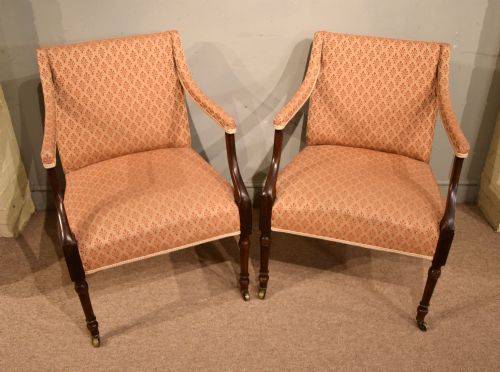
Buyers also find specialised regional variations such as comb-back Windsors in ash and elm, alongside mahogany library chairs resting on cabriole legs. Each variant offers a distinct interpretation of domestic comfort shaped by the period in which it was built.
Materials and construction
Frames rely on sturdy native timbers such as mahogany, oak, ash, and elm, depending on whether a piece originated in an urban cabinetmaker's workshop or a rural vernacular setting. Joinery typically incorporates pegged mortise and tenon joints for wooden frames, while upholstered variants employ webbed foundations and horsehair stuffing.
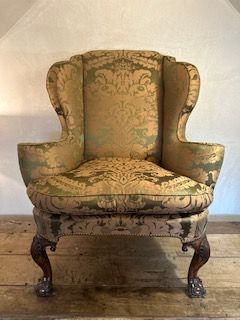
Surface treatments and decorative elements include brass tack detailing along upholstery borders, hand-carved cabriole legs terminating in pad or claw-and-ball feet, and turned spindles on country models. Leather, velvet, and various woven textiles serve as traditional coverings designed to withstand heavy daily use.
Georgian Fireside Chair Retail Price Guide 2026
Typical asking prices for georgian fireside chair among the pieces listed under this phrase on Sellingantiques today, from the lower quarter to the upper quarter. They describe what is for sale here now, not the wider market.
Some antique drunkards chairs included unusually curved arms designed to accommodate eighteenth-century gentlemanly slumber after a heavy dinner.
Judging quality and proportion
Quality rests heavily on the integrity of the timber frame, the grace of the proportions, and the authenticity of the components. Superior examples maintain their original framing timbers without excessive timber replacement or structural compromise in the arm supports and leg junctions.
Carving depth and sharpness on mahogany legs distinguish finer urban cabinetwork from simpler country pieces, while the balance of the wing sweep and back rake determines the visual harmony of upholstered forms. Original stretchers and undisturbed blockwork beneath the seat further separate exceptional survivals from heavily altered pieces.

Howard And Sons
The Georgian Fireside Chair Glossary
- Wingback
- An upholstered armchair featuring projecting side panels designed to shield the occupant from drafts. These wings often blend smoothly into scrolled arms.
- Cabriole leg
- A furniture leg that curves outward at the knee and tapers inward at the ankle, finishing in a pad, scroll, or claw foot. This form became prevalent during the eighteenth century.
- Lambing chair
- A traditional enclosed wooden seat, frequently incorporating a high panelled back and a storage compartment beneath the seat. These served rural households near open hearths.
- Windsor chair
- A wooden chair constructed with a solid sculpted seat into which the legs and back spindles are wedged directly. Regional types include comb-back and stick-back variants.
- Vernacular
- Furniture made by local country artisans using regional traditions and readily available timbers rather than following strict metropolitan stylistic dictates.
Georgian Fireside Chair: Frequently Asked Questions
How were these chairs originally used?
Households placed these chairs close to open fireplaces where the enclosed wings captured heat and blocked cold air currents circulating through large rooms. They served as primary seating for reading, resting, or needlework during the colder months.
In grander settings, upholstered wing chairs occupied drawing rooms and libraries, while simpler wooden variants stood in farmhouse kitchens and cottages. Their heavy frames ensured they remained stable and durable fixtures in daily domestic life.
How do I tell an 18th-century piece from a later revival?
Distinguishing period pieces from later nineteenth or twentieth-century revivals requires examining the construction marks, timber ageing, and joinery methods hidden beneath the upholstery. Eighteenth-century frames often show hand-tooling marks, pegged joints, and secondary woods consistent with period workshop practices.
Revival pieces, such as those made around nineteen-twenty or nineteen-thirty, frequently utilise standardised machine-cut components and modern hardware. Consulting the underlying webbing and frame structure reveals the true age of the construction.
How should I care for leather upholstery?
Leather-upholstered chairs require stable room humidity and protection from direct sunlight to prevent the hide from drying and cracking over time. Regular dusting with a soft cloth keeps abrasive particles from settling into the natural grain of the material.
Applying a specialist leather conditioner periodically helps maintain suppleness without clogging the pores. Avoid placing these chairs directly next to active heat sources to preserve the integrity of both the leather and the internal padding.