
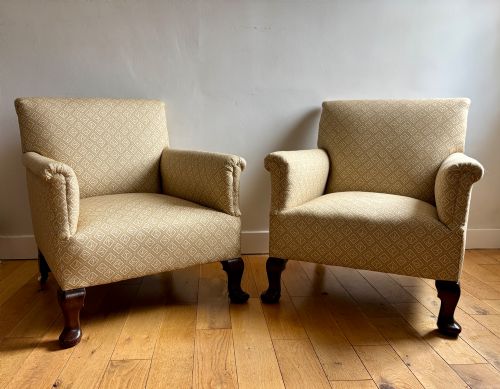
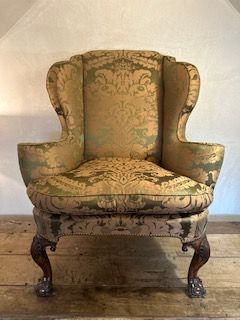
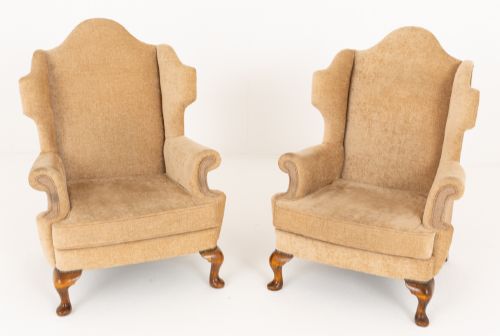
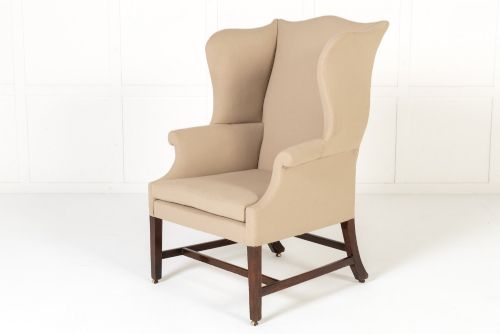



Georgian Easy Chair
A georgian easy chair offers deep comfort and traditional winged elegance, anchoring a room with substantial mahogany frames and generous proportions.
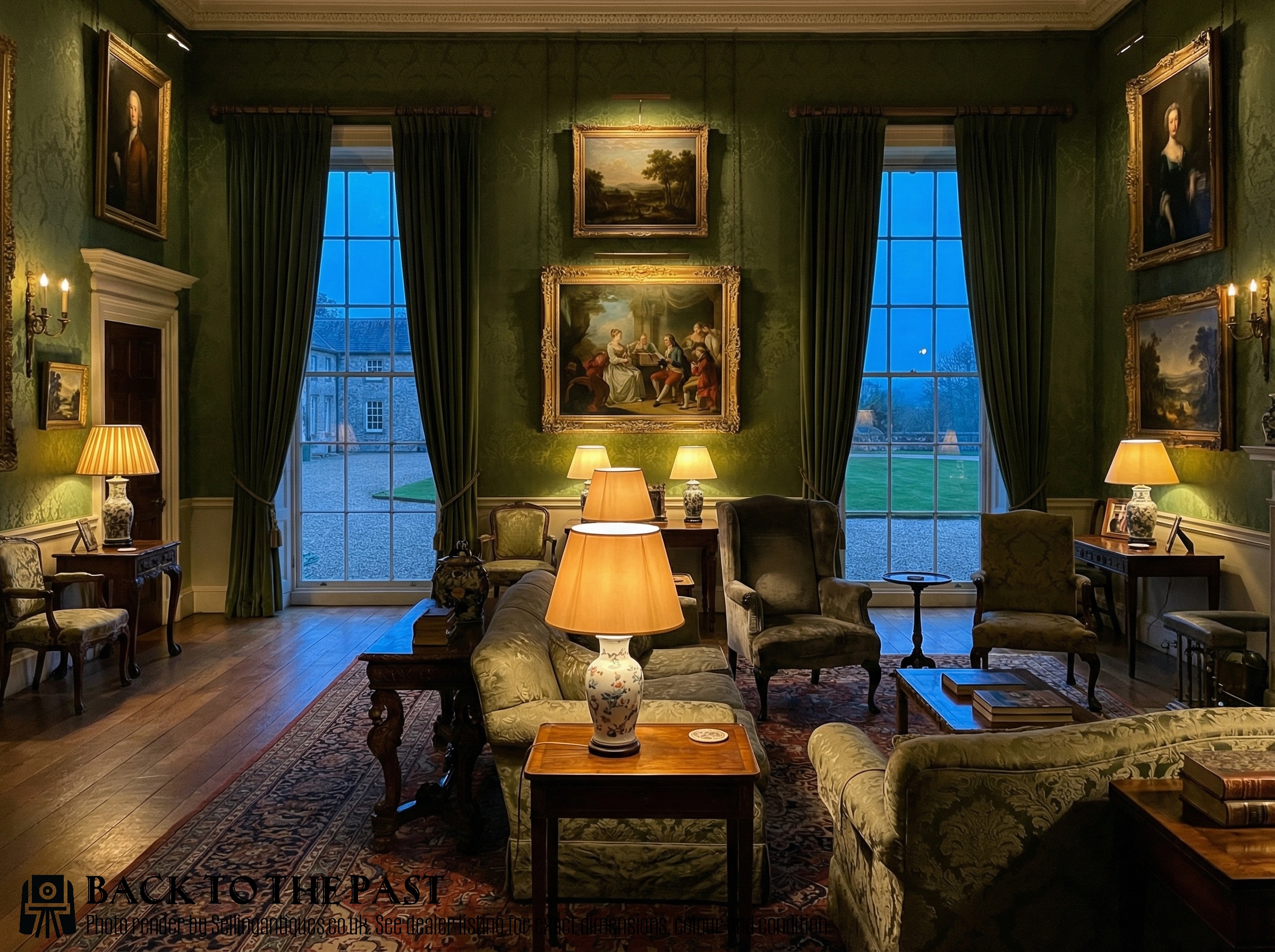
What these chairs are
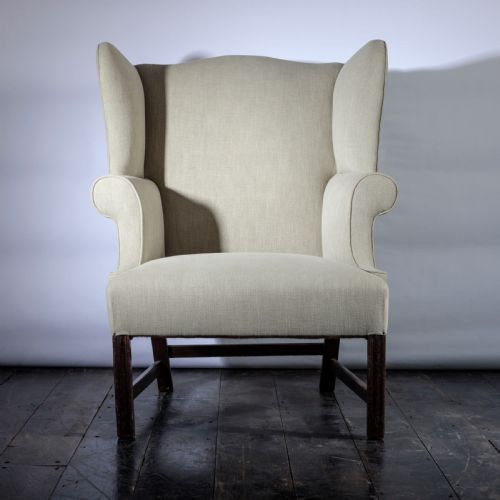
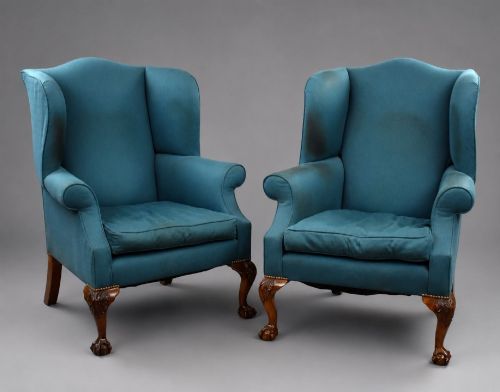
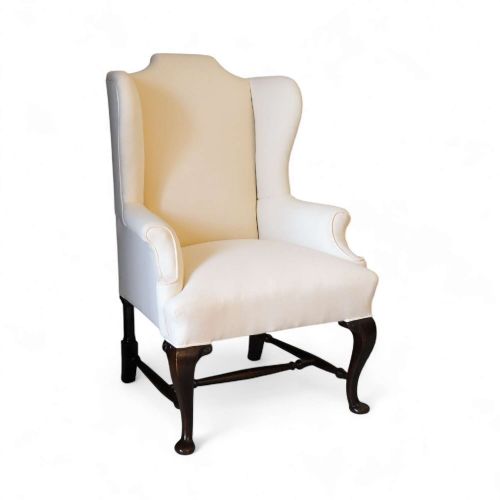
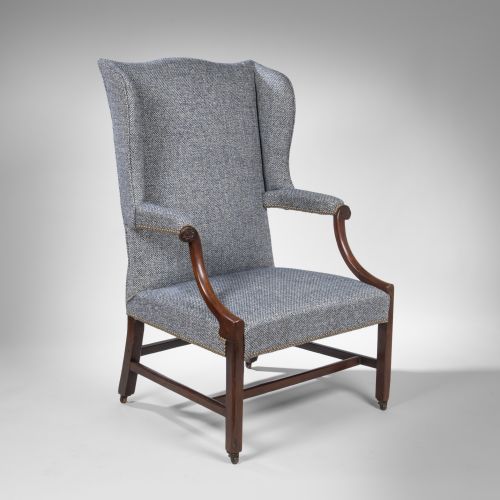
When buyers search for a georgian easy chair, they are looking for traditional upholstered seating designed to protect against draughts. These pieces span the eighteenth century, featuring substantial winged backs intended to retain heat from a hearth.
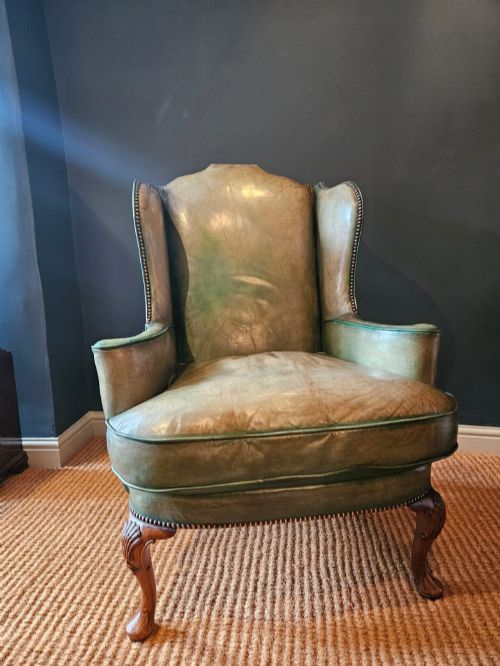
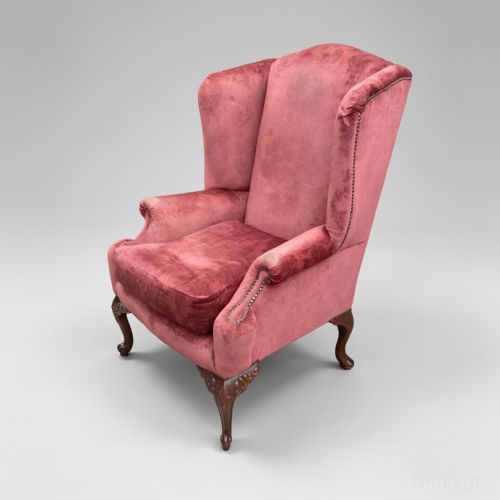
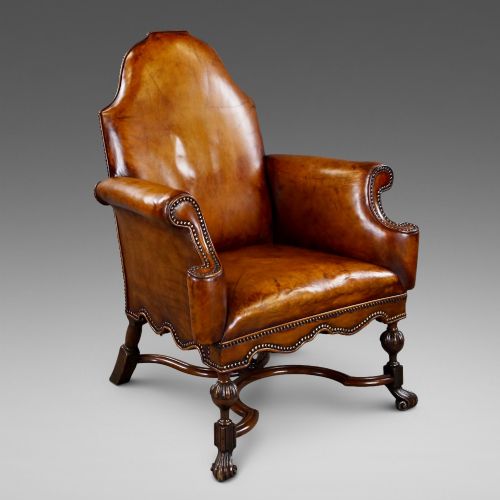
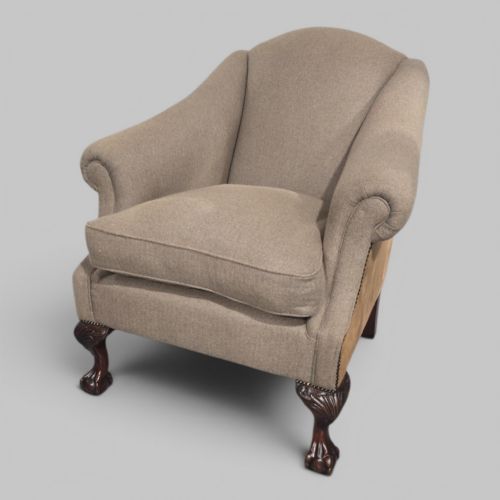
The versions most commonly met on this page belong to the Georgian and mid-Georgian periods, alongside later nineteenth-century examples and George III designs. Their forms include large scale frames, generous wingbacks, and occasional easy armchairs.
Construction relies upon robust timber foundations, predominantly mahogany, shaped into armchair profiles. They serve as reading library chairs or fireside seating, combining structural presence with deep upholstery.
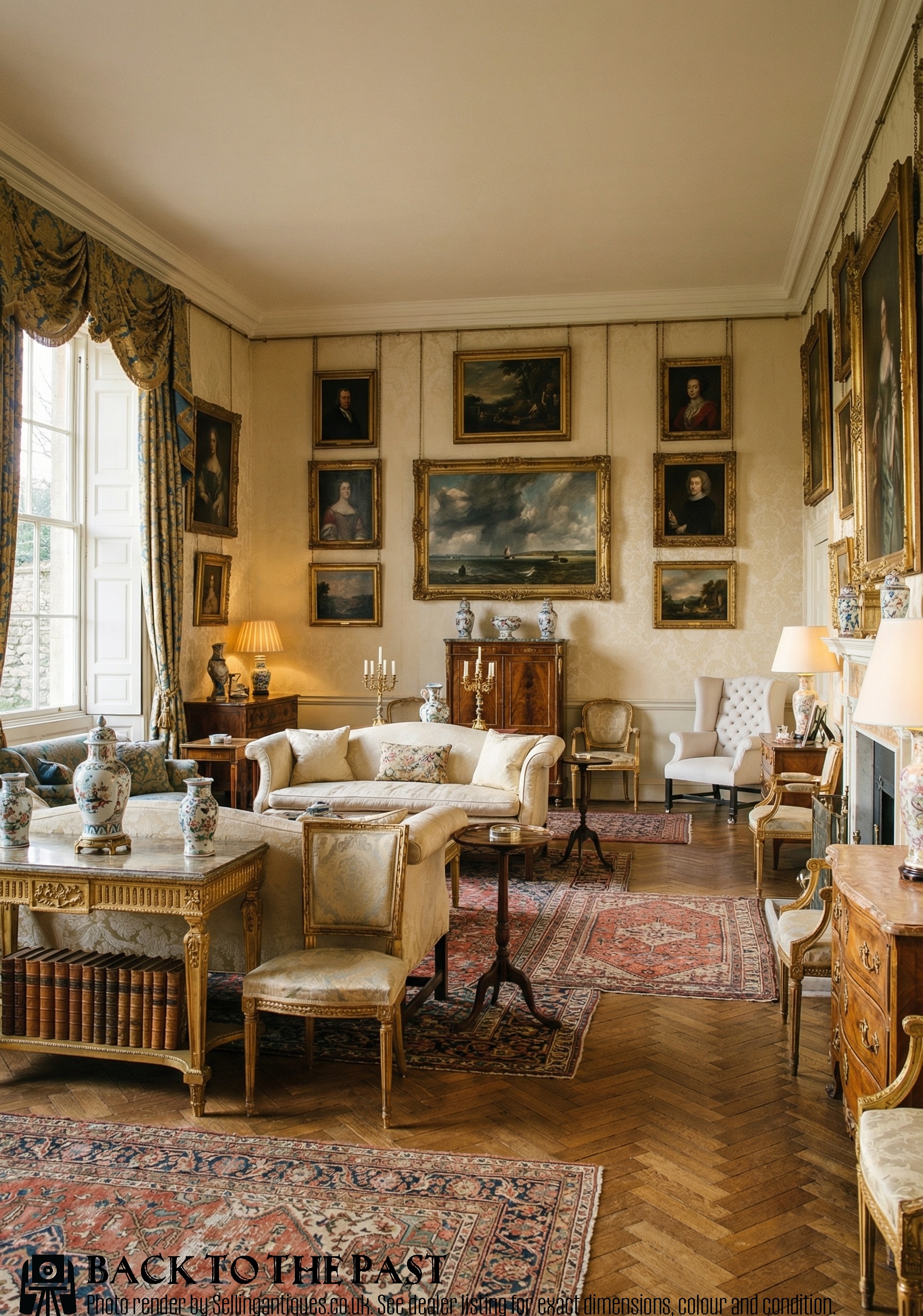
How they were made
Makers constructed the primary framework using timber, specifically mahogany, shaping sturdy legs and structural supports. Brass details often reinforced the construction or decorated the upholstery edges.
Traditional stuffing utilised various materials including hessian, cotton, and fabric layers to build up the comfortable silhouette. Final coverings ranged from linen and velvet to standard upholstery fabrics, secured across the generous frame.
Retail Price Guide 2026
Typical UK retail prices for georgian easy chair, calculated from the Sellingantiques database of over a million retail prices indexed since 2003. This retail price guide relies exclusively on Sellingantiques data; no external sources or auction records are used, so the figures do not describe the wider market.
The high wings were originally engineered to trap the heat of a single coal fire, making them the eighteenth-century equivalent of central heating.
What varies in quality
The distinction between standard examples and superior pieces rests upon the scale of the timber framework and the ambition of the wingback silhouette. Large scale eighteenth-century pieces demonstrate a more confident proportion than later adaptations.
Material selection dictates the upper tier of the range, where fine mahogany frames meet historically appropriate fabric choices like velvet and linen. The integrity of the original timber structure remains central to the character of each armchair.
Howard And Sons
The Georgian Easy Chair Glossary
- Wing chair
- An upholstered armchair with side panels attached to the back, originally designed to shield the sitter from draughts. These panels form the characteristic wings.
- Mahogany
- A durable tropical hardwood widely utilised for eighteenth-century furniture frames. Its strength allowed makers to carve slender yet robust structural supports.
- George III
- The period of British history spanning from 1760 to 1820, associated with refined furniture styles. Pieces from this era often exhibit balanced proportions and quality timberwork.
- Hessian
- A coarse woven fabric traditionally employed as a foundational layer for upholstery stuffing. It provides a sturdy base beneath top covers like linen or velvet.
Frequently Asked Questions
What is a georgian easy chair?
A georgian easy chair is a traditional upholstered seat featuring high wings designed for fireside use. These eighteenth-century forms provide deep seating supported by timber frames.
They combine substantial mahogany woodwork with upholstered bodies covered in materials like linen or velvet.
How were they used originally?
Originally, these armchairs stood by hearths in large rooms to protect sitters from cold draughts. The side wings trapped heat from the fire around the person.
Later, they functioned as reading chairs in libraries and private studies, offering comfortable long-term seating.
What materials make up these chairs?
The structural frames rely upon timber, with mahogany being the predominant wood choice seen across these listings. Brass elements occasionally appear on the upholstery or frame.
Upholstery layers incorporate hessian and cotton beneath outer coverings of fabric, linen, or velvet.
How do you date a wing chair?
Dating relies upon examining the timber species, structural proportions, and stylistic markers of the frame. Eighteenth-century pieces display distinct Georgian characteristics compared to later nineteenth-century interpretations.
Evidence in the form and materials helps separate authentic period pieces from later revival items.