


18th Century Easy Chair
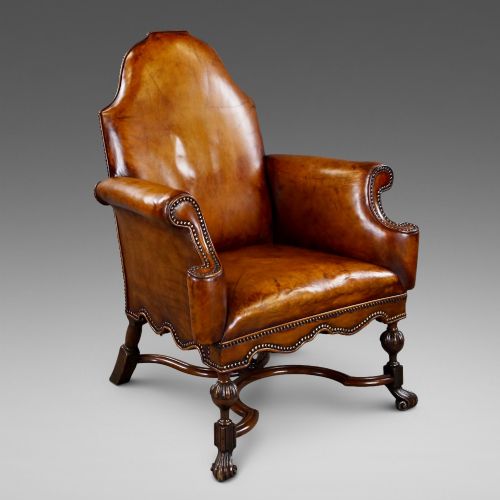
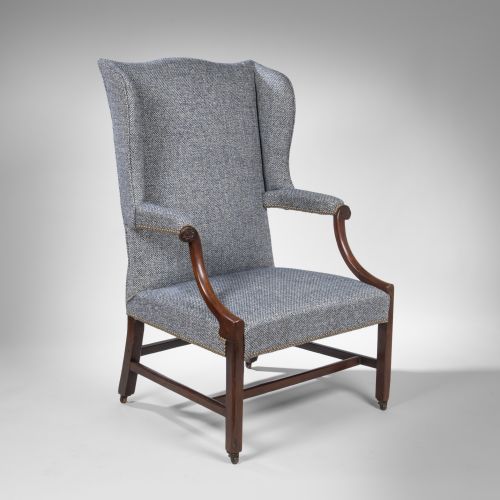
An 18th century easy chair is a substantial seat designed for comfort, and you will find walnut and mahogany wingbacks here.
18th Century Easy Chair
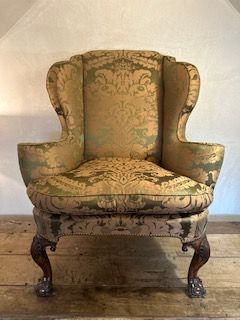
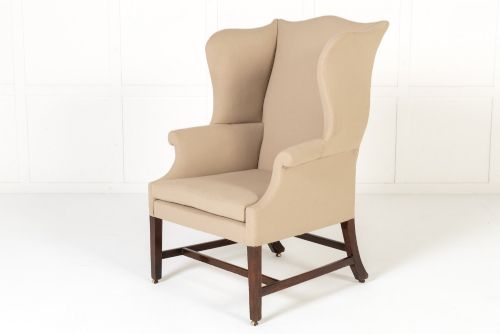
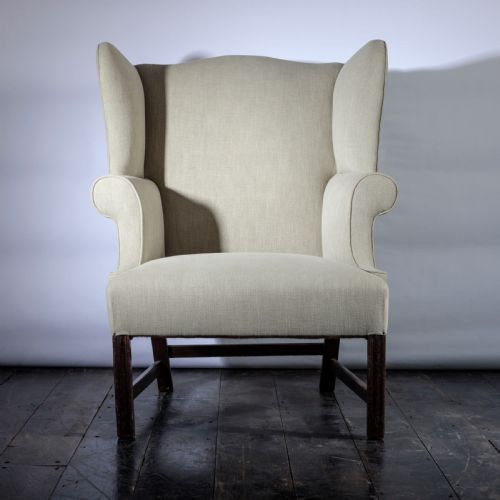
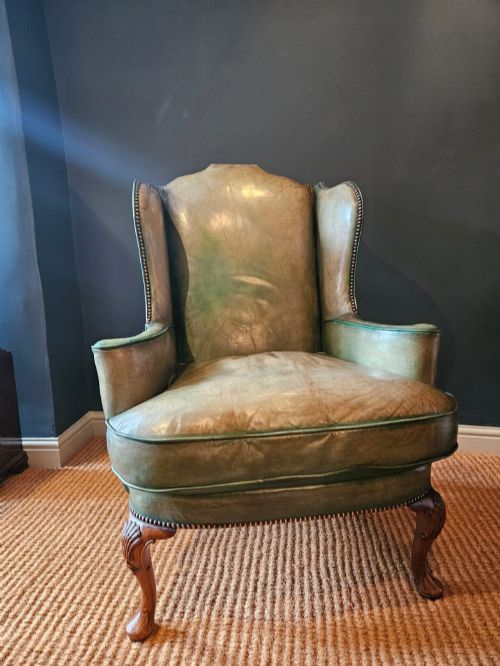
An 18th century easy chair is primarily represented on this page by wing armchairs dating across the Georgian period and the eighteenth century. These seats often appear with high backs and protective wings designed to keep draughts away from the sitter.
The forms span early Georgian, George II, and George III styles, alongside later nineteenth-century interpretations built in an eighteenth-century style. You will encounter large-scale versions, generous proportions, and occasional library or reading chairs.
Makers and builders utilised sturdy frames to support heavy upholstery, creating practical seating for parlours and libraries. The primary object type remains the armchair, frequently described with cabriole legs or wingback designs.
How they were made
Cabinet makers constructed the primary frames of an 18th century easy chair using solid timbers such as mahogany and walnut. These foundational wooden structures were shaped to form the cabriole legs and supportive armrests characteristic of the period.
Upholstery materials applied to the frames included leather, linen, damask, velvet, and fabric. Brass tacks frequently secured these coverings to the wooden framework, while internal stuffing provided the necessary padding for comfort.
18th Century Easy Chair Retail Price Guide 2026
Typical asking prices for 18th century easy chair among the pieces listed under this phrase on Sellingantiques today, from the lower quarter to the upper quarter. They describe what is for sale here now, not the wider market.
Listings feature mahogany and walnut frames paired with leather, damask, velvet, and linen upholstery.
What varies in quality
The grade of an 18th century easy chair depends largely on the timber selection and the sophistication of the woodwork. Finer examples display carefully carved details, such as those executed in the Irish manner, while simpler pieces rely on plain frames.
Upholstery choices and the preservation of original or period-appropriate materials also influence the character of each piece. Chairs featuring quality leather or historic textiles carry a different presence compared to those with modern re-linings.
The 18th Century Easy Chair Glossary
- Wingback
- A chair design featuring projecting side panels attached to the arms and back to retain heat and block draughts. These upholstered wings define the silhouette of the seating.
- Cabriole leg
- A furniture leg that curves out gracefully and tapers inward to a pad or claw foot, typical of eighteenth-century design. This form draws inspiration from animal limbs.
- Damask
- A reversible figured fabric traditionally woven on a jacquard loom with patterns formed by contrasting warp and weft threads. It provides a formal textile finish for seating.
- Mahogany
- A durable tropical hardwood imported for high-end furniture manufacturing due to its rich colour and resistance to warping. It forms the primary structure of many Georgian seats.
- Walnut
- A dense, dark timber utilised extensively for cabinet making before mahogany became the dominant wood. It shows distinct grain patterns across early frames.
18th Century Easy Chair: Frequently Asked Questions
What materials were used for upholstery?
Original coverings for an 18th century easy chair typically included durable leather, woven linen, patterned damask, and velvet. These textiles were often fastened to the wooden frame using brass tacks.
Many surviving pieces have undergone reupholstery over the centuries to maintain their usability. The choice of fabric alters the visual weight of the armchair significantly.
Where were these chairs placed?
Owners historically positioned an 18th century easy chair near fireplaces in libraries, drawing rooms, and parlours. The enclosed wings served a practical purpose by blocking cold draughts in large rooms.
They functioned primarily as reading or resting seats for leisure time. Their generous proportions made them central items for domestic comfort.
Are these chairs comfortable for daily use?
The deep seats and high backs of an 18th century easy chair provide considerable physical support. Their ergonomic design was originally intended for extended periods of reading and relaxation.
Modern comfort levels often depend on the condition of the internal stuffing and springing. Historic padding may feel firmer than contemporary seating materials.
What is the difference between George II and George III styles?
George II designs often emphasise heavier walnut frames with pronounced cabriole legs and rich carving. The overall aesthetic leans towards robust proportions and dark woods.
George III pieces frequently transition towards lighter mahogany structures and more refined lines. The decorative motifs reflect evolving neoclassical tastes throughout the later part of the century.