
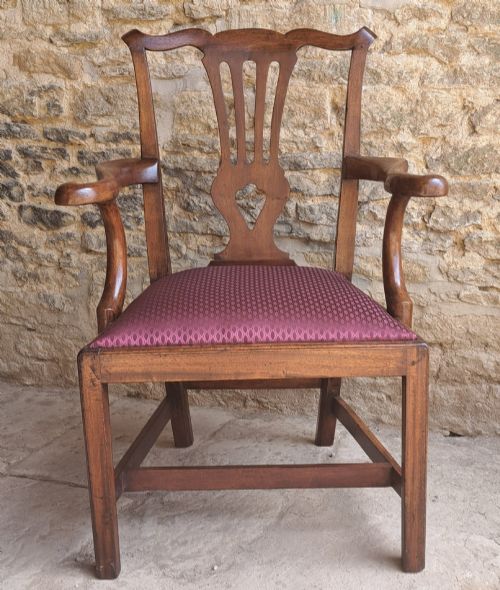
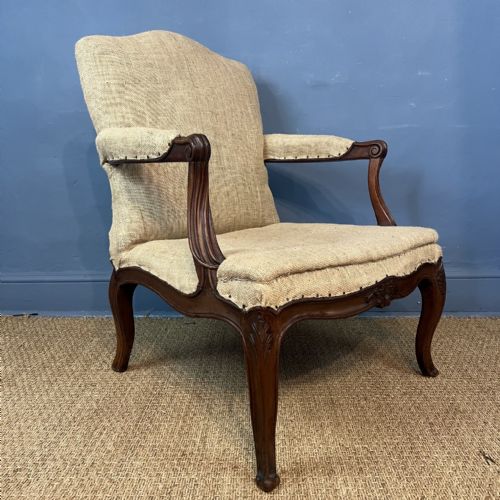


George III Upholstered Chair
A george iii upholstered chair brings architectural dignity and generous comfort to a room through balanced proportions and sturdy timber frames.
George III Upholstered Chair
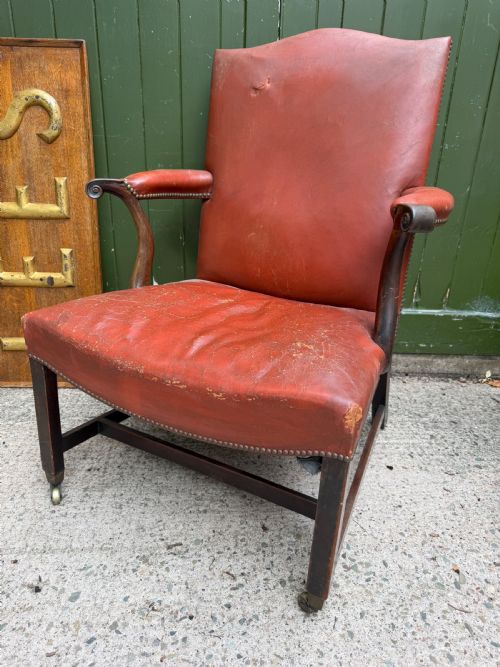
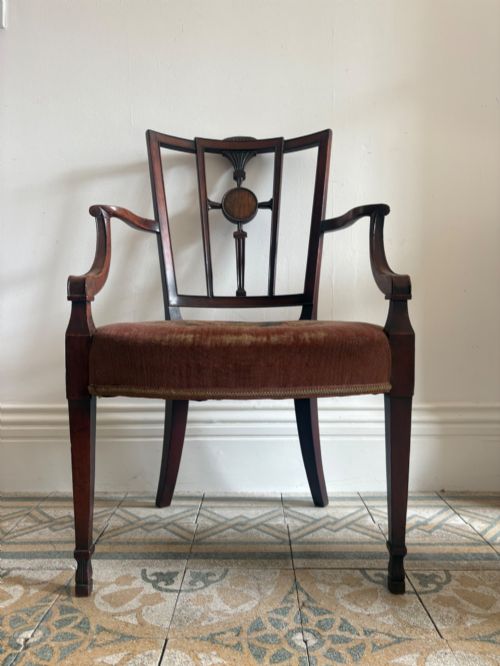
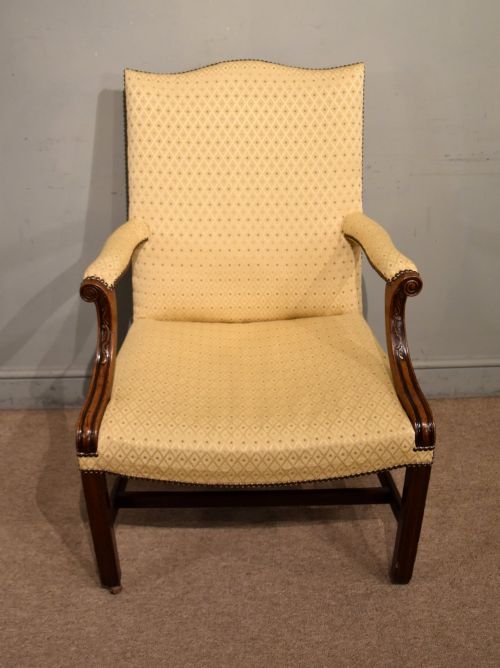
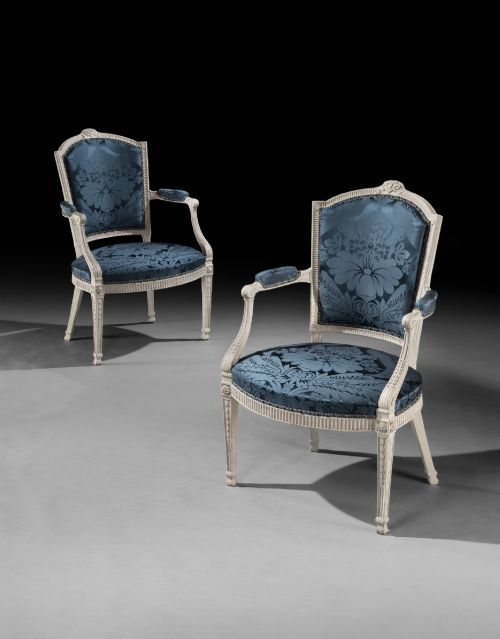
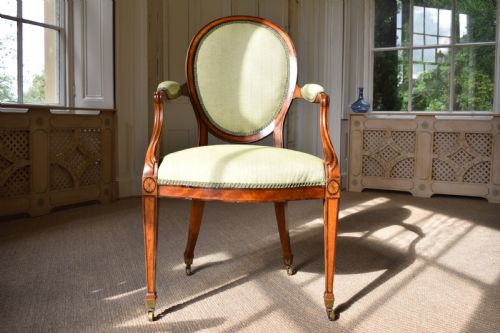
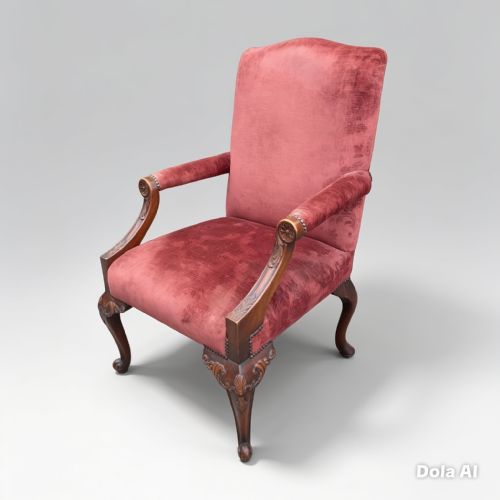
A george iii upholstered chair encompasses various seating forms designed during the Georgian period, ranging from robust library armchairs and wingbacks to sets of dining and side chairs. Library armchairs and Gainsborough chairs dominate the larger seating options, offering upholstered seats and armrests supported on substantial wooden frames.
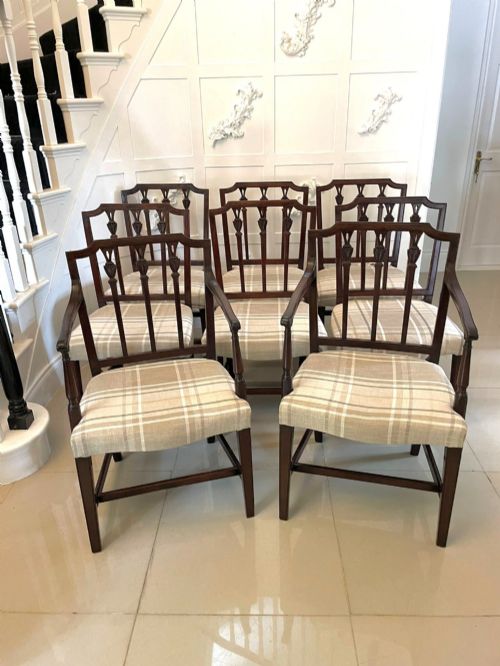
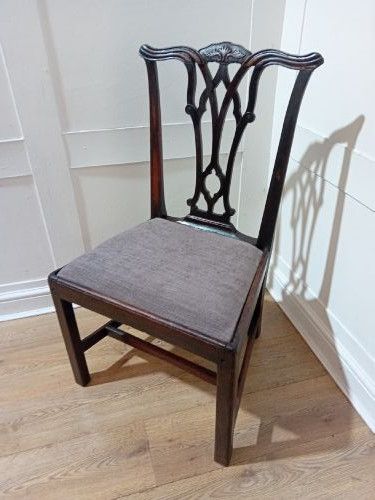
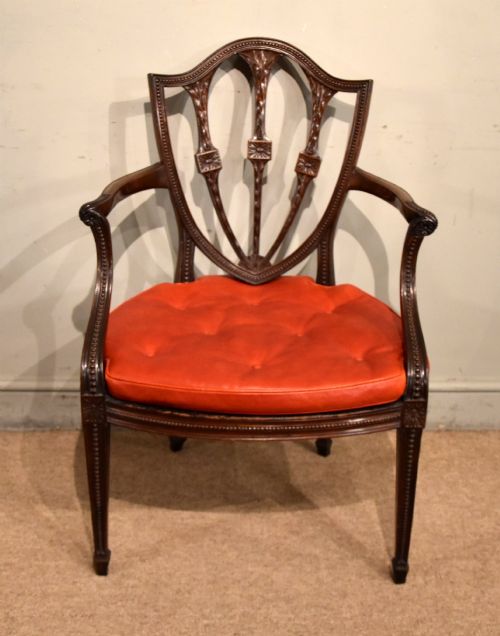
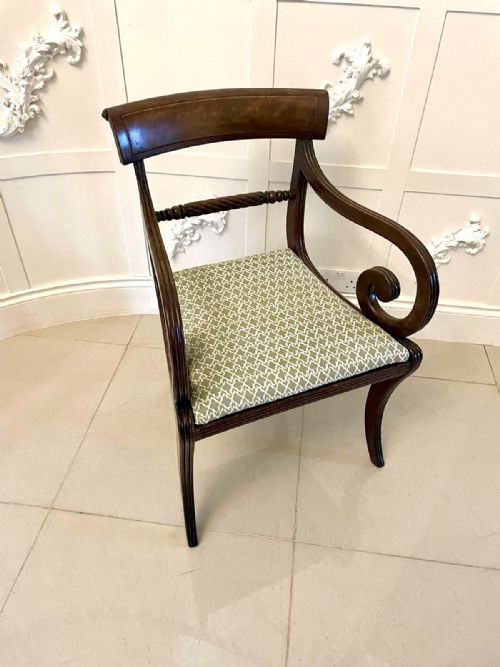
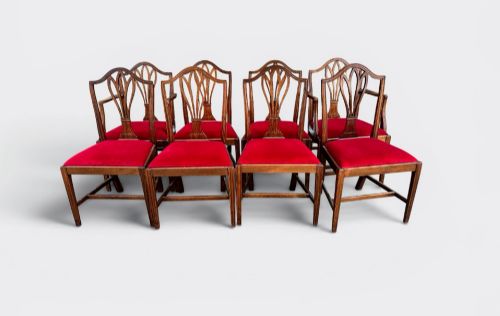
Dining chairs and side chairs from this grouping present carved backs, shield backs, or ladder backs above upholstered drop-in or fixed pads. Occasional variants include painted finishes, polychrome decoration, or diminutive children's chairs on stands.
Makers and workshops of the era utilised regional timbers and neoclassical design principles, producing both formal London seating and country iterations in elm, walnut, oak, and yew wood.
How they were made
Cabinetmakers constructed the structural framework primarily from solid mahogany, alongside regional hardwoods such as walnut, oak, elm, and yew wood, often incorporating rosewood details or parcel gilt accents. Joinery relied on traditional mortise and tenon methods to ensure rigidity across heavy library chairs and lighter dining seats.
Upholstery techniques involved stuffing horsehair, linen, and wool foundations over webbing or canvas, secured with iron tacks and finished in period textiles like leather, damask, velvet, or woven wool fabric.
George III Upholstered Chair Retail Price Guide 2026
Typical asking prices for george iii upholstered chair among the pieces listed under this phrase on Sellingantiques today, from the lower quarter to the upper quarter. They describe what is for sale here now, not the wider market.
Listings demonstrate that mahogany remains the predominant timber used for these chairs, supplemented by walnut, oak, elm, and yew wood.
What varies in quality
The distinction between ordinary and superior examples rests upon the crispness of timber carving, the integrity of the original frame joinery, and the harmony of the overall proportions. Master workshops achieved finer detailing on arm terminals, leg brackets, and splats, whereas lesser pieces display simpler turning or standardised production methods.
The survival of original timber surfaces, patination, and authentic secondary woods elevates a piece above those rebuilt or altered during later revival periods like the nineteenth century.
Gillows·Howard and Co
The George III Upholstered Chair Glossary
- Gainsborough chair
- An open-framed library armchair featuring padded armrests, a wide upholstered seat, and a square back. These pieces typically stand on four legs, with the front supports often carved or straight.
- Wingback armchair
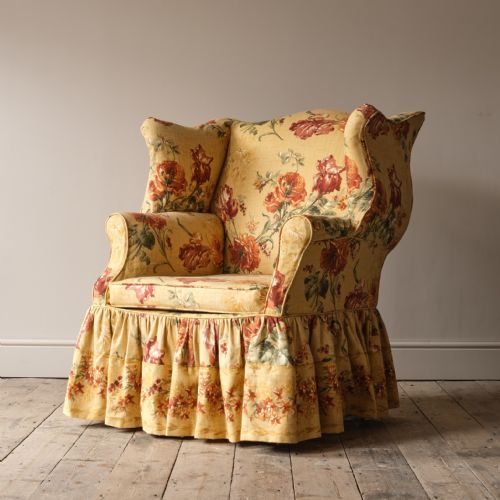
- A high-backed seating form designed with protective side panels to shield the occupant from drafts. The upholstered wings extend downward to form enclosed armrests.
- Shield back
- A chair back design shaped in the precise outline of a shield, popular during the neoclassical phase of the late eighteenth century. This back frequently incorporates carved vertical splats and drapery motifs.
- Carver chair
- An armchair intended for the head of a dining table, matching the design of smaller side chairs in a set. These provide sturdier proportions and wider arm supports.
- Drop-in seat
- A removable wooden frame holding the upholstered pad that drops directly into a recess within the chair rails. This construction allowed easy reupholstering without dismantling the main structure.
George III Upholstered Chair: Frequently Asked Questions
What is a Gainsborough chair?
A Gainsborough chair is a wide, open-armed library armchair produced during the eighteenth century with upholstered back and seat panels. These seats combine formal elegance with practical comfort for writing desks or reading rooms.
They generally feature mahogany frames with straight or slightly curved legs, distinguishing them from fully enclosed wingback chairs.
How do I identify a George III chair?
Identification relies on examining the timber species, structural joinery, and decorative vocabulary associated with the late eighteenth century. Characteristic elements include solid mahogany construction, neoclassical carved details, and traditional mortise and tenon joints.
Later nineteenth-century revival pieces often mimic these proportions but reveal differences in secondary woods and machine-cut components.
Were these chairs used for dining?
Dining chairs from this era were produced in large matched sets, incorporating side chairs and occasionally matching carver chairs for the table ends. These featured upholstered drop-in pads or fixed seats designed for formal dining.
Cabinetmakers ensured the seat heights and back angles suited prolonged sitting during long meals.
What fabrics were used originally?
Period upholstery materials included red leather for library armchairs, alongside woven damask, velvet, wool, and linen textiles. Many surviving chairs have undergone subsequent reupholstering in matching traditional fabrics to preserve their functional appearance.
Original stuffing typically consisted of horsehair and wool layered over sturdy linen webbing.