


Walnut Fireside Chair
A walnut fireside chair brings warmth and traditional comfort to a room, offering deep seats and rich wood frames built to last.
Walnut Fireside Chair
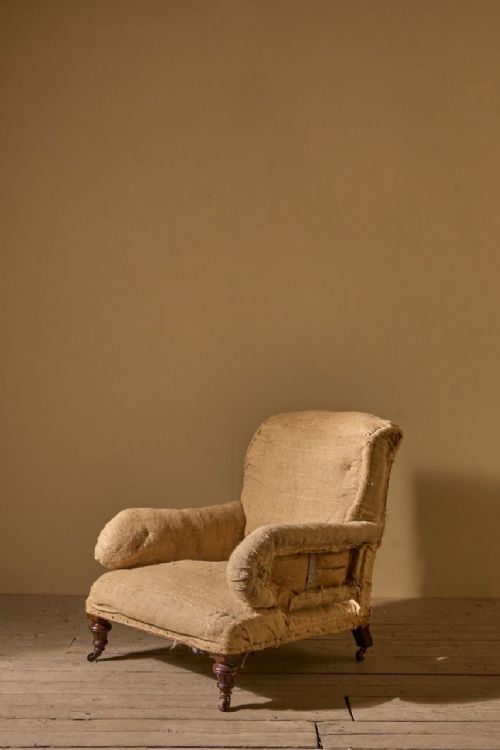
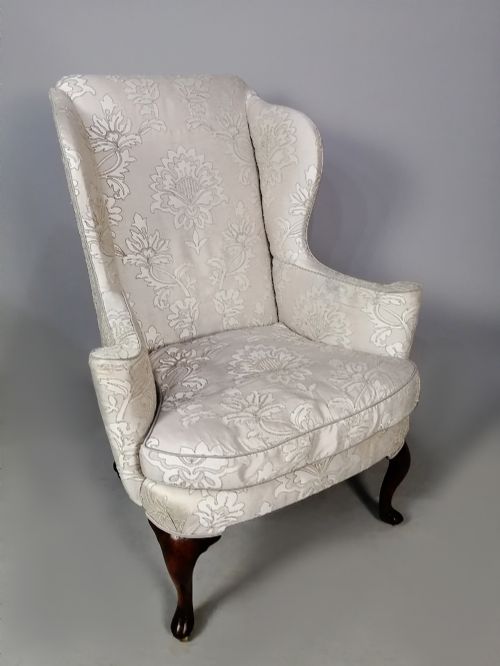
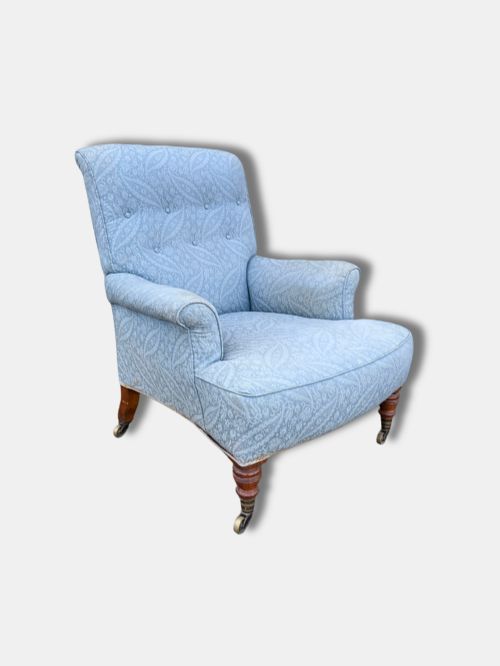
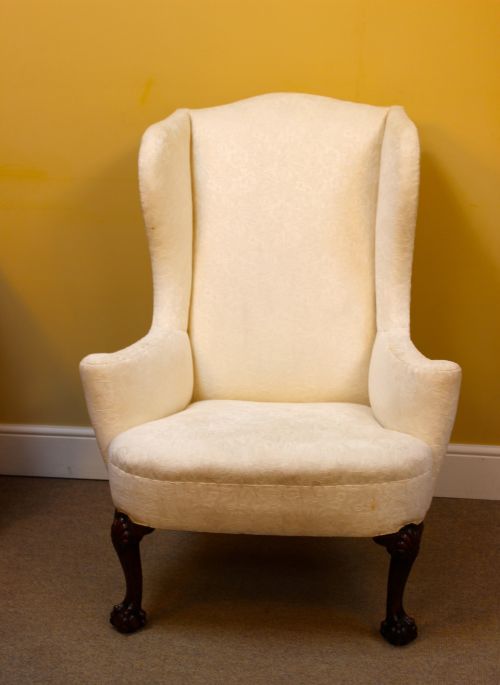
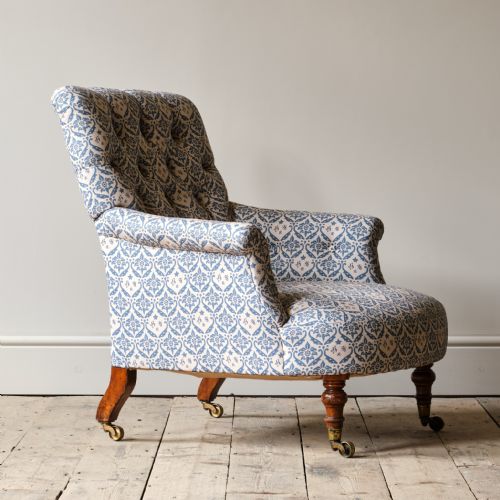
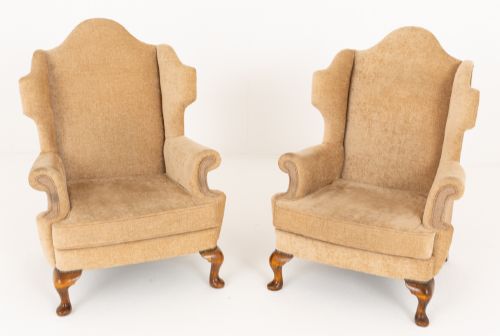
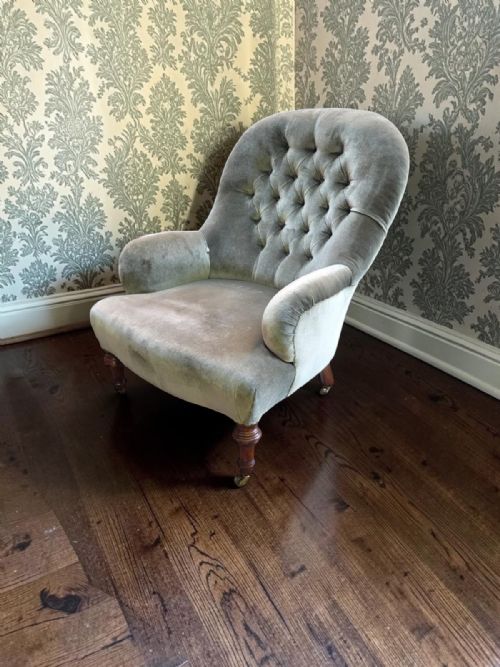
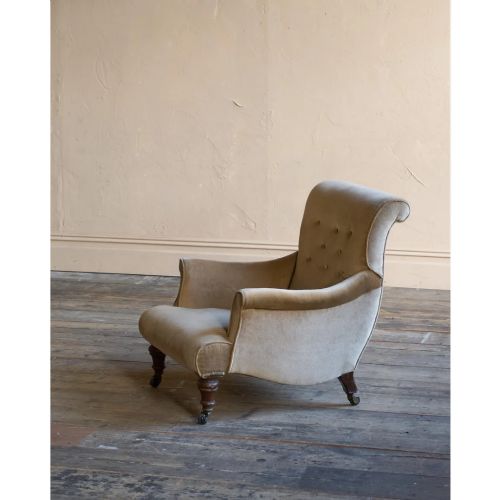
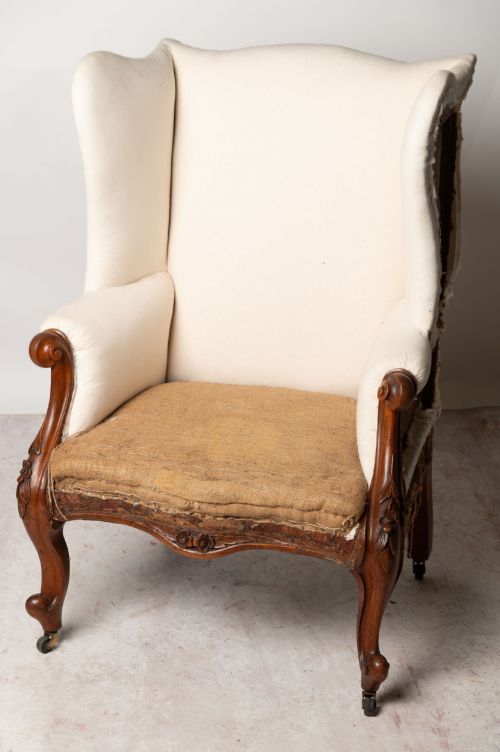
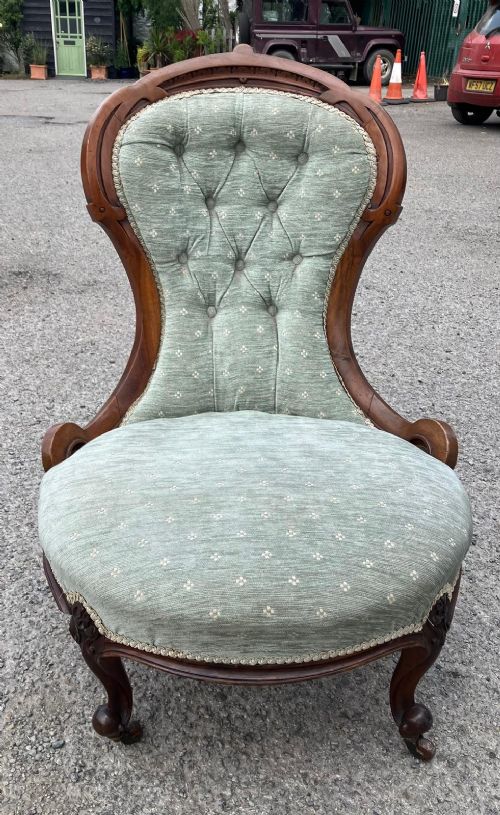
A walnut fireside chair provides a comfortable, low-slung seat designed for warmth near a hearth, appearing frequently in Victorian, Edwardian and earlier revival styles. These pieces range from compact nursing chairs to large wingbacks with upholstered backs and sides.
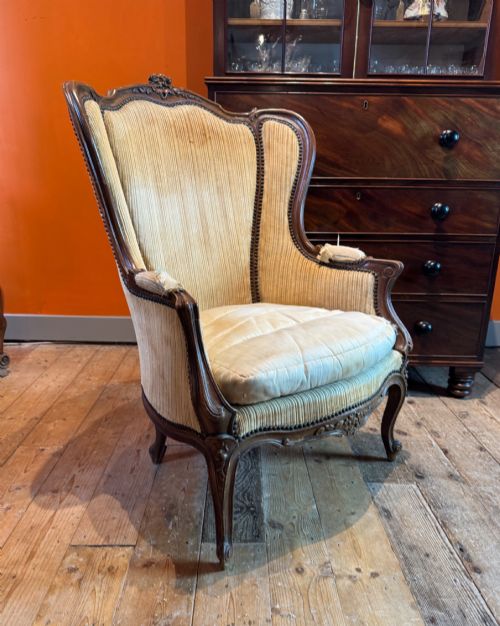
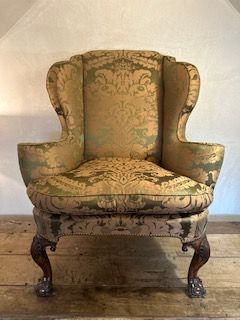
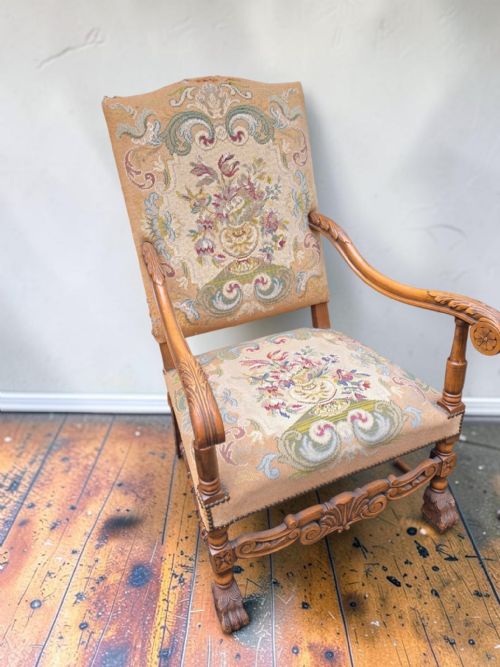
The walnut fireside chair category includes armchairs, tub chairs, and elbow chairs framed in rich timber. Many examples display influences from Queen Anne, Louis XV and Georgian periods, showcasing carved cabriole legs and scrolled arms.
Buyers meet numerous variations on this page, spanning 18th-century George styles up to 1930s Art Deco interpretations. The structural woodwork remains predominantly walnut, paired with diverse textiles from antique tapestry to modern calico.
Materials and construction
Makers utilised solid walnut for the exposed frames, turning and carving the wood into cabriole legs, barley twists, or show-wood surrounds. Brass castors and tacks frequently secure the upholstery and assist movement across floorboards.
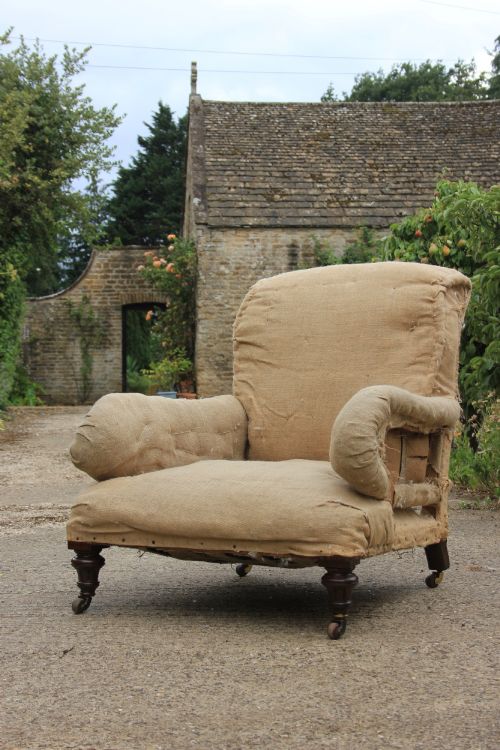
Upholstered elements rely on traditional stuffing held by hessian and cotton, often finished in velvet, leather, or textile coverings. Interior webbing and springs provide the deep seating support characteristic of nineteenth and early twentieth-century workshop production.
Walnut Fireside Chair Retail Price Guide 2026
Typical asking prices for walnut fireside chair among the pieces listed under this phrase on Sellingantiques today, from the lower quarter to the upper quarter. They describe what is for sale here now, not the wider market.
Materials paired with walnut include brass castors, velvet, hessian, leather, and tapestry.
Judging quality and craftsmanship
The calibre of a piece depends heavily on the depth of the walnut carving and the integrity of the frame construction. Crisp hand-carving on cabriole legs and robust joinery distinguish superior workshop output from simpler commercial items.
Upholstery standards and original maker attribution elevate certain chairs above standard examples. Pieces bearing stamps from renowned makers like Howard and Sons or Gillows demonstrate finer internal padding and superior proportions.
Howard and Sons·SF Cullen·Gillows
The Walnut Fireside Chair Glossary
- Cabriole leg
- A furniture leg that curves outward and tapers downward, mimicking an animal's limb. This form appears frequently on walnut frames from the Georgian era and later revivals.
- Wingback
- An armchair with side panels attached to the back, designed to shield the occupant from drafts. These wings define many traditional fireside chairs.
- Show-wood
- Exposed wooden framing around the upholstered parts of a chair. Victorian makers used this technique to display polished walnut grain.
- Bergere
- An enclosed armchair with stuffed upholstery and cane or upholstered sides. French styles often feature this detailed framing.
- Nursing chair
- A low-seated chair designed for comfort, particularly during child-rearing. These pieces often feature Victorian walnut frames and compact proportions.
Walnut Fireside Chair: Frequently Asked Questions
What defines a fireside chair?
A fireside chair is traditionally built with a lower seat and supportive back to keep the user warm and comfortable near a fireplace. These seating forms often incorporate wings or enclosed sides to block household draughts.
They appear across various periods with timber frames and soft upholstery, serving as functional seating in living rooms and bedrooms.
How do I identify a walnut frame?
Walnut timber displays a rich, dark brown tone with distinctive grain patterns that take a smooth polish. Makers selected this wood for its strength and flexibility in carving complex curves.
Over the centuries, the wood develops a deep patina which helps distinguish it from softer timbers or later stained substitutes.
Are these chairs comfortable for daily use?
Many antique models feature deep springing and generous padding designed for extended sitting. Their robust internal construction supports modern relaxation.
Buyers often select them for reading corners or fireside placement where ergonomic comfort matches traditional character.
How do I date an antique armchair?
Dating relies on stylistic details such as leg shapes, carving motifs, and construction methods. For instance, cabriole legs suggest Georgian or revival periods, while show-wood frames point toward Victorian craftsmanship.
Maker stamps, upholstery materials, and underlying hardware provide further chronological clues for each piece.