

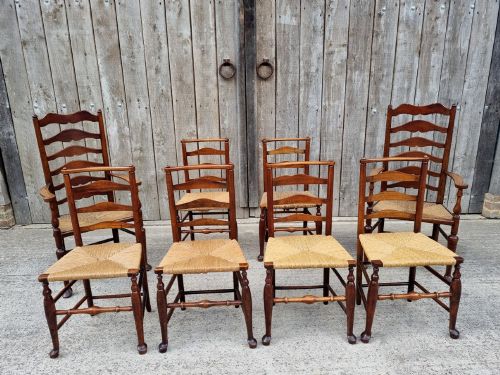
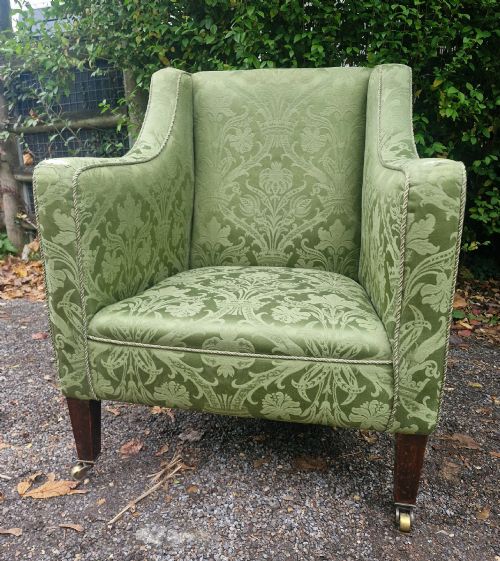
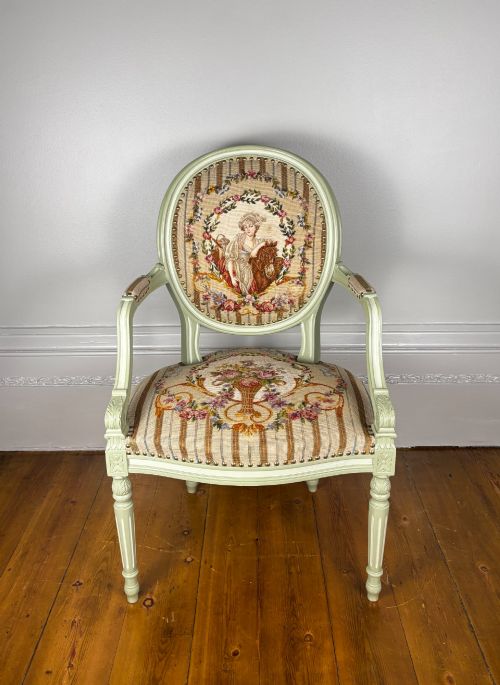
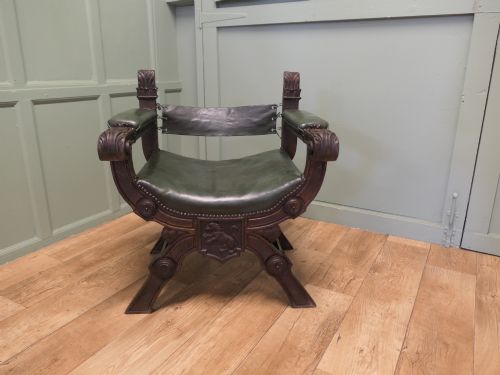
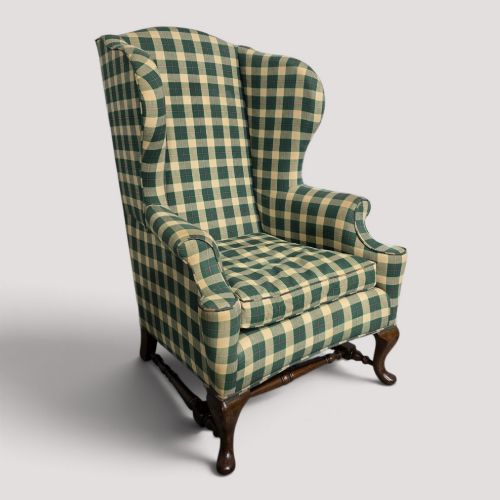
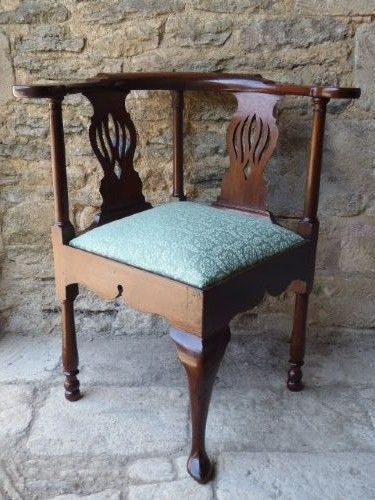
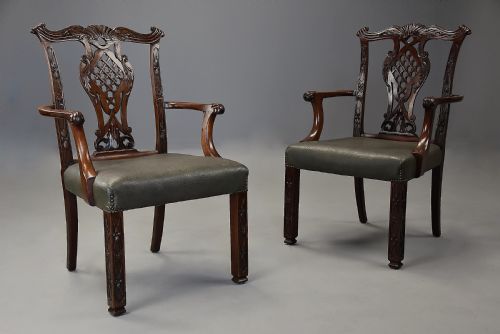
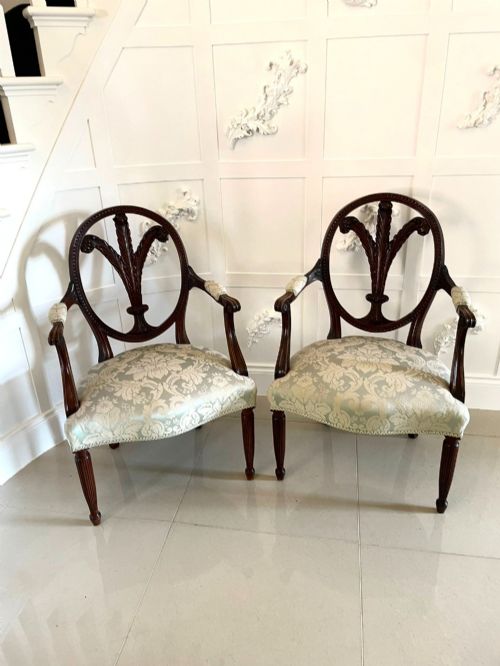
Antique Green Armchair
An antique green armchair brings rich tone and traditional craftsmanship to a room through centuries of enduring design.
Antique Green Armchair
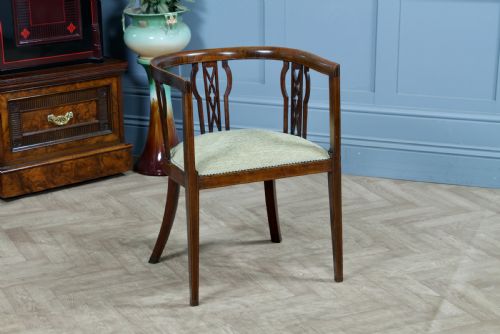
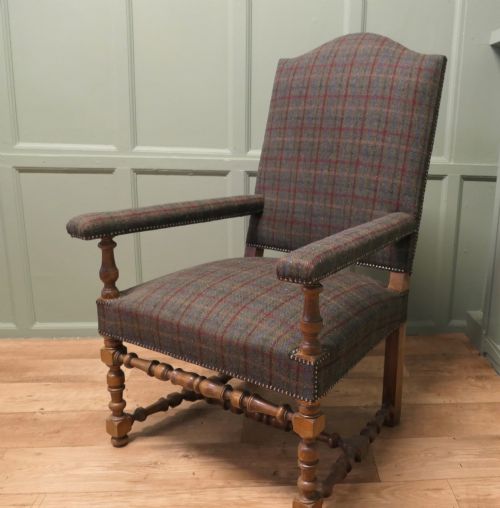
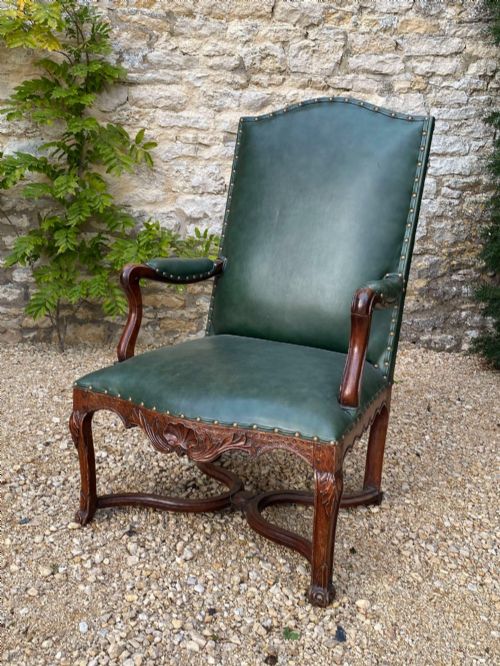
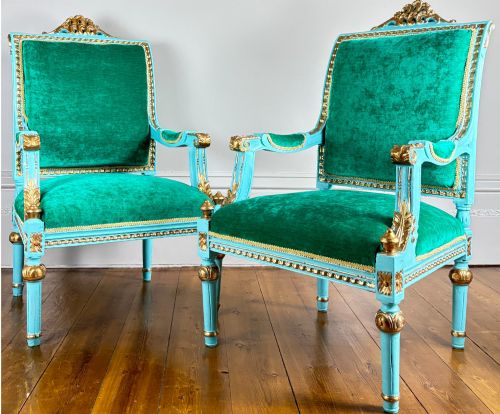
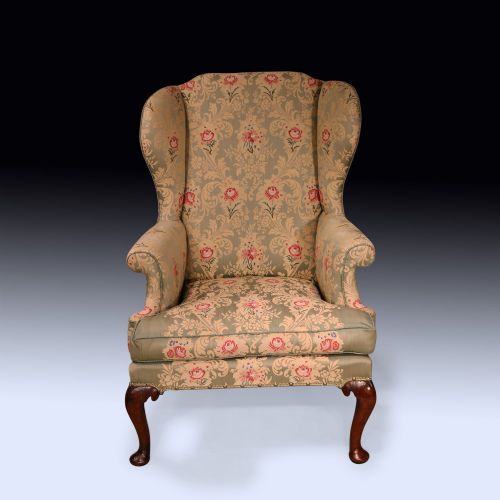
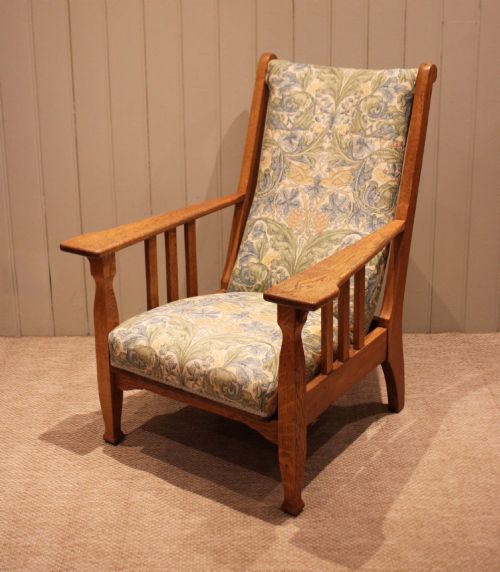
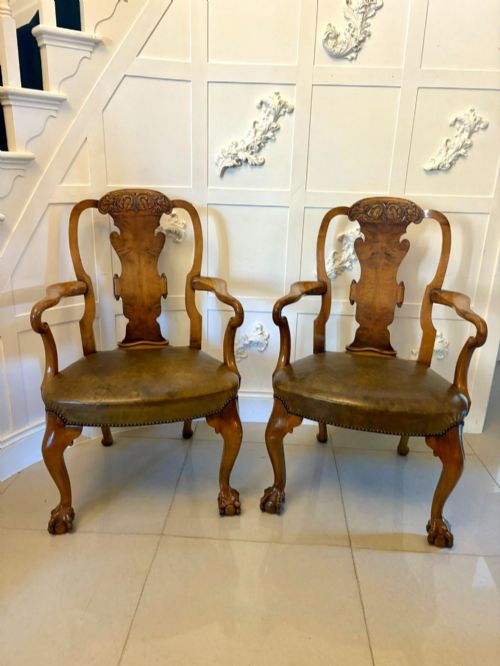
When searching for an antique green armchair, buyers encounter a diverse range of seating forms spanning the Georgian, Victorian, and Edwardian periods.
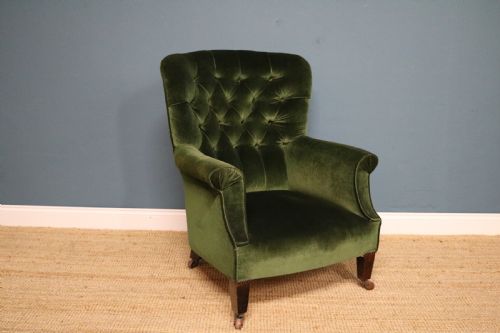
The selections frequently feature rich green leather upholstery on revolving office desk chairs, alongside velvet and fabric coverings on Victorian button-back tub chairs and library armchairs.
Originating from cabinet makers and workshops across the 18th, 19th, and early 20th centuries, these pieces combine functional seating with distinct historical styling.
Materials and Construction Techniques
Makers utilised sturdy timbers such as mahogany, walnut, oak, and beech to build the structural frames of these seats, often incorporating brass castors and swivel mechanisms.
Upholstery techniques relied on high-grade leather, velvet, and woven fabrics, secured with button-tufting or traditional tacking across library chairs and office armchairs.
Antique Green Armchair Retail Price Guide 2026
Typical asking prices for green armchair among the pieces listed under this phrase on Sellingantiques today, from the lower quarter to the upper quarter. They describe what is for sale here now, not the wider market.
Several swivel desk chairs retain their original revolving mechanisms, ready for another century of cautious office spinning.
Distinctions in Quality and Craft
Superior examples exhibit refined timber carving, robust joinery, and well-preserved original upholstery materials that reflect the standards of premier period workshops.
Lesser items display simpler secondary woods, heavier restoration, or replaced coverings that alter the original character and tactile finish of the piece.
Jacob Desmalter·Thomas Chippendale·Gillows
The Antique Green Armchair Glossary
- Bergère
- An enclosed upholstered armchair with wooden framing exposed around the sides and back, popular in period seating designs.
- Cabriole leg
- A furniture leg that curves outward and then tapers inward, mimicking an animal's limb with a graceful sweep.
- Giltwood
- Timber that has been coated with a thin layer of gold leaf or gold paint to provide a decorative metallic surface.
- Monopodia
- Carved furniture supports shaped like a single animal leg and foot, often associated with classical revival styles.
- Tub chair
- A seating form featuring a rounded, enclosed back and arms that form a continuous curved protective shell.
Antique Green Armchair: Frequently Asked Questions
How do I identify a Victorian green leather armchair?
Victorian green leather armchairs typically display button-backed upholstery combined with dark mahogany or walnut frames, often featuring turned legs and brass castors. These elements reflect the heavier, robust aesthetic popular during the latter half of the nineteenth century.
Later Victorian models also include revolving office desk chairs with swivel mechanisms and exposed oak structures, linking functional workspace utility with traditional period materials.
What is a Gainsborough style desk chair?
A Gainsborough chair is a wide, open-framed armchair designed specifically for writing desks, featuring padded armrests and upholstered back and seat panels. The style emerged in the eighteenth century and prioritised comfort during administrative or literary tasks.
Examples from later periods retain this generous proportions and low arm design, frequently finished in green leather to complement traditional library and study interiors.
How should I care for antique leather upholstery?
Antique green leather requires gentle cleaning with a soft cloth and regular application of specialist leather balms to prevent drying and cracking. Maintaining stable room humidity protects both the supple hide and the underlying wooden frame from environmental stress.
Avoid placing these chairs in direct sunlight to preserve the depth of the green coloration and prevent uneven fading across the surface of the leather.
Where were Edwardian revolving desk chairs used?
Edwardian revolving desk chairs served primarily in professional offices, libraries, and studies during the early twentieth century. Their swivel and tilt functions provided practical mobility for clerks and professionals working at large partner desks.
Constructed mainly from oak or beech with green leather upholstery, they combined mechanical innovation with traditional aesthetic restraint.