
Carved Mahogany Accent Chair
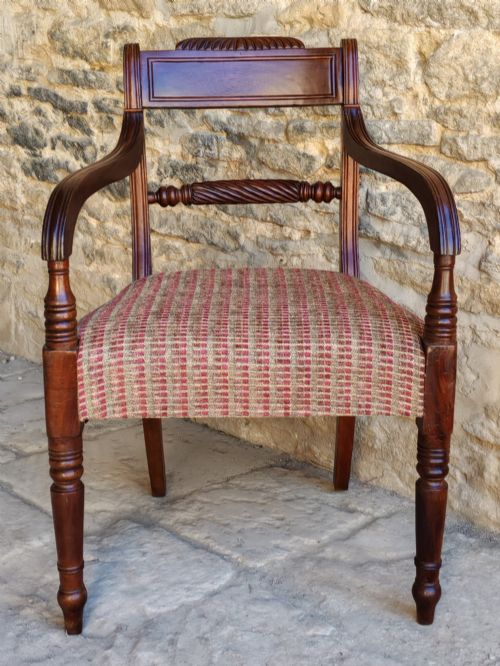
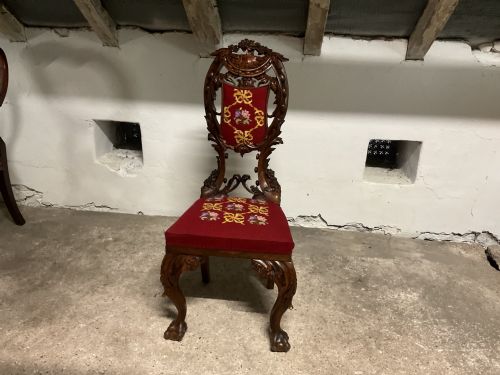
A carved mahogany accent chair brings rich timber tones and period form into a room, offering both seating and a distinct decorative presence.
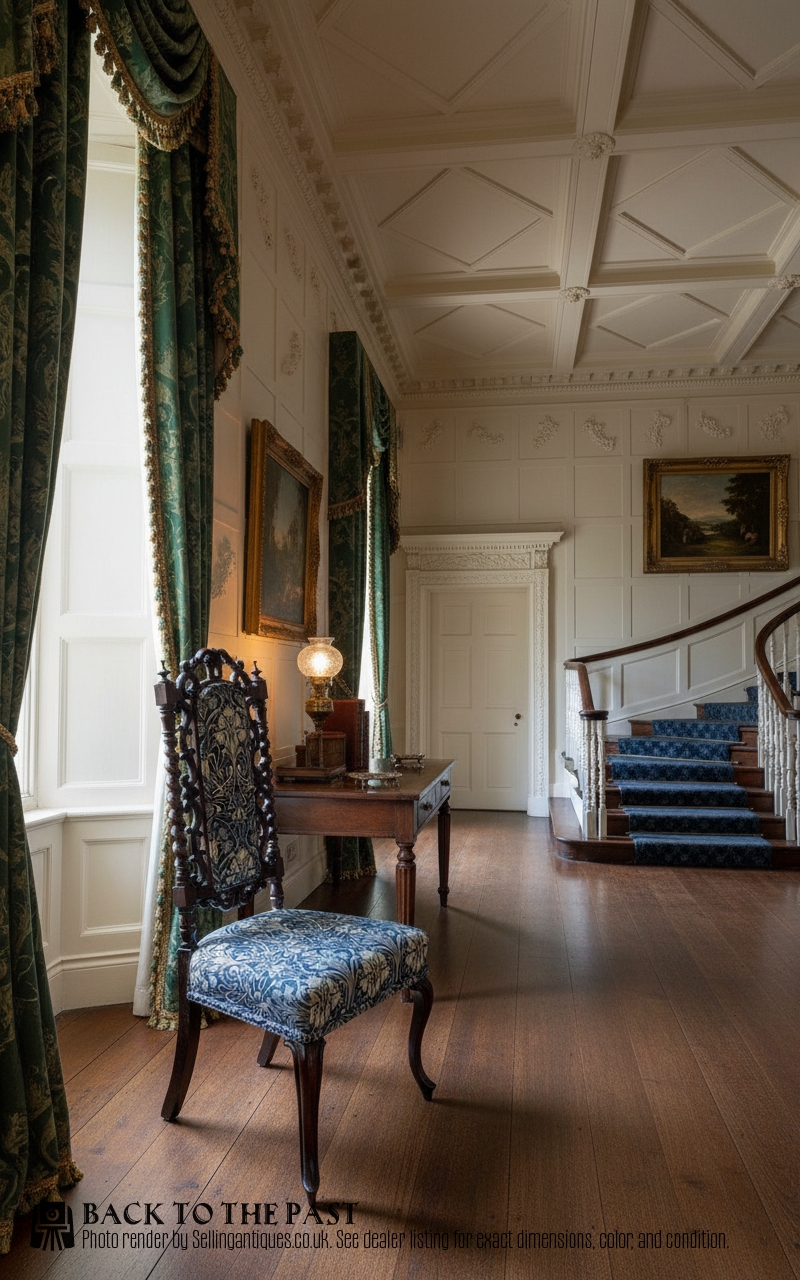
What these pieces are
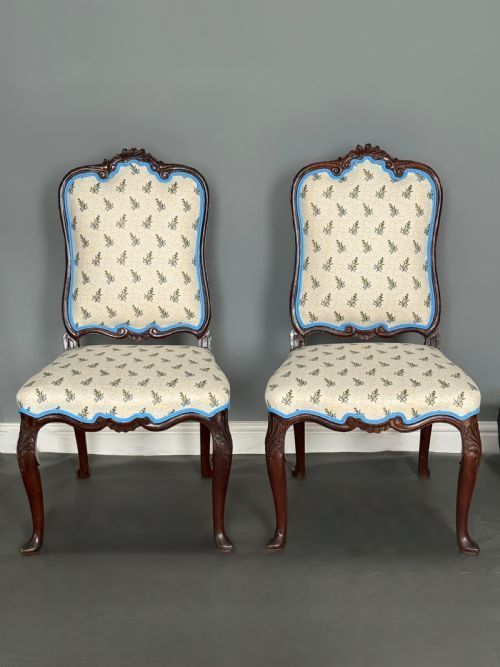
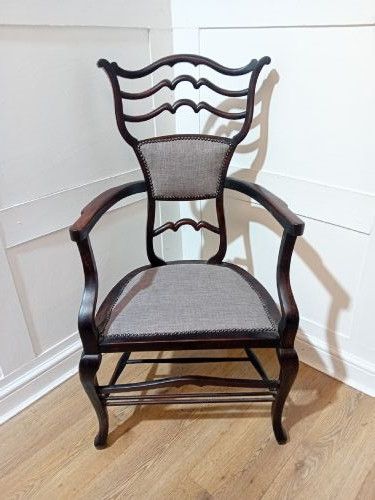
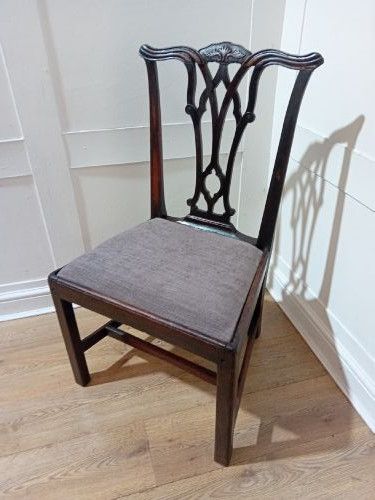
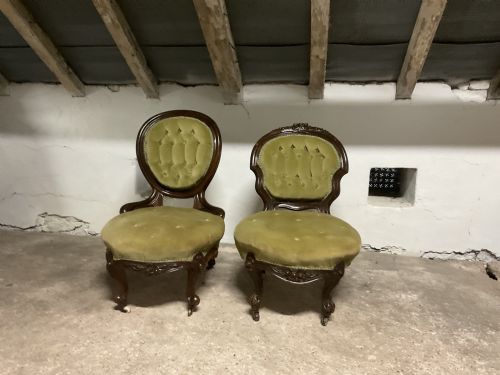
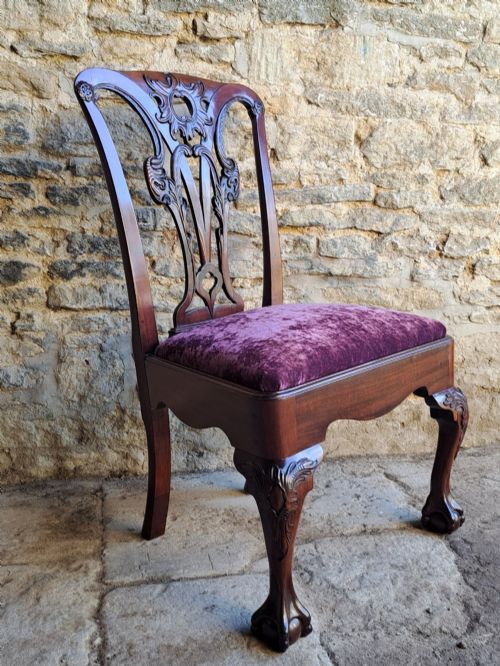
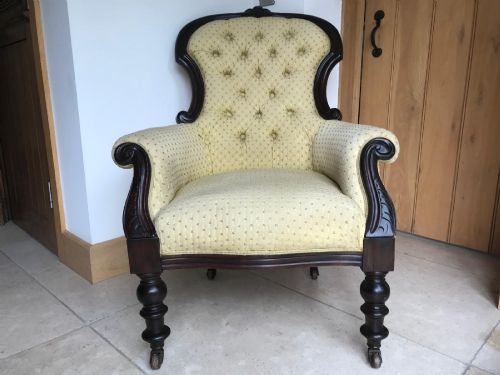
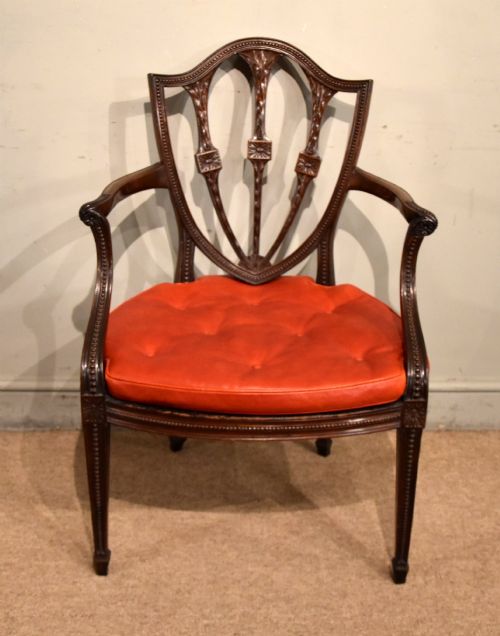
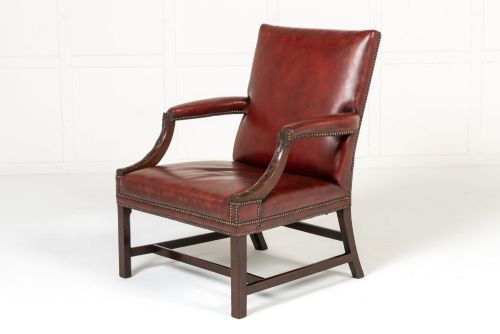
A carved mahogany accent chair encompasses a variety of seating forms designed for specific domestic spaces, ranging from compact nursing seats to generous armchairs. When searching for a carved mahogany accent chair, buyers encounter pieces spanning the eighteenth century through the Victorian and Edwardian eras, including George III originals and later revival styles.
Makers and designers of the past utilised durable timber frameworks to create functional furniture that doubles as sculptural art. Whether selecting a Chippendale style carver or a late Victorian upholstered nursing chair, the buyer acquires a piece rooted in historical domestic traditions.
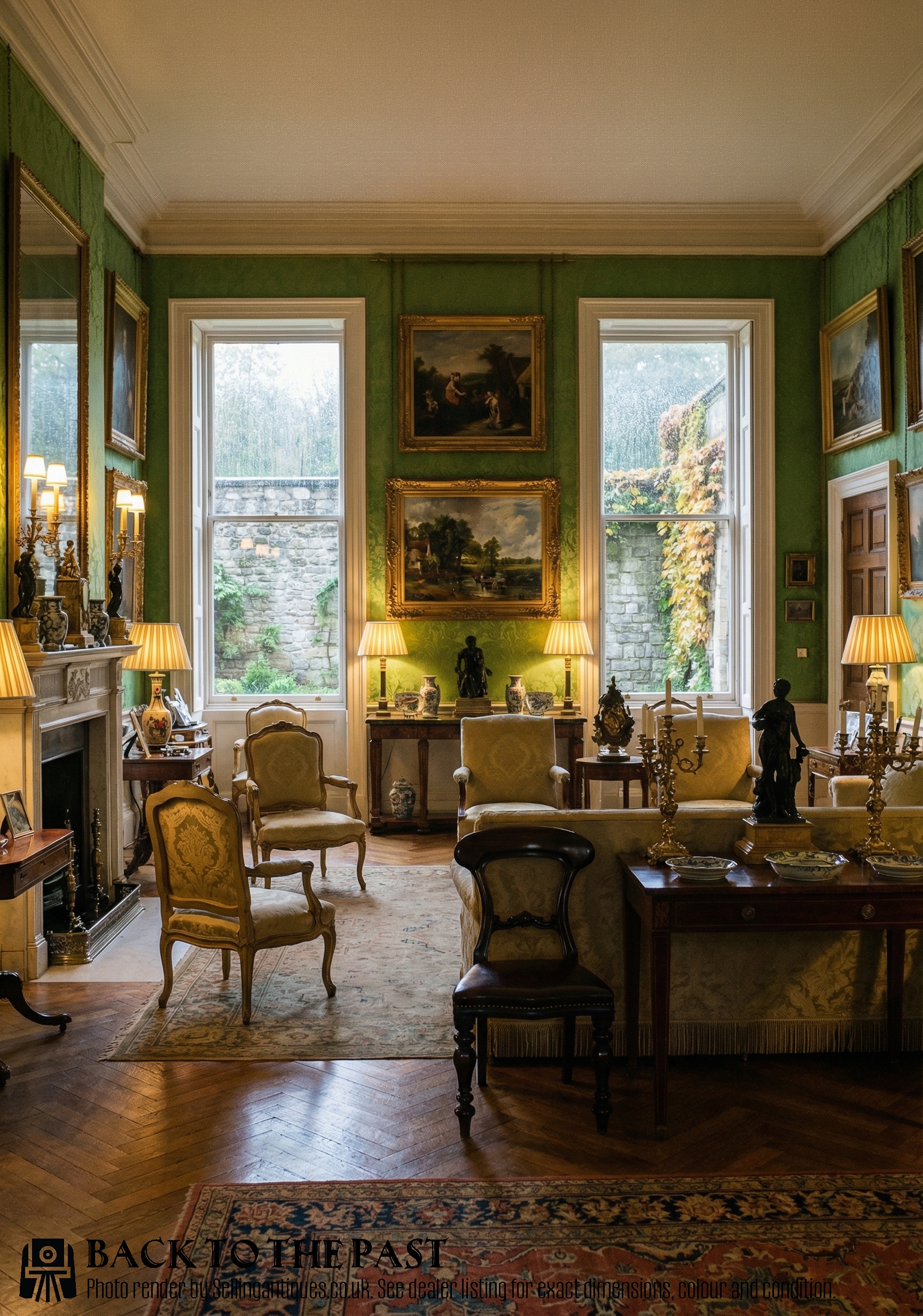
How they were made
Makers constructed these chairs primarily from solid mahogany, valuing the timber for its strength, deep grain, and responsiveness to intricate hand carving. Skilled artisans shaped the frames using traditional joinery methods, ensuring structural integrity in load-bearing legs, backs, and arm supports.
Upholstery materials such as velvet, fabric, and braid trim were added to functional seats and fireside chairs to provide comfort alongside visual appeal. Brass elements and ceramic components occasionally appear as structural or decorative accents, completing the detailed construction of each piece.
Retail Price Guide 2026
Typical UK retail prices for carved mahogany accent chair, calculated from the Sellingantiques database of over a million retail prices indexed since 2003. This retail price guide relies exclusively on Sellingantiques data; no external sources or auction records are used, so the figures do not describe the wider market.
Victorian children's chairs provide miniature seating solutions, proving that miniature domestic comfort was taken very seriously indeed.
What varies in quality
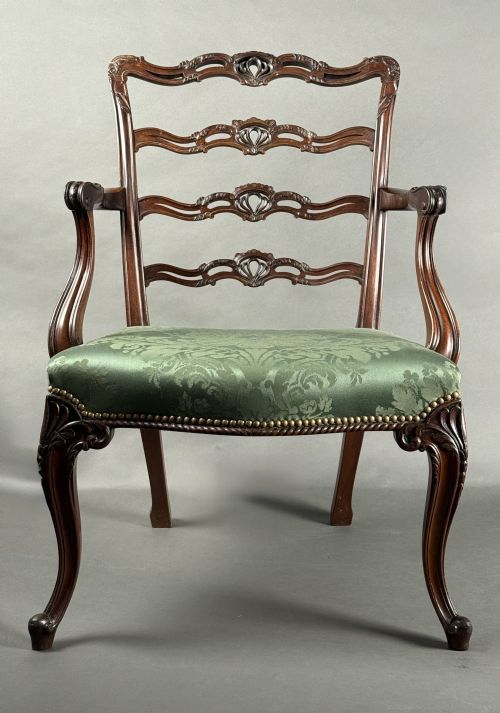
The distinction between standard examples and superior pieces rests largely on the depth, crispness, and ambition of the woodwork. Chairs with finely carved details on the crest rails, splats, and cabriole legs demonstrate a higher degree of artisan skill than those with simpler, repetitive stamping.
Proportion and structural preservation also define the upper tier of the range, where original timber surfaces and unaltered frames retain their integrity over centuries. The sophistication of the upholstery application and the choice of facing fabrics further separate utilitarian seating from high-status salon and parlour pieces.
Richard Bridgens
The Carved Mahogany Accent Chair Glossary
- Mahogany
- A dense, durable tropical hardwood prized for its rich reddish-brown colour and stability in furniture construction. It accepts fine carving and polishes to a deep lustre.
- Chippendale
- A style originating from the eighteenth-century designs of Thomas Chippendale, characterised by elaborate fretwork, cabriole legs, and ribbon-back or ladder-back motifs. Later revival pieces emulate these classical proportions.
- Nursing Chair
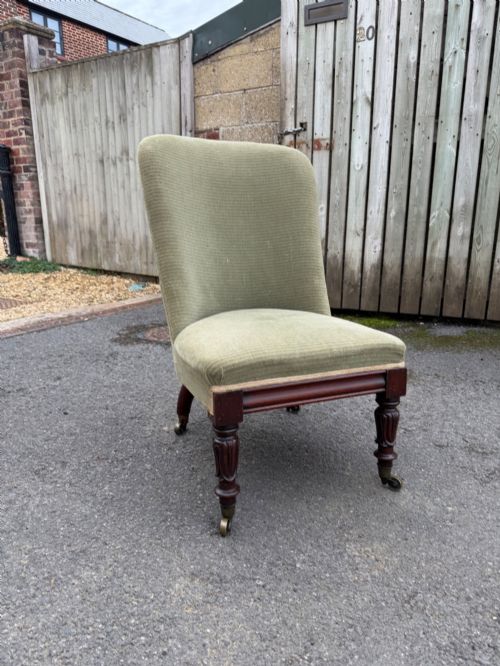
- A low-seated Victorian chair originally designed to allow a woman to tend to an infant comfortably near a hearth. They often feature generous upholstered backs and padded seats.
- Carver
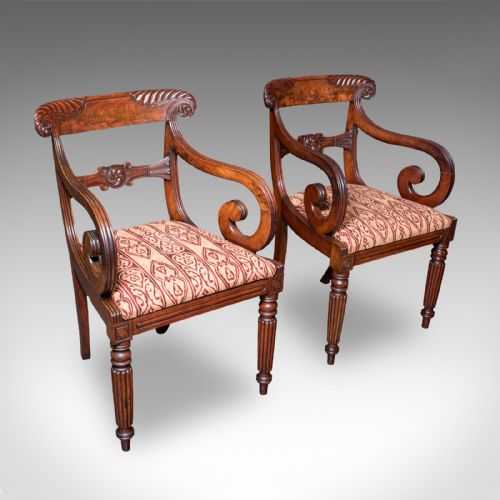
- An armchair, typically designed in a style matching a set of smaller side chairs, intended for the head of a dining table or as a standalone accent piece.
- Crest Rail
- The top horizontal member of a chair back, frequently carved with motifs, scrolls, or shell patterns that establish the decorative character of the piece.
Frequently Asked Questions
How do I identify a George III chair?
A George III chair typically displays robust eighteenth-century proportions, often featuring hand-carved mahogany components and classical joinery without the heavy ornamentation found in later periods.
Inspect the timber grain and the underside of the seat frame to observe period construction techniques and tool marks consistent with eighteenth-century workshop practices.
Where were nursing chairs used?
Victorian nursing chairs were placed in bedrooms, nurseries, or private drawing rooms where low seating heights provided comfort during domestic tasks.
Their compact scale and upholstered frames made them versatile accent pieces that could easily fit into smaller sitting areas.
What is a hall chair?
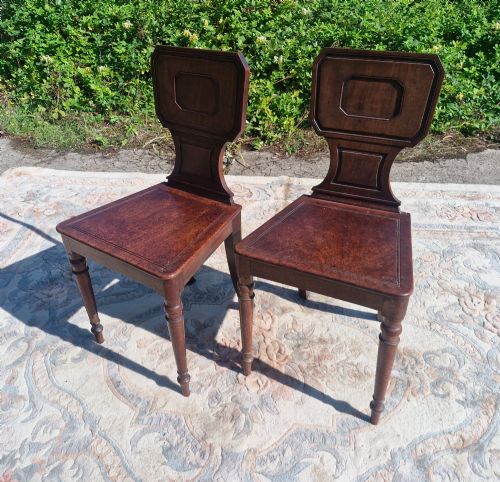
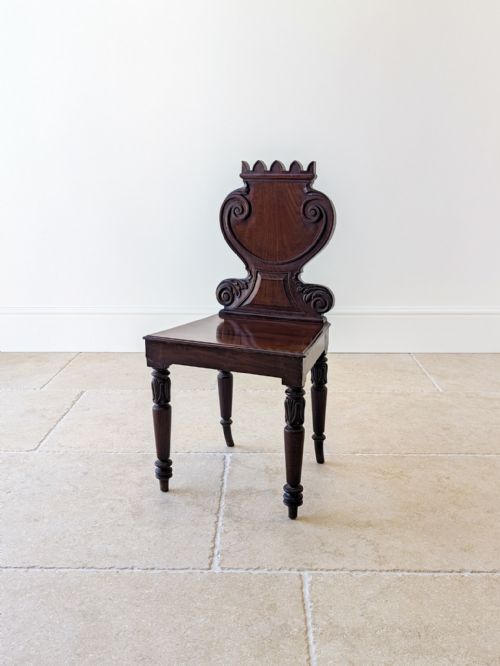
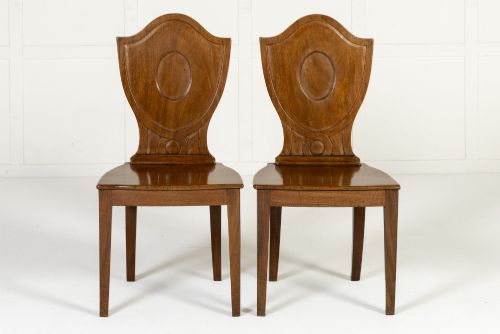
A hall chair served as functional, often stiffly upright seating positioned in an entrance hall for visitors waiting briefly before entering the main rooms of a house.
These pieces usually feature solid wood seats without upholstery, highlighting carved wooden crests and decorative back panels instead.
How do I care for mahogany?
Maintain mahogany furniture by keeping it away from direct heat sources and strong sunlight, which can dry out the timber and fade the polish over time.
Apply a soft, dry cloth for regular dusting and use appropriate specialist wax sparingly to nourish the wood surface.