
Mahogany Salon Chair
A mahogany salon chair brings refined Victorian and Edwardian character to a room, offering comfortable seating shaped by traditional cabinet-making skills.
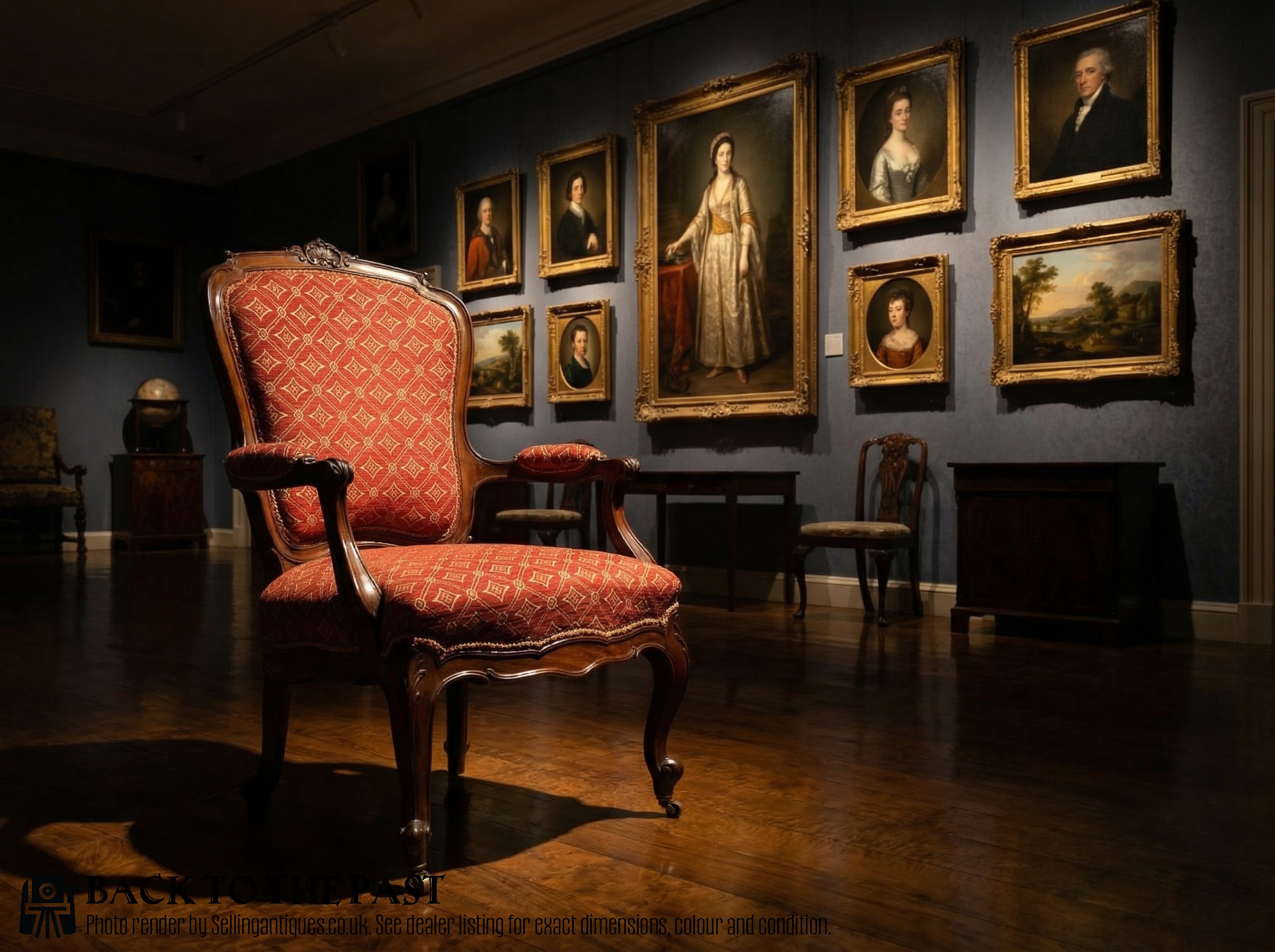
Identifying the mahogany salon chair
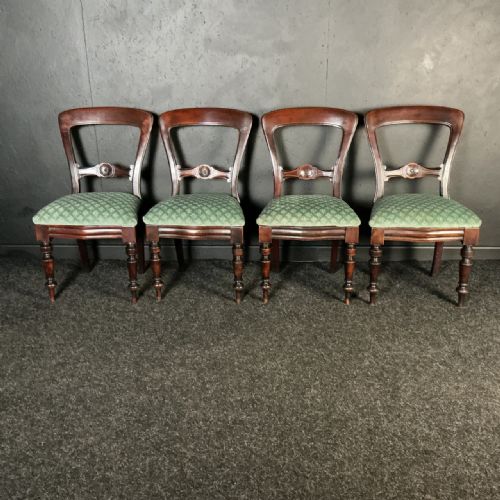
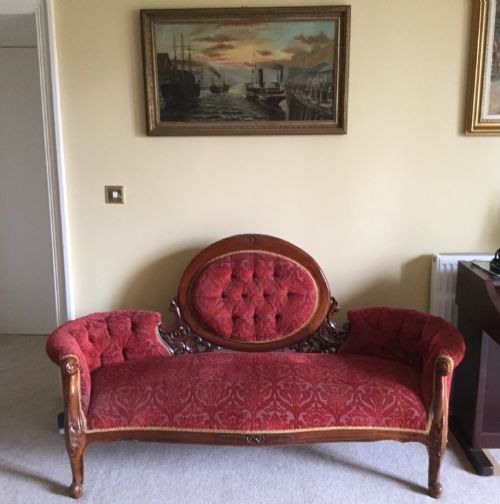
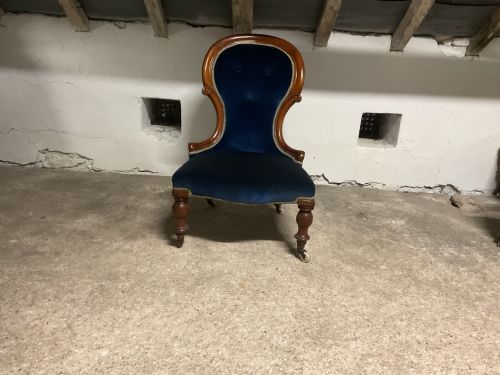
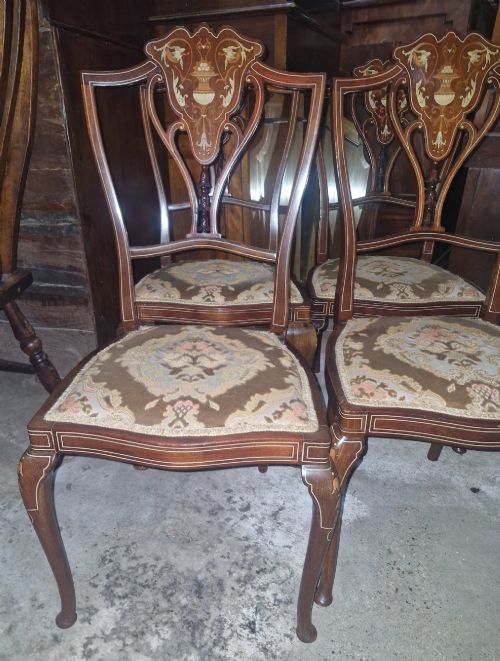
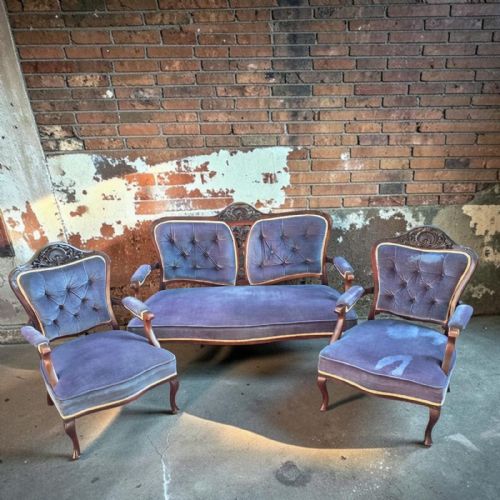
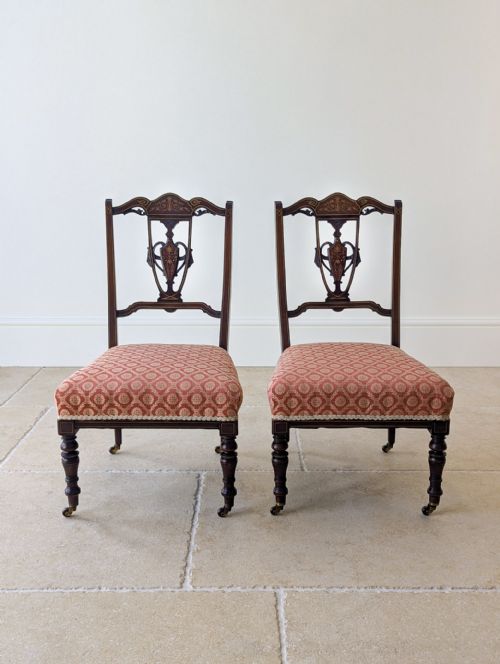
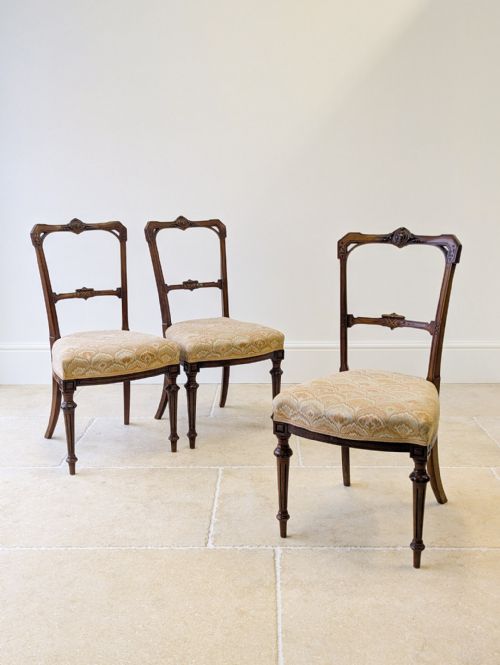
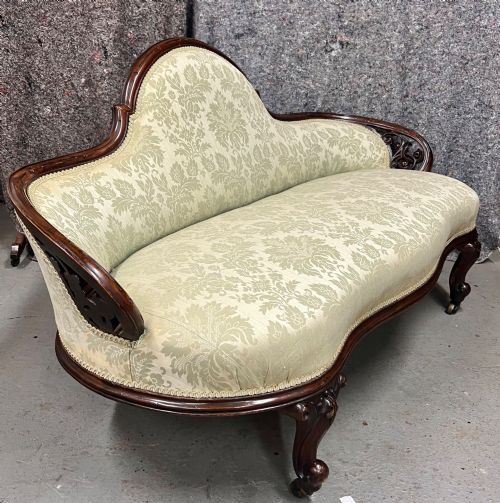
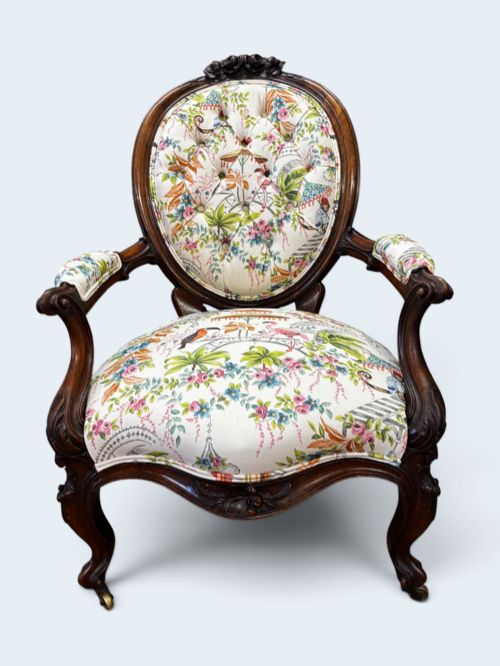
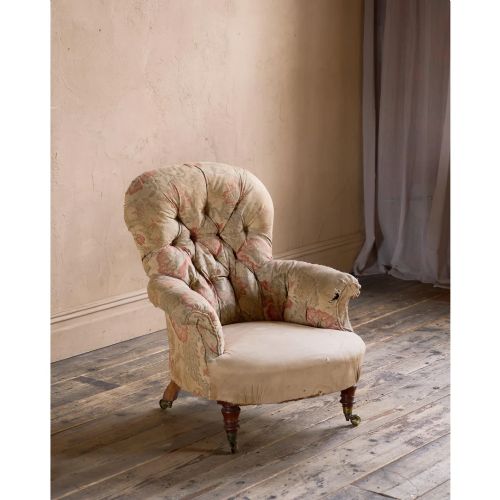
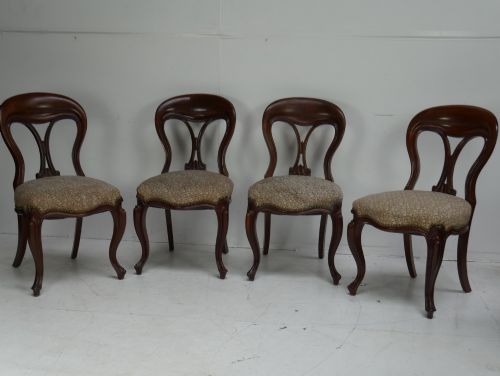
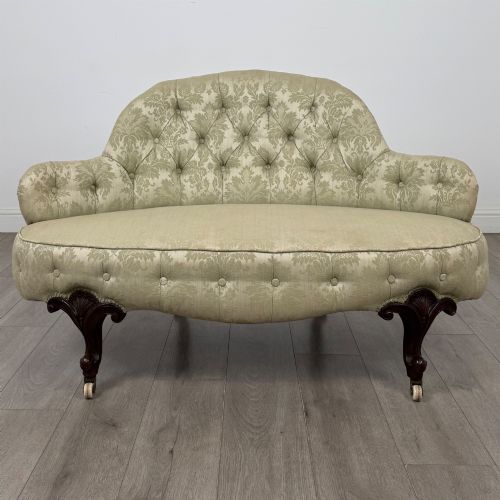
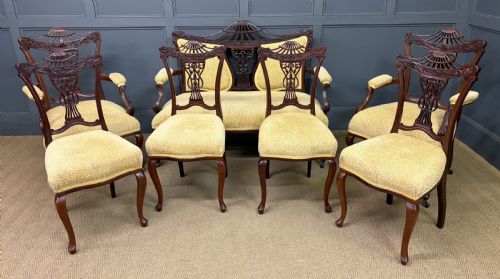
A mahogany salon chair is a versatile seat designed for drawing rooms and reception spaces, appearing frequently in Victorian and Edwardian forms. These pieces include armchair variants, nursing seats, tub chairs, and occasional seating shaped during the nineteenth and early twentieth centuries. The selection spans straightforward framed seats alongside pieces incorporating decorative inlay, carved details, and open elbow supports.
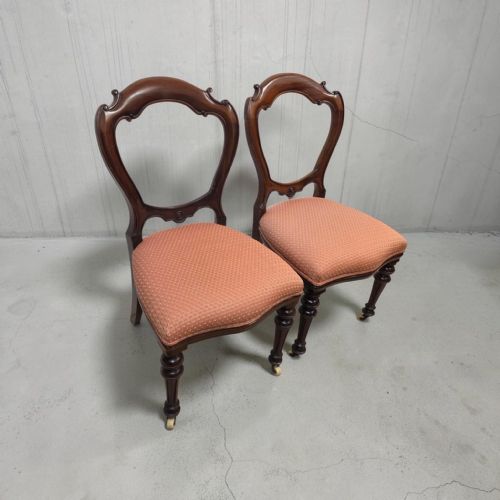
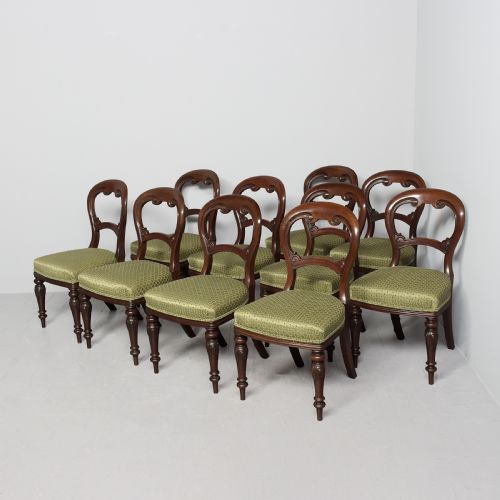
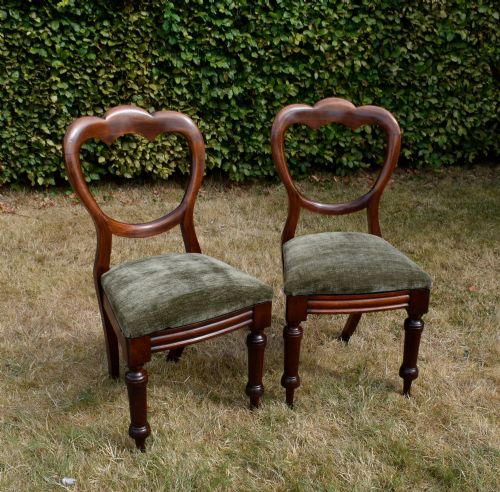
Most examples encountered here date from the Victorian and Edwardian eras, utilising rich timber frames and diverse upholstery styles. Forms range from spoon-backed and balloon-backed iterations to George III Hepplewhite revivals and Arts & Crafts designs. Buyers find both single chairs and matched pairs suitable for domestic sitting areas or studies.
Materials and construction methods
Makers built these frames primarily using solid mahogany, often complemented by secondary timbers and decorative veneers. Details relied on specialised touches such as boxwood, satinwood, and bone inlay, alongside marquetry work. Brass fittings and castors occasionally appeared on heavy library or desk variants.
Upholstery techniques involved traditional stuffing applied over springs or webbing, finished in fabric, velvet, ceramic-detailed trim, or damask. Frames utilised joinery methods appropriate to the period, including cabriole legs, carved show frames, and cane panels.
Retail Price Guide 2026
Typical UK retail prices for mahogany salon chair, calculated from the Sellingantiques database of over a million retail prices indexed since 2003. This retail price guide relies exclusively on Sellingantiques data; no external sources or auction records are used, so the figures do not describe the wider market.
Listings feature mahogany, fabric, velvet, and boxwood inlay applied across Victorian and Edwardian chair styles.
Evaluating craftsmanship and condition
Quality rests in the crispness of the timber carving, the precision of the marquetry or string inlay, and the structural integrity of the frame joints. Superior examples display carefully selected grain patterns and robust mahogany frames that withstand regular sitting without loosening.
The standard of upholstery and the retention of original textiles or sympathetic replacement fabrics also influence the overall merit of a piece. Finer items integrate balanced proportions, elegant leg forms such as cabriole or tapered styles, and clean joinery free from heavy modern alterations.
Holland & Sons·Seddon and Co·Morris & Co.
The Mahogany Salon Chair Glossary
- Cabriole leg
- A furniture leg that curves out and then in, resembling an animal's curving leg, frequently seen on Victorian frames.
- Marquetry
- Decorative patterns formed by small pieces of wood veneer fitted into the primary timber surface.
- Spoon back
- An upholstered chair back shaped in a concave oval resembling the bowl of a spoon, common in mid nineteenth century seating.
- Bergere
- An enclosed armchair with cane panels set into the wooden frame sides and back.
- Tub chair
- An armchair featuring a continuous curved back and arms that form a single rounded enclosure.
Frequently Asked Questions
Where were salon chairs used?
These seats served primarily in drawing rooms, formal reception spaces, and boudoirs during the Victorian and Edwardian periods.
They provided lightweight, mobile seating for guests during social gatherings and musical performances.
How do I date a salon chair?
Dating relies on observing structural characteristics, decorative motifs, and timber types recorded across different eras.
Victorian pieces often feature balloon backs and cabriole legs, whereas Edwardian examples frequently incorporate delicate marquetry and satinwood inlay.
Are these chairs comfortable for daily use?
Most models offer supportive upright seating intended for formal entertaining rather than deep lounging.
Many incorporate sprung bases and padded armrests that suit reading and conversational use.
What is the difference between an armchair and a salon chair?
A salon chair generally refers to decorative seating designed for entertaining rooms rather than heavy library or dining use.
Salon armchairs often feature lighter frames, open elbow supports, and ornate show wood or inlay.