
Mahogany Lounge Chair
A mahogany lounge chair brings deep timber warmth and supportive comfort to any room, anchoring traditional and period interiors with ease.
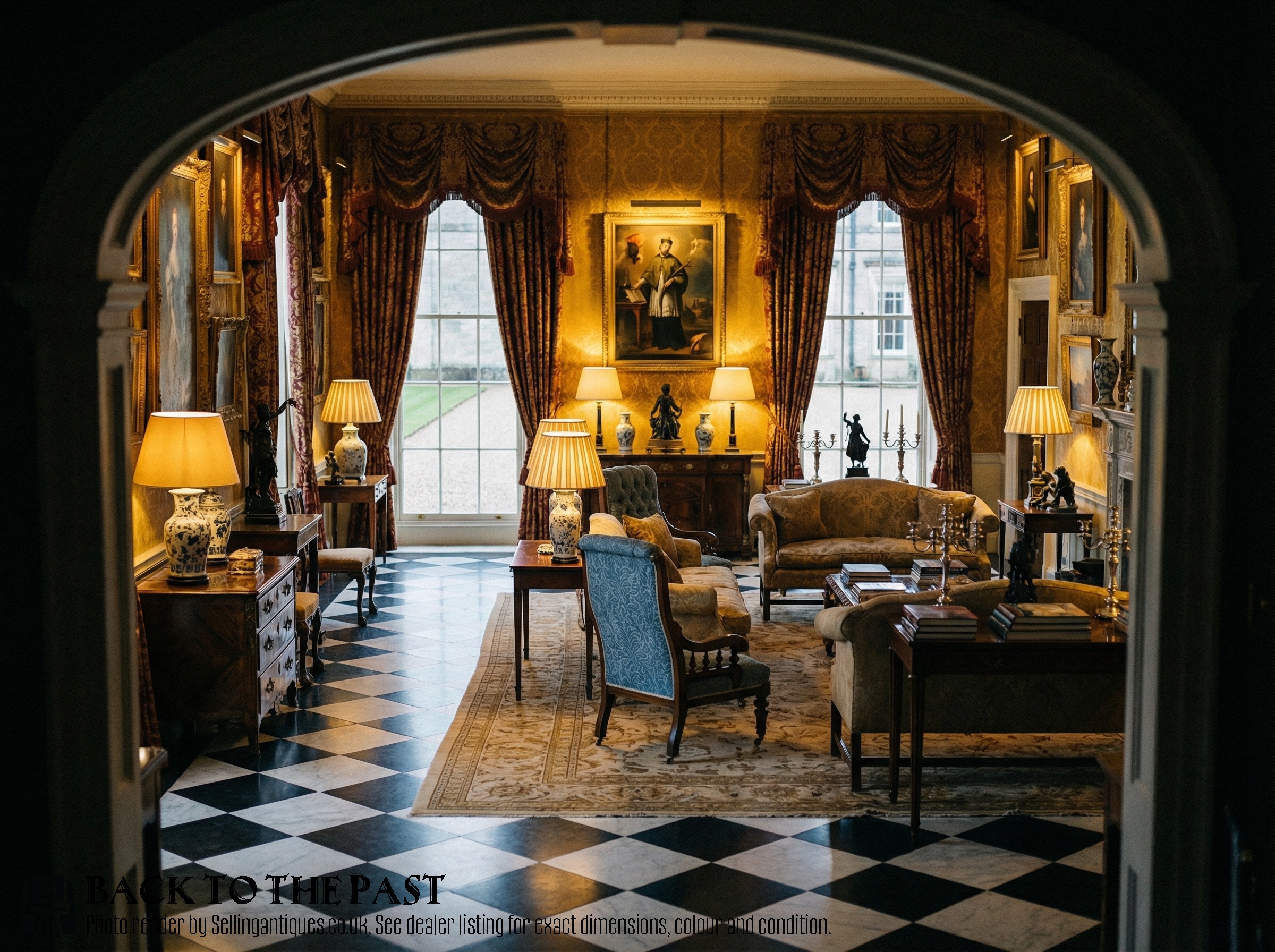
What these mahogany lounge chair pieces are
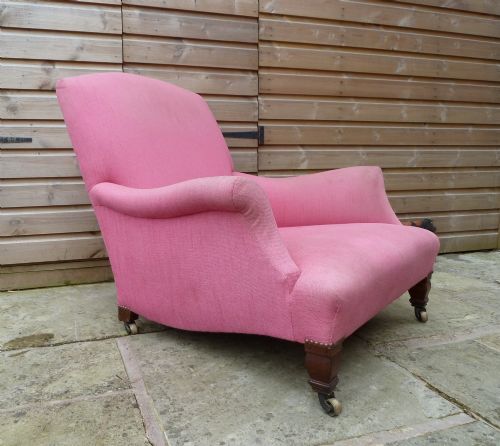
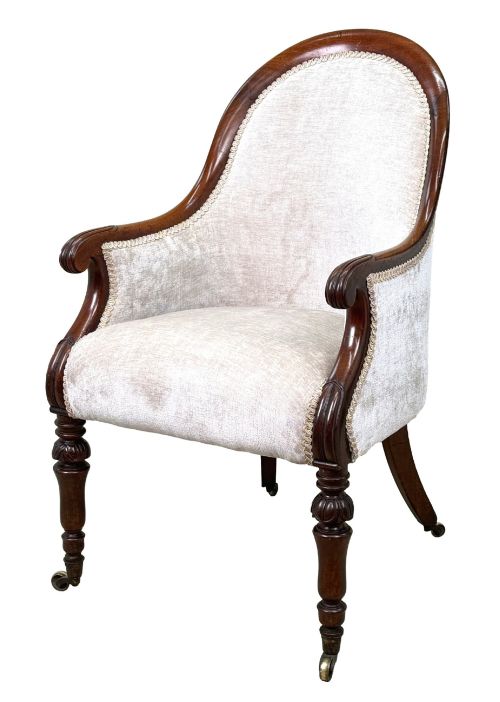
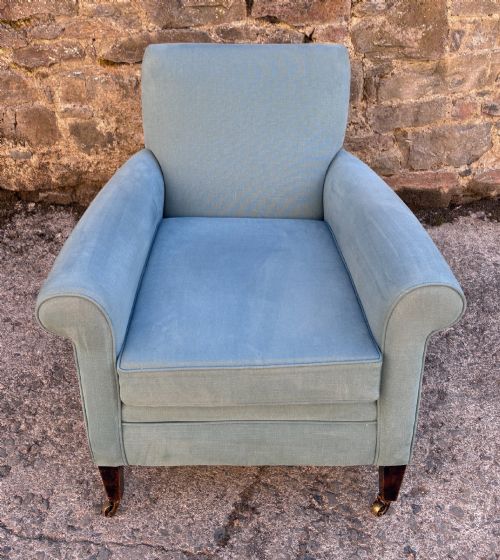
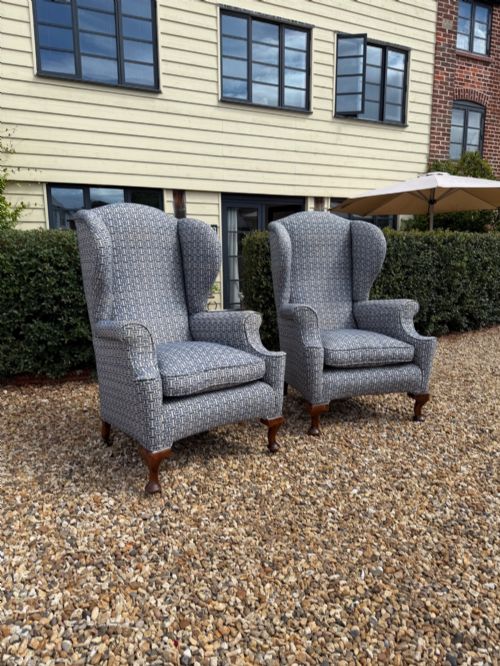
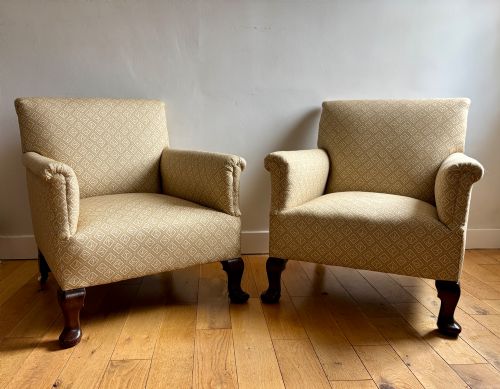
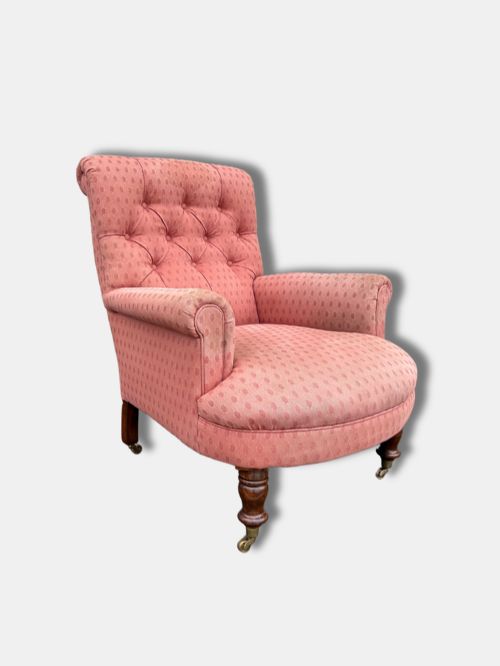
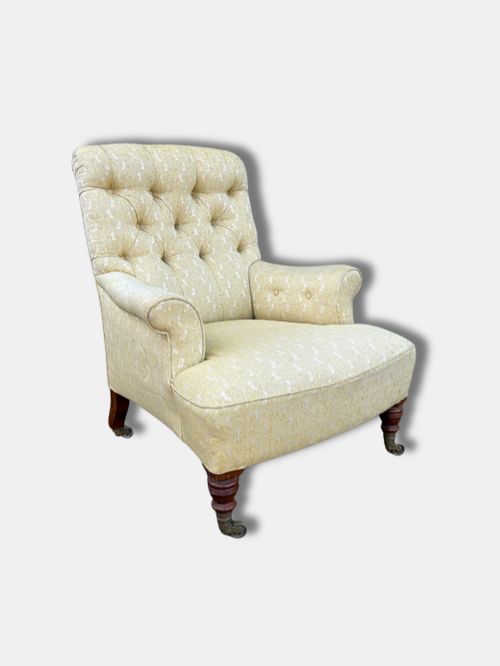
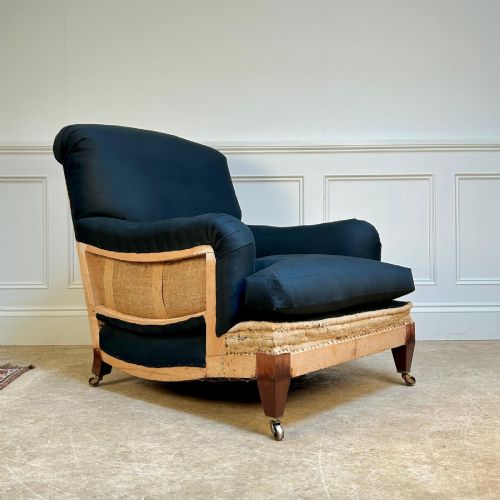
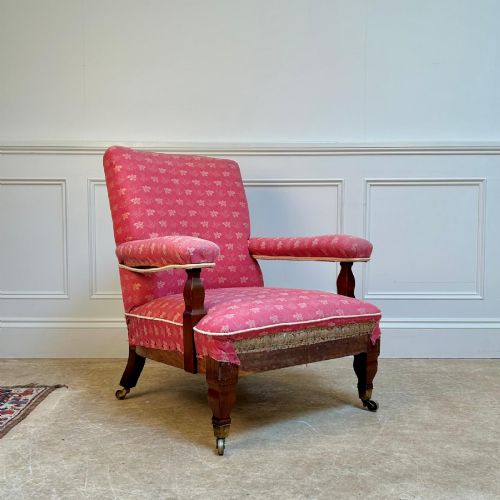
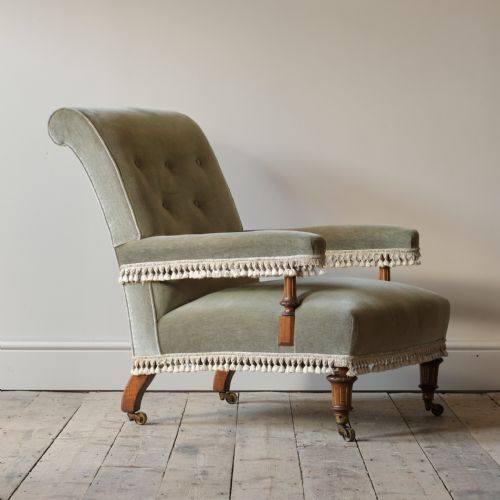
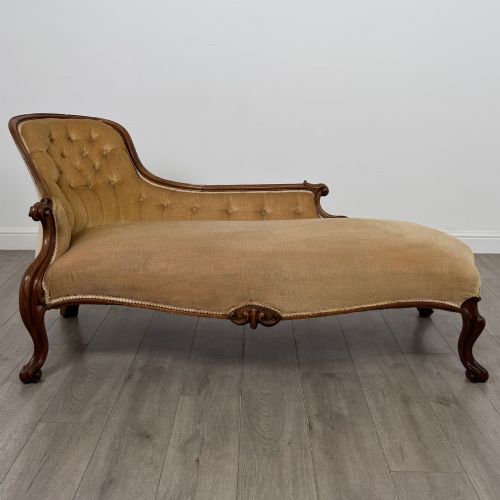
A mahogany lounge chair encompasses robust Victorian armchairs, Edwardian upholstered seats, and French Empire seating designed for relaxation. These timber-framed pieces often feature generous proportions and deep seats suited to domestic comfort.
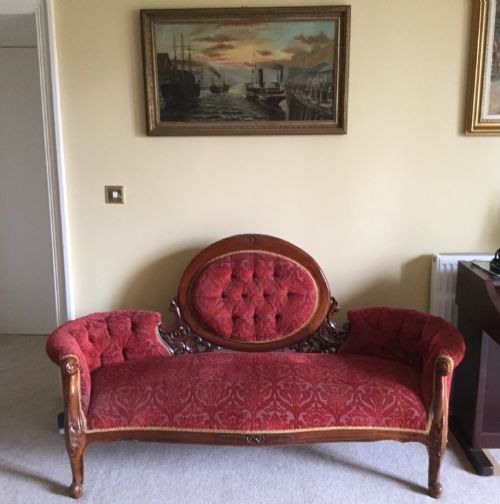
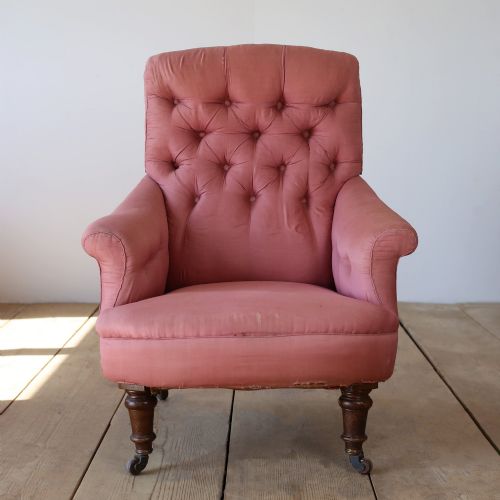
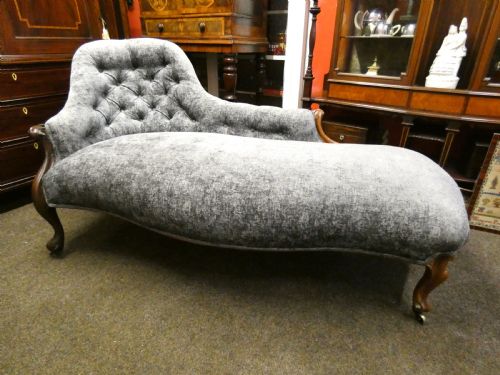
The selection here draws primarily from Victorian and Edwardian periods, alongside nineteenth-century examples. Forms range from buttoned fireside chairs to gentleman's armchairs and library loungers.
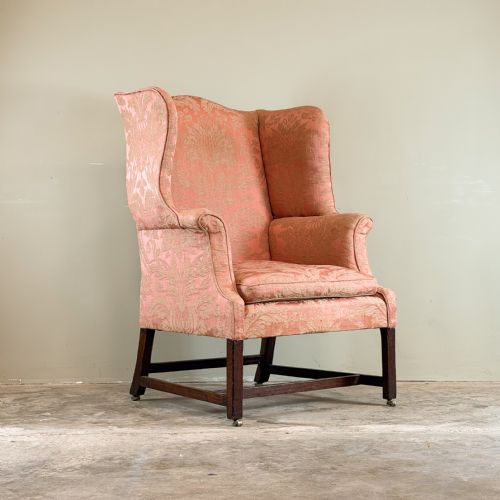
Makers and designers of the era produced structural variations including wingback profiles, low fireside shapes, and framed occasional loungers. Each piece relies on the dark grain and structural strength of mahogany to anchor its design.
How they were made
Frames are constructed from solid mahogany timber, offering a dense and durable foundation for extensive upholstery. Cabinetmakers shaped and joined the wood to support sprung interiors and padded backs.
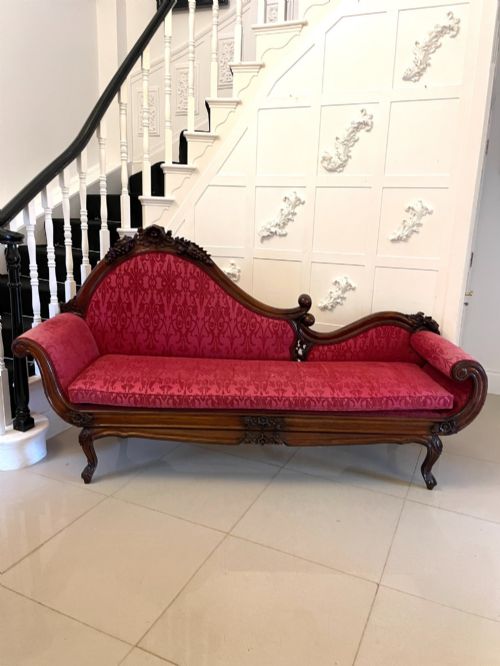
Surface detailing involves carved woodwork combined with applied brass elements, ormolu mounts, and gilt bronze highlights. Upholstery utilises traditional fabrics such as damask, leather, and textured textiles secured with careful tension.
Retail Price Guide 2026
Typical UK retail prices for mahogany lounge chair, calculated from the Sellingantiques database of over a million retail prices indexed since 2003. This retail price guide relies exclusively on Sellingantiques data; no external sources or auction records are used, so the figures do not describe the wider market.
Listings feature Victorian, Edwardian, and nineteenth-century pieces constructed from solid mahogany, fabric, leather, and brass.
What varies in quality
The calibre of a mahogany lounge chair rests on the crispness of timber carving and the architectural balance of the frame. Superior examples demonstrate thoughtful proportions where the wooden structure and upholstered areas complement one another harmoniously.
Material selection dictates long-term appeal, with finer grain patterns and original metal mounts elevating a piece above standard workshop production. The integrity of the underlying construction ensures lasting stability through decades of use.
Howard and Sons
The Mahogany Lounge Chair Glossary
- Mahogany
- A durable tropical hardwood known for its reddish-brown colour and fine grain. It forms the structural skeleton for these comfortable seats.
- Ormolu
- Gilded bronze applications used as decorative mounts on nineteenth-century French and English furniture frames. This technique adds metallic contrast to dark timber surfaces.
- Damask
- A reversible figured fabric traditionally woven with intricate patterns on a loom. It frequently appears as the primary upholstery material on period armchairs.
- Wingback
- An armchair style featuring protective side panels designed to shield the sitter from draughts. This traditional form provides an enclosed and supportive seating experience.
Frequently Asked Questions
How do I identify a Victorian mahogany lounge chair?
Look for dense timber frames, deep buttoned upholstery, and characteristic nineteenth-century proportions designed for fireside or parlour comfort.
Examine the legs and arm supports for hand-carved details or turned woodwork typical of the period.
Where were these armchairs placed in period homes?
These comfortable seats traditionally occupied libraries, studies, and drawing rooms where relaxation was the primary focus.
Low fireside variants were specifically positioned near hearths to catch warmth during cooler months.
What materials make up the frames and upholstery?
Frames are built from solid mahogany timber, sometimes accented with brass castors, metal fittings, or gilt bronze mounts.
Upholstery materials typically include heavy damask, textured fabrics, and supple leather over traditional sprung interiors.
How do I care for antique mahogany wood?
Maintain the timber by keeping the chair away from direct sunlight and rapid temperature fluctuations that dry out the grain.
Apply natural beeswax periodically to nourish the surface and preserve the deep colour without heavy polishing.