

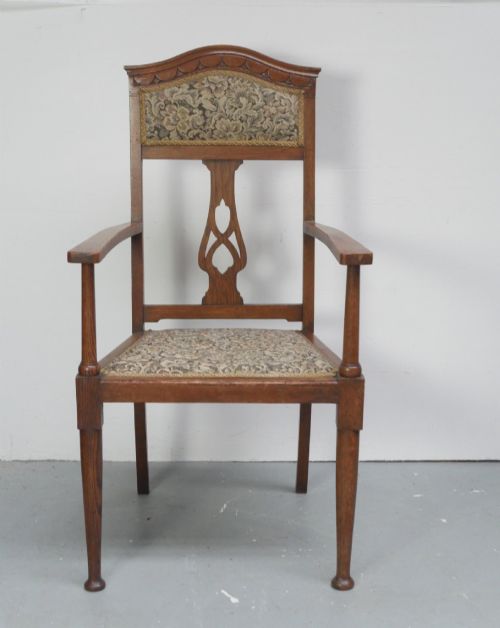
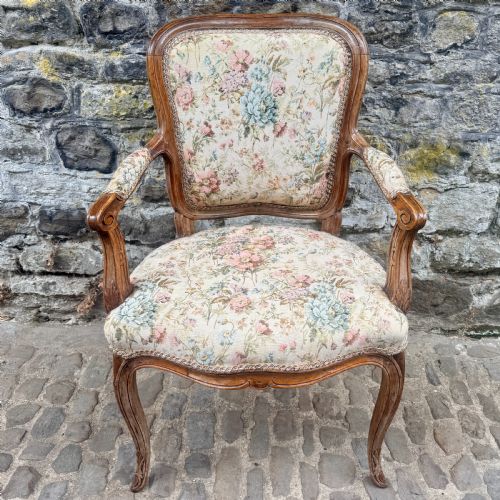
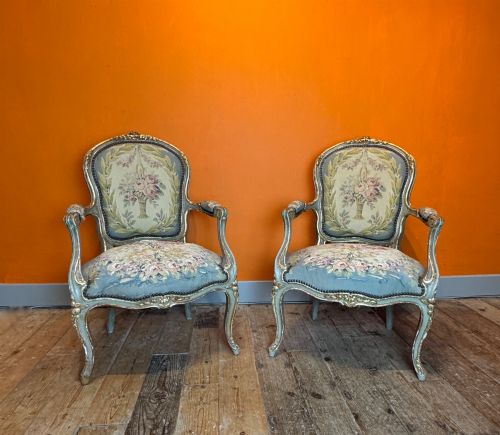
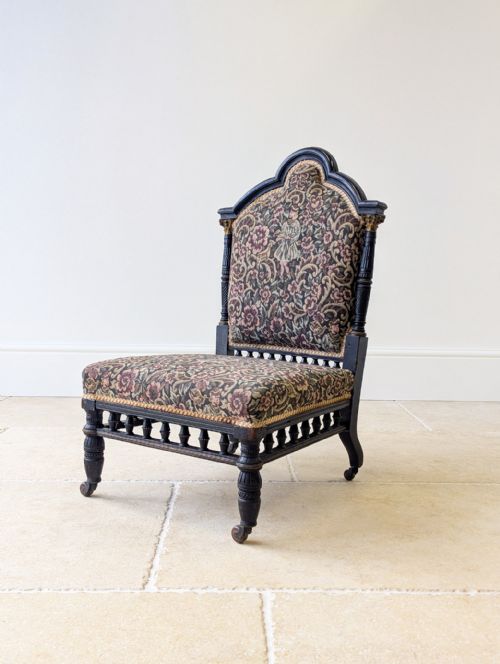
Tapestry Seat Armchair
A tapestry seat armchair combines sturdy structural timber with woven textile panels, offering historical character and durable comfort for daily use.
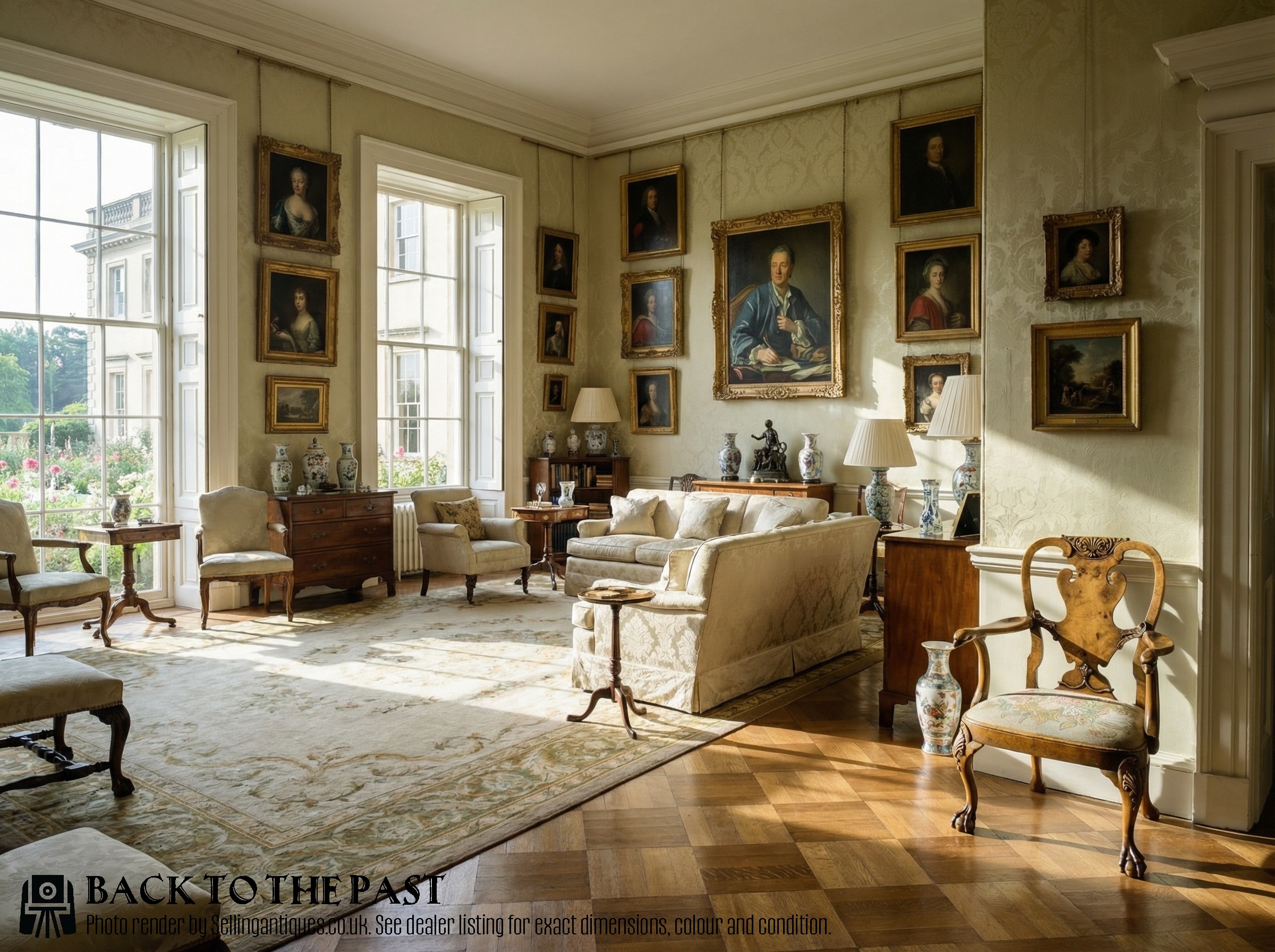
Tapestry Seat Armchair
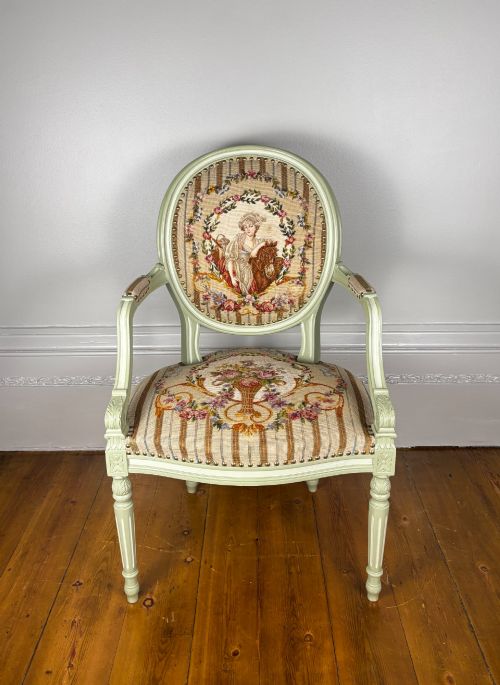
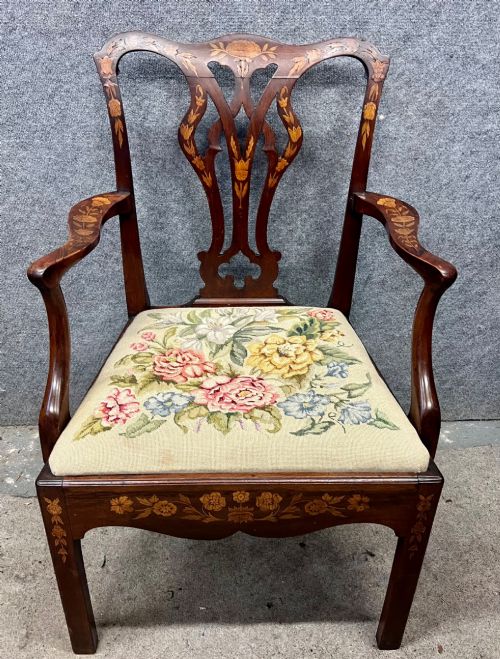
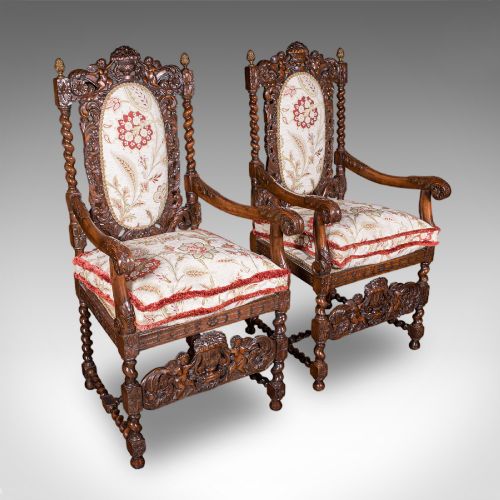
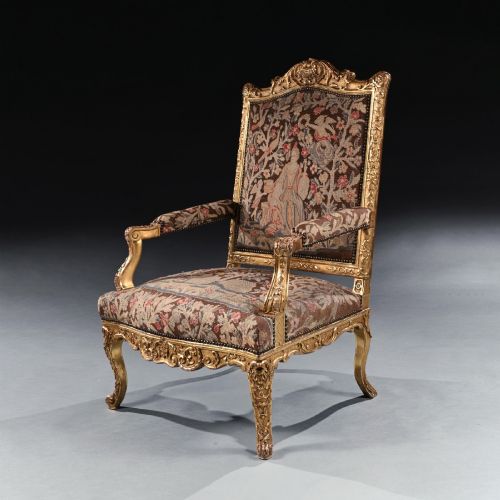
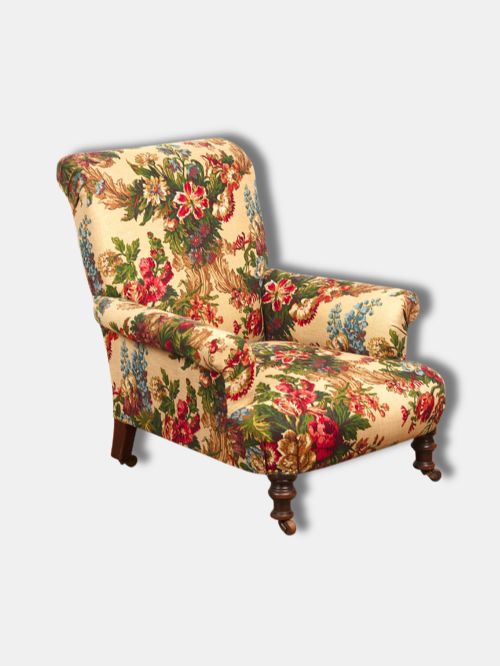
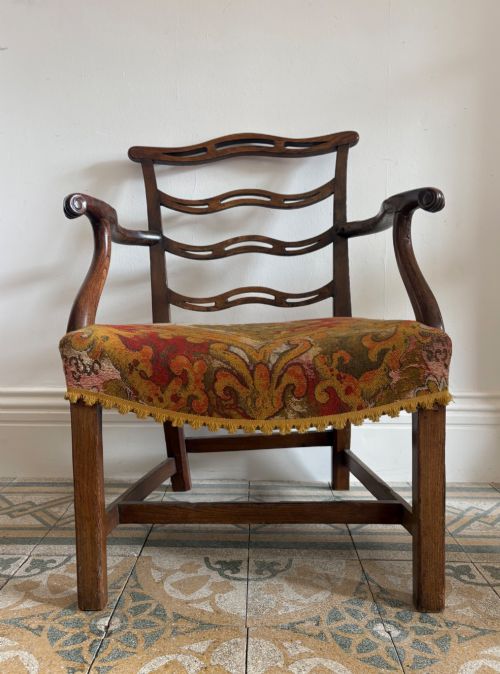
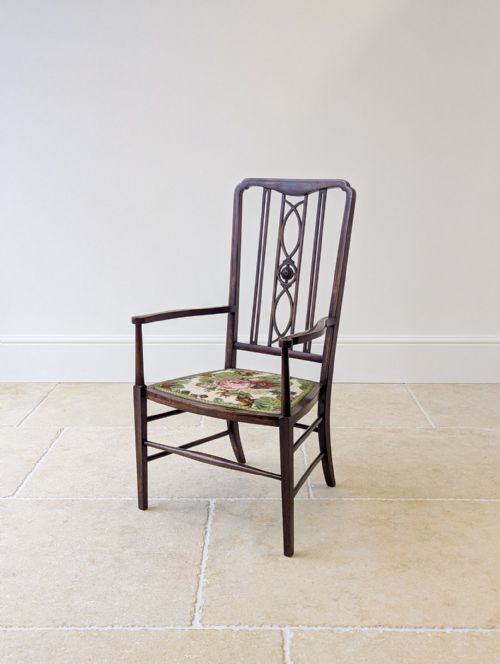
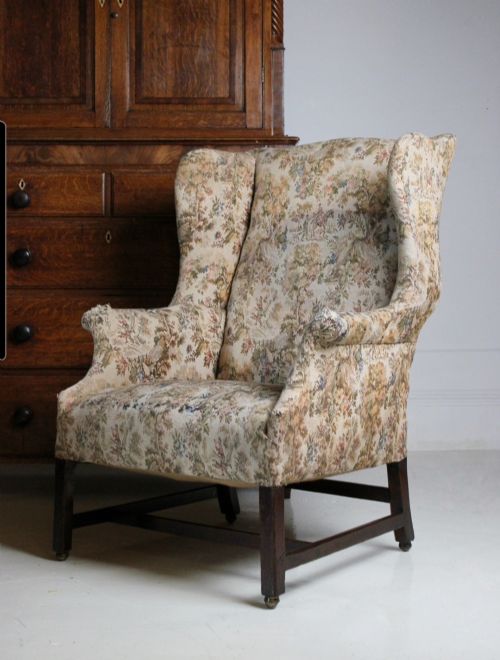
A tapestry seat armchair is a seated furniture form featuring a woven textile covering on the seat, occasionally extending to the backrest. When searching for a tapestry seat armchair, buyers encounter various historical iterations spanning the eighteenth, nineteenth, and early twentieth centuries.
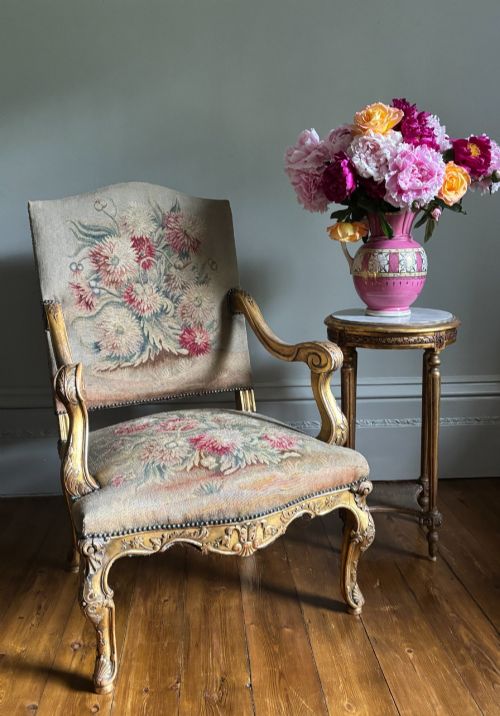
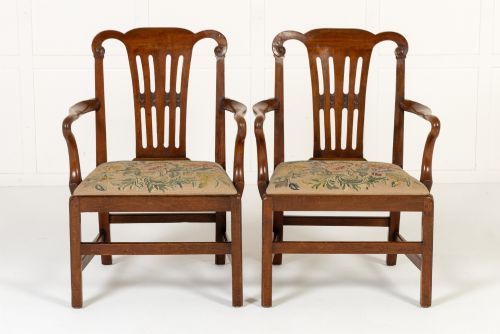
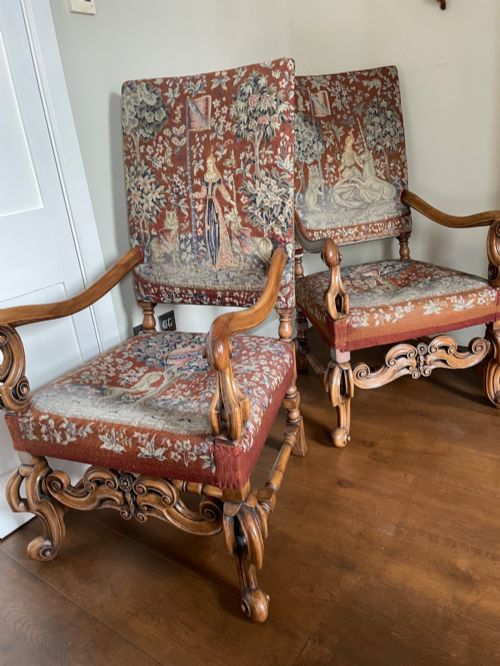
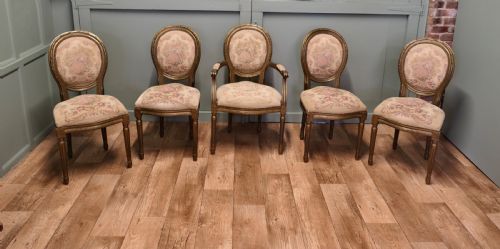
The form appears frequently within nineteenth century and Victorian groupings, alongside earlier eighteenth century pieces and revival styles such as Chippendale and Louis XVI. Frames range from mahogany and walnut to beech and oak, supporting needlepoint, Aubusson, or general tapestry panels.
Origin points vary between English country houses and continental workshops, producing elbow chairs, salon chairs, and library chairs. These seating options serve domestic environments as functional reading chairs or decorative salon additions.
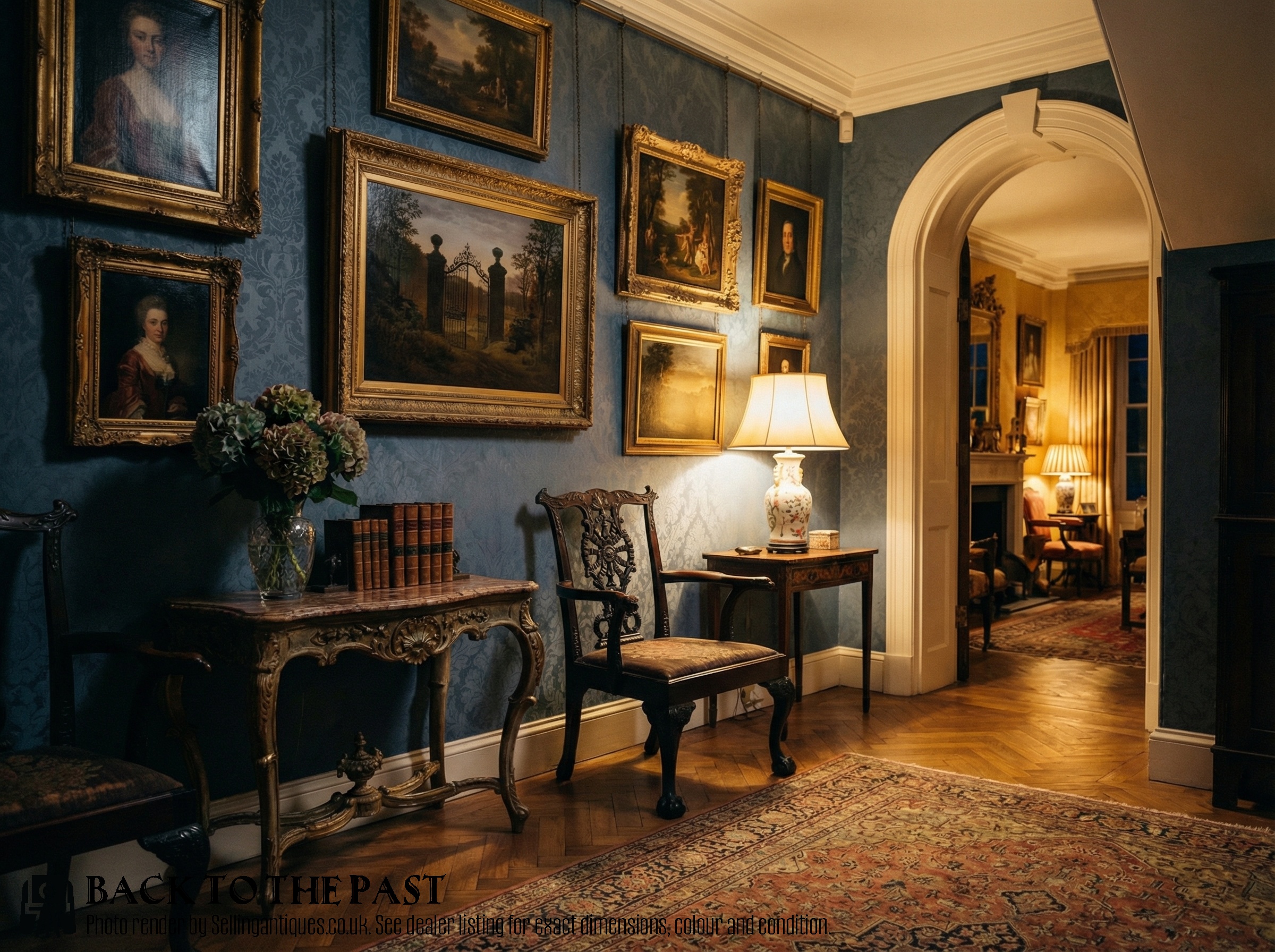
Distinguishing quality in construction and textiles
The distinction between standard examples and superior pieces rests upon the crispness of the timber carving and the integrity of the joinery within the frame. Tighter assembly methods and well-seasoned hardwoods indicate higher workshop standards during production.
Textile preservation defines the upper tier of pieces, where original needlepoint or Aubusson panels remain intact and securely mounted. The fineness of the yarn work and the complexity of the woven pictorial design separate workshop-level output from master craft output.
Tapestry Seat Armchair Retail Price Guide 2026
Typical asking prices for tapestry seat armchair among the pieces listed under this phrase on Sellingantiques today, from the lower quarter to the upper quarter. They describe what is for sale here now, not the wider market.
Listings feature frames in mahogany, walnut, oak, beech, and rosewood, paired with tapestry, needlepoint, and Aubusson upholstery.
Howard and Sons·Warings·Heals
The Tapestry Seat Armchair Glossary
- Aubusson
- A style of tapestry woven in the French town of Aubusson, commonly utilised for upholstery on eighteenth and nineteenth century armchairs.
- Elbow Chair
- An armchair featuring supportive armrests, distinct from side chairs without arms. These pieces offer added comfort for prolonged seating.
- Needlepoint
- A type of canvas work embroidery executed with a needle and thread, often seen forming the pictorial panels on antique seat covers.
- Giltwood
- Timber that has been coated with a thin layer of gold leaf or metallic paint. This decorative finish appears frequently on French revival salon seating.
Tapestry Seat Armchair: Frequently Asked Questions
How do I clean a tapestry seat?
Maintenance requires gentle surface dusting using a soft brush attachment on a low-suction vacuum. Avoid liquid immersion or harsh chemical cleaners to protect the integrity of the antique threads.
Professional textile conservation is recommended for deep cleaning or stabilization. Regular rotation away from direct sunlight prevents fading of the woven colours.
Can I use these daily?
Most pieces are structurally sound for normal sitting, provided the timber joints remain firm and secure. Heavier hardwoods like mahogany and walnut offer robust support for everyday use.
For fragile frames or antique needlework seats, placement in low-traffic areas prolongs their condition. Assess the rigidity of the under-frame before placing the chair into heavy daily rotation.
How do I identify the period?
Dating relies on observing the combination of wood species, carving styles, and structural joinery techniques. For instance, George III and Chippendale pieces display distinct regional timber carving traits.
Comparing the upholstery style alongside the wood turning offers further clues to the manufacturing decade. Revival pieces often borrow motifs from earlier eighteenth-century designs while using later nineteenth-century framing methods.
Where did these chairs originate?
Manufacturing locations include English workshops and continental European centres, particularly in France. Provincial French pieces often feature lighter painted or gilded beech frames.
English examples tend to utilise sturdy mahogany, oak, or walnut framing. Regional country house origins frequently dictate simpler turned elements compared to urban salon furniture.