

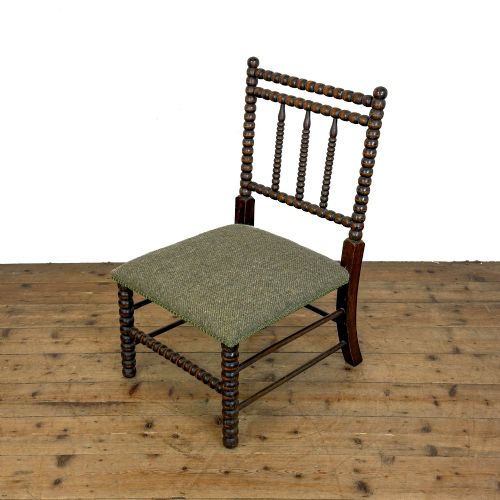


Victorian Bobbin Chair
A victorian bobbin chair brings tactile turned wood and rich upholstery together, offering a distinctive seating choice for traditional or eclectic interiors.
Victorian Bobbin Chair
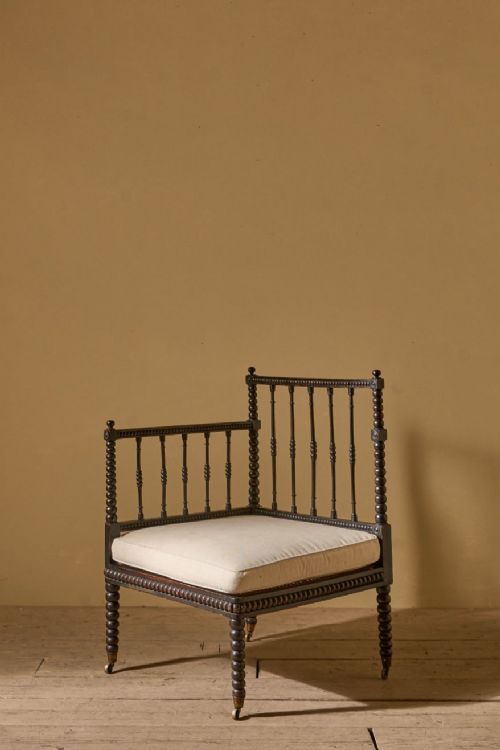
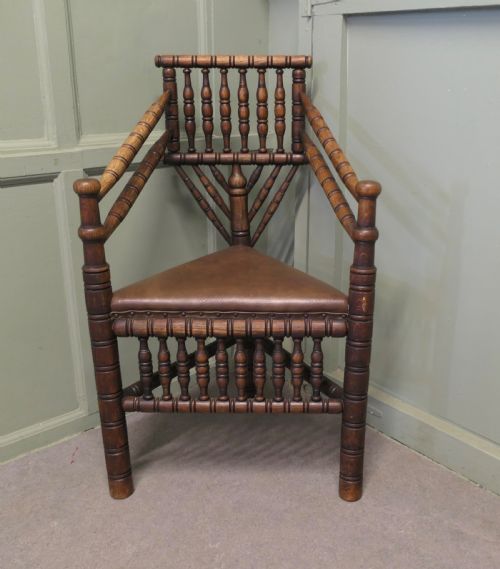
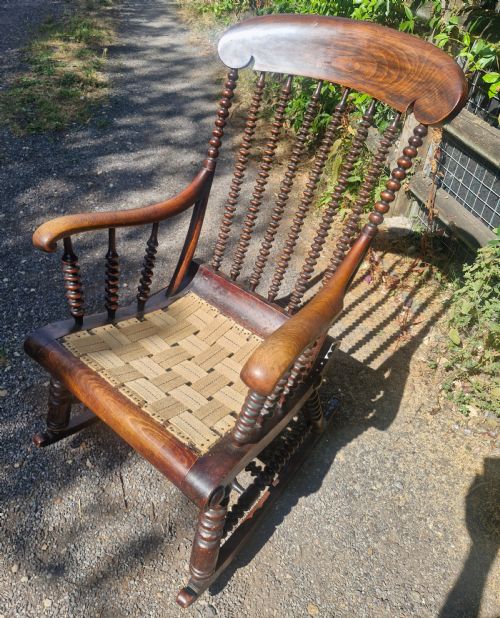
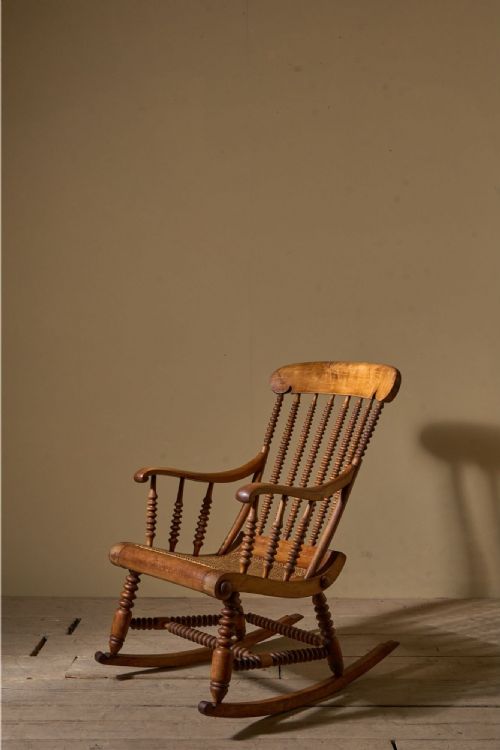
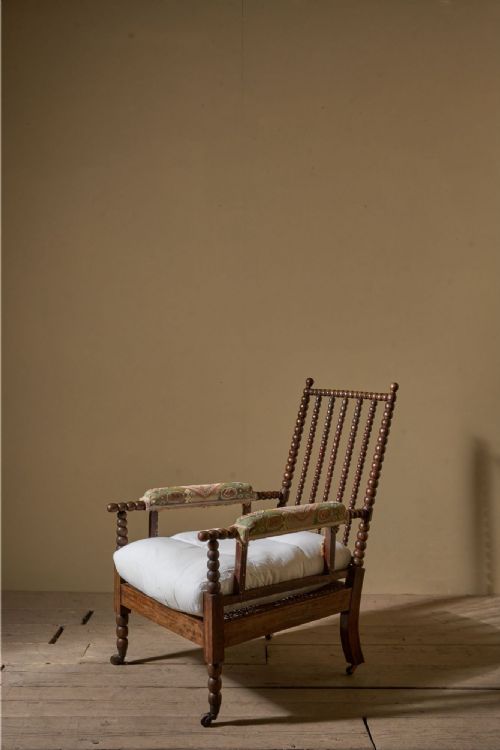
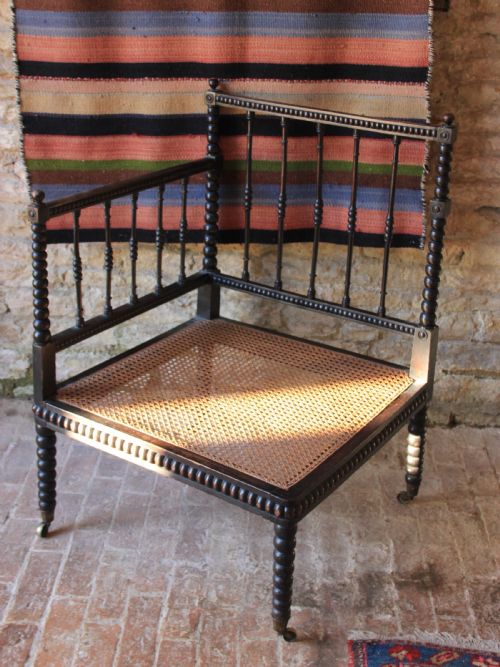
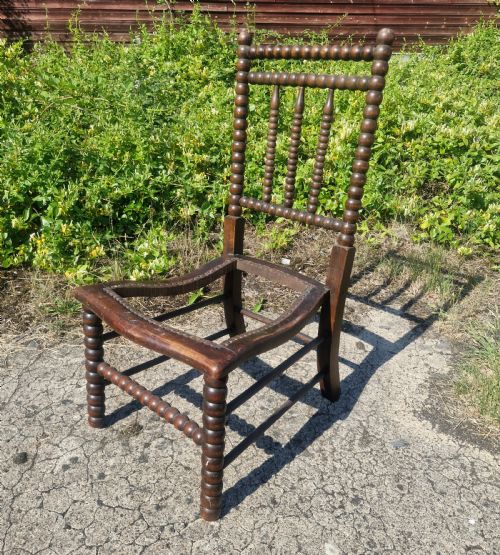
When you search for a victorian bobbin chair, you encounter seating distinguished by spool-shaped or turned wooden turnings forming the frame, structural spindles, and legs. These pieces emerge predominantly from the nineteenth century, spanning various formats from low bedroom seats and corner chairs to substantial library armchairs and rocking chairs.
The most common examples on this page are constructed from oak, walnut, or ebonised wood, often incorporating cane seats, textile cushions, or leather upholstery. Makers from the period drew on vernacular traditions, resulting in robust country house seating as well as more formal library designs.
How They Were Made
The defining characteristic of these chairs relies on lathe-turned wooden segments shaped to resemble bobbins or spools, joined securely to form the structural framework. Woods such as oak, ash, beech, and elm provide sturdy foundations, while simulated rosewood or ebonised finishes replicate exotic timbers through applied dark stains and paint.
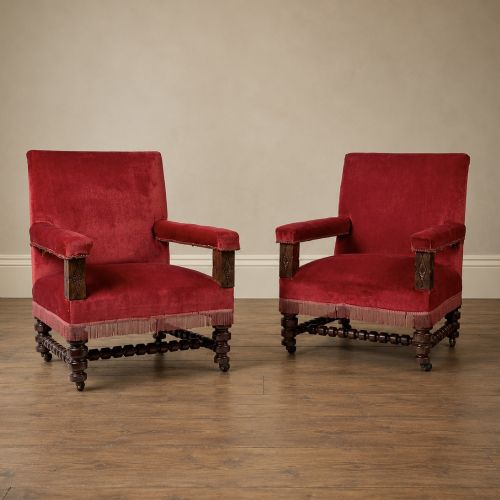
Seating areas utilise woven cane, rush, or padded frames upholstered in velvet, leather, and tweed linen. Traditional joinery methods ensure the heavy turnings bear weight evenly across armrests, legs, and high backs.
Victorian Bobbin Chair Retail Price Guide 2026
Typical asking prices for victorian bobbin chair among the pieces listed under this phrase on Sellingantiques today, from the lower quarter to the upper quarter. They describe what is for sale here now, not the wider market.
Listings feature oak, walnut, ash, and ebonised wood alongside textiles including leather, velvet, and cane.
What Varies in Quality
The excellence of a bobbin-turned chair rests upon the precision and uniformity of the spool turnings across the entire frame. Superior examples demonstrate crisp definition in the wooden beads and reels, whereas lesser pieces feature softer, flattened turnings that lack distinct separation.
Materials also dictate the tier of the piece, with solid walnut, oak, or richly figured rosewood framing commanding greater presence than basic fruitwood or heavily painted softwoods. Original upholstery fabrics, intact cane work, and retained squab cushions elevate the historical integrity of the seating.
Liberty and Co
The Victorian Bobbin Chair Glossary
- Bobbin turning
- A form of woodturning characterised by a series of rounded, spool-like shapes resembling bobbins of thread. This technique gained immense popularity during the Victorian era for decorative furniture frames.
- Ebonised wood
- Timber treated with a dark stain or pigment to imitate ebony. Cabinet makers frequently utilised this finish on fruitwood and beech to create stark, dramatic seating profiles.
- Corner chair
- A seat designed to fit into the corner of a room, featuring a diagonal front leg and a rounded backrest supported by multiple spindles. These forms often incorporate bobbin turning along the structural rails.
- Turner's chair
- A sturdy, heavy armchair constructed almost entirely from turned wooden spindles and members. Also known as an old Saxon chair, this traditional form dates back centuries before being reinterpreted by Victorian makers.
- Bergere
- A French-style upholstered armchair with enclosed sides and a cane or wicker panel integrated into the wooden frame. Victorian variants frequently paired this seating style with bobbin-turned legs and stretchers.
Victorian Bobbin Chair: Frequently Asked Questions
What is a victorian bobbin chair?
A victorian bobbin chair is a nineteenth-century seat featuring a framework shaped on a lathe to resemble a succession of wooden bobbins or spools. These decorative turnings appear on the legs, armrests, and back supports.
Craftsmen produced these chairs in various formats, including rocking chairs, corner seats, and low bedroom chairs, using timbers like oak, walnut, and ebonised beech.
How do I style a bobbin chair?
You can integrate a bobbin chair into both traditional country interiors and modern eclectic spaces by letting the turned wooden frame stand out against plain walls. Placing a small corner chair in a bedroom or positioning an armchair near a bookshelf highlights its decorative silhouette.
Adding cushions upholstered in velvet, leather, or tweed linen introduces texture while maintaining the historical character of the seating.
Are bobbin chairs comfortable?
Many bobbin chairs offer surprising comfort through supportive upholstered seats, original squab cushions, or cane panels that yield slightly to the body. Low bedroom models and library armchairs were specifically designed for extended periods of sitting.
Ergonomics vary depending on the upright posture dictated by the rigid spindle backrests, making seat cushions an important element for daily use.
How do I date a bobbin turned chair?
Dating these chairs involves examining the choice of timber, the style of turning, and the construction methods used in the frame. Nineteenth-century examples often employ solid oak, walnut, or simulated rosewood finishes.
Later Victorian pieces from the 1880s and 1890s frequently combine bobbin framing with revival styles such as Gothic or Moorish influences, while earlier nineteenth-century versions lean towards vernacular turnings.