




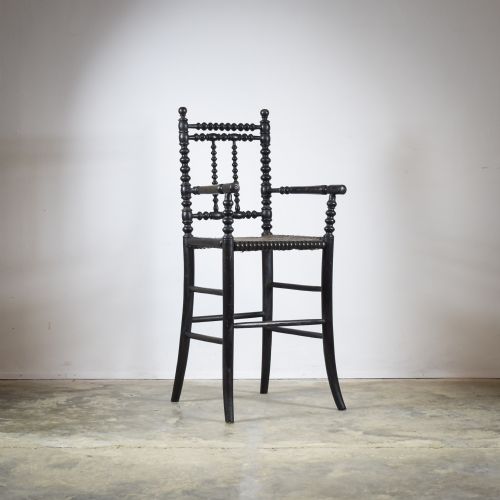


19th Century Highchair
A 19th century highchair is a sturdy piece of domestic history that brings genuine character and practical charm to any modern room.

19th Century Highchair
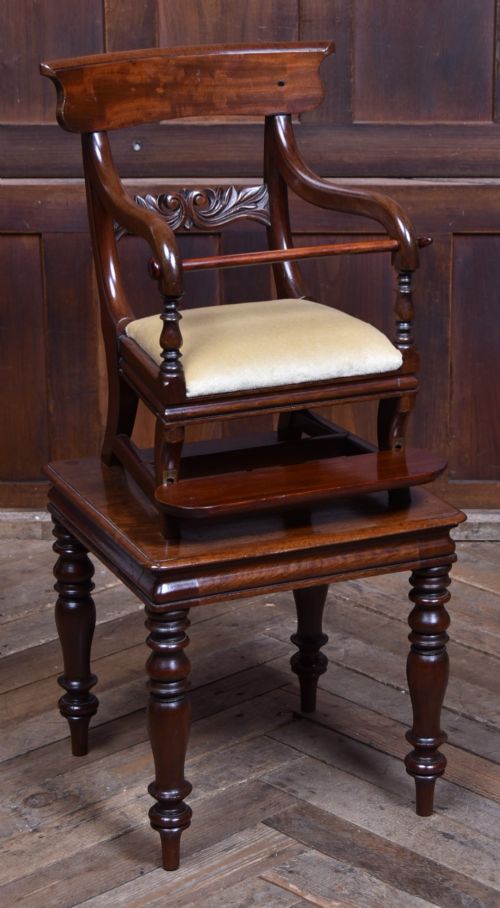
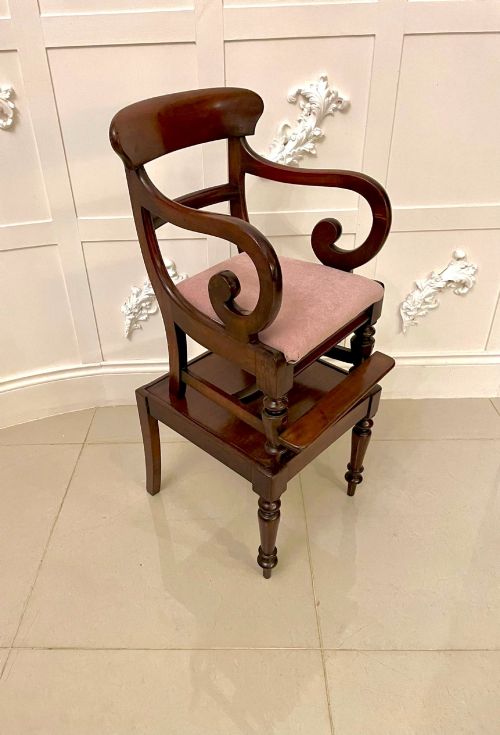
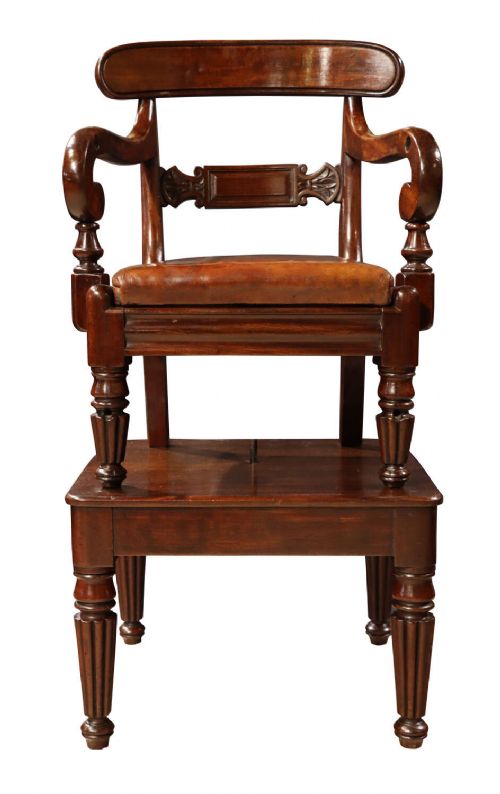
A 19th century highchair sits at the intersection of practical nursery furniture and traditional craftsmanship, designed to elevate a small child safely to table height. These domestic pieces appear in forms ranging from simple vernacular seating to sophisticated metamorphic designs that convert into low chairs and wheeled frames.
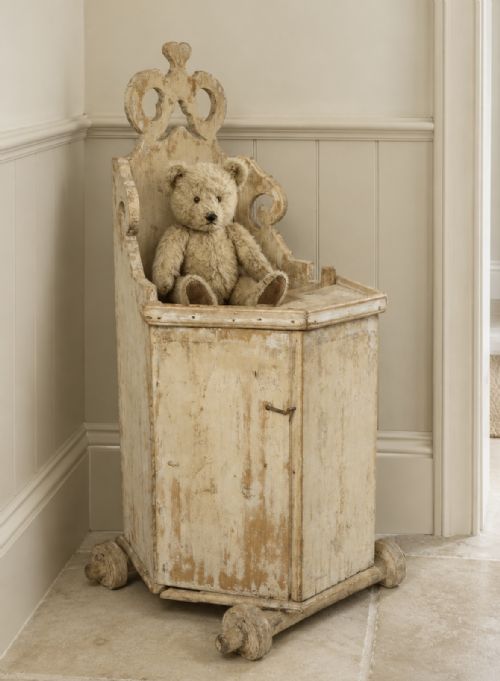
The examples gathered here span the entire hundred-year span, drawing on Georgian, Regency, William IV, and Victorian aesthetic traditions. Regional variations emerge clearly, from English mahogany armchairs to rustic Scandinavian country pieces and European folk art painted surfaces.
Buyers will encounter robust country timbers alongside finer cabinet woods, reflecting the varied social milieus these children's seats inhabited. Whether finished with caning, turned spindles, or colourful paintwork, each object records the domestic life of the period.
How They Were Made
Cabinetmakers and country joiners utilised solid woods such as mahogany, elm, beech, ash, and pine to construct these robust items. Timber selection dictated the character of the piece, with dense hardwoods reserved for formal dining rooms and tougher local woods employed for provincial vernacular work.
Construction techniques combined traditional joinery with functional hardware, often incorporating turned elements like bobbin turnings or sturdy upright supports. Caning provided a flexible seat base in finer examples, whilst painted finishes and folk art motifs added decorative appeal to simpler pine and beech structures.
19th Century Highchair Retail Price Guide 2026
Typical asking prices for 19th century highchair among the pieces listed under this phrase on Sellingantiques today, from the lower quarter to the upper quarter. They describe what is for sale here now, not the wider market.
Listings feature periods spanning from Georgian and Regency to William IV and Victorian eras.
What Varies in Quality
The distinction between a standard utility seat and a finer piece lies in the ambition of the design and the choice of materials. Master cabinetmakers working in mahogany applied sophisticated turning and joinery, whereas rural makers relied on straightforward pegged construction and local timbers.
Surface preservation and originality significantly influence the standing of an individual chair. Untouched painted finishes, intact caning, and working metamorphic mechanisms elevate a piece above those that have undergone extensive structural replacement.
The 19th Century Highchair Glossary
- Metamorphic
- Describing furniture designed to transform from one functional form into another, such as a high chair converting into a low armchair and play table. This clever mechanism saved space in nineteenth-century homes.
- Vernacular
- Everyday objects made by local tradesmen for regional use rather than high-style metropolitan workshops. These pieces showcase traditional local building methods and native timbers.
- Caning
- Woven rattan or split cane used to create light, flexible seat panels. It requires considerable skill to install tightly within a chair frame.
- Bobbin turned
- Woodturning characterised by a series of rounded, spool-like shapes resembling bobbins on a thread. This decorative technique appears frequently on nineteenth-century seating supports.
- Tub highchair
- A seating form featuring a rounded, enclosed upper back and arms that curve continuously in a tub shape. This design offered secure containment for a young child.
19th Century Highchair: Frequently Asked Questions
What is a metamorphic highchair?
A metamorphic highchair is a dual-purpose piece of furniture designed to transform from a raised feeding chair into a low floor-standing chair and table combination. This clever engineering allowed nineteenth-century families to extend the useful life of the furniture as the child grew.
Such pieces often feature pivoting wooden catches, hinges, or sliding tabletop components. They represent the period's ingenuity in maximising utility within domestic spaces.
How do I identify a Georgian highchair?
Georgian highchairs typically display the restrained classical proportions, solid mahogany construction, and understated joinery characteristic of the late eighteenth and early nineteenth centuries. Look for architectural lines and quality timber selection.
These pieces often sit on dedicated fixed stands or incorporate simple footrests rather than complex mechanical conversions. Their design mirrors the adult dining chairs of the corresponding decade.
Were these chairs meant for everyday use?
These items were built for the rigorous daily demands of nursery life, utilising tough domestic woods like elm, ash, and beech to withstand heavy handling. Their primary function was keeping a toddler secure and elevated during family meals.
Despite their practical origins, many surviving examples display careful craftsmanship and decorative paintwork. Today, they function wonderfully as decorative display pieces or distinctive plant stands.
What is European folk art style?
European folk art style refers to regionally specific decorative traditions applied to everyday wooden objects by provincial makers. These pieces often feature hand-painted floral motifs, bright pigments, and charming naive details.
In highchairs, this style frequently manifests on pine or mixed softwood structures originating from Scandinavia or continental Europe. The painted surfaces give each piece a unique narrative character.