
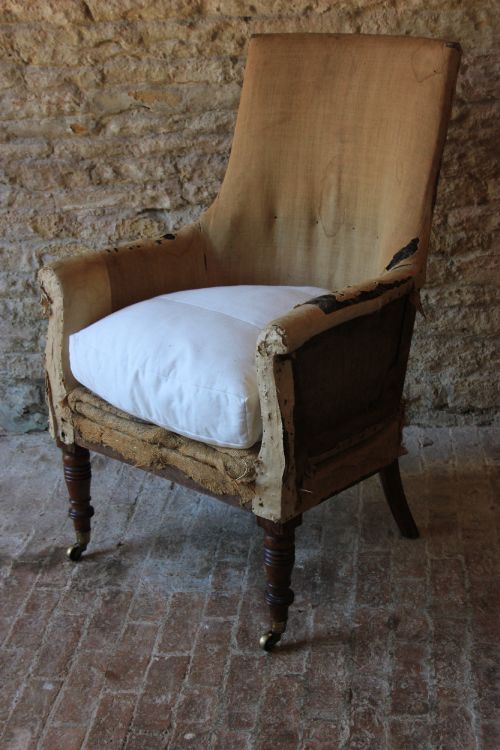
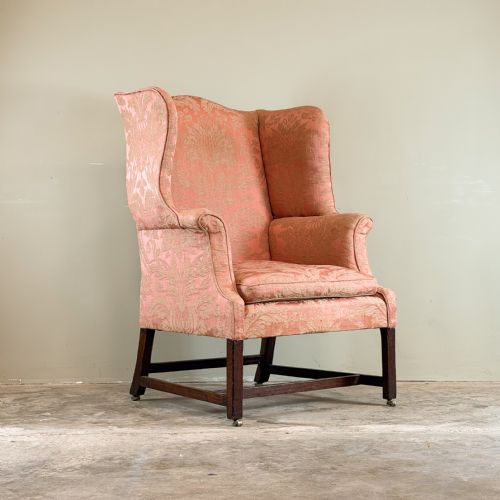
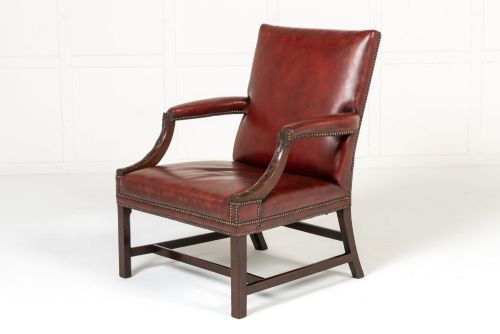
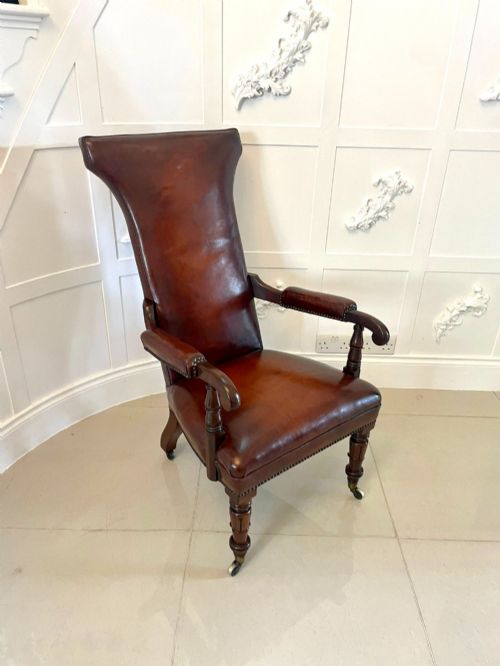
Mahogany High Chair
Mahogany high chair examples combine robust timber with domestic utility, offering nursery seating built to endure generations of family life.
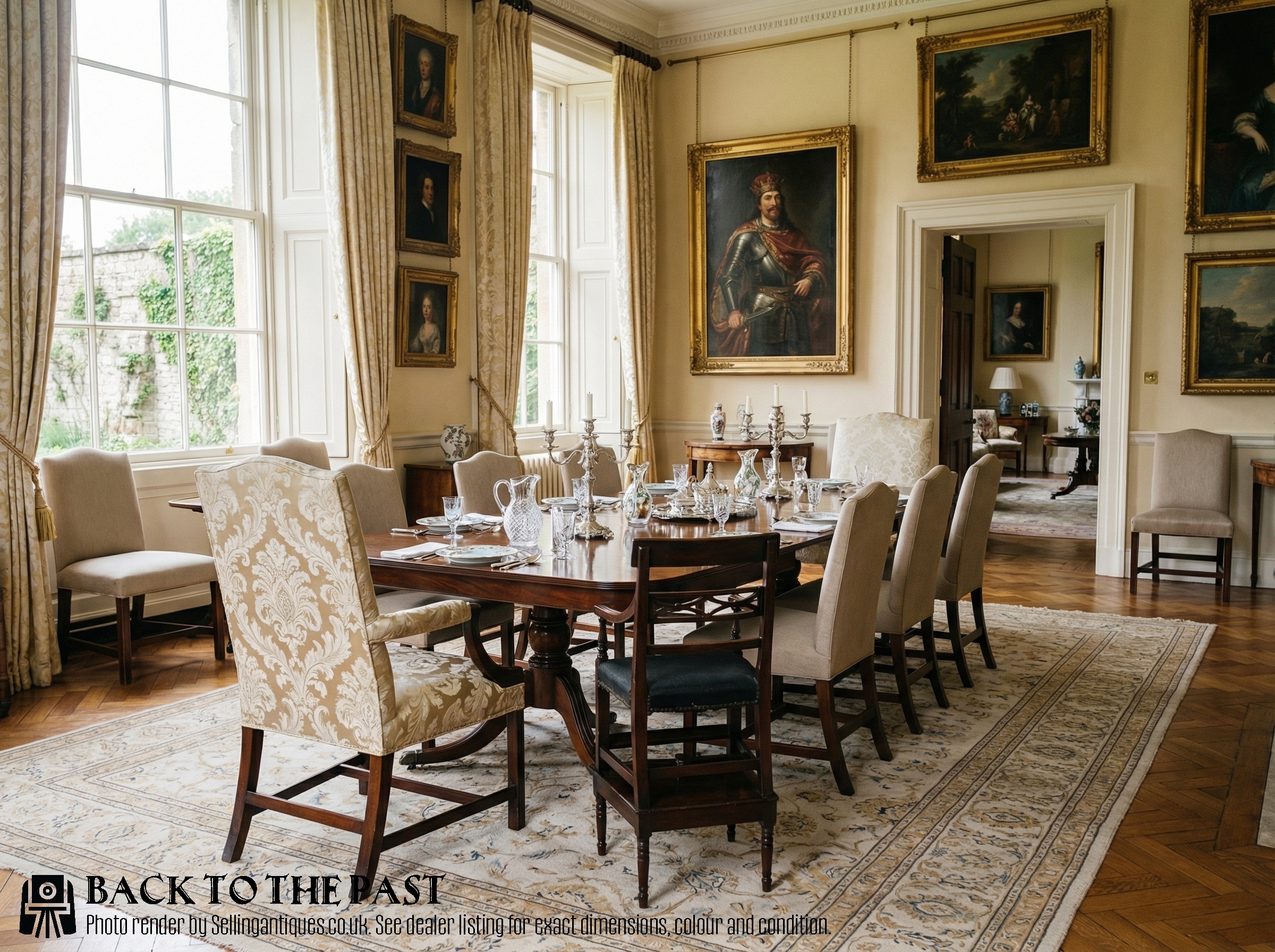
What a mahogany high chair is
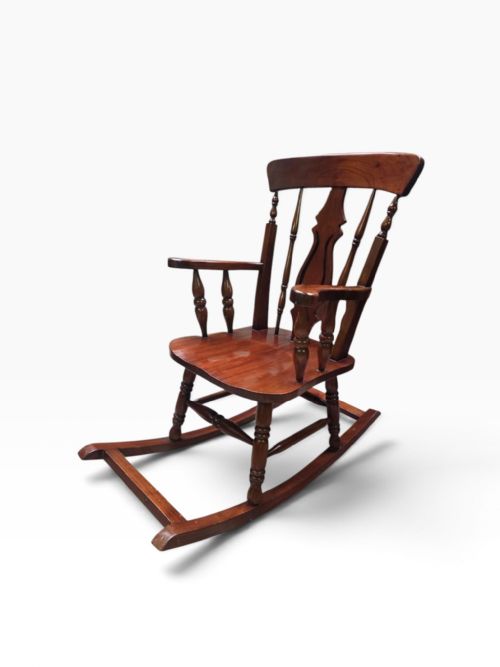
A mahogany high chair serves as elevated seating for children, with domestic examples appearing across the Georgian, Victorian, and William IV periods. These pieces range from simple tub designs to metamorphic forms that convert for alternative domestic uses.
The materials paired with the timber include cane, leather, fabric, and brass fittings, reflecting the decorative preferences of the 18th and 19th centuries. Buyers frequently encounter pieces from the Victorian era alongside earlier Georgian iterations.
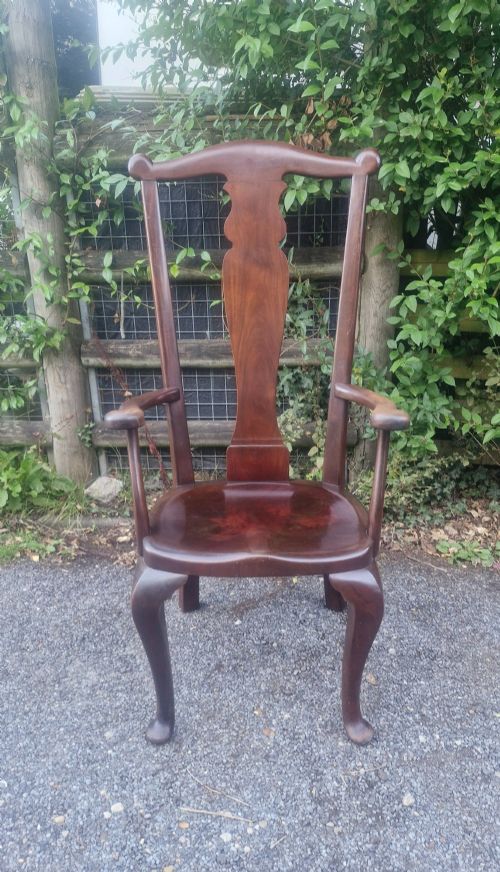
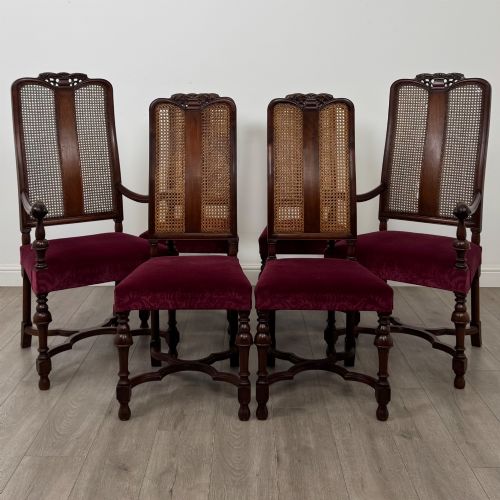
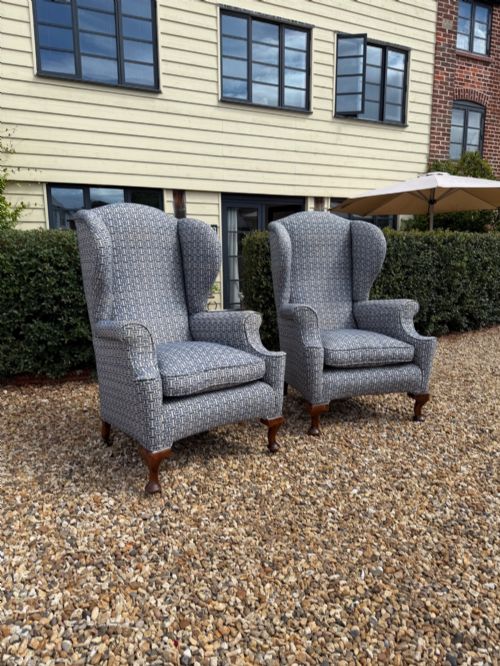
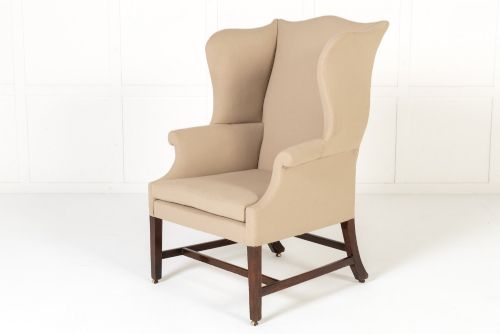
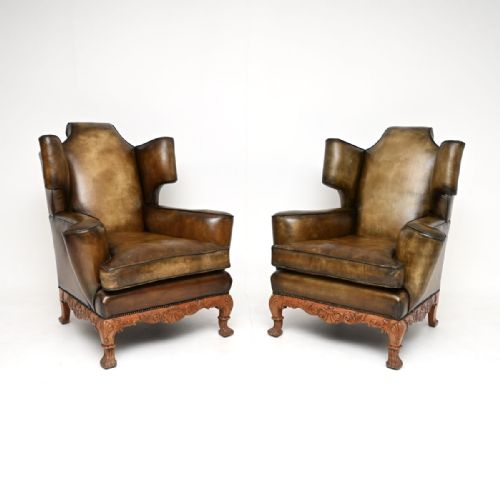
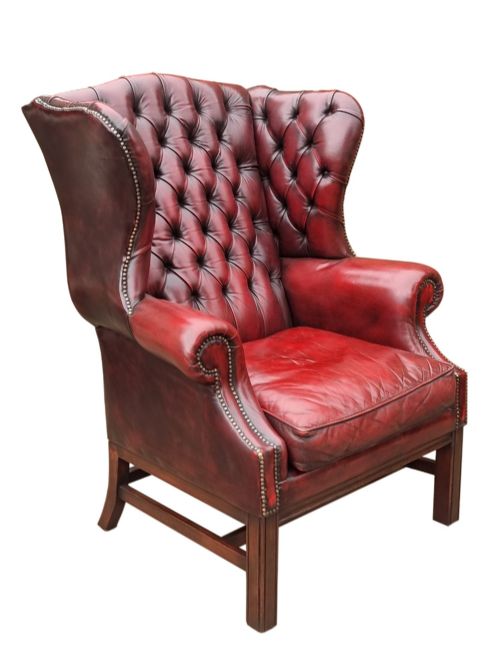
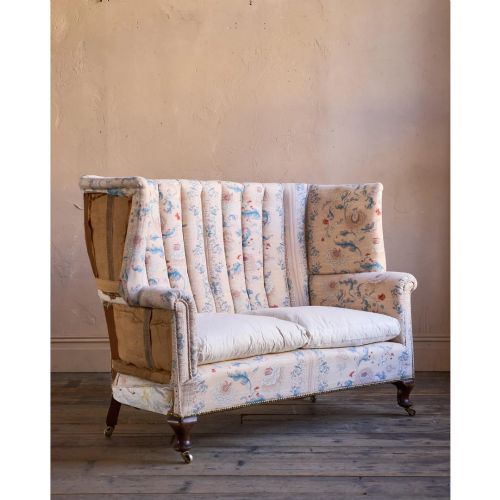
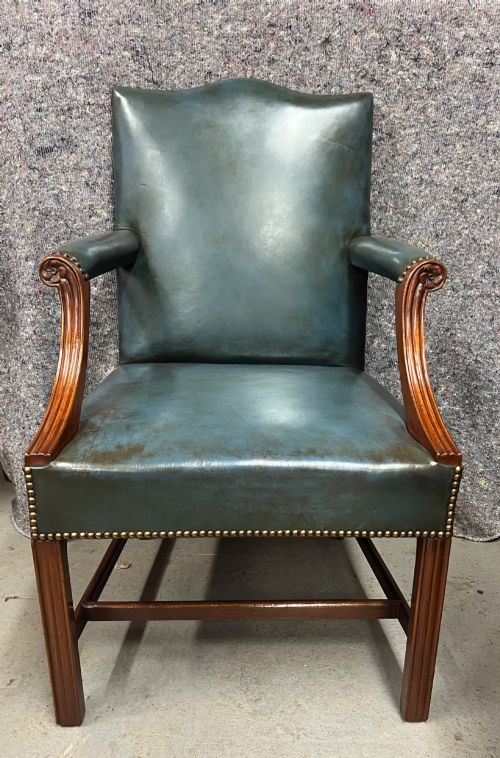
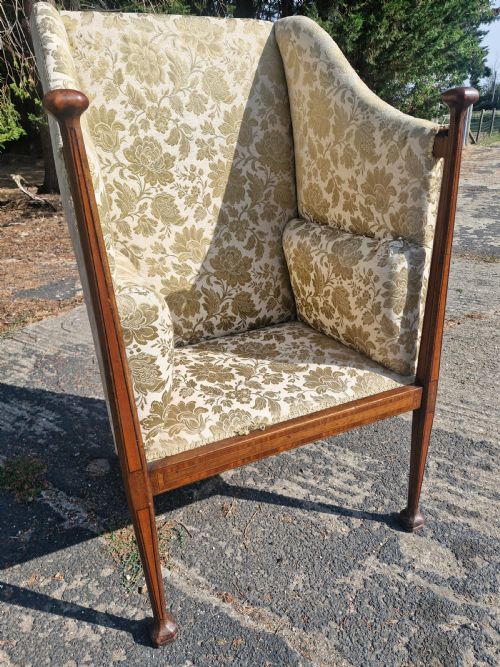
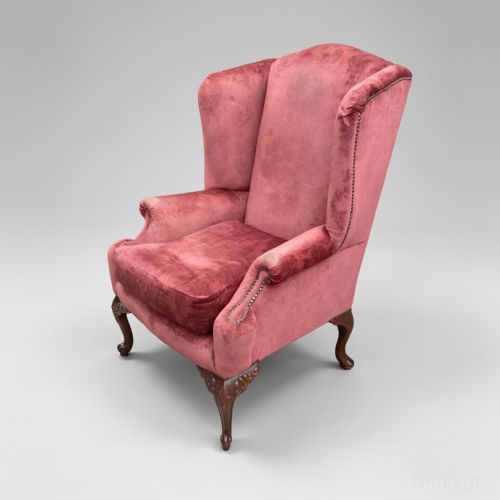
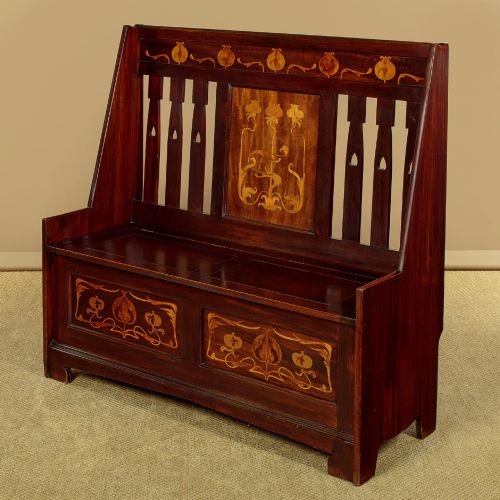
While the search centres on child seating, the broader record encompasses adult high-back dining and salon chairs sharing the same primary wood. Surviving items demonstrate the practical requirements of period nurseries alongside the craftsmanship of cabinet makers.
What varies in quality
The standard of carving and turning distinguishes simpler utilitarian nursery seats from ambitious cabinet work. Crisp mouldings and well-proportioned framing indicate greater skill in the workshop.
The integrity of integrated mechanisms, particularly in metamorphic examples that convert into low tables or play chairs, defines the upper tier of execution. Smooth transitions and robust hardware demonstrate superior construction.
The preservation of original secondary materials, such as canework or leather inserts, influences the character of each piece. Retained surface patination on the mahogany itself reflects the handling and maintenance over centuries.
Retail Price Guide 2026
Typical UK retail prices for mahogany high chair, calculated from the Sellingantiques database of over a million retail prices indexed since 2003. This retail price guide relies exclusively on Sellingantiques data; no external sources or auction records are used, so the figures do not describe the wider market.
Toddlers of the Georgian era dined at altitude, surveying the dining room from sturdy mahogany perches equipped with cunning folding trays.
The Mahogany High Chair Glossary
- Metamorphic chair
- A piece of furniture designed to convert into more than one form, such as a high chair transforming into a low table.
- Tub highchair
- A child's seat featuring a rounded, enclosing backrest shaped like a tub to provide security.
- Cane panel
- Woven rattan or split cane inserted into a frame to create a breathable backrest or seat.
- Georgian period
- The era spanning the reigns of the first four Georges, noted for stylistic developments in mahogany furniture.
- William IV style
- A design phase from the early 19th century characterised by robust proportions and classical revival motifs.
Frequently Asked Questions
What is a metamorphic mahogany high chair?
A metamorphic mahogany high chair is a dual-purpose piece engineered to shift from an elevated child's seat into a low chair or a play table.
These designs allowed households to maximise utility in domestic spaces by combining nursery furniture with everyday child seating.
How do I date a mahogany high chair?
Dating relies on identifying structural characteristics, turning styles, and secondary materials that align with Georgian, William IV, or Victorian periods.
Earlier 18th-century pieces often display simpler structural framing, whereas Victorian examples introduce heavier proportions and machine-assisted turnings.
Were these chairs used daily?
These pieces served practical domestic functions within middle and upper-class nurseries for feeding and containing young children.
Their robust mahogany construction ensured they could withstand the rigours of everyday family life over generations.
What materials accompany the mahogany?
Makers integrated cane, leather, fabric upholstery, and brass fittings to provide comfort, ventilation, and mechanical functionality.
Cane seats and brass castors or hinges appear frequently on surviving 19th-century nursery furniture.