
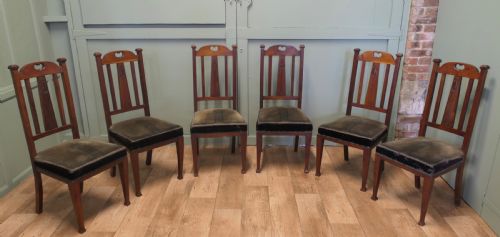


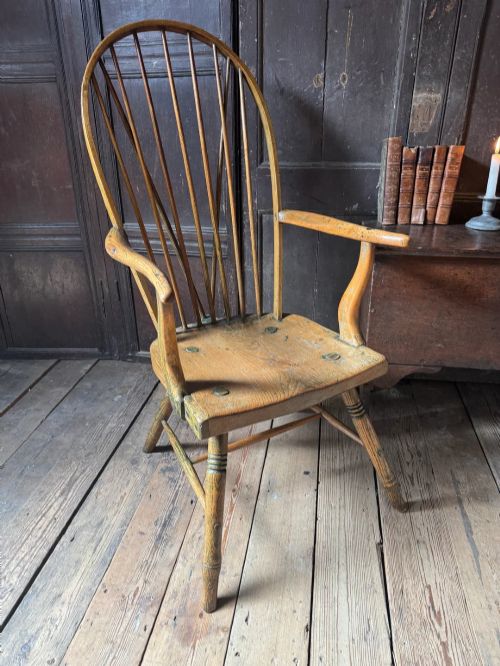
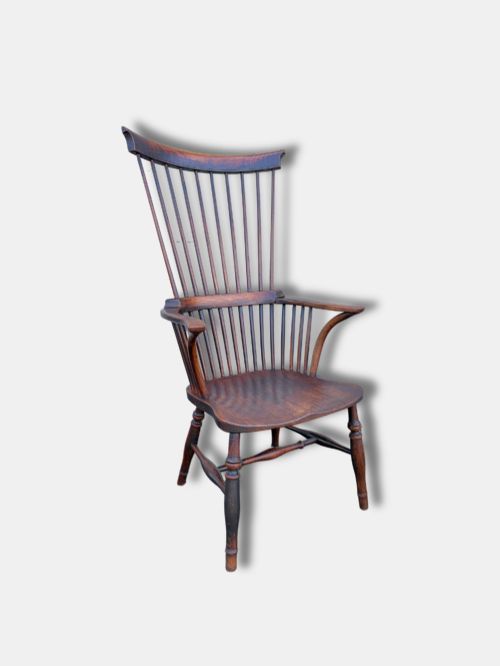
Antique Wooden High Chair
When you search for an antique wooden high chair, you are looking at domestic seating built from timber for children during the eighteenth and nineteenth centuries.
Antique Wooden High Chair
An antique wooden high chair is a child's seat raised on long legs to reach table height, surviving from periods including the Georgian era, the Victorian period, and the nineteenth century. These sturdy domestic items were built for everyday family use in British households.
The versions most commonly met in these listings combine traditional framing with local timber construction. They reflect the domestic habits of country houses and farmhouses where children shared meals with the family at elevated heights.
How they were made
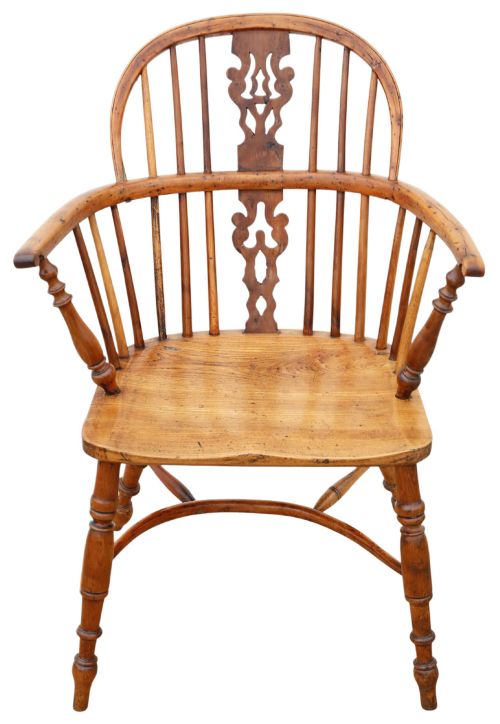
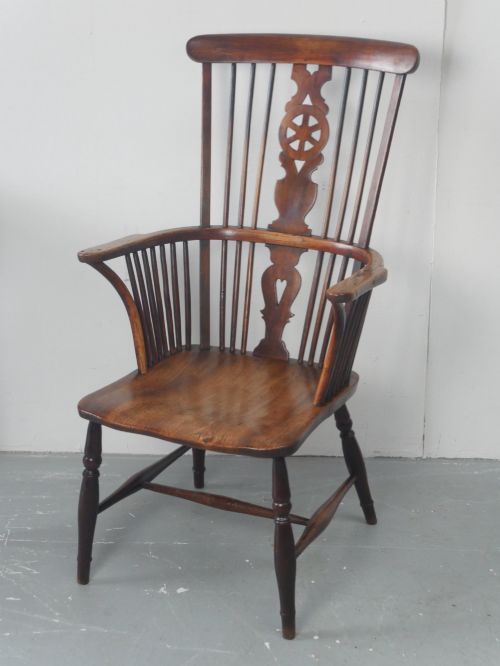
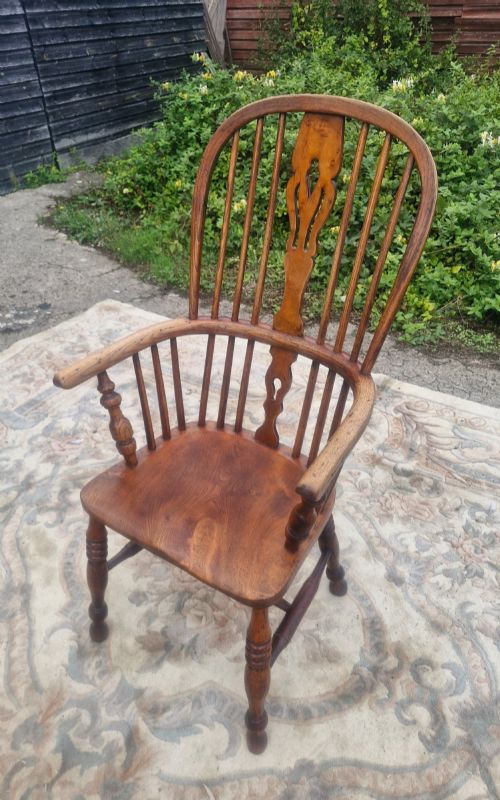
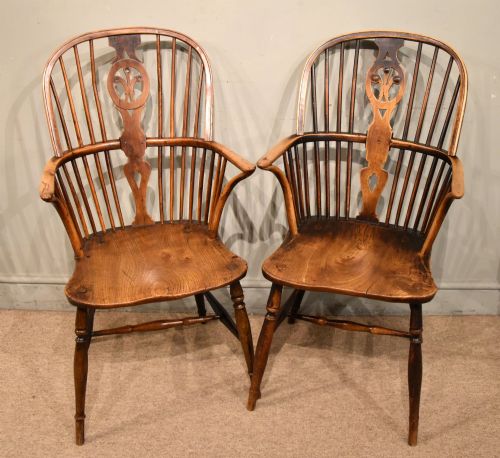
Craftsmen built these chairs using native hardwoods such as elm, ash, oak, and beech, often combining multiple timbers in a single frame for structural strength. Turnery and joinery formed the basis of the construction, utilising spindles, legs, and stretchers fitted together securely.
Makers shaped seats from solid planks of elm or ash, boring holes at precise angles to receive turned spindles and back-bows. Surface finishes relied on natural oils and long handling to develop a deep, patinated sheen over the grain of the wood.
Antique Wooden High Chair Retail Price Guide 2026
Typical asking prices for wooden high chair among the pieces listed under this phrase on Sellingantiques today, from the lower quarter to the upper quarter. They describe what is for sale here now, not the wider market.
Many vernacular pieces retain tiny footrests worn smooth by generations of swinging child-shoes.
What varies in quality
The distinction between ordinary utility pieces and finer examples rests on the grace of the turning, the selection of figured timber, and the balance of the proportions. Superior pieces display carefully tapered spindles and well-sculpted seats that show the hand of a skilled country joiner.
Originality of surface and structure defines the upper range of these items. Examples that retain their early footrests, original joining pegs, and uncompromised structural integrity command greater regard among collectors than those rebuilt or heavily altered over time.
James Shoolbred Co·Liberty Morris Co
The Antique Wooden High Chair Glossary
- Comb-back
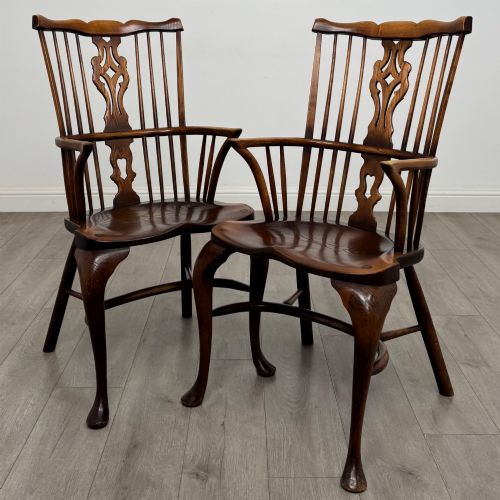
- A Windsor chair design where the vertical spindles of the back extend up into a horizontal top rail resembling the teeth of a comb. This construction offers robust support for the upper back.
- Stretcher
- A horizontal wooden brace connecting the legs of a chair to provide rigidity and structural stability. These components are frequently turned in patterns typical of regional joinery.
- Spindle
- A slender, turned wooden rod used vertically in chair backs or legs. Turners shaped them on lathes to create rhythmic patterns of swells and curves.
- Patina
- The surface sheen and colour developed by timber over decades of handling, exposure to light, and waxing. It serves as an indicator of age and continuous use.
Antique Wooden High Chair: Frequently Asked Questions
What is an antique wooden high chair?
An antique wooden high chair is a raised child's seat constructed from native timbers during centuries past to elevate a young child to table height.
These pieces combine functional domestic design with traditional carpentry methods such as spindle-turning and solid wood carving.
How were antique high chairs used?
Families used these elevated seats primarily during mealtimes to keep children secure and level with adults at the dining table.
They served as practical household furniture designed for daily use in farmhouses, cottages, and larger country houses.
How do I date a wooden high chair?
Dating relies on observing the timber species, joinery techniques, tool marks left by makers, and stylistic influences from periods like the Georgian and Victorian eras.
Examining the wear patterns and structural construction helps place the piece within a specific century or decade.
How do I care for antique wooden seating?
Maintenance involves keeping wooden high chairs away from direct heat sources and sudden temperature fluctuations that can dry out the timber.
Applying a traditional beeswax polish occasionally helps nourish the grain and preserve the historic surface patina without harming the wood.