





Welsh Vernacular Chair
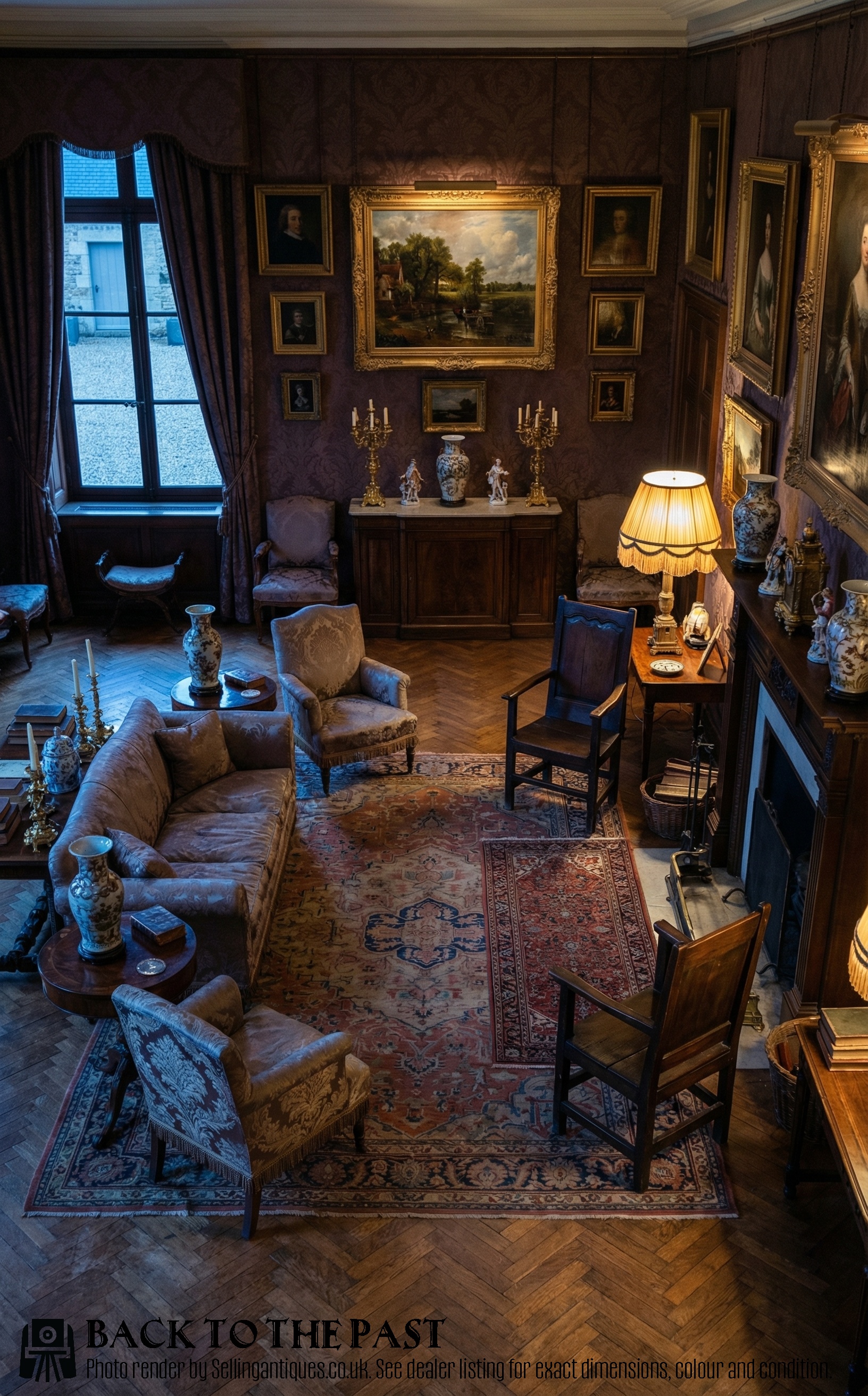
A welsh vernacular chair brings rugged regional craftsmanship and honest domestic utility directly into a modern interior.
Welsh Vernacular Chair
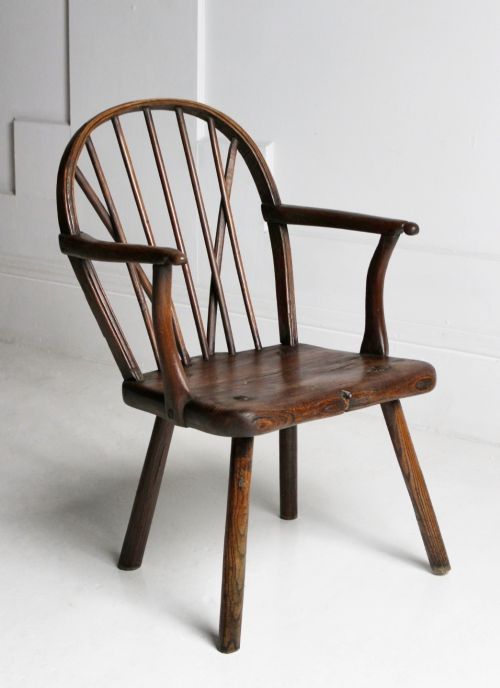
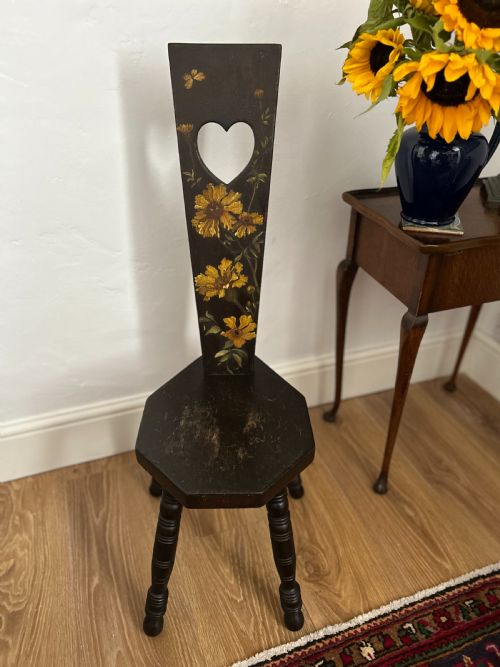
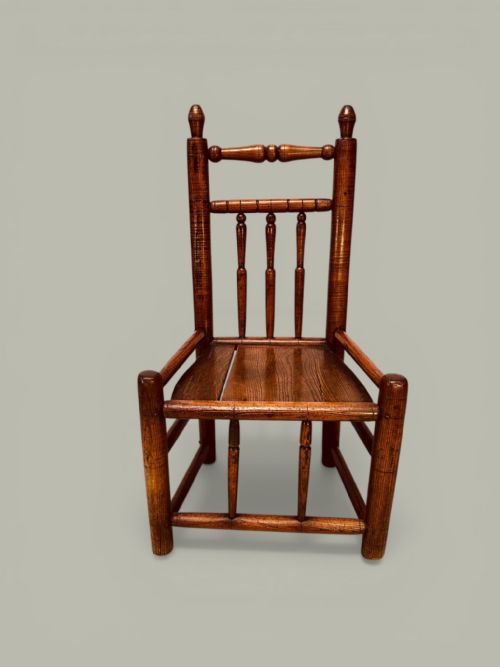
A welsh vernacular chair is a piece of domestic country seating built by local rural joiners and village makers rather than urban workshops. These chairs serve everyday household purposes, taking the form of armchairs, side chairs, dining chairs, rocking chairs, children's chairs, and settles.
The pieces appearing on this page span several centuries, running from the seventeenth century through the eighteenth and nineteenth centuries into the early twentieth century. Examples often carry regional traits tied to specific localities such as the Conwy Valley, Swansea Valley, and Carmarthenshire.
Buyers most frequently encounter stick back, comb back, and Windsor configurations alongside solid oak panelled armchairs and turned designs. Smaller scaled children's chairs and lambing chairs on rockers also appear within the selection.
How they were made
Makers utilised native British hardwoods available in their immediate surroundings, predominantly combining oak, ash, elm, and yew-wood within a single piece. Burr elm often provides striking figuring for seats, while ash and oak form robust underframes, spindles, and legs.
Construction methods rely on traditional green woodworking techniques, where turned legs and spindles are driven into thicker plank seats and secured with wedges. Structural joinery uses pegging and mortise and tenon connections rather than metal fasteners, resulting in sturdy, resilient frames.
Surfaces occasionally display historic paint finishes or remain exposed to show the natural grain of the timber. Carved detailing appears selectively on crest rails and panel backs, reflecting regional folk art traditions.
Welsh Vernacular Chair Retail Price Guide 2026
Typical asking prices for welsh vernacular chair among the pieces listed under this phrase on Sellingantiques today, from the lower quarter to the upper quarter. They describe what is for sale here now, not the wider market.
Makers relied on native timbers, frequently pairing burr elm seats with ash spindles and yew-wood panels.
What varies in quality
Quality rests upon the harmony of the timber selection and the structural integrity of the joints. Chairs featuring contrasting woods, such as a burr elm seat paired with ash spindles, demonstrate a deliberate aesthetic choice by the maker.
The boldness of the turning on legs and arm supports dictates visual success. Tighter, more confident proportions in comb backs and stick backs separate casually assembled items from those executed by skilled regional hands.
The Welsh Vernacular Chair Glossary
- Stick back
- A chair design where turned spindles are tenoned directly into a solid wooden seat to form the backrest. This method forms the backbone of traditional country chair making.
- Comb back
- A Windsor variant featuring a high backrest topped by a horizontal headboard resembling the teeth of a comb. Vertical spindles rise through the seat to meet this crest.
- Lambing chair
- An enclosed wooden armchair traditionally featuring high sides or wings to shield the occupant from drafts. Children's versions in oak occasionally incorporate rockers.
- Backstool
- An early term for an upholstered or plain wooden side chair without arms. These pieces offer compact seating with upright panel or frame backs.
- Harlequin set
- A group of chairs that share similar regional characteristics and periods but are not originally from the same matched suite. Such sets bring a collected character to a dining table.
Welsh Vernacular Chair: Frequently Asked Questions
What defines a welsh vernacular chair?
A welsh vernacular chair is an unpretentious regional seat fashioned by local rural makers using native timbers like oak, ash, and elm. These pieces prioritize sturdy utility and straightforward construction over court styles.
They reflect the specific traditions of Welsh woodworking districts, often utilising stick back, comb back, or panelled forms.
How were these chairs used historically?
These seats filled everyday roles in Welsh farmhouses, cottages, and rural dwellings. Larger armchairs accommodated the head of the house near the hearth, while smaller side and children's chairs served around the kitchen table.
Rocking versions and lambing chairs provided comfort and protection from cold drafts in domestic spaces.
How do I live with a country chair?
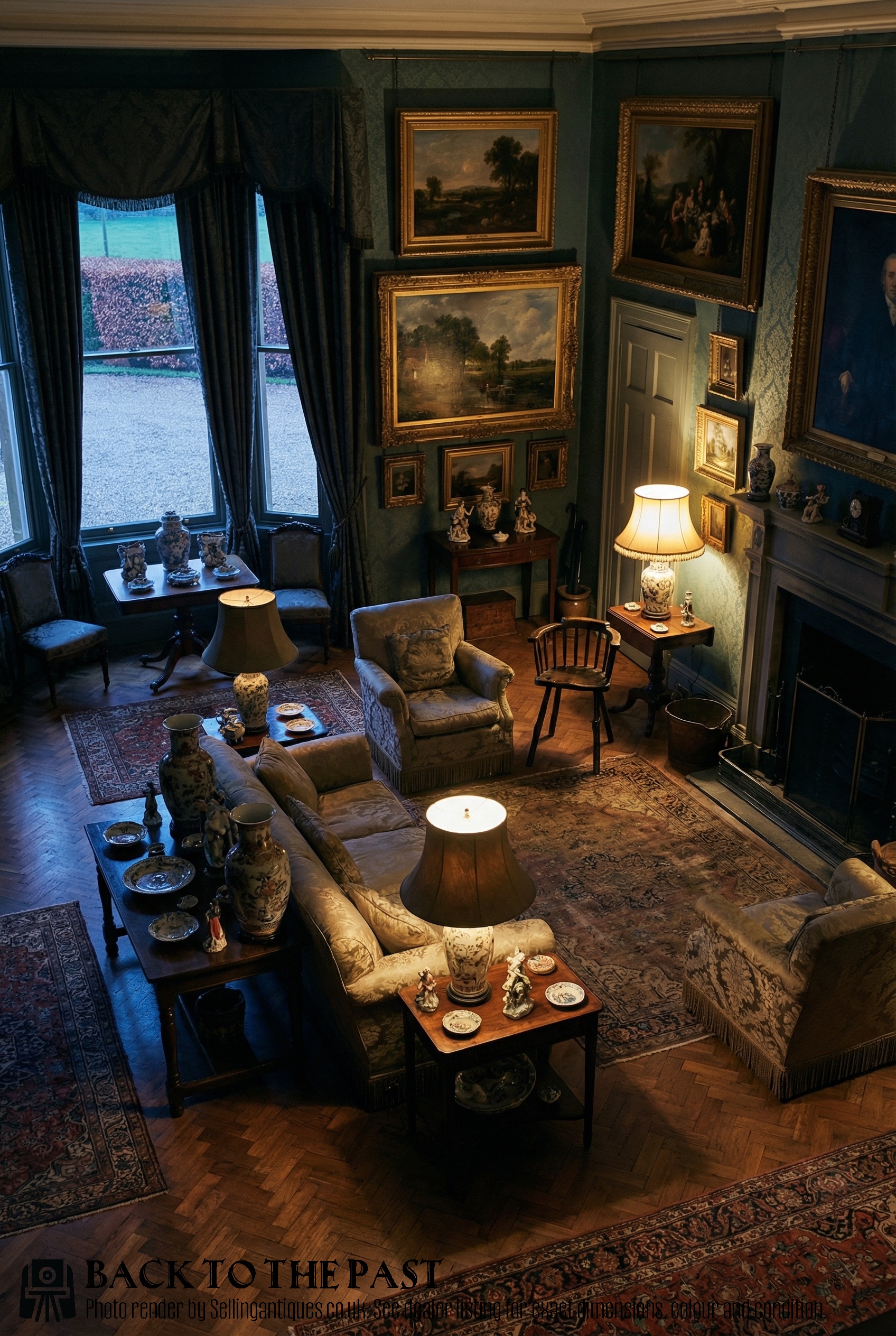
Living with these chairs involves placing them in environments where their organic timber textures can contrast with modern or traditional decor. They function well as solitary accent pieces or gathered around a dining table.
Maintenance requires stable indoor humidity to keep the ancient hardwoods and pegged joints secure.
How can I tell the periods apart?
Seventeenth-century examples typically present heavy panelled construction and carved oak frames. Eighteenth-century pieces frequently introduce lighter stick back, comb back, and Windsor designs using mixed woods like ash and elm.
Nineteenth-century variants often display simpler primitive lines or smaller proportions intended for children.